avg —
Risotto with Spinach and Cream

Instructions
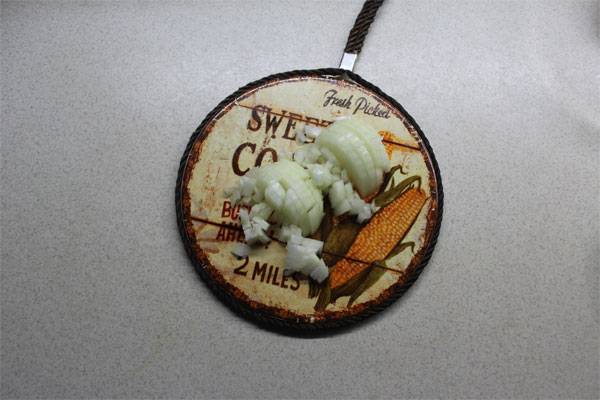
Finely chop the onion into 3–4 mm cubes. The finer the onion, the better it dissolves into the finished risotto and the less it disturbs the texture as you eat. Onion cut too large would create a contrast in this delicate, creamy dish and spoil the characteristic velvetiness of the risotto.
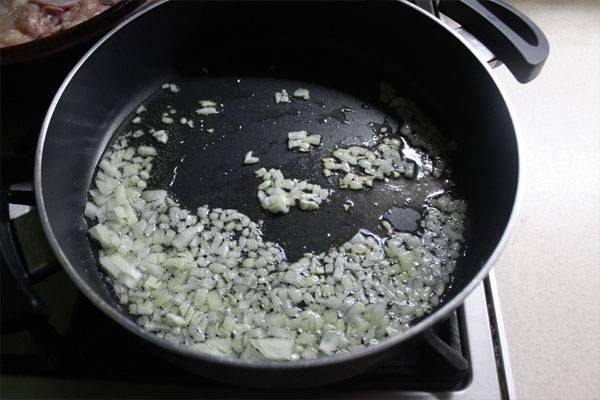
Saute the onion in a mixture of olive oil and butter over medium heat for 5–7 minutes, until translucent and golden. The mix of fats is an Italian classic: the olive oil gives a distinctive aroma, while the butter adds tenderness and helps prevent burning. The onion should turn translucent but not brown – burnt onion would lend a bitter note to the whole dish.
Pour the warm broth into the pan (it is important that it is warm – cold broth would halt the cooking), then add the frozen spinach, the Italian herbs and the chopped parsley. Warm broth keeps the temperature steady and helps the rice release its starch evenly, which is what creates the characteristic creamy texture.
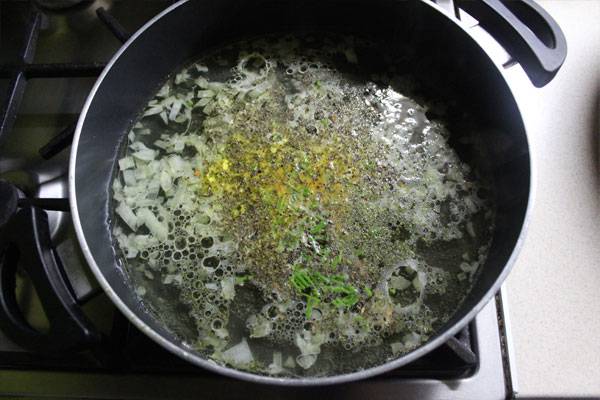
Add the rinsed rice and stir gently. Cook over low heat for 15–18 minutes until al dente – the grain should be soft on the outside but keep a slightly firm core. Stir every 2–3 minutes with a wooden spoon; this helps the starch come out and create a creamy sauce.
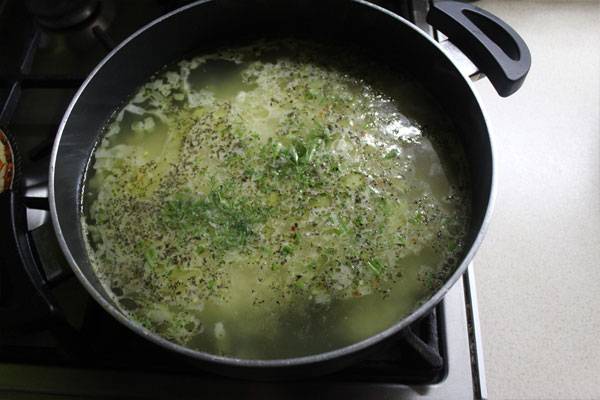
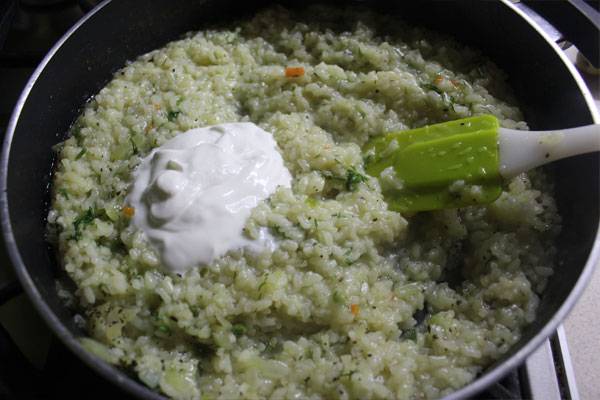
Pour in the rich 33% cream and stir gently. Simmer for a further 5 minutes over the lowest heat, then add salt and freshly ground pepper to taste. Add the cream only at the end – with long cooking it can curdle and spoil the texture. The 33% fat content ensures creaminess; anything lower will give a watery result.
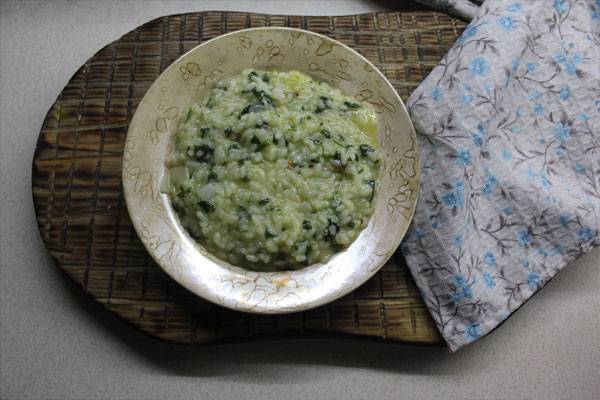
Place the finished risotto on a plate in a neat mound and drizzle it with good extra-virgin olive oil for shine and aroma. Italians call this finishing touch "mantecatura" – it gives the risotto its signature velvety character. Serve immediately, as risotto does not take kindly to waiting.


Tips
- 1
Use only special risotto rice – arborio or carnaroli. These contain the right starch for a creamy texture. Ordinary rice will not give the same effect.
- 2
The cream should be full-fat, 33% or more – lower-fat cream can curdle when heated and spoil the creamy structure of the dish.
- 3
You can add mushrooms (button or porcini), boiled chicken or seafood (prawns, squid) for a more filling version. I make mushroom risotto on a similar principle.
- 4
Serve straight from the pan – risotto does not like to wait. As it cools the texture "sets" and loses its signature creaminess.
FAQ
Can I use fresh spinach instead of frozen? +
Yes, fresh is even preferable – it gives a brighter colour and a fresher aroma. Use 100 g of fresh spinach instead of 50 g of frozen (fresh spinach cooks down by half). Add the finely chopped leaves 3–5 minutes before the rice is done – they will soften quickly in the hot mixture. Young spinach with small leaves is more tender and sweeter, while mature leaves can be slightly bitter – use only the leaves, without the tough stalks.
What can replace the cream in risotto? +
Thick sour cream of 25–30% works (it gives a more sour accent), as does a soft cream cheese such as mascarpone or Philadelphia (which makes the risotto denser and creamier), full-fat coconut milk (for a vegan version), or classic Parmesan cheese (50 g, added at the end – it gives a characteristic Italian flavour). I would not recommend low-fat dairy products – they can curdle on contact with the hot rice and spoil the texture.
How long does cooked risotto keep? +
In the fridge, in a tightly sealed container – up to a day. When reheating, be sure to add 2–3 tablespoons of broth or cream – risotto thickens as it cools and will turn into a lump without added liquid. Reheat it over low heat in a pan, stirring constantly. The microwave works too, but gives a less even result. I would not recommend freezing it – the texture will be hopelessly spoilt after thawing.
Why did my risotto come out like ordinary porridge rather than creamy? +
The main reasons: using ordinary rice instead of special arborio or carnaroli, not stirring during cooking (so the starch did not come out), adding cold broth (which halted the cooking), overcooking the rice to a mush instead of al dente, or not adding the cream at the end for creaminess. The shape of the pan also matters: use a wide, heavy-based pan rather than a narrow saucepan – this ensures even heating.
- Comment
or post as a guest
Be the first to comment.