avg —
Tomato sauce for pizza

Instructions
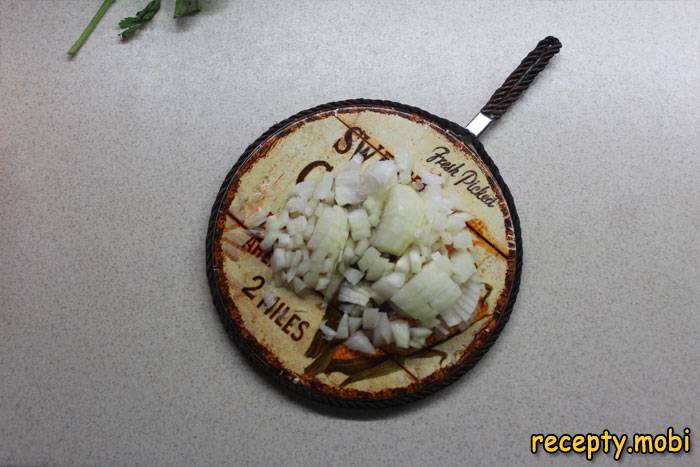
Chop the onion into small 4–5 mm cubes. A fine dice is needed so that the onion dissolves into the sauce when blended — no crunchy bits.
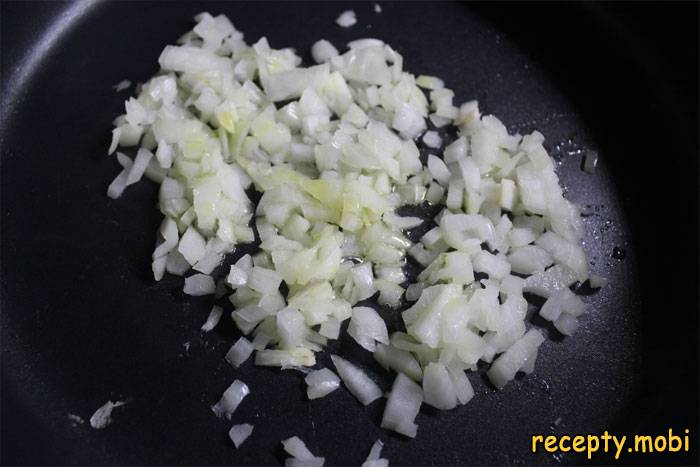
Saute the onion in extra virgin olive oil for 5–7 minutes until translucent and lightly golden — it is the caramelised onion that gives the sauce its deep "Italian" flavour.
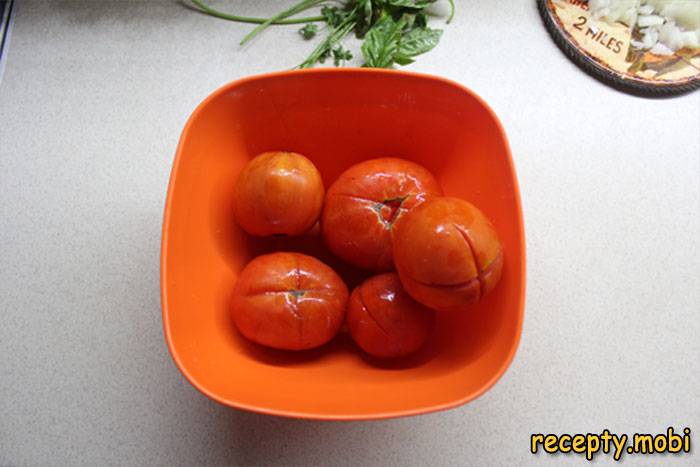
Make cross-shaped cuts in the tomatoes and pour boiling water over them for 1–2 minutes — this makes the skin easier to remove. Then transfer them to cold water — the temperature shock helps the skin come away in seconds.
Cut the peeled tomatoes into small cubes, add them to the onion and stew for 10 minutes until completely soft. Use meaty varieties such as plum or "lady's finger" tomatoes — watery ones make a runny sauce.
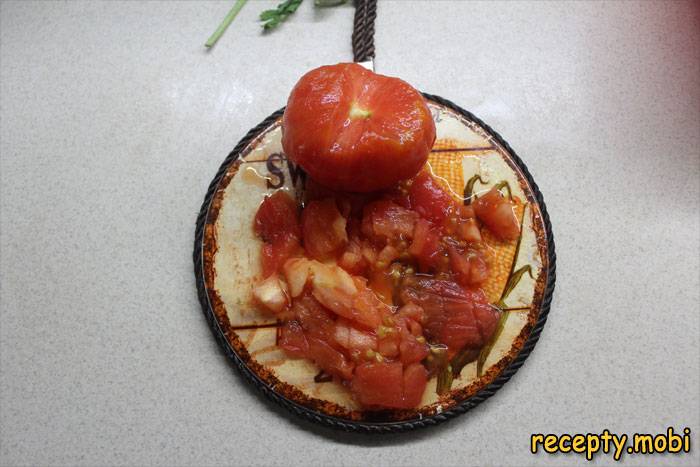
Add the spices (paprika, pepper mix, salt) and bring the sauce to readiness over low heat for 5 minutes.
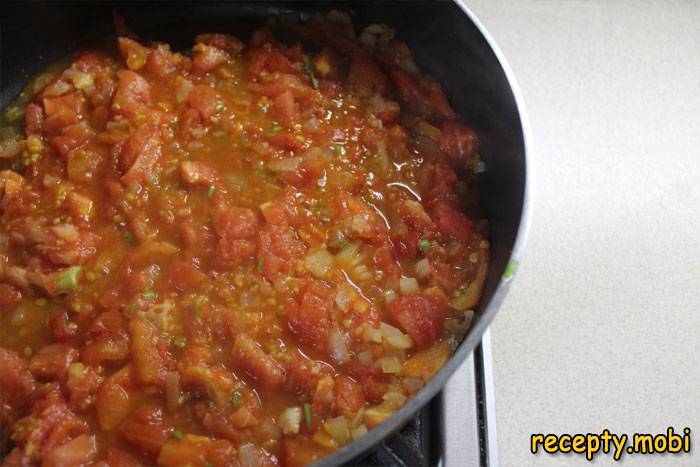
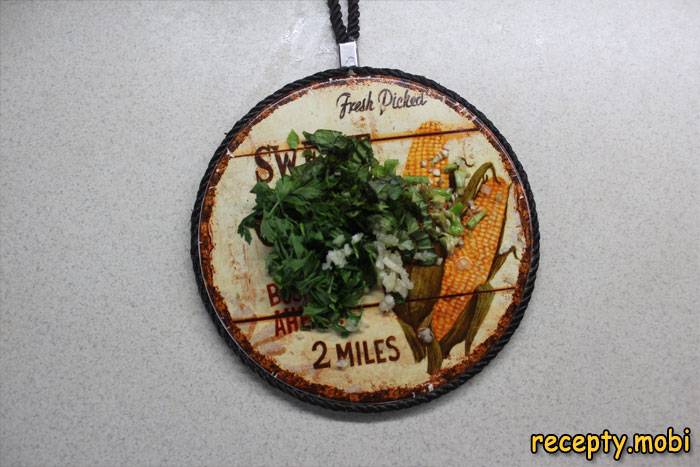
Finely chop the fresh herbs (basil, parsley) and the deseeded chilli, and crush the garlic through a press. Add to the sauce and cook for 2–3 minutes — the garlic should not cook for long, or it loses its aroma.
Blend the sauce with a hand blender for 1 minute until smooth. Boil it for 1 minute and adjust to taste — add salt and correct the heat as needed.
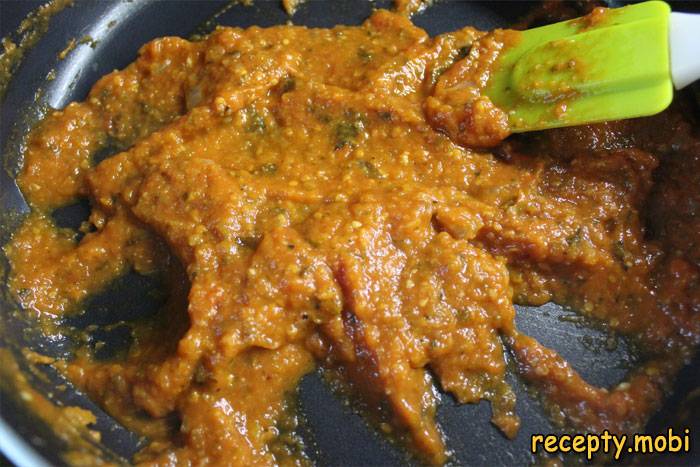
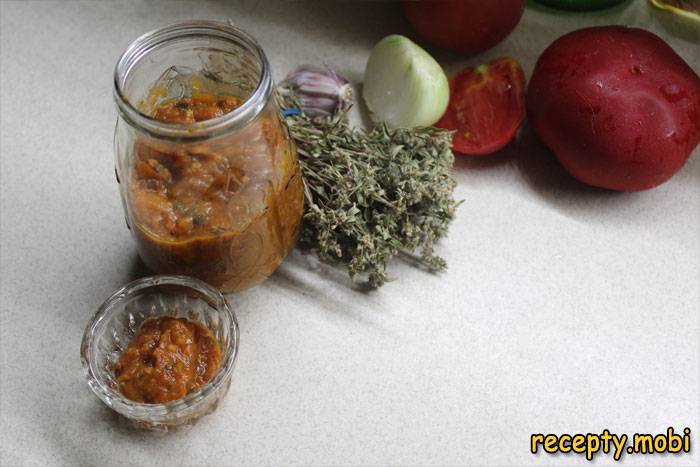
The aromatic homemade tomato sauce is ready! Cool it completely and pour it into a glass jar for storage.


Tips
- 1
Use this sauce for pizza, lasagne, ratatouille, bakes and pasta — a versatile "Italian" component.
- 2
You can put it up for the winter in sterilised jars — it keeps for up to a week in the fridge and up to a year in jars.
- 3
Adjust the heat with the amount of chilli — from a quarter for a mild version to a whole pepper for a spicy one. Marinara sauce is made on a similar principle.
- 4
The sauce should be semi-thick — that way the pizza dough will not go soggy and the crust will stay crisp.
FAQ
Can I use canned tomatoes? +
Yes, out of season tomatoes in their own juice or tomato paste diluted with water 1:3 work well. With canned tomatoes the sauce cooks faster — 10 minutes instead of 20. You can use ready-made passata, but it already has salt and spices added, so halve the amount of salt in the recipe. In winter, canned Italian "San Marzano" tomatoes are the best choice for an authentic sauce. Fresh, watery greenhouse tomatoes will give a less rich flavour.
How long does the finished sauce keep? +
In the fridge in a tightly closed glass container — up to a week. For longer storage, pour it into sterilised jars and seal them — it keeps for up to a year in a cool, dark place. You can also freeze it in portions in ice-cube trays — handy for using "a spoonful at a time" for pizza or pasta. Frozen sauce does not lose quality and keeps for up to 6 months. After thawing, warm it slightly before use.
What can replace fresh basil? +
Use dried basil (1 tsp instead of a bunch of fresh) or oregano — add it during the stewing, not at the end. You can use a mix of Italian herbs (dried basil + oregano + thyme + rosemary) — it gives a more complex aroma. Fresh parsley also works, but gives a less "Italian" character. The sauce will also turn out without any herbs, just less aromatic. Fresh basil is irreplaceable — if you can, be sure to use it.
- Comment
or post as a guest
Be the first to comment.