avg —
Greek Sauce Tzatziki

Instructions
I prepare all the ingredients. The yogurt must be thick and free of additives – natural Greek yogurt is the best fit for this.
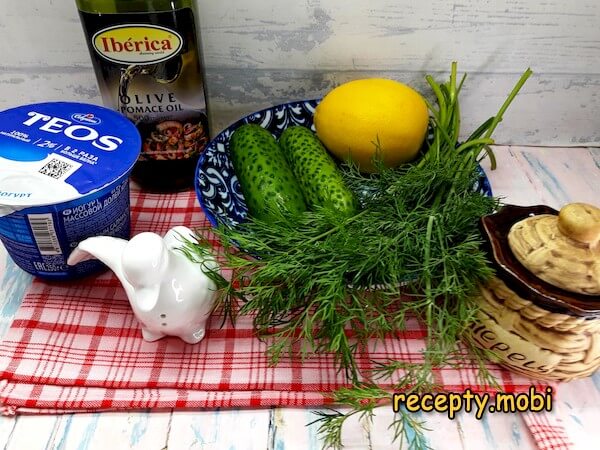
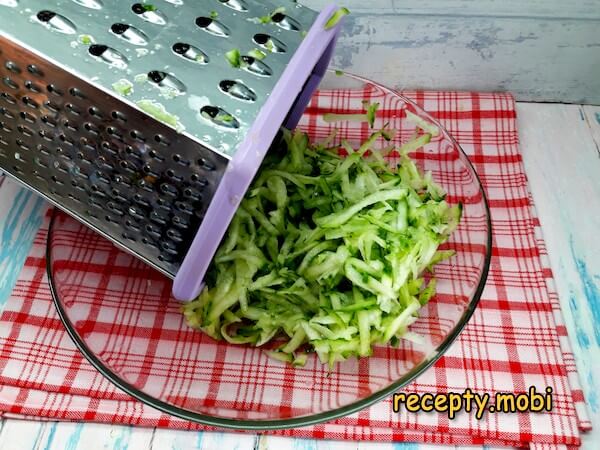
I start with the cucumbers right away. They are the ones that can release too much moisture into the sauce, and it is not wanted there. So I get rid of the cucumber juice in advance: I grate the cucumbers, skin and all, on a coarse grater.
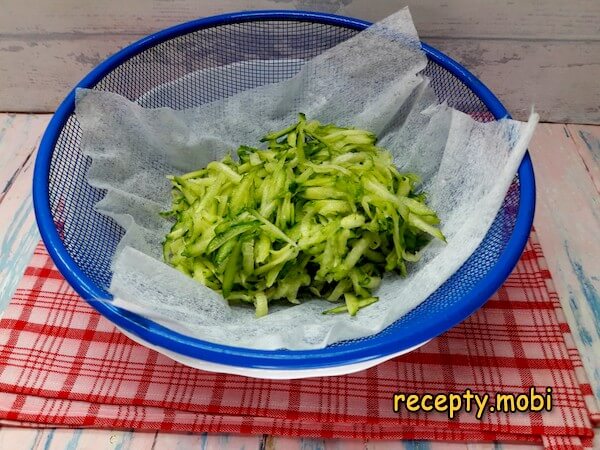
I line a colander or sieve with a non-woven culinary napkin and put the grated cucumber inside. I add a little salt – salt helps the moisture come out faster.
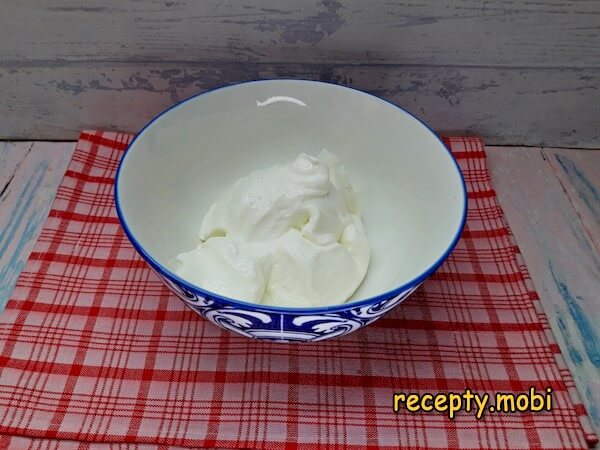
Meanwhile, I deal with the other ingredients. I transfer the yogurt into a bowl.
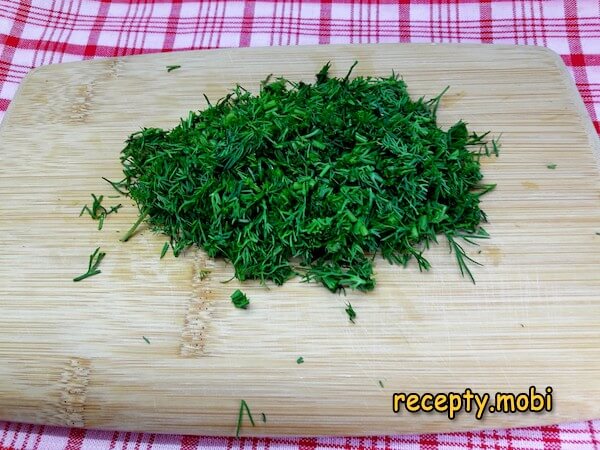
I finely chop the dill.
I grate the garlic on a fine grater.
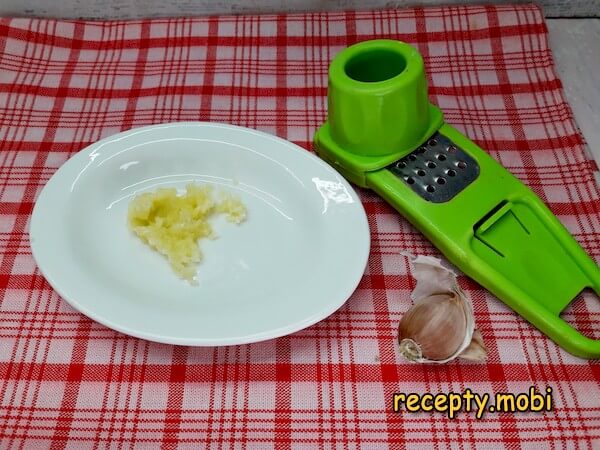
I add these two ingredients to the yogurt.
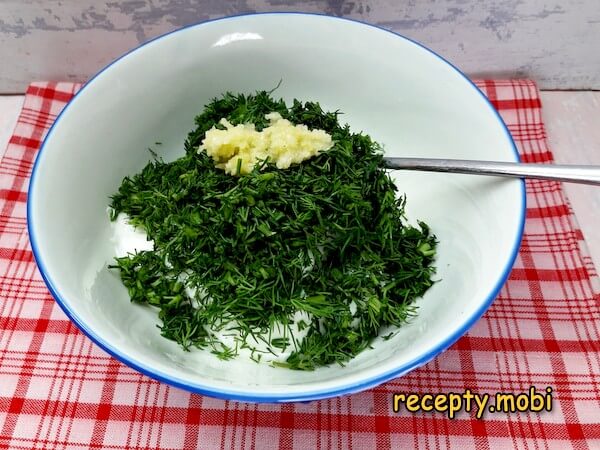
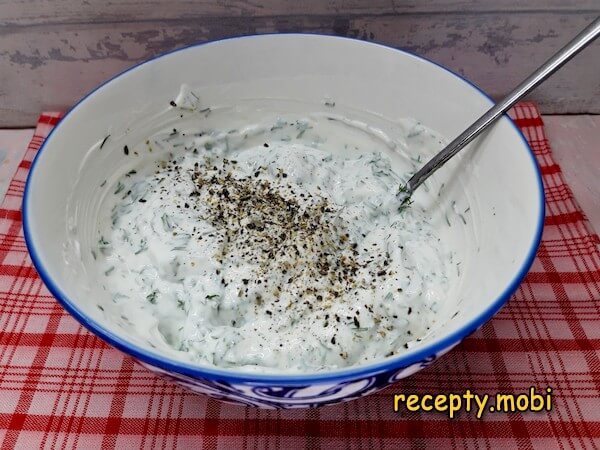
I mix everything together and season with freshly ground pepper.
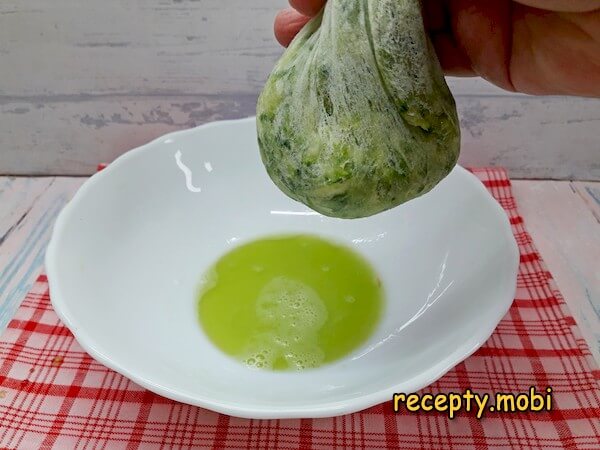
I gather the napkin with the grated cucumber into a knot and squeeze out all the moisture.
I transfer the semi-dry cucumber into the common bowl and mix it in.
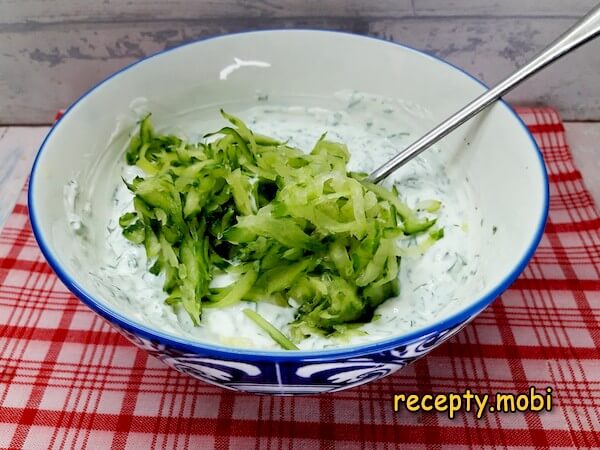
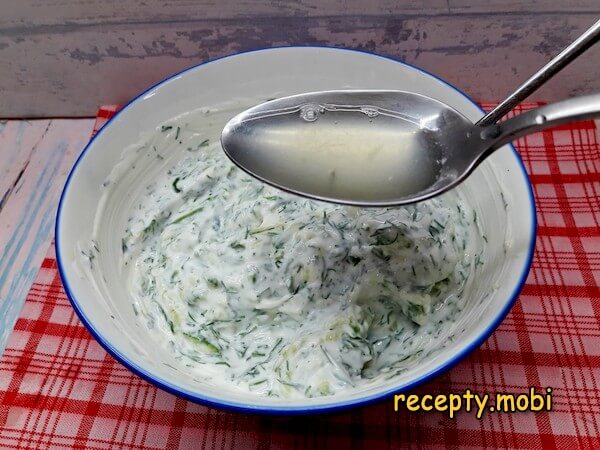
I add the lemon juice. I taste the sauce for salt, but I do not add any straight away – the cucumbers have already been salted, and that may be enough for a balanced flavour.
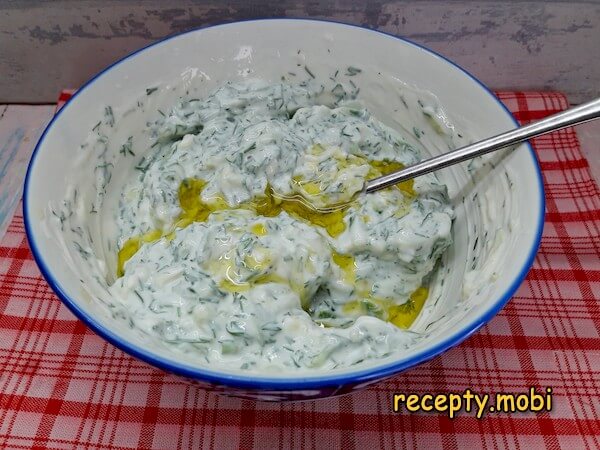
I pour in the olive oil and gently mix everything together.
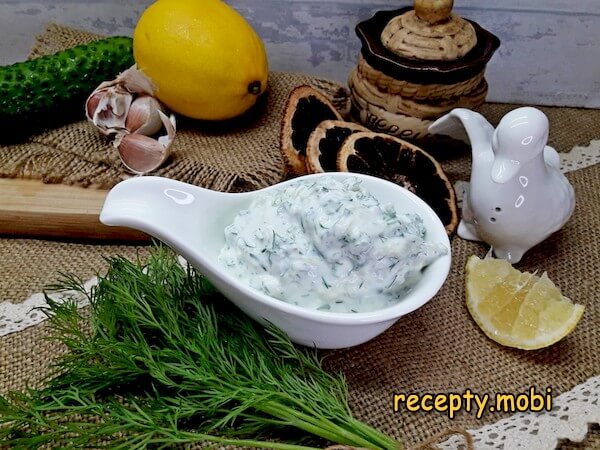
The fragrant, thick Greek tzatziki sauce is ready. It has a light citrus tang, cucumber freshness and a piquant hint of garlic. This sauce is perfect not only for light snacks, but it will also enhance the flavour of meat or fish.


Tips
- 1
Squeezing the cucumbers is the "secret" to thickness. Without squeezing, the sauce will "run". Salt + 5 minutes + a knot in the napkin gives you cucumbers of the perfect consistency.
- 2
Greek yogurt is the "secret" to the classic version. Only thick, natural yogurt with no additives. Kefir or sour cream is no longer tzatziki.
- 3
Grated garlic is the "secret" to evenness. Through a press you get fibres; grated, you get a tender paste that spreads through the sauce.
- 4
Olive oil at the end is the "secret" to aroma. If you pour it in earlier, it will mix with the cucumber water. At the end it sits as a film and holds the flavour. The same principle works in other Greek and Mediterranean sauces.
FAQ
Which yogurt should I choose? +
Ideally – natural Greek yogurt with no additives (250 g – thick, like sour cream). Alternatives: strained homemade yogurt (250 g – the most "premium"), Turkish süzme yogurt (250 g – a close equivalent), Icelandic skyr (250 g – even thicker), Georgian matsoni (250 g – a "Caucasus classic"), 20% sour cream (250 g – the "budget" option). Brands such as "Teos", "Epica" and "Activia Greek" are tried and tested. Fresh yogurt with a short shelf life is the "premium" option. Do not use: sweet yogurt with fruit, low-fat kefir (the sauce will be runny), or ayran. For the "Greek classic" – strained yogurt is essential.
What can replace fresh dill? +
Alternatives: dried dill (1 tsp – "budget"), fresh mint (a small bunch – a "summer" option), parsley (a small bunch – a milder flavour), a mix of dill and mint (half a bunch of each – "premium"), tarragon (1 sprig – a spicy accent). Fresh-herb brands such as "Belaya Dacha" and "AgroKultura" are tried and tested. Freshly cut dill from the garden is the "premium" option. Do not use: dill oil (it will overpower the flavour) or salted dill (it will throw off the salt balance). For the "Greek classic" – dill or mint is essential.
How long does tzatziki keep? +
In the refrigerator in a tightly sealed jar – 2-3 days. Any longer and the cucumbers will release water and the garlic will smell stronger. Before serving – stir with a spoon and, if needed, pour off any excess liquid. I do not recommend freezing it – the yogurt will separate. Fresh tzatziki is at its "star" 1-2 hours after it is made (once it has "rested" in the cold). On the second day the flavour is deeper and more garlicky. Do not leave it at room temperature for longer than 2 hours – the yogurt base sours quickly.
What should I serve tzatziki with? +
The Greek classic: with pita flatbread and souvlaki skewers. With fried meat (lamb, chicken, pork). With baked vegetables (aubergines, courgettes, peppers). With chips (homemade fast food). With a platter of fresh vegetables (cucumbers, carrots, peppers). With grilled fish (gilt-head bream, sea bass) – a "premium" pairing. With falafel or moussaka. With slices of baguette and toast. As a sauce for Greek salad on its own. With fried mushrooms. With dry white wine (Assyrtiko, Retsina). A universal sauce for the Mediterranean table.
- Comment
or post as a guest
Be the first to comment.