Greek Salad Dressing – 3 Best Recipes
Dressing for Greek salad, whether classic or modern, is always important for giving the fresh vegetable salad a rich taste and aroma.
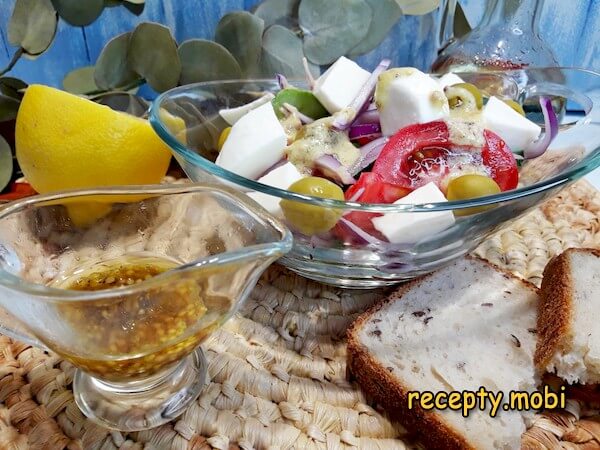
I make the dressing for Greek salad using three tried-and-tested recipes – whether classic or modern, it is always important for giving a salad of fresh vegetables a rich flavour and aroma. I usually make it from extra virgin olive oil with lemon juice and salt. However, there are many other options with Dijon mustard, boiled egg yolks, freshly ground pepper and other ingredients. In this recipe I will look at several such options, and each of them is good in its own way.
All three options suit a classic Greek salad with feta, olives and tomatoes. The time for each option is 1–30 minutes. The finished dressing keeps in the fridge for 2–3 days in a jar with a lid.
Classic Greek Salad Dressing Recipe
Preparation Time: 1 minute.
Ingredients
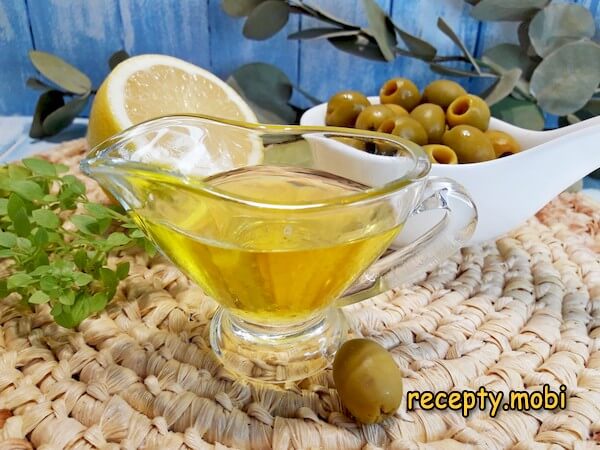
- olive oil – 60 ml;
- lemon juice – 5 ml;
- sea salt – a pinch.
Preparation
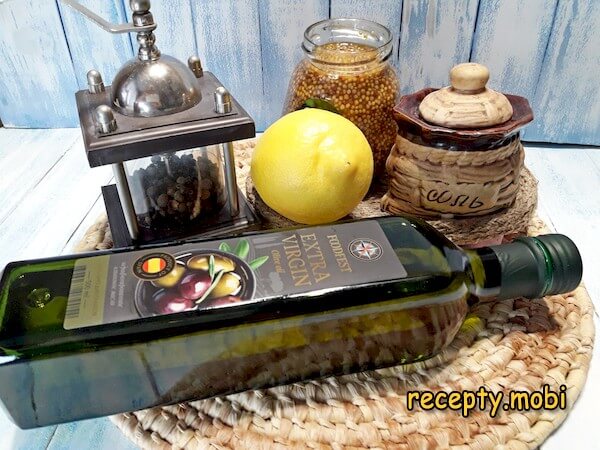
1. Prepare the ingredients. Extra virgin olive oil from the first cold pressing is essential – cheap refined oil will give a "flat" taste.

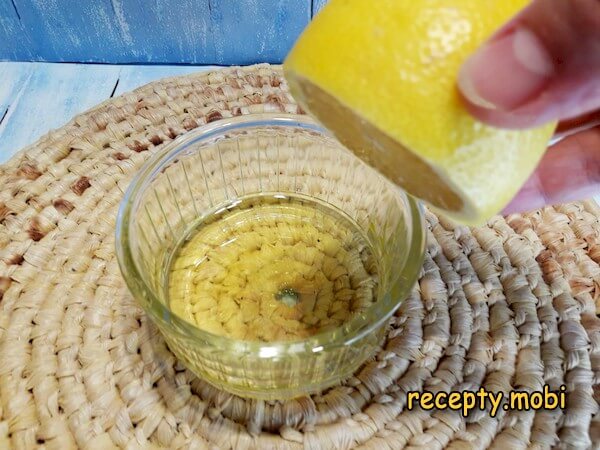
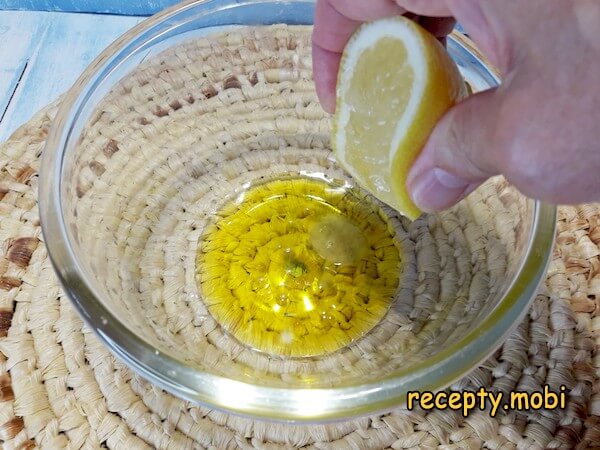
2. Pour the olive oil into a small container and squeeze in a teaspoon of lemon juice (if lemon seeds get into the oil, they should be removed). Freshly squeezed lemon gives a brighter flavour than bottled juice.
3. Add salt to the mixture and mix everything well – sea salt gives a "Mediterranean" character.
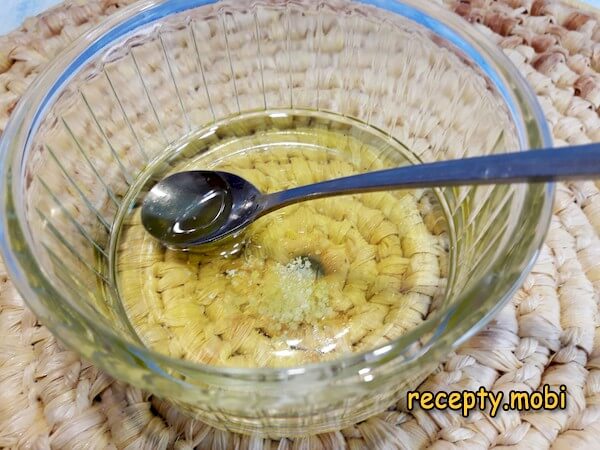
This mixture can be poured straight over the salad, which will immediately be transformed in flavour. It is the minimalist classic version, the way it is made in every Greek village.
Greek Salad Dressing with Dijon Mustard

Preparation Time: 1 minute.
Yield: for 1 serving.
Ingredients
- olive oil – 60 ml;
- lemon juice – 10 ml;
- Dijon mustard – 1 teaspoon;
- freshly ground pepper – a pinch;
- sea salt – a pinch.
Preparation
- Prepare the ingredients. The mustard must be the grainy kind – Dijon, which cannot be replaced with ordinary mustard. Only Dijon gives the characteristic "French" note and keeps the whole mustard seeds intact.
- In a small container, mix the olive oil and lemon juice – this is the emulsion base for all the other ingredients.
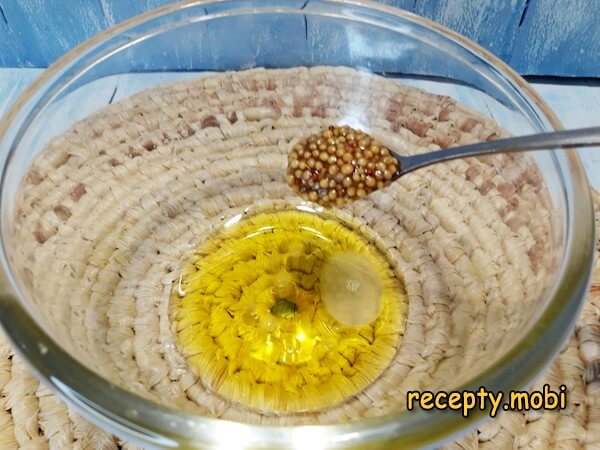
- Add the Dijon mustard – it works both as a flavouring and as an emulsifier, helping the oil and the acid to bind together.
- Grind black pepper straight into the bowl using a mill – freshly ground pepper releases the most aroma.
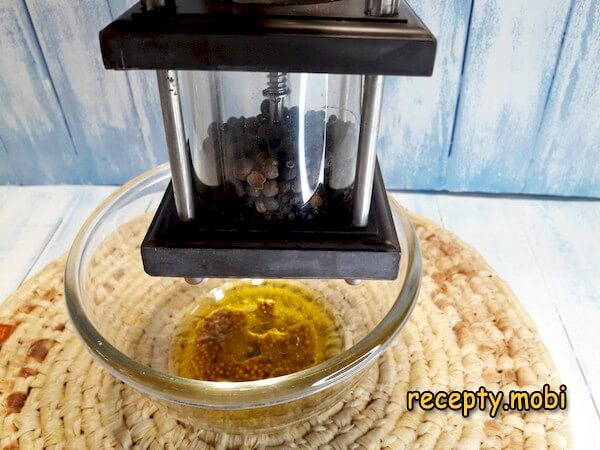
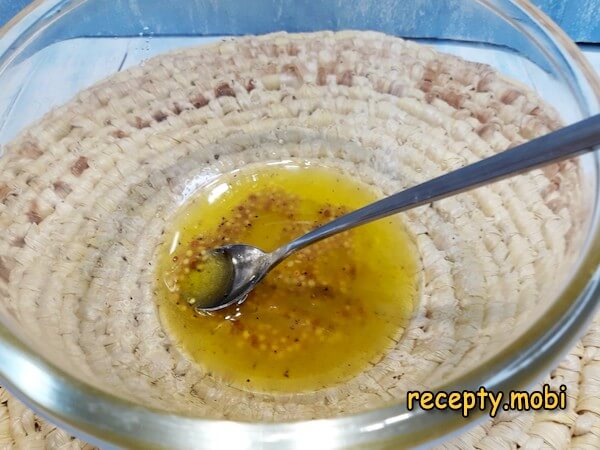
- Season with salt and rub everything together with a spoon – vigorous mixing turns the oil, lemon and mustard into a smooth emulsion.
This dressing has gained its own original flavour thanks to the addition of Dijon mustard – a "French" note in a Mediterranean salad.
Greek Salad Dressing with Boiled Egg Yolk
Preparation Time: 30 minutes.
Yield: for 2 servings.
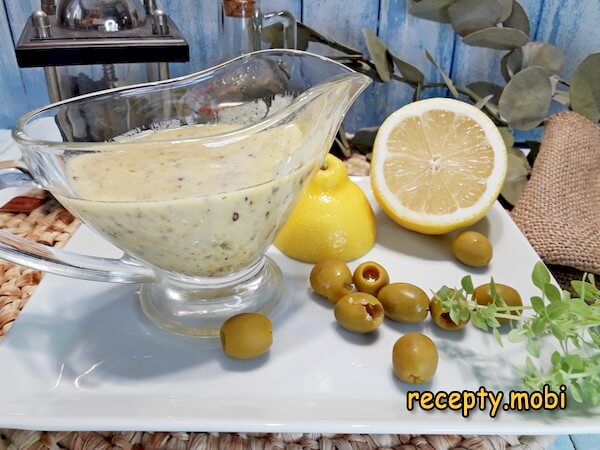
This sauce is thicker than the two previous ones, and that is where its special charm lies. The yolk gives a mayonnaise-like, velvety texture, but without raw egg – safe for everyone.
Ingredients
Show ingredients
- extra virgin olive oil – 100 ml;
- eggs – 2 pcs.;
- Dijon mustard – 2 teaspoons;
- lemon juice – 15–20 ml;
- oregano – a pinch;
- sea salt – a pinch.
Preparation
1. Prepare the ingredients. The eggs need to be hard-boiled – this will take 8 minutes. Then place them in cold water to cool quickly – the "thermal shock" makes the shells easier to peel.
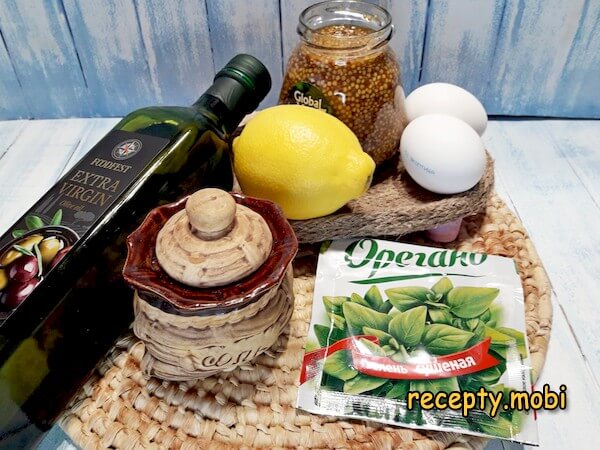
2. Separate the yolks from the whites, which will not be needed in this recipe; they can be used for other salads or an omelette.
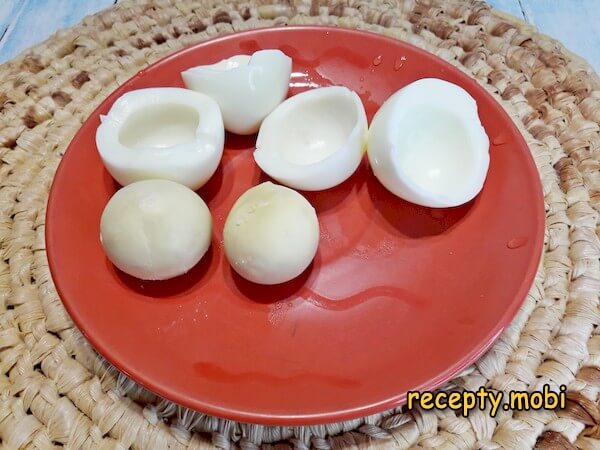
3. Mash the yolks with a fork – they should become a paste without lumps.

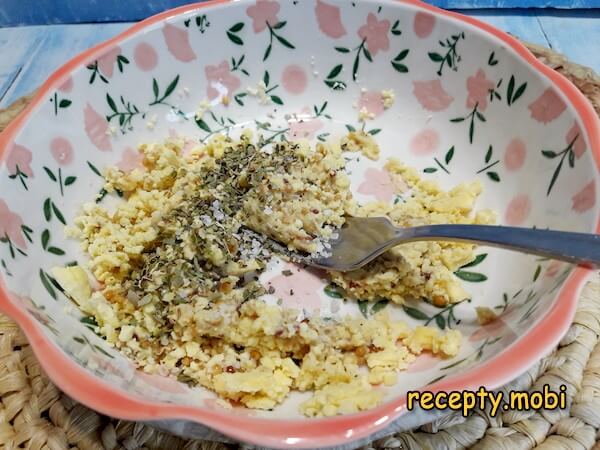
4. Add the Dijon mustard to them and rub everything together – this gives the "mustard-and-egg base" of the sauce.

5. Season the mixture with oregano and salt – oregano is the "Greek soul" of the sauce.
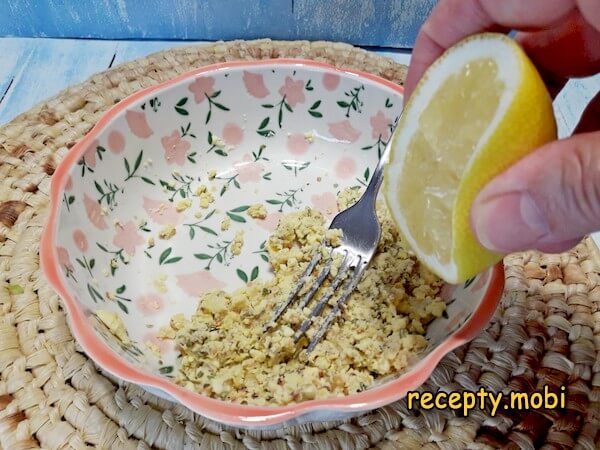
6. Squeeze the lemon juice into it. Mix – the lemon gives a bright "Mediterranean" tang.
7. Next, add the olive oil little by little, rubbing it into the yolk mixture after each portion – this is the "secret" of the emulsion, just like in homemade mayonnaise.
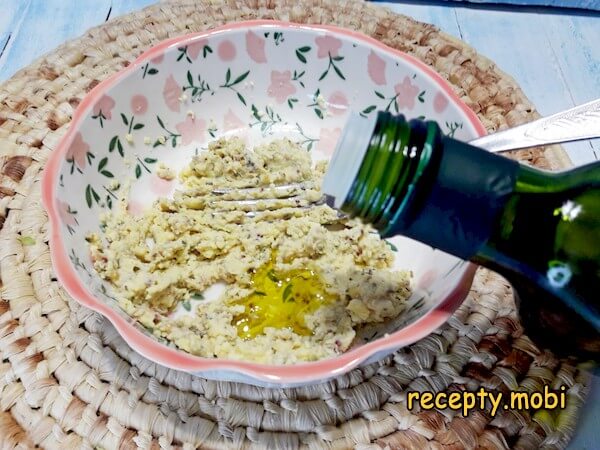
8. Gradually use up all of the oil this way, mixing until completely smooth – you should end up with a thick, oily mass. In texture it is close to a "Russian-style" mayonnaise, but with a Greek character.
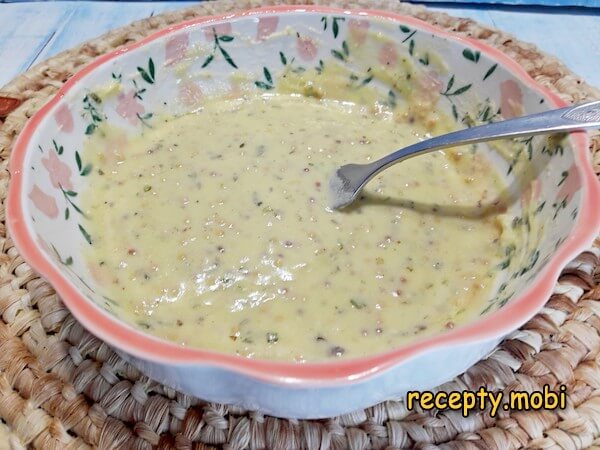
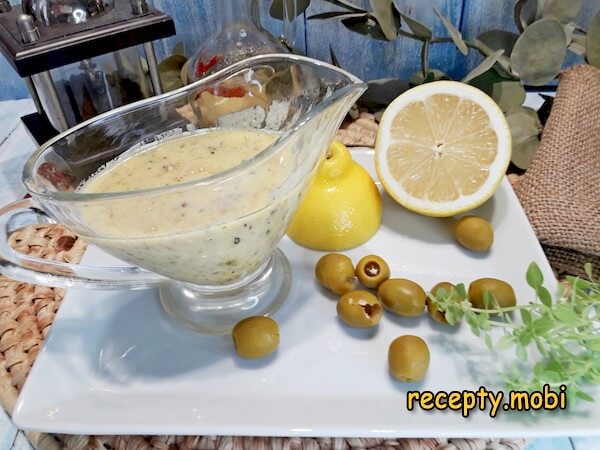
And there it is – the Greek salad dressing in three variations, ready. You can chop the vegetables and soft cheese with olives, and then drizzle one of these dressings over the salad, and each one will give your favourite dish a fresh, original taste. The ideal pairing is with a classic Greek salad (Horiatiki / Xoriatiki).
Tips and Tricks
Tip 1. EXTRA VIRGIN OLIVE OIL is the "secret" of Greek flavour. This is not "ordinary" oil. Extra virgin olive oil is the first pressing, with an acidity of no more than 0.8% and no heat treatment. The best types are Greek (Kalamata, Corfu, Crete – the most authentic), Italian (Tuscany, Liguria) and Spanish (Andalusia). The label should carry a "PDO/AOP" mark (protected designation of origin). Not suitable: refined oil, "pomace" oil (made from the pulp) and "light" oil (without character). A 250–500 ml bottle keeps for 6 months after opening in a dark place at +15–18°C. At the market, choose by colour and aroma – green-gold, with a fruity, grassy smell.
Tip 2. DIJON MUSTARD vs RUSSIAN MUSTARD is the "secret" of the original flavour. Dijon is mild and aromatic, with whole or crushed mustard seeds and no harsh burn. It is made with white wine (or wine vinegar). Russian table mustard is sharp and fiery, with no seeds, made with water. Swapping "Russian for Dijon" completely changes the character of the dressing. Alternatives to Dijon: "Bordeaux" mustard (with tarragon, milder), "wholegrain" mustard (with whole seeds) and "honey mustard" (with honey). For the strict classic Greek version, Dijon is essential. Similar sauce-base principles are used in this tangy salad dressing made with olive oil.
Tip 3. ADDING THE OIL GRADUALLY is the "secret" of the emulsion. If you pour in all the oil at once, it will "split" – the oil separates from the yolk. The principle of an emulsion: fat + water + an emulsifier (mustard, yolk), when mixed slowly, form a stable, uniform mass. Pour the oil strictly in a thin stream while stirring actively with a spoon or whisk. It is similar to the technique for homemade mayonnaise. If it splits, you can "rescue" it: put a fresh yolk into a clean bowl, add a spoonful of the split mixture, and continue pouring in slowly.
Tip 4. STORAGE AND PREPARATION is the "secret" of a fresh dressing. Dressing No. 1 (oil + lemon + salt) is made "on the spot", 1 minute before serving, and is not stored. Dressing No. 2 (with Dijon) keeps in the fridge in a jar with a lid for 2–3 days. Dressing No. 3 (with yolk) keeps for a maximum of 2 days in the fridge, after which the cooked yolk starts to lose its freshness. Important: before use, all the dressings should be shaken (for the lemon-and-oil ones) or taken out of the fridge 15 minutes beforehand (oil thickens when cold). The ideal serving temperature is room temperature.
FAQ
What can replace the lemon juice in the dressing?+
Lemon is the acid base of a Greek dressing. The best alternatives are: white wine vinegar 6% (a classic for marinades), apple cider vinegar (more "fruity"), balsamic vinegar (for a "premium" version, though the colour will darken), champagne vinegar (mild and elegant), lime juice (more exotic, but it works) and orange or grapefruit juice (for a "fruity" dressing). Table vinegar 9% is not suitable – too harsh. If you replace lemon juice with vinegar, reduce the amount (vinegar is stronger). The main thing is that an acidic note should remain, for the emulsion and for contrast with the oil.
Which dressing is best for a classic Greek salad?+
For an authentic presentation, go for the classic version No. 1 (oil + lemon + salt). The Greeks believe in a minimalist approach: good-quality extra virgin oil + fresh lemon + coarse sea salt – everything that feta and tomatoes need. The Dijon version is for a "European" take, when you want a little more character. The yolk version is for a "gourmet" salad, like the ones served in special style at expensive restaurants. Most restaurants in Russia serve the Dijon dressing – it is the "golden mean" between the classic and a "tasty Western" style.
Can you add garlic to a Greek dressing?+
It is no longer a "classic" Greek dressing, but it is a workable option. If you add it, use fresh garlic (1 clove through a press), not dried, in any of the 3 variations. Garlic gives a "homely" note that breaks the Mediterranean harmony, but many people love it. An alternative is garlic oil (5 ml instead of part of the olive oil), which gives a more delicate aroma. In classic Greek restaurants, garlic is not added to salad dressing – instead, there is plenty of it in tzatziki (a yoghurt sauce). It is up to you: "the classic way" (without garlic) or "the homely way" (with garlic).
What serving options are there?+
The classic Greek way of serving is to pour the dressing over the finished salad right at the table, just before eating. The vegetables and feta are not "marinated" in the dressing; they should stay fresh and crunchy. Alternatives: serve it separately in a small jug (each guest pours to taste), mix it with the salad 5 minutes before serving (for those who like a "marinated" flavour), or use it as a sauce for stewed vegetables or boiled chickpeas. Dressing No. 3 (with yolk) also makes a good dip for vegetable sticks at a buffet. For a picnic, pour the dressing on at the spot, not at home.