avg —
Fluffy Cottage Cheese Pancakes in a Skillet

Instructions
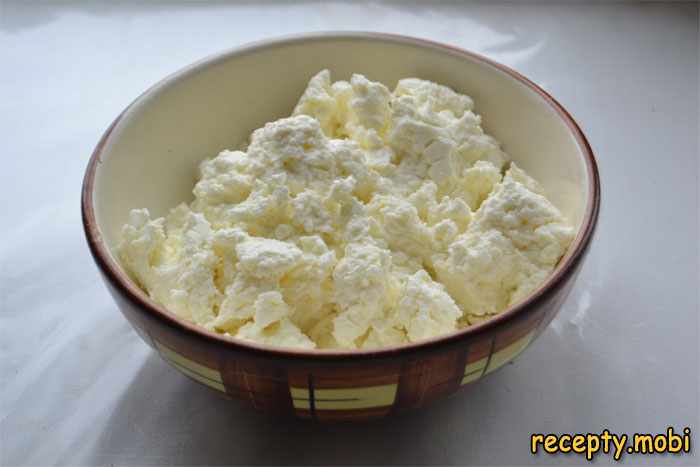
I choose cottage cheese that is fresh, full-fat and not sour – the success of the dish depends on it. The cottage cheese should be firm, with no whey. If it is wet, I wrap it in several layers of paper towel and put it in the fridge for an hour, so the excess moisture drains away. I mash the cottage cheese with a spoon, adding the sugar – it grinds down more easily that way. I add no more than 2 tablespoons of sugar, otherwise the pancakes will be too sweet and may burn during frying. I add the salt and vanilla sugar and grind everything until smooth.
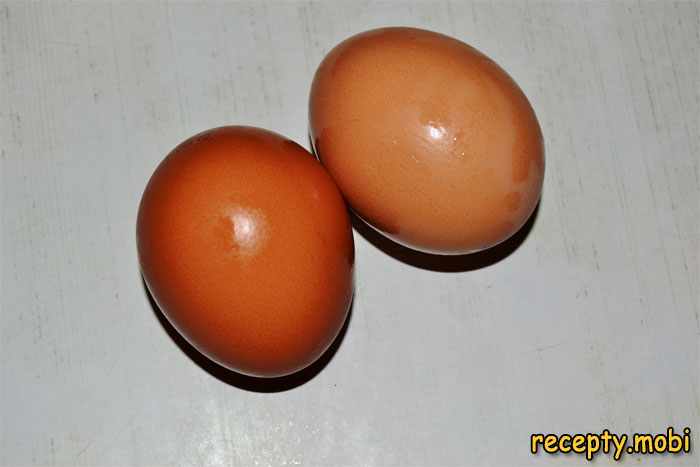
I take 2 small chicken eggs. It is important not to use large eggs – too much liquid will make the dough too wet and you will have to add a lot of flour.
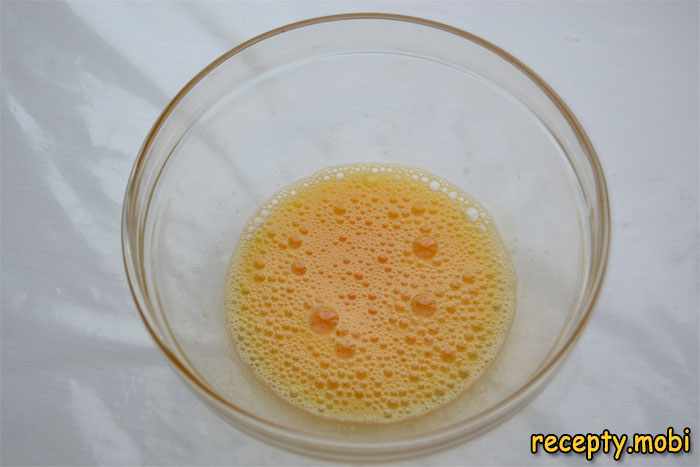
I beat the eggs with a whisk until smooth and pour them into the cottage cheese mixture. I mix thoroughly – the mass should become smooth and uniform.
I add the sifted flour in small portions, stirring as I go. It is important not to overdo the flour – there should be as little as possible, otherwise the pancakes will turn out dense and rubbery. The dough comes out pasty, slightly sticky, but pleasant to work with. I divide the dough into 8 equal pieces. I pour flour onto a plate and roll each piece in it, forming a ball. Then I shape it into a thick patty about 1.5 cm thick. I shake off the excess flour so it does not burn during frying.
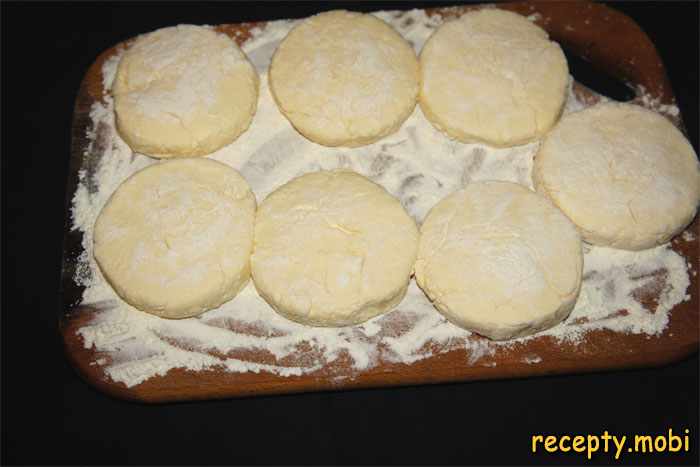
I choose a frying pan with a thick bottom – it heats evenly. I pour in vegetable oil generously – the pancakes should float in it, which is important for a golden crust.
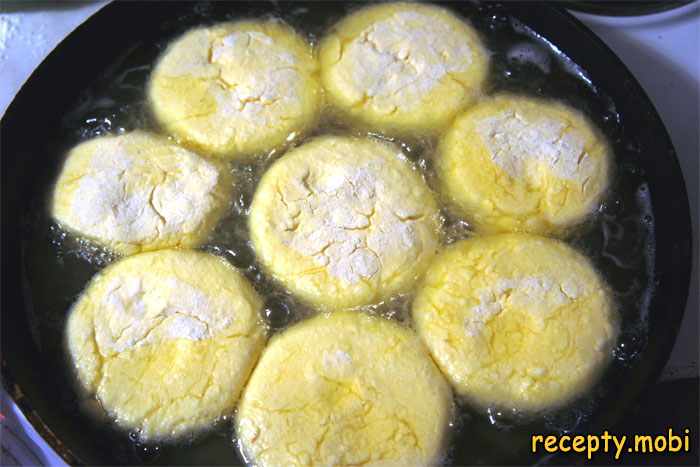
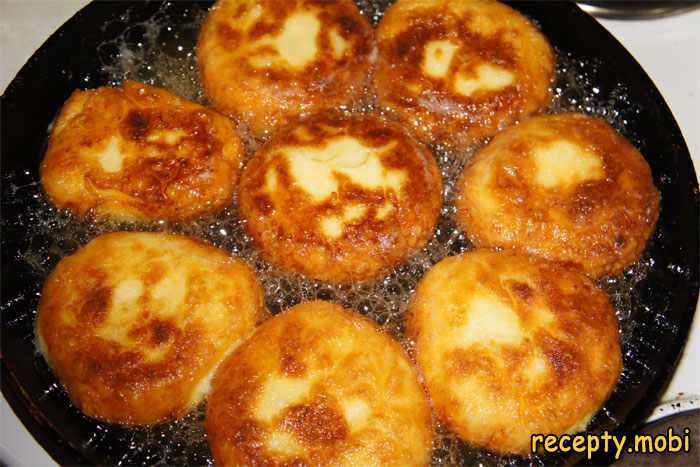
When the oil is well heated, I add the patties. I fry them over low heat, because the pancakes need to cook through inside, not just brown on the outside. First I fry one side until golden (about 3 minutes), then carefully turn them over.
I transfer the finished pancakes onto a paper towel – it absorbs the excess fat. This matters, because I fried them in a lot of oil.
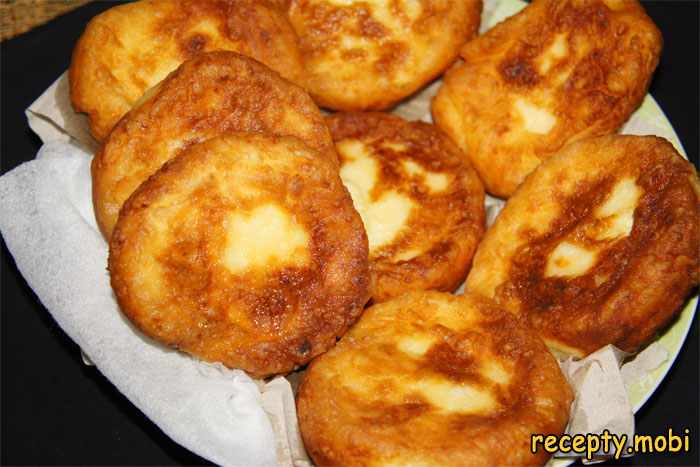
I serve the pancakes hot with jam, sour cream or fresh berries. Hot pancakes are the tastiest – with a crisp crust outside and a tender cottage cheese centre inside.
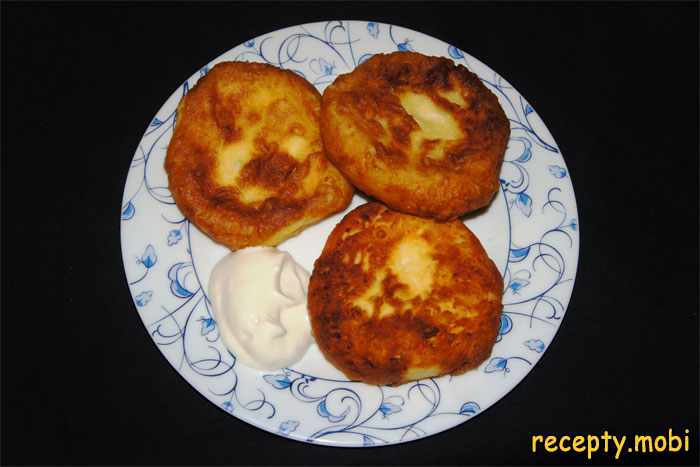


Tips
- 1
I choose firm cottage cheese with no whey – this determines how much flour you will need to add. The drier the cottage cheese, the fluffier the pancakes.
- 2
I do not add too much sugar – at most 2–3 tablespoons per 500 g of cottage cheese. Too much sugar makes the pancakes overly sweet and they burn.
- 3
I fry over low heat in a good amount of oil – this way the pancakes cook evenly and stay fluffy inside.
- 4
I coat the pancakes right before frying and shake off the excess flour, otherwise it burns and gives a bitter taste.
FAQ
Why do the pancakes fall apart during frying? +
Most likely the cottage cheese was too wet or too little flour was added. Another cause can be oil that is not hot enough – the pancakes then stick to the bottom.
Can the pancakes be baked in the oven? +
Yes, grease a baking tray with oil and bake at 180°C for 25–30 minutes, turning once. But the crust will not be as golden and crisp as when frying.
Exactly how much flour should I add? +
It depends on the moisture of the cottage cheese. Start with 2 tablespoons – if the dough is too runny, add a little more. The main thing is not to overdo it, so the pancakes stay tender.
Can the finished pancakes be frozen? +
Yes, once they have cooled completely, put them in a container and freeze. Reheat them in a frying pan without defrosting, 3–5 minutes on each side.
Why do the pancakes turn out flat instead of fluffy? +
You may have added too much flour, which made the dough dense. Or the cottage cheese was low-fat – for fluffiness you need full-fat cottage cheese of at least 5%.
- Comment
or post as a guest
Be the first to comment.