avg —
Mushroom cream soup from champignons

Instructions
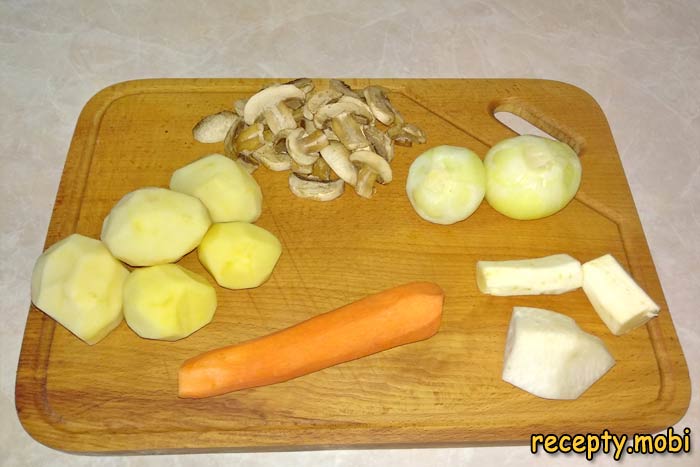
I prepare all the produce on the work surface: I peel the vegetables (potatoes, carrot, onion) and the root vegetables (celery, parsley, parsnip) and wash them thoroughly. I clean the champignons (200 g) of soil with a brush (I do not wash them in water – they absorb moisture) and cut them into thin slices 3–5 mm for a nice presentation in the finished soup.
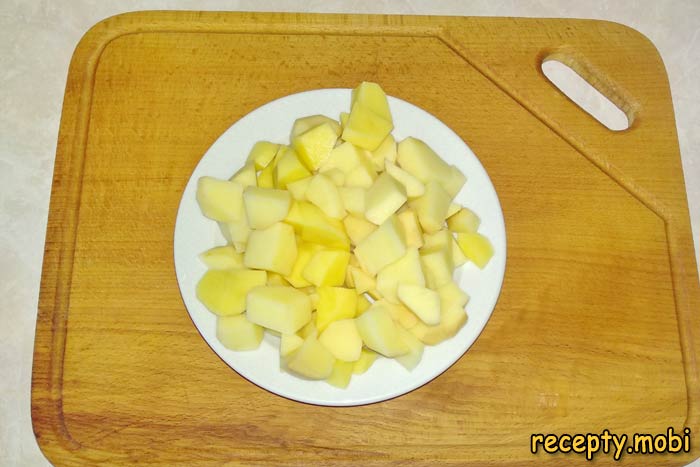
I cut the potatoes (5 pcs) into large cubes of 2–3 cm – the cut is not critical, as everything will be blended anyway. I use starchy potato varieties – they "thicken" the cream soup better. I do not recommend new potatoes – they have less starch and the soup will turn out "watery".
I shred the root vegetables (celery 50 g, parsley 40 g, parsnip 40 g) into thin sticks 5–7 mm – a fine cut ensures they soften quickly during frying and boiling. The root vegetables are the "soul" of the soup: they give a characteristic "rooty" aroma and sweetness, without which the soup would be "ordinary".
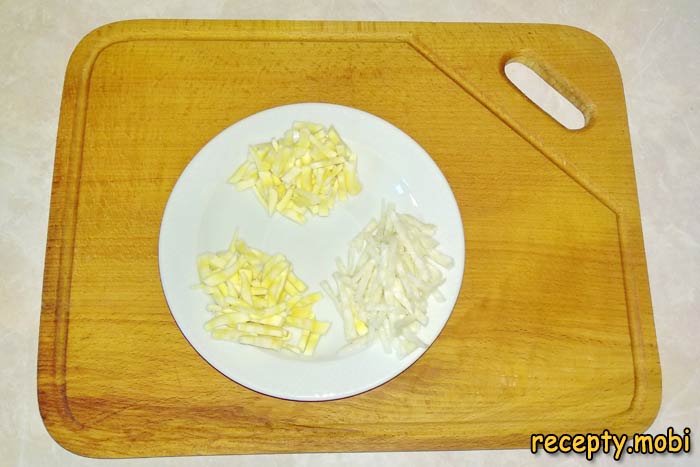
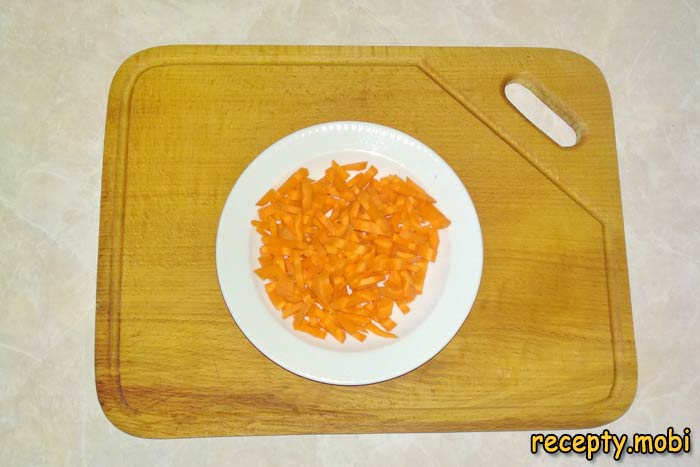
I also cut the carrot (1 pc) into thin sticks – the same size as the root vegetables for even frying. Sticks are better than grating in this recipe – they give the vegetables a "texture" that "disappears" when blended, but releases aroma during the sauté.
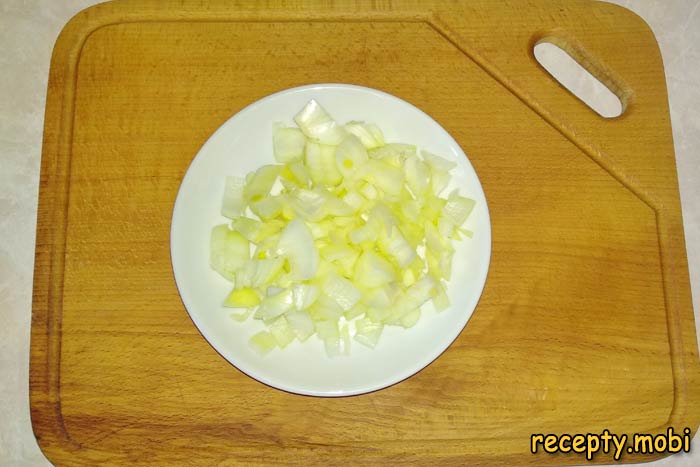
I cut the onion (2 pcs) freely, not too large (5–7 mm). The onion "sweetens" the cream soup and gives a basic "homely" flavour note. Without onion the soup would be "empty" – it is a crucial ingredient in any soup. Use good, firm onions without sprouts.
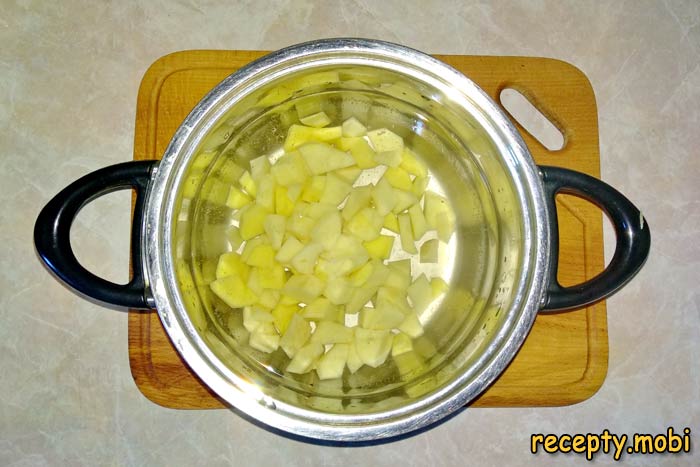
I place the chopped potatoes in a large pot, pour in 1.5 l of cold clean water, set it on the heat and bring to the boil. After it boils, I cook for 10–15 minutes until half-done – the potatoes should be softening but not falling apart. Cold water is the key to a rich vegetable broth.
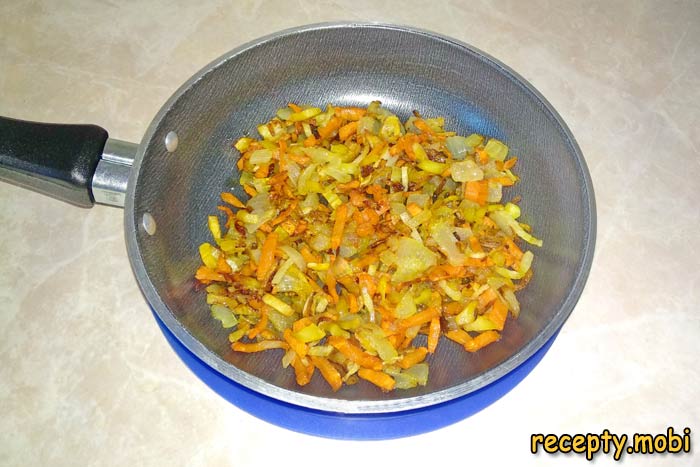
In parallel, I fry the onion, carrot and root vegetables in a pan with vegetable oil (1 tbsp) for 7–10 minutes until half-done and lightly golden – this will release the aromas. I transfer the ready sautéed vegetables and root vegetables to the potatoes in the pot and continue cooking for another 10–15 minutes until all the vegetables are fully done.
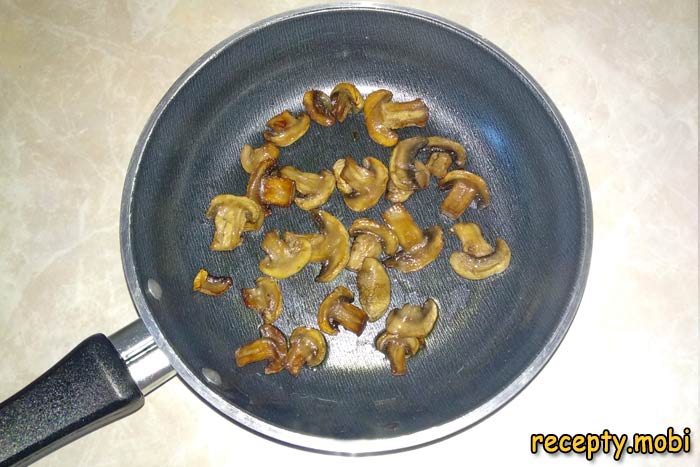
In a separate clean pan with vegetable oil (2 tbsp), I fry the champignons for 10 minutes until the mushroom liquid has fully evaporated and they are lightly golden. I fry the champignons separately – I do not mix them with the vegetables and do not add them to the soup yet. I set this portion of mushrooms aside for the final enrichment of the soup.
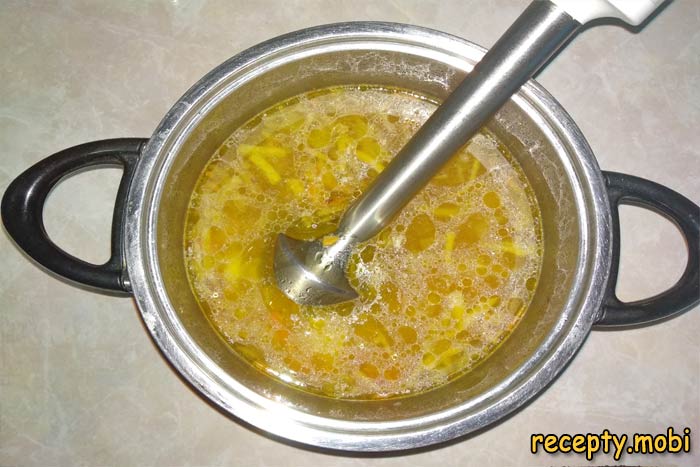
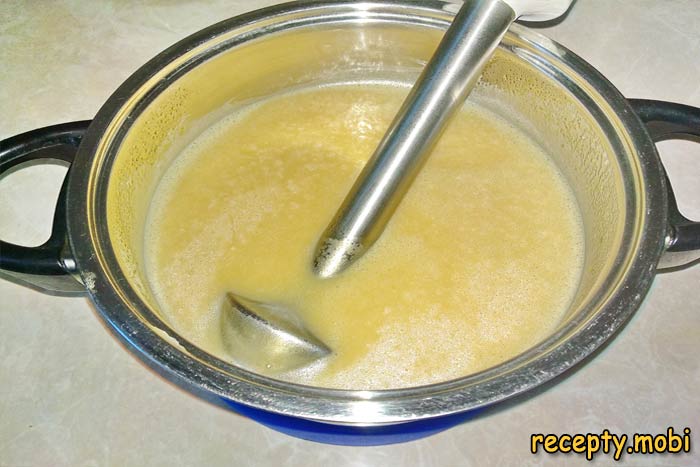
When the vegetables in the pot are fully done (easily pierced with a fork), I take the pot off the heat. I carefully blend the contents with an immersion blender right in the pot until completely smooth for 2–3 minutes – it should come out a tender, creamy consistency without lumps.
I return the pot to the heat, add the reserved fried champignons, and season with salt and pepper to taste. I do NOT blend the mushrooms into the soup – let them stay as whole slices in the tender purée, giving "texture" and mushroom aroma. I bring it back to the boil and remove from the heat.
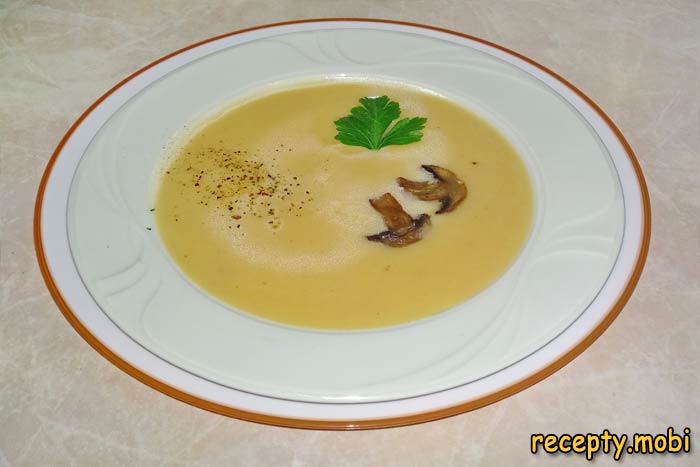
I pour the finished mushroom cream soup into nice deep plates or round serving bowls. I garnish each portion with finely chopped fresh parsley – bright green décor against the soft, creamy background. The mushroom cream soup from champignons with root vegetables is ready!


Tips
- 1
For a thinner soup, add more water or vegetable broth during cooking – adjust the consistency to taste.
- 2
Serve with homemade garlic croutons or crisps from Borodinsky bread – a crunchy contrast to the tender soup.
- 3
The root vegetables (celery, parsley, parsnip) give a characteristic "rooty" aroma – do not skip them in the recipe. I cook my pumpkin cream soup on a similar principle.
- 4
Add the mushrooms right at the end, already cooked, to preserve their texture – do not blend them with the vegetables in the blender.
FAQ
Can I make the soup without root vegetables? +
Yes, but the soup will lose part of its characteristic "rooty" aroma and nutrients. The root vegetables are the "secret" of a rich-tasting cream soup. If you do not have them – increase the amount of carrot (up to 3 pcs), add a piece of ginger root (1 cm) for spice, and you can use leek instead of onion. Without root vegetables the soup will be a more "ordinary" potato-and-mushroom one – tasty too, but less "restaurant-like". The minimum set of root vegetables is at least celery root, which is the most aromatic of them all.
Is the soup suitable for Lent? +
Yes, the mushroom cream soup is a fully Lenten dish with no animal products. It is ideal for Great Lent, the Nativity Fast and other fasting periods of the church calendar. It also suits vegans, vegetarians and people with lactose intolerance. For a strict fast in the first and Holy Week, cook it on water without oil. On ordinary fasting days, use vegetable oil – it gives heartiness and flavour. Champignons are a safe mushroom option, available year-round with no seasonal restrictions.
What can replace the champignons in the recipe? +
Any cultivated or wild mushrooms will do: oyster mushrooms (a "meatier" taste), portobello (large brown champignons), porcini (a classic for mushroom soup, with a richer aroma), red-cap and birch boletes (wild mushrooms for an authentic "woodland" aroma), chanterelles (a special "fruity" aroma). Dried porcini (50 g dried = 200 g fresh) are a winter option with a concentrated flavour, but they need soaking for 2 hours. For a "meaty" version, add chicken or turkey (200 g) – extra protein and heartiness.
How long does the finished cream soup keep? +
The finished mushroom cream soup keeps in the refrigerator for up to 3 days in a tightly closed pot. On the second day the flavour becomes richer – the flavours finally come together. Before serving, reheat it on low heat until fully warmed through, stirring constantly (tender purées can "catch and burn"). Do not bring it to the boil repeatedly – this worsens the flavour. You can freeze it in portions for 2 months in airtight containers – before eating, fully defrost it in the refrigerator and bring it to the boil. It is ideal for batch cooking for the working week.
- Comment
or post as a guest
Be the first to comment.