avg —
Rassolnik with Barley and Pickled Cucumbers – Classic Recipe

Instructions
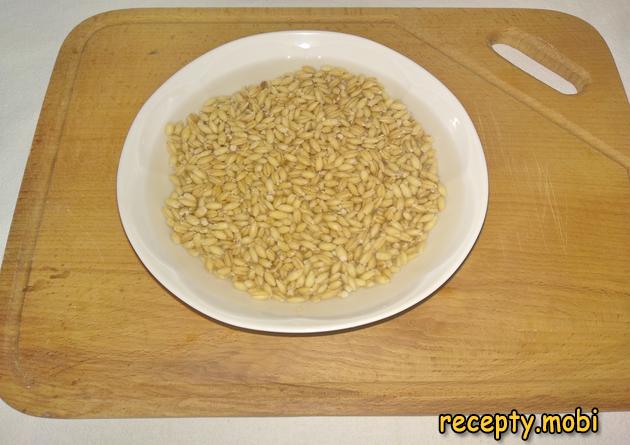
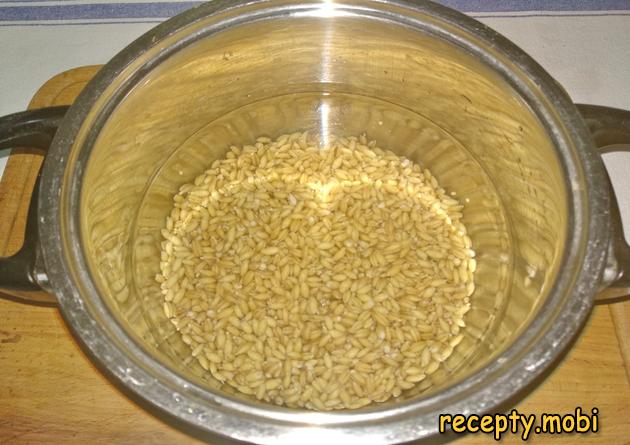
I start by preparing the pearl barley – the KEY ingredient of rassolnik. The evening before cooking, I put the barley (100 g) into a bowl and cover it with cold water about 2–3 cm above the level of the grain. I leave it to soak for 8–12 hours (overnight). Soaking cuts the cooking time from 1.5 hours down to 30 minutes and makes the grain more tender.
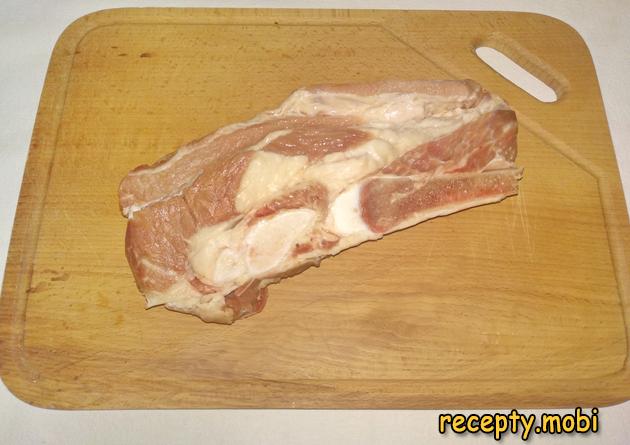
The next day I make the meat broth. I choose a good-quality piece of beef on the bone (900 g) – brisket, shank, or shoulder with a bone. The bone gives a rich broth with gelatinous collagen. I wash the meat thoroughly under cold water.
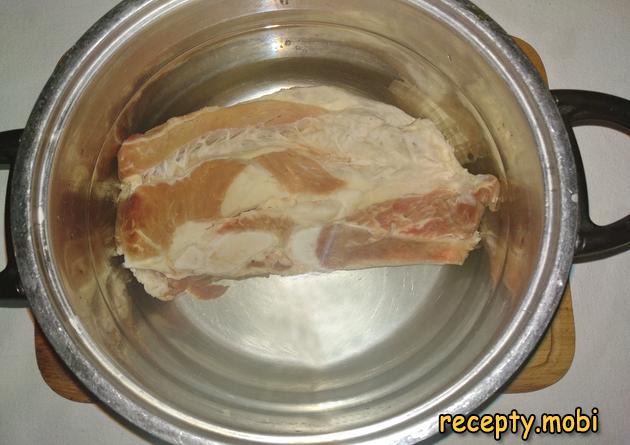
I transfer the meat to a large pot (5–6 l) and pour in 3 litres of clean cold water. Cold water is the "secret" to a clear broth: as it heats slowly, the meat releases its juices into the water. If you drop it into hot water, the meat "seals up" and the broth turns out "empty". I put the pot on medium heat and bring it to a boil. I always skim off the grey foam that forms with a slotted spoon – it is coagulated protein and impurities that would make the broth cloudy. I reduce the heat to low and simmer for 1 hour until the meat is completely tender.
Meanwhile, I prepare all the other ingredients from the list. I rinse the barley that soaked overnight under running water – this removes the "slime" from soaking. I transfer it to a separate small pot, cover it with clean water, and cook over medium heat for 30–40 minutes until completely soft.
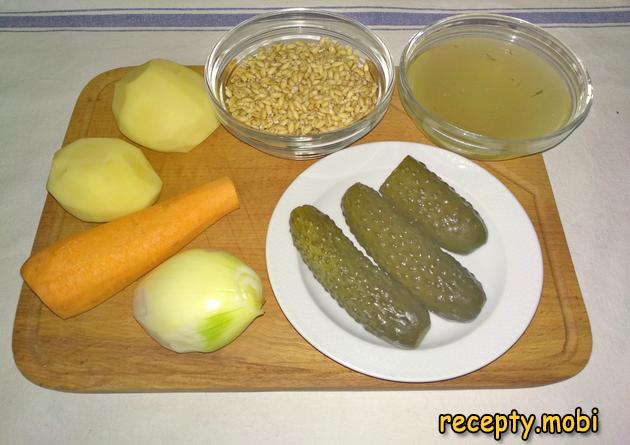
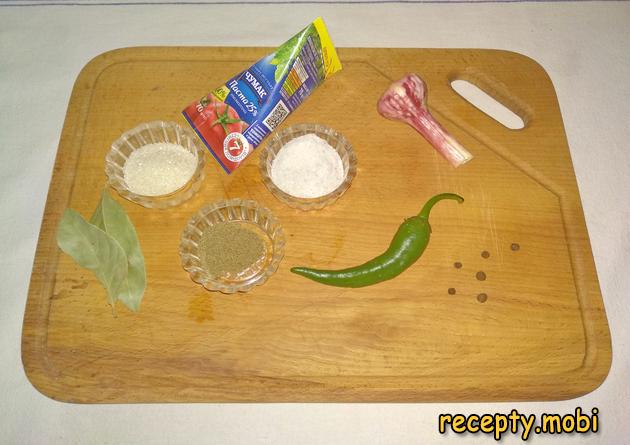
I prepare the spices, salt, and sugar. Plus one tablespoon of tomato paste for a nice colour and a sweet-and-sour flavour.
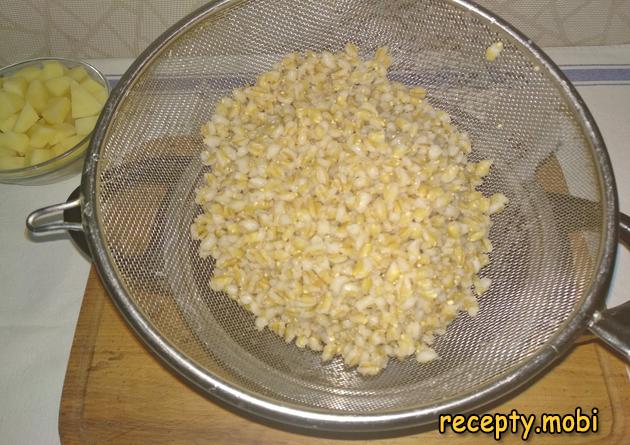
I drain the cooked barley in a colander and rinse it again under running water – this removes the last of the slime and stops the grains "sticking together". The finished barley is soft and springy, with separate grains that do not clump into a solid mass. I set it aside.
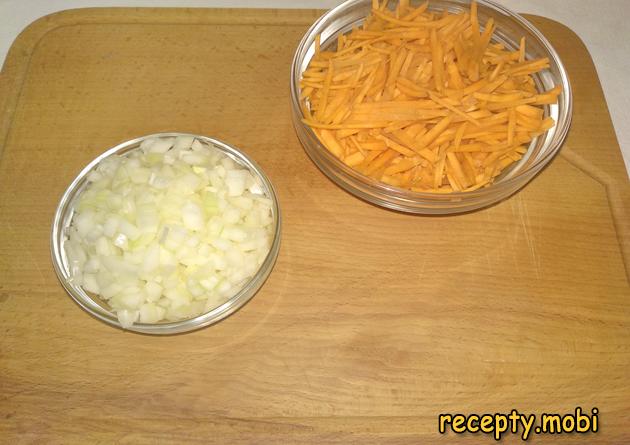
I peel the onion (350 g, 1 large) and cut it into medium cubes of 5 mm. I peel the carrot (250 g, 1 large) and cut it into thin strips, or grate it on a Korean-style julienne grater for a nice presentation.
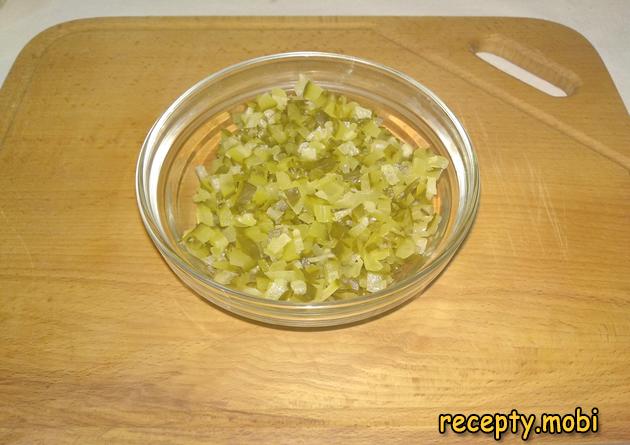
I cut the pickled cucumbers (3 pieces, 350 g total) into small cubes of 5–7 mm – a fine dice spreads evenly through the soup. I wash the parsley thoroughly and chop it finely. I peel the garlic (1 clove) and put it through a press or chop it finely.
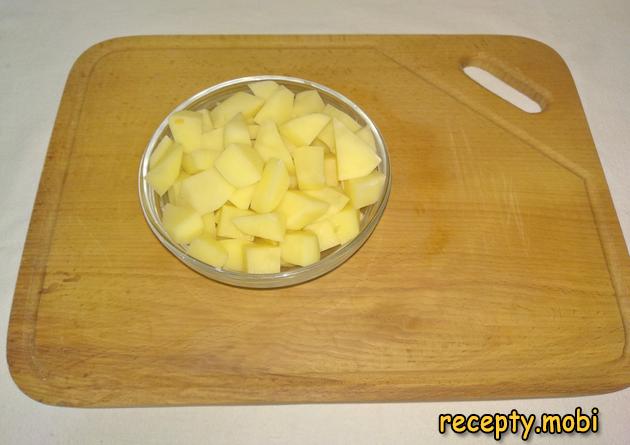
I peel the potatoes (400 g) and cut them into medium 1 cm cubes – just as for a regular soup. The size matters: a fine dice "falls apart" into mush, while large pieces take too long to cook.
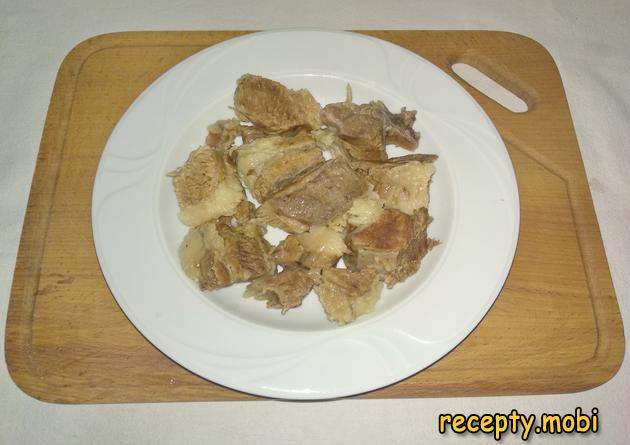
After 1 hour the beef in the broth is ready. I lift the meat out of the pot with a slotted spoon and let it cool slightly. I cut the meat into portion-sized 2 cm pieces and return them to the broth. If you like, strain the broth through a sieve for clarity.
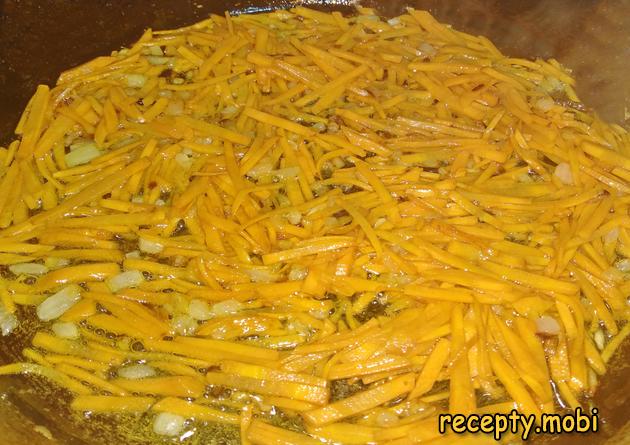
In a separate skillet with vegetable oil (3 tbsp), I sauté the onion over medium heat for 5–7 minutes until translucent. I add the carrot and cook together for another 5 minutes until soft. The vegetables should "bloom" in the hot oil – this gives the soup an orange colour.
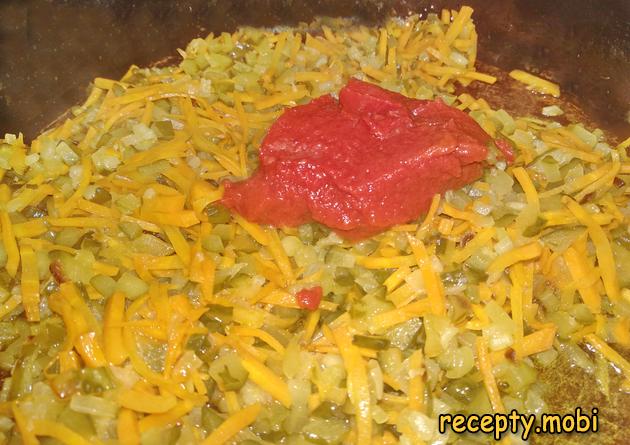
I add the diced pickled cucumbers to the sautéed vegetables and mix thoroughly. I cook them together for 3–4 minutes – the cucumbers soften a little and release their aroma. Straight away I add the tomato paste (1 tbsp) for a nice colour and a sweet-and-sour flavour.
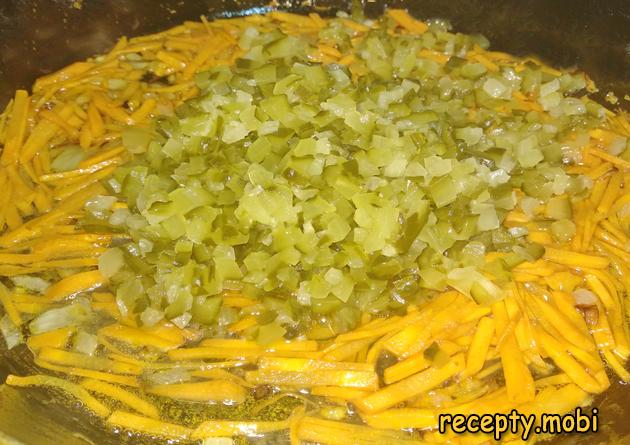
I pour in a little water or broth (100 ml), reduce the heat, and leave the vegetables to simmer under the lid for 30 minutes. During this time the flavours come together and the vegetables become as soft as possible.
Meanwhile, the meat has finished cooking in the broth (covered in the steps above). I add the boiled barley and the diced potatoes to the ready meat broth. I cook over low heat for 15–20 minutes UNTIL THE POTATOES ARE FULLY COOKED. CRUCIAL: until the potatoes are done, do NOT add the pickled cucumbers. The acid from the cucumbers will make the potatoes "wooden".
When the potatoes are fully cooked (a knife goes in easily without resistance), I add the sautéed vegetables from the skillet (carrot, onion, cucumbers, tomato) to the pot and mix thoroughly. I add the chopped garlic, the bay leaf (2 pieces), the allspice peppercorns (5 pieces), and the ground black pepper (½ tsp). I salt to taste (remember – the pickled cucumbers and brine are already salty, so do not over-salt!) and add the sugar (1 tsp) to balance the flavour. I cook the soup for another 10 minutes over low heat. Right at the end I pour in the cucumber brine (400 ml) and bring it to a boil. I cook for another 5–7 minutes until the flavours fully come together.
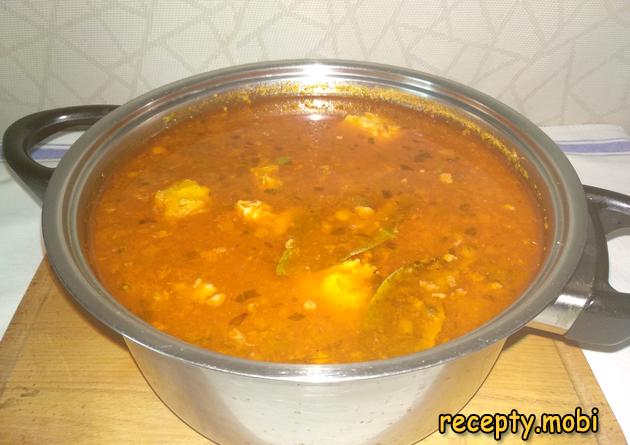
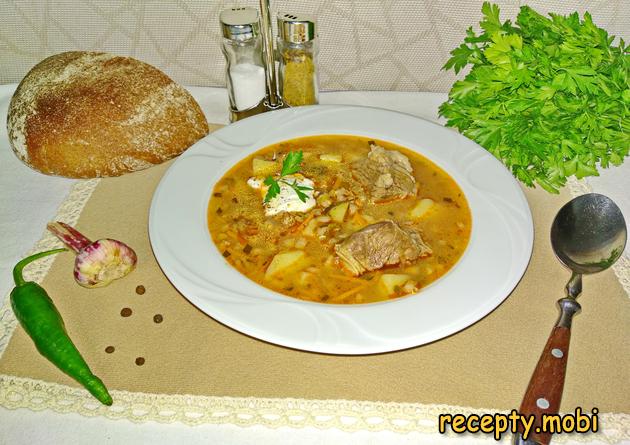
I take the pot off the heat and let it rest for 10 minutes under the lid – the flavours come together completely. The rassolnik with pearl barley and pickled cucumbers is ready! I serve it hot in individual bowls with 20% sour cream and a generous amount of chopped parsley. It is perfect with dark Borodinsky bread.


Tips
- 1
Add the pickled cucumbers and the brine ONLY AFTER the potatoes are cooked – the acid from the cucumbers will make the potatoes "wooden".
- 2
Soak the pearl barley overnight – this cuts the cooking time from 1.5 hours down to 30 minutes.
- 3
Cover the meat with COLD water – this gives a rich broth. I cook borscht with beef on a similar principle.
- 4
Skim off the foam at the start of cooking the broth – this is the "secret" to a clear broth without cloudy flakes.
FAQ
Can I replace the pearl barley with another grain? +
Yes, rassolnik can be made with different grains. Rice (½ cup) is the "St Petersburg" classic of rassolnik, a more "delicate" version that cooks in 15 minutes without soaking. Buckwheat (½ cup) is an unusual version with a rich, "earthy" flavour and cooks in 15 minutes. Bulgur (½ cup) is a quick option that cooks in 10 minutes. Millet (½ cup) gives a "rustic" character and needs thorough rinsing. No grain at all – with an increased share of potatoes. Pearl barley is the "classic" choice for a Russian rassolnik because of its rich texture and characteristic "peasant" flavour.
What can replace the beef broth in rassolnik? +
Suitable options are: chicken broth (lighter, cooks faster – 30–40 minutes), pork broth (richer and fattier), turkey broth (lean), a mixed beef and pork broth 50/50 (the classic "Russian" version), or a broth made from beef offal (tongue, heart, liver). For a meat-free version – a vegetable broth with button mushrooms (200 g) or dried porcini (100 g) for a "meaty" note. Each broth gives its own character. Beef on the bone is the "canon" of Russian rassolnik because of its rich flavour and gelatinous collagen.
How long does the finished rassolnik keep? +
The finished rassolnik keeps in the refrigerator for up to 4 days in a tightly closed pot. On the second or third day the flavour is even richer – the barley soaks up the meat broth and the tangy cucumber note as much as possible. Before serving, reheat it in the pot over low heat until it comes to a boil – this "Russian" soup is best served hot. Do not reheat it in the microwave, as the barley "falls apart". It can be frozen for 1 month in airtight containers – before eating, defrost it fully in the refrigerator for 8 hours and warm it through. A handy lunch "to take to work".
What to serve rassolnik with? +
It is perfect as a standalone hot first course with 20% sour cream and freshly chopped parsley. Rassolnik goes well with dark Borodinsky bread (a Russian classic), wheat bread with caraway, garlic croutons, or homemade pastries with herbs. For appetisers – pickled cucumbers, sauerkraut, or marinated mushrooms. For a "hearty" lunch – with 40% vodka or light beer. For a family meal – with compote, fruit drink, or homemade kvass. As a second course, serve the meat from the broth with buckwheat or mashed potatoes. Perfect for a Russian winter lunch in the cold season.
- Comment
or post as a guest
Be the first to comment.