avg —
Makhshurda in Uzbek Style

Instructions
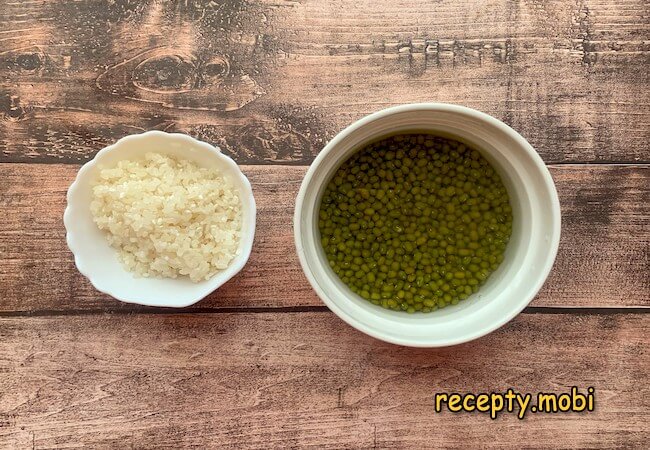
Prepare the grains. Sort the mash (it often has small stones), rinse it and leave it in warm water. Rinse the rice too and leave it until it is time to cook.
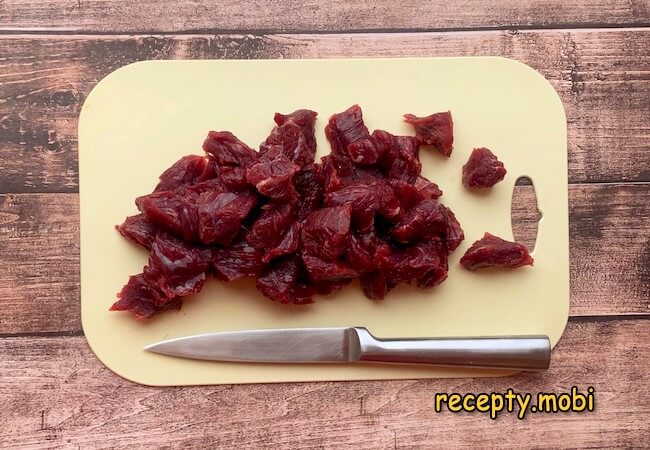
Trim any excess from the rinsed meat and cut it into medium cubes. Important: no water should drip from the meat – be sure to pat it dry with paper towel.
Peel the onion and chop it into medium cubes – do not chop it too small, or it will burn over high heat. Remove the stem and seeds from the bell pepper and cut it into cubes.
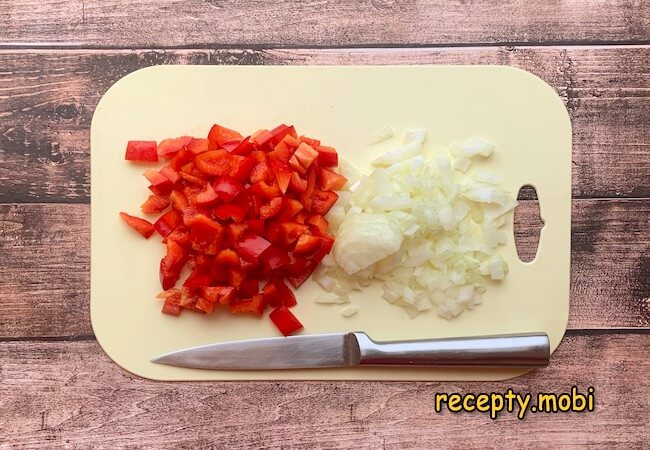
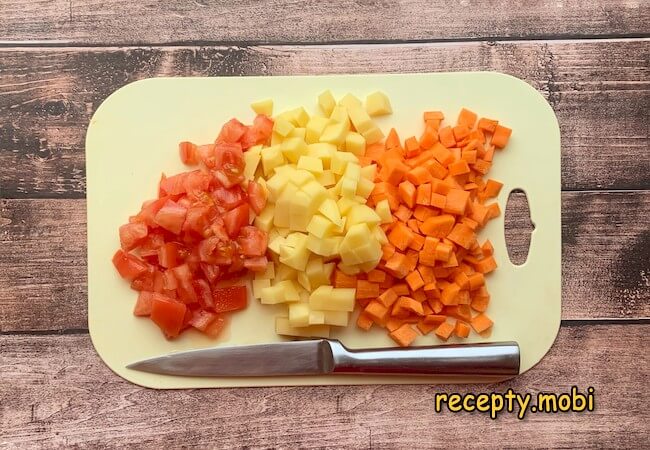
Peel the carrot and potato and chop them into small cubes, rinsing the potato to remove excess starch. Cut the tomato the same way; there is no need to remove the skin beforehand.
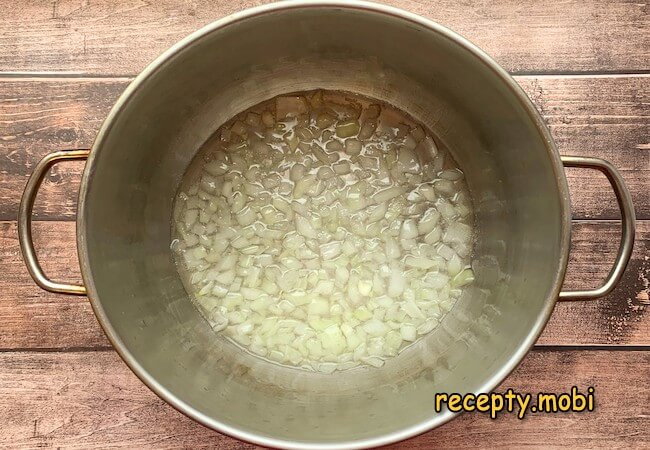
It is best to cook this soup in a kazan, but a deep frying pan or a thick-bottomed pot will also do. Heat vegetable oil over high heat – you need about 70 ml. Sauté the onion until lightly golden, 1–2 minutes.
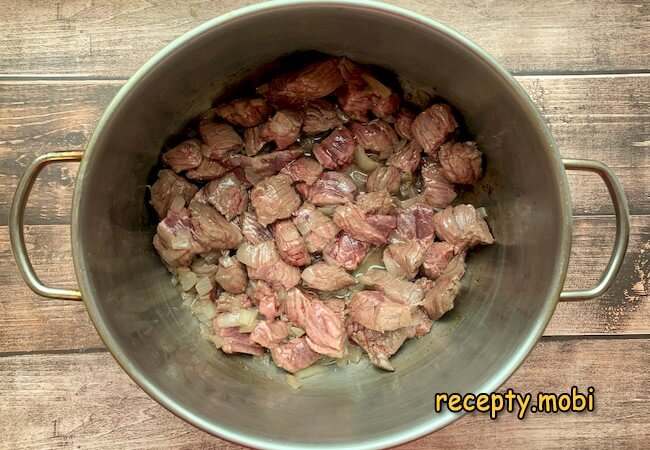
Add the meat and fry over high heat without a lid, stirring occasionally. The meat should fry until the moisture evaporates and it turns golden brown.
Add the tomato with all its juices to the meat. Fry the soup base for about 5 minutes – the tomato will soften and turn into something like a paste. If nothing is burning, do not reduce the heat.
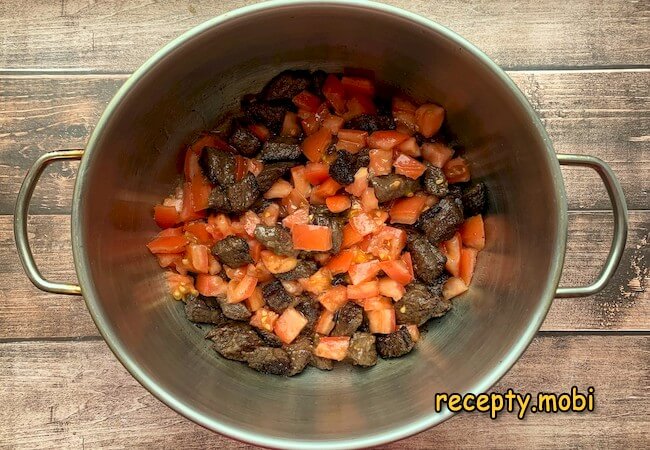
Add the bell pepper – any colour. Fry for about 3 minutes, remembering to stir.
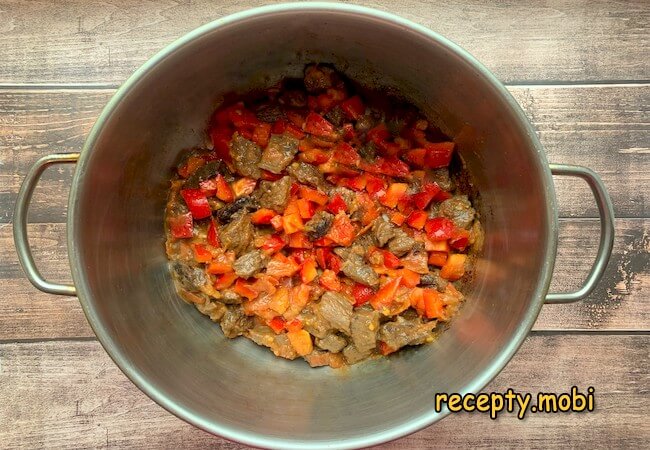
Next add the carrot and fry for another 3 minutes. There is no need to over-fry it – the main thing is to bring out the aroma. Once the carrot has softened, add a spoon of good-quality tomato paste and fry for 3–4 minutes, stirring constantly.
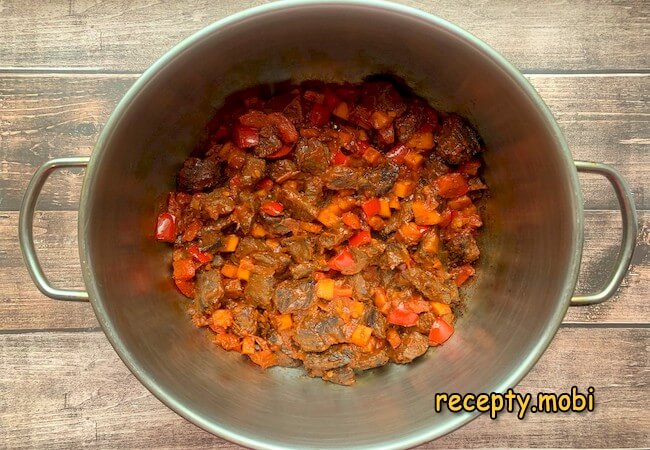
Once the vegetables have "made friends" and the moisture has evaporated, pour in cold drinking water. Cover the pot with a lid and wait for it to boil.
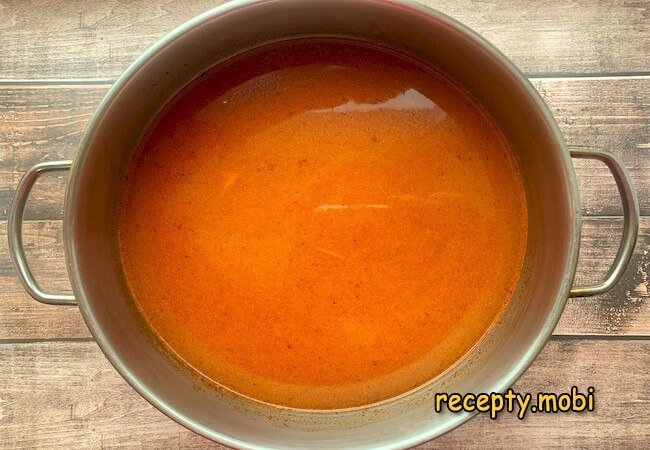
Skim off the foam – it brings all the burnt residue and excess fat to the surface. Drain the swollen mash and add it to the soup. Cover with a lid, reduce the heat and wait 30 minutes, until the mash grains burst.
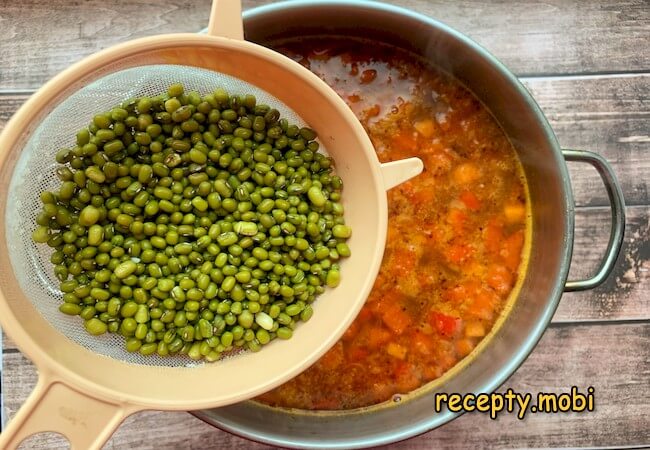
Add the potatoes and the rinsed rice. It is best to use round-grain, unsteamed rice – as in traditional recipes. Cover with a lid, cook until it boils, then add salt, black pepper (or other spices) and paprika.
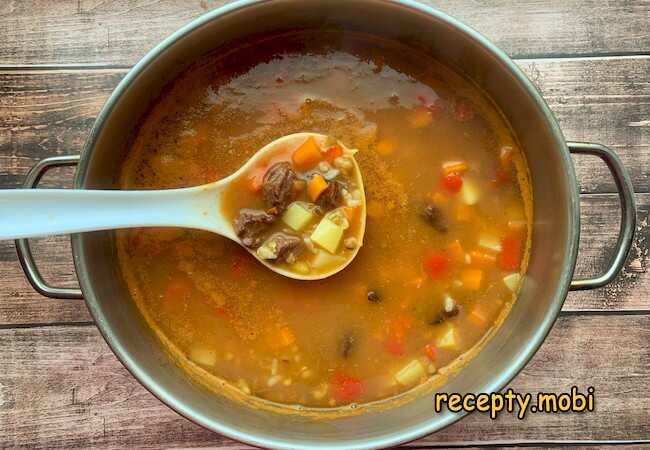
Cook the soup until the potatoes are done, about 15 minutes. Meanwhile, finely chop a bunch of herbs (any kind). Turn off the heat, add the finely chopped garlic and part of the herbs. Cover with a lid and let it steep for 5 minutes.
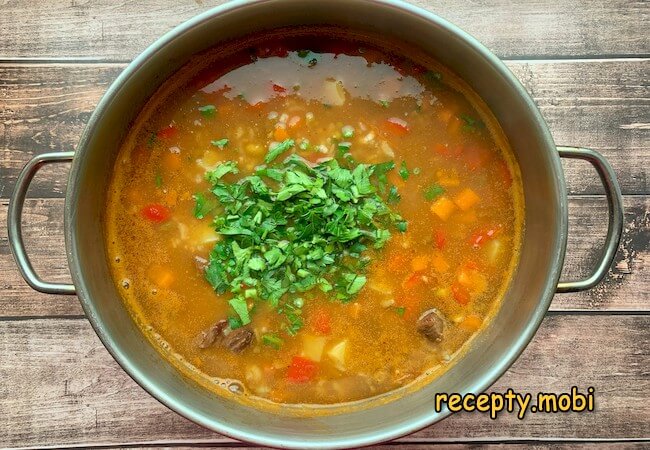
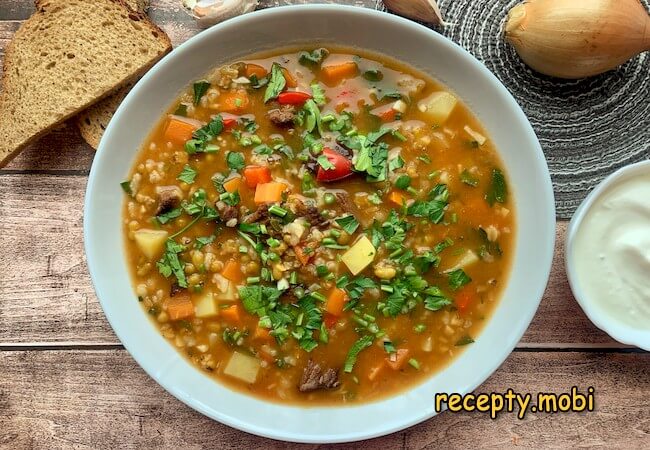
The Uzbek mashkhurda turns out very rich and thick. This dish can be eaten over several days – once it has steeped, it becomes even tastier. To serve, add the rest of the fresh herbs. Traditional fermented milk drinks – matsoni and katyk – go perfectly with it. Try adding some tasty Uzbek classics to your lunches!Enjoy your meal!


Tips
- 1
SOAK THE MASH beforehand in warm water for 30–60 minutes. Then it will cook down faster in the soup and the grains will burst more evenly.
- 2
FRY THE MEAT UNTIL CRISP – this "seals" the meat juices inside rather than releasing them into the broth too soon. It gives a richer flavour.
- 3
PLENTY OF OIL (70 ml) – this is the Uzbek norm. The oil "coats" the vegetables and gives the characteristic flavour. There is no need to reduce it.
- 4
LET IT STEEP FOR AT LEAST 5 MINUTES under the lid after removing it from the heat – the flavours will come together and the garlic will open up. The same principle works in other thick Eastern soups.
FAQ
Where can I buy mash, and what is it? +
Mash (mung bean) is a small green bean popular in Central Asia, India and China. Look for it in supermarkets in the grains aisle (the "national cuisine" section), at markets from spice sellers, or in Indian and Uzbek shops. Check that the grains are whole and bright green, with no debris or little holes left by weevils. Brown mash has sprouted and is of poorer quality. For mashkhurda you need exactly the green, polished mash. The shelf life is 2 years in a dry place. Do not keep soaked mash longer than 12 hours – it starts to ferment.
Which meat is best? +
The classic choice is lamb (authentic for Uzbek cuisine), but beef also works very well. For lamb, use bone-in flesh (ribs, neck); for beef, use shoulder, neck or brisket. Pure tenderloin is too lean and the broth will not be rich. Pork is "off-canon" (Uzbekistan is a Muslim country), but you can use it for a home experiment. The pieces should be medium (2–3 cm) – small ones will dry out and large ones take a long time to cook. For a "quick version", use a ready broth set or mince. Good-quality meat is the foundation of the flavour of mashkhurda.
How long does mashkhurda keep? +
In the fridge in a covered pot it keeps for 3–4 days. The next day the flavour is brighter – this is one of the soup's "highlights". The mash and rice steep, and the aroma of garlic and herbs spreads through it. Reheat over low heat, and if needed dilute with water (the soup "thickens" overnight). In the freezer it keeps for up to 1 month; defrost it in the fridge for 12 hours. The potato can become "watery" after thawing – freeze the soup without the potato and add it freshly cooked when reheating. The ideal "make-ahead" option is to cook a double portion and freeze it.
What to serve mashkhurda with? +
The Uzbek classics: with matsoni or katyk (fermented milk drinks – an essential accompaniment), with "patyr" flatbread or lavash. With green tea, which balances the richness. With spicy adjika or "ulem" tomato sauce. With fresh herbs on serving – cilantro, parsley, spring onion, mint. For a hearty meal, with Uzbek samsa or flatbread with sesame seeds. With cold ayran in hot weather, which is wonderfully refreshing. For guests, serve it in traditional ceramic dishes (a kasa or piala bowl), which highlights the Eastern character of the dish.
- Comment
or post as a guest
Be the first to comment.