avg —
Dumpling and Potato Soup – Simple and Quick Recipe

Instructions
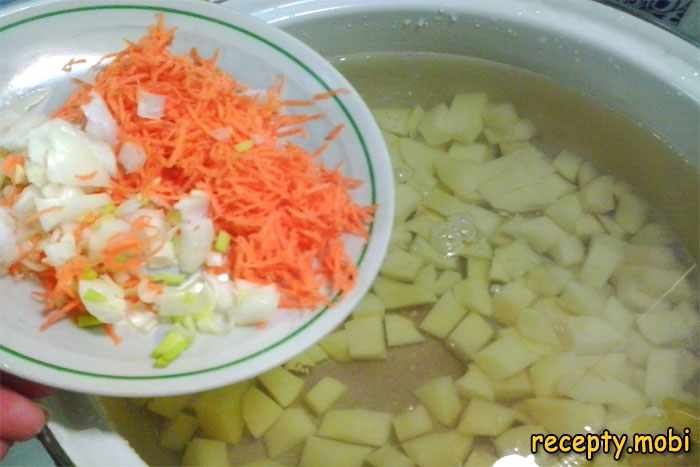
Wash the potatoes (5–6 tubers) well under running water and peel them. Cut into medium 1.5–2 cm cubes – this size is best for soup: small pieces boil down to mush, large ones take too long to cook. Put the potatoes in a pot with cold water (3 l), add a quarter of a finely chopped onion and carrot to flavour the broth. Bring to a boil over high heat, reduce to medium and cook with a slightly opened lid for 10–15 minutes until half-cooked.
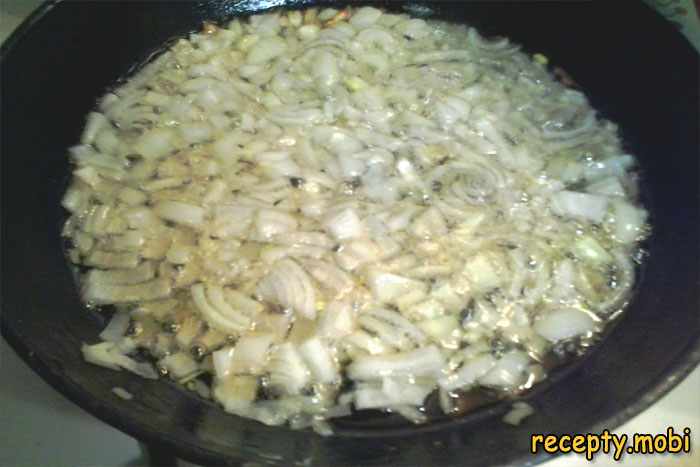
For the homemade saute, finely chop the rest of the onion (75 g) and sweat it in 60 ml of heated vegetable oil for 3–4 minutes over medium heat until soft and translucent. Glassy onion gives the broth sweetness and aroma.
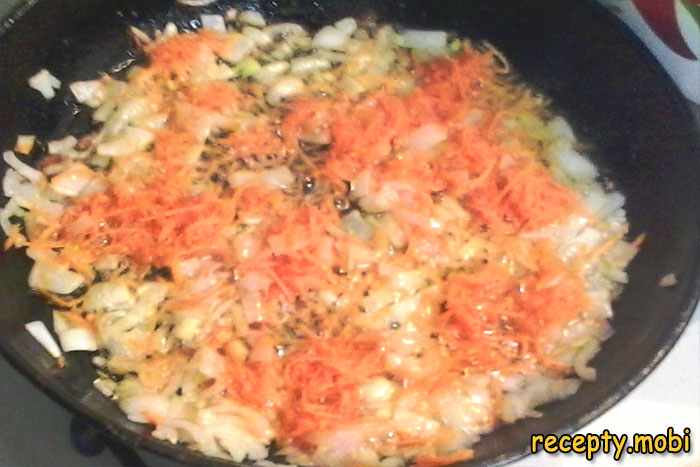
Add carrot grated on a coarse grater (75 g) to the sweated onion and fry until the vegetables turn golden, 3–4 minutes. If you like, you can add diced bell pepper for colour and vitamins.
For extra aroma, add sprigs of dill, parsley and celery tied with thread to the boiling broth – this is a classic French technique, the bouquet garni. Be sure to remove the sprigs before seasoning the soup with the fried vegetables, so they do not end up in the bowls.
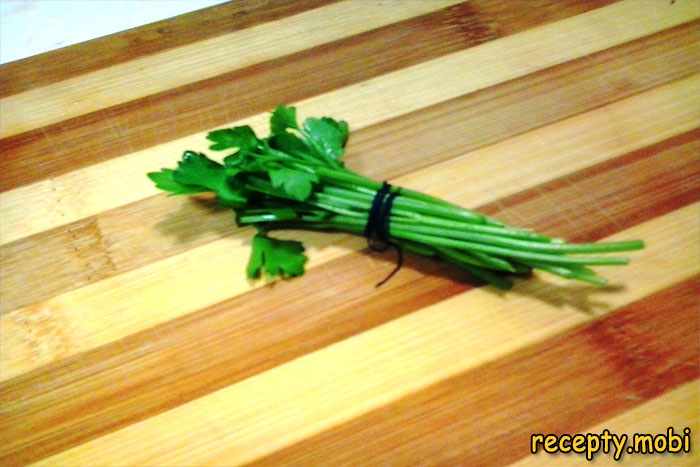
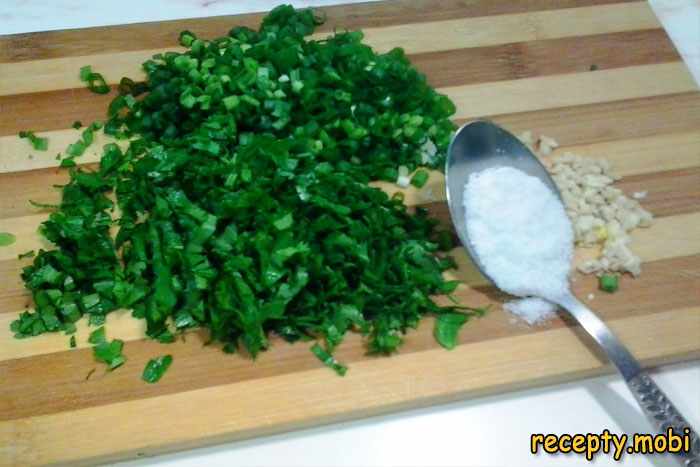
Prepare an aromatic green dressing for the finish. Finely chop 1 clove of garlic, a few sprigs of spring onion, dill and parsley leaves on a cutting board. Sprinkle with a pinch of salt and chop well with a knife until you get a fine, fragrant mass – the salt helps release the essential oils from the herbs.
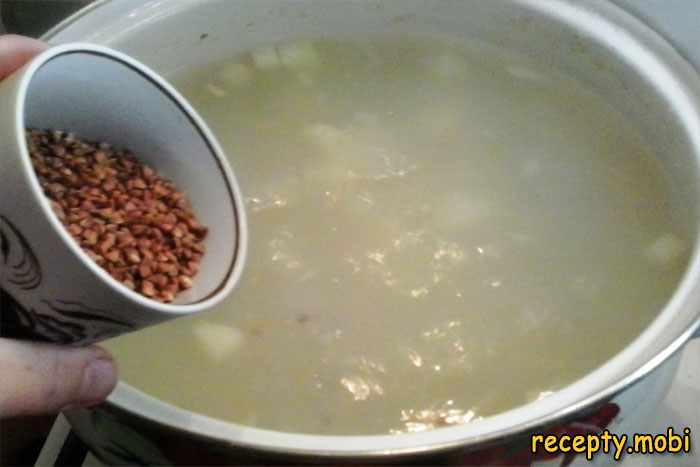
When the potatoes are half-cooked, add ½ cup of rinsed buckwheat groats to the broth – rinsing removes dust and bitterness. Cook for about 10 minutes until the buckwheat is done – it should become soft but not boil down into porridge. Buckwheat makes the soup thick and filling.
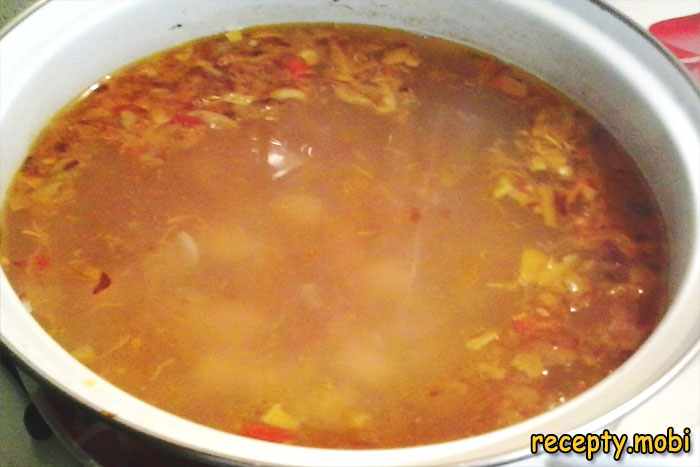
Then add the prepared fried vegetable dressing to the soup and let it simmer for 5 minutes over medium heat – the sauteed onion and carrot will give their sweet aroma to the broth and lend it a characteristic orange tint.
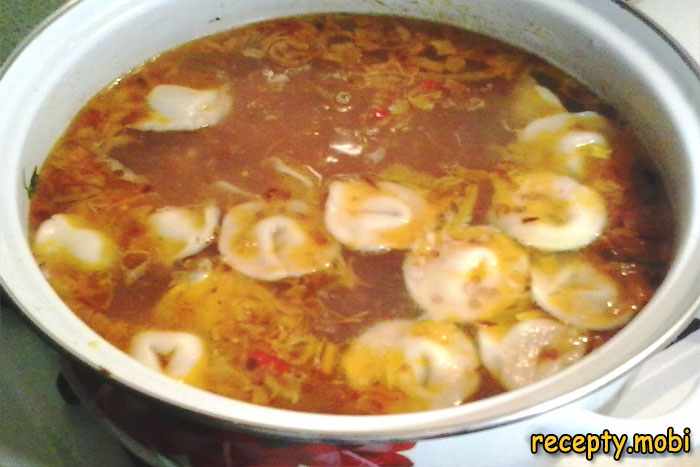
Add the dumplings (20–24 pcs) gradually, 5–6 at a time, gently stirring the soup after each batch – this keeps them from sticking into a lump at the bottom. Cook for 5–7 minutes until done – the dumplings will float to the surface, which means they are ready. Do not overcook them, or the dough will fall apart.
Add 1 bay leaf and 1–2 teaspoons of spice mix for first courses to the soup. A minute before the end of cooking, stir in the prepared chopped herbs with garlic and salt. Let the soup come to a boil with the lid open for 30 seconds and turn off the heat at once. Leave it to rest for 5 minutes under a closed lid – the aromas will open up.
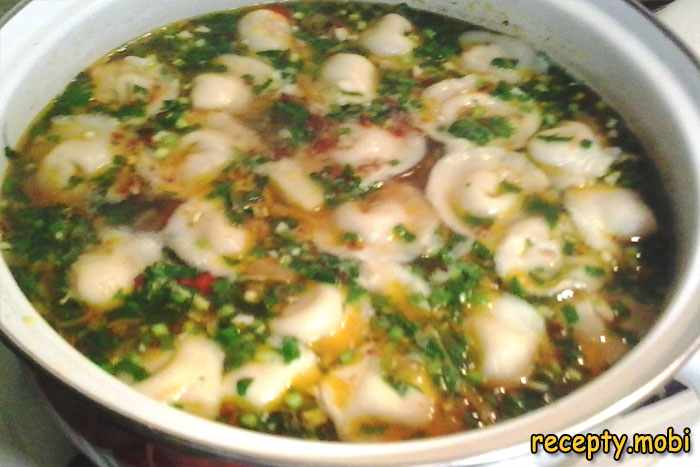
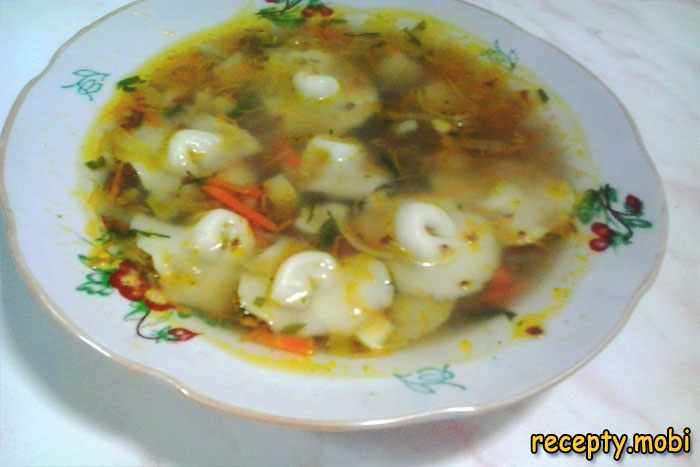
Serve the hot homemade dumpling and potato soup in deep bowls with a spoonful of sour cream or mayonnaise in each. A slice of dark bread with garlic is the classic accompaniment. The taste is rich, hearty and cosy in a homely way.


Tips
- 1
Add the dumplings to the soup last of all – that way they will not overcook and will keep their shape. 5–7 minutes after the soup returns to a boil is enough. Overcooked dumplings fall apart and spoil the broth.
- 2
Instead of buckwheat groats you can use rice (½ cup of round or basmati), millet (½ cup, rinsed beforehand), pearl barley (boil it until half-cooked for 30 minutes first) or vermicelli. Each grain gives its own flavour note.
- 3
Be sure to remove the bunch of tied herbs (dill, parsley, celery) from the broth before seasoning the soup – it has given up its aroma and is no longer needed. This is the classic professional bouquet garni technique.
- 4
Serve the soup hot with 20% sour cream or mayonnaise, fresh herbs and a slice of homemade bread with garlic – that is the tastiest way. Rye bread croutons also work well.
FAQ
Can I make the homemade soup without grains? +
Yes, if you do not use buckwheat or rice, simply increase the amount of potatoes to 7–8 tubers – they will thicken the broth. The soup will be less rich but no less tasty. For thickness you can also add ½ cup of fine vermicelli 3 minutes before the dumplings, or 100 g of grated carrot. Without grains the calorie content drops from 118 to 95 kcal per 100 g – a diet option. For heartiness, use more dumplings (up to 30 per 3 l of broth) – this makes up for the lack of grain.
Which dumplings are best for soup? +
Ideally, homemade dumplings made from good-quality meat (pork and beef or chicken) with thin dough. If buying ready-made, choose premium ones with a clear composition: at least 50% meat, no soy or flavour enhancers. Small dumplings (Uralskie, Sibirskie) hold their shape in soup better than large ones. Meat-filled vareniki or small manti will also do. Do not use dumplings with very thin, runny dough – they fall apart in the boiling broth. The main rule is not to overcook the dumplings: 5–7 minutes is enough, otherwise the dough will boil to pieces.
How long does the finished dumpling and potato soup keep? +
In the refrigerator, in a covered pot, for up to 2 days. When reheating, the dumplings may swell a little and absorb the broth – this is normal, not a sign of spoilage. Just add 100–200 ml of hot water or boiling water when reheating to restore the consistency. On the third day the dumplings finally fall apart – such soup should no longer be served. Finished dumpling soup cannot be frozen – the dumpling dough becomes crumbly when thawed. A home tip: cook fresh soup every 2 days – it takes 10 minutes with ready-made broth.
Can I make the soup with chicken or beef broth instead of water? +
Yes, this will make the soup considerably richer and more aromatic. Use chicken broth (cook it from a chicken carcass or a soup set) or beef broth (from brisket or rib, cook for 1.5 hours). Homemade broth will raise the calorie content to 150–180 kcal per 100 g, but the taste will become premium. Mushroom broth from dried porcini (30 g per 3 l of water) also works well. With broth, reduce the number of dumplings to 15 – the meaty taste is already in the liquid itself. This is a step-by-step recipe with variations for any occasion.
- Comment
or post as a guest
Be the first to comment.