avg —
Borscht with Pickled Beets and Sauerkraut

Instructions
I cut the meat (300 g of beef or pork) into small pieces of 2–3 cm – this size releases its flavour into the broth faster and is convenient to eat in the finished borscht. Large pieces take longer to cook and give up less flavour, while very small ones boil down into fibres. Meat on the bone works well – the bone gives a rich broth.
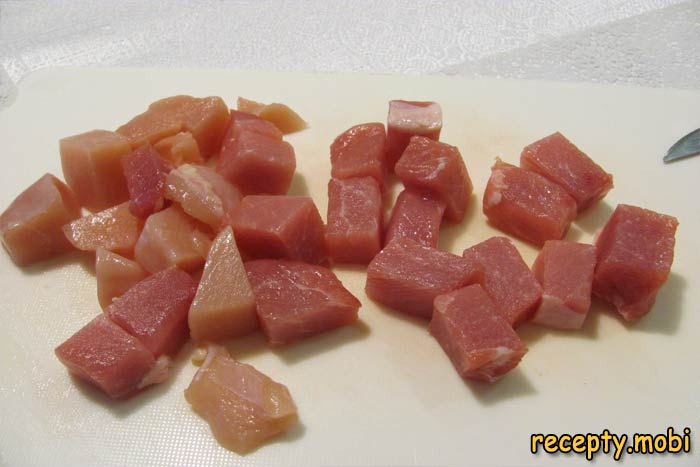
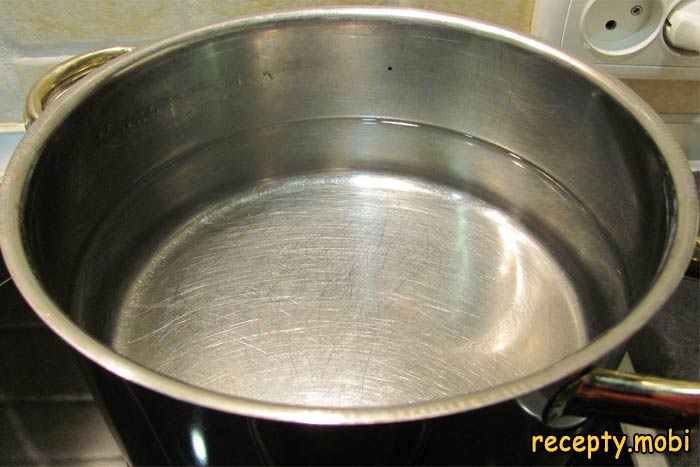
I pour cold water into a 3-litre pot, filling it halfway (1.5–2 L), add the meat and put it on high heat. Cold water is the key to a rich broth: the meat gradually releases its juices and flavour. If you pour in hot water, the protein "seals" the surface of the meat and the broth turns out "empty".
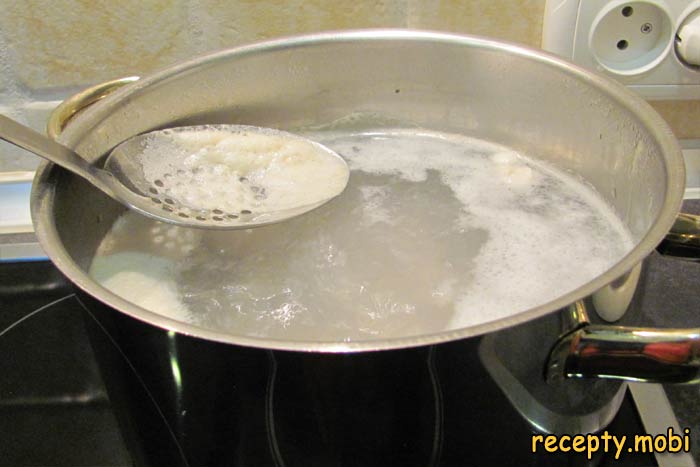
After it comes to a boil, I carefully skim off the foam with a slotted spoon – these are the coagulated proteins and impurities that make the broth cloudy. I add salt and pepper and cook for 30–40 minutes over low heat under a lid. A clear broth is the basis of a good-looking borscht; a cloudy one will spoil the whole appearance.
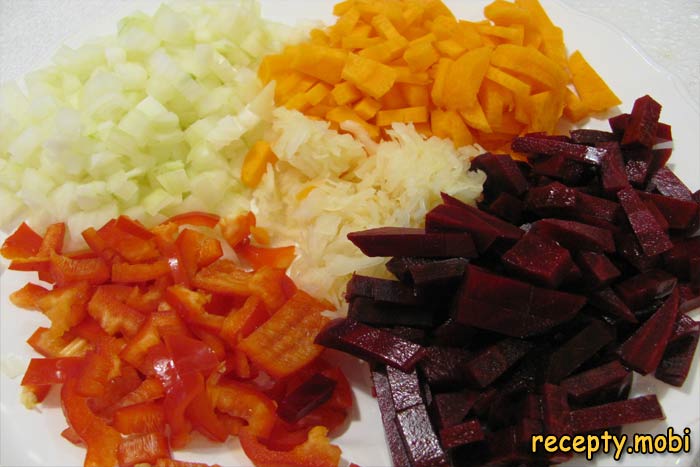
I peel the vegetables and chop them: the onion into small cubes, and the carrot, pickled beet and sweet pepper into thin strips. Strips are the classic cut for borscht and work better in the soup. I add a handful of sauerkraut (100 g) to boost the sourness. Pickled beet differs from fresh in its piquant taste without the "earthy" flavour.
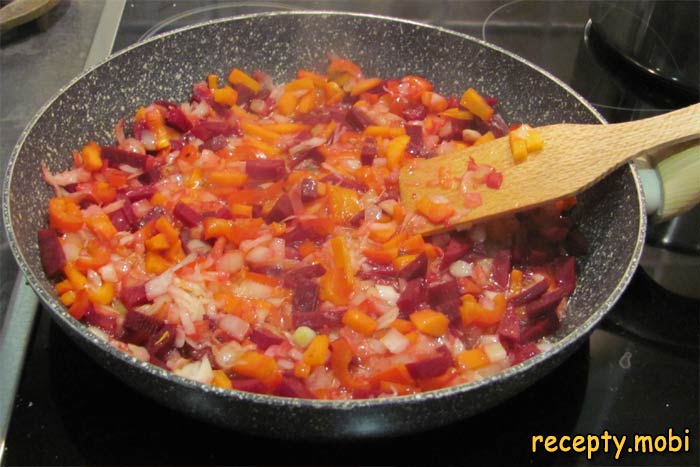
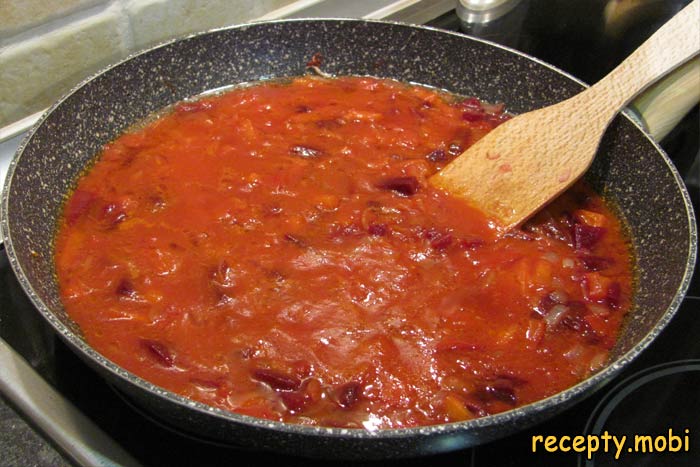
I fry the vegetables in heated vegetable oil over high heat for 5–7 minutes, stirring constantly. The vegetables should brown slightly but keep a light crunch – do not fry them until soft. High heat and quick frying preserve the bright colour of the vegetables.
I pour the tomato juice (300 ml) into the fried vegetables, bring to a boil and immediately remove from the heat. The tomato juice coats the vegetables and gives the mixture that characteristic ruby "borscht" colour. I use unsalted natural juice without additives – salted juice could make the broth too salty.
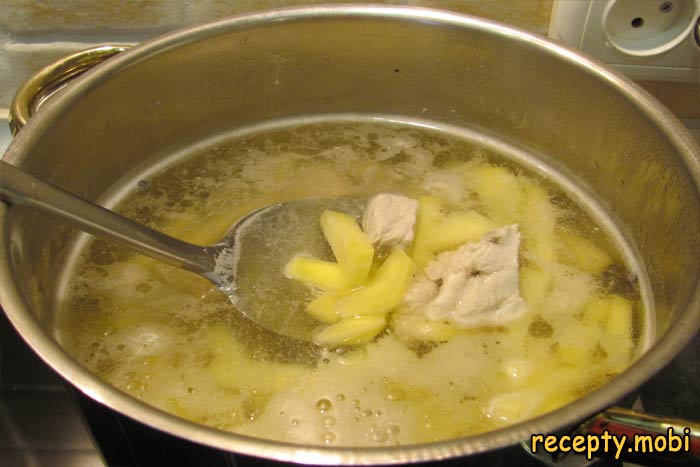
Into the pot with the ready broth I add the potatoes cut into strips (5 pcs) and the bay leaf (2 pcs). I cook for 10–12 minutes until the potatoes are half done. Potatoes in borscht should be cut into strips, not cubes: this is the classic way, works better in the soup and holds its shape during long cooking.
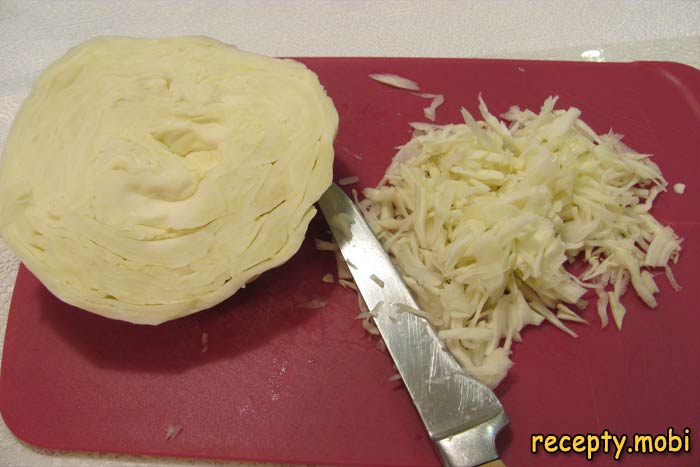
Meanwhile, I finely shred the fresh white cabbage (350 g) into thin strips of 3–5 mm. A thin cut is the key to cabbage cooking evenly in the borscht: thick pieces will be tough after 5 minutes of cooking, while too-fine ones will boil down to mush. Strips of 3–5 mm are the optimum for borscht.
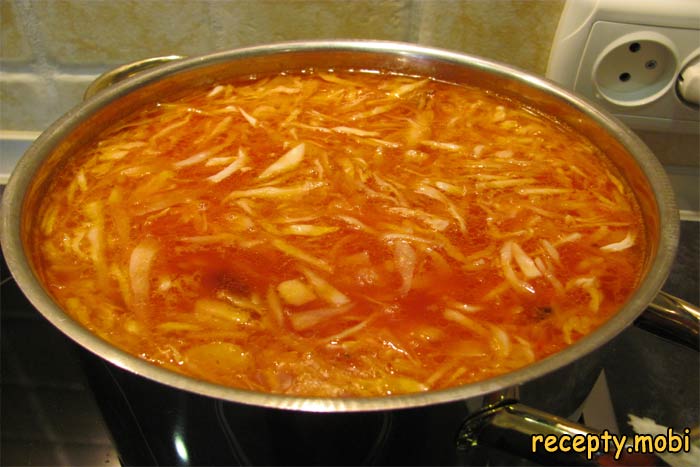
When the potatoes are half done, I pour in the tomato-and-vegetable mixture and add the fresh cabbage. After it comes back to a boil, I cook for 5–7 minutes until all the vegetables are done. I add more salt and pepper to taste. The cabbage should keep a light crunch – overcooked, it will turn to mush and spoil the borscht.
I finely chop the fresh dill and parsley and crush the garlic (1 clove through a press or finely with a knife). Fresh herbs and garlic are added right at the end to keep the maximum of aroma and vitamins. With long cooking, the herbs lose their colour and smell, and the garlic loses its pungency.
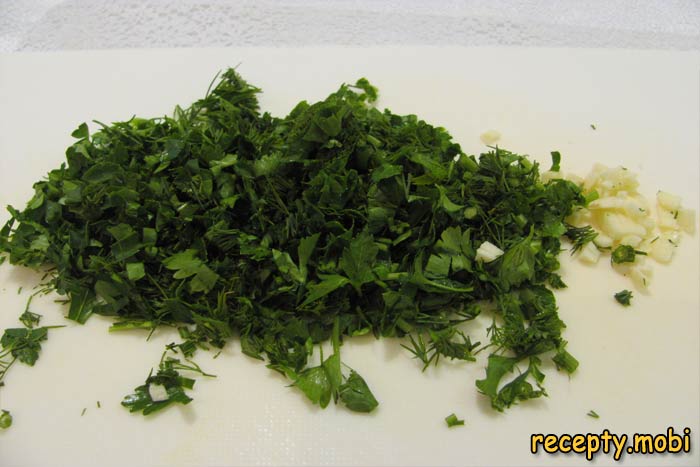
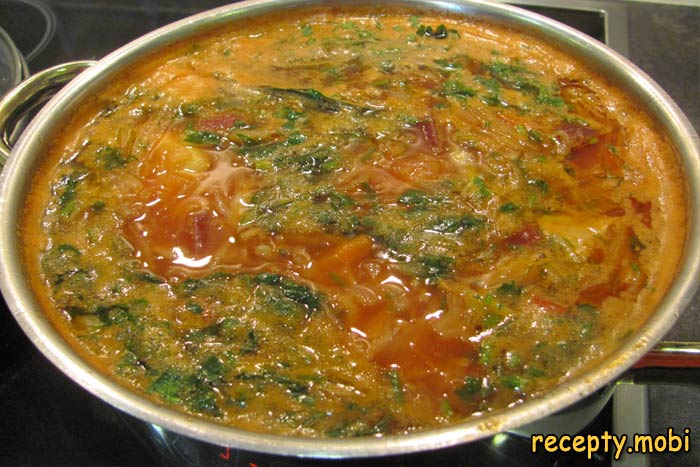
I add the herbs and garlic to the borscht, let it come to a boil and immediately remove from the heat. I cover with a lid and leave it to rest for 15–20 minutes before serving – the flavours combine into a single harmonious whole. Without resting, the borscht tastes "raw", with the ingredients felt separately.
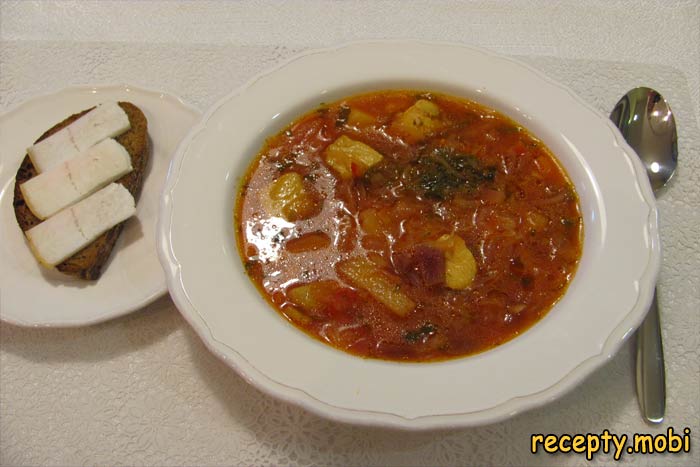
Borscht with pickled beets and sauerkraut is ready! I serve it in deep bowls with a tablespoon of sour cream, dark Borodinsky bread, a clove of garlic and a bunch of spring onion. On the second day the borscht is even tastier – the flavours have fully combined.


Tips
- 1
Prepare the pickled beets a week in advance: pour cooled boiled water with vinegar and sugar over the pieces and leave them in a warm place for 5–7 days.
- 2
The cabbage should keep a light crunch – overcooked, it will turn to mush and spoil the texture of the borscht.
- 3
Sauerkraut boosts the "sour" taste of the borscht without the need to add vinegar. I cook Ukrainian borscht on a similar principle.
- 4
Serve with sour cream (15–20% fat), garlic, herbs and dark bread – the classic Russian-Ukrainian way to serve it.
FAQ
Can it be made without pickled beets? +
Yes, replace the pickled beet with fresh boiled or baked beet – that is classic borscht. To keep the sourness, add 1 tablespoon of lemon juice, vinegar or tomato paste with vinegar at the end of cooking. Fermented beet (soured beet) also works – it gives an even richer fermented sourness. Without acid the borscht will taste "bland", so an acidic component is essential in any case. Pickled beet is the most convenient option, with its sourness ready to go.
What meat is best for borscht? +
The classic choice is beef on the bone (brisket, ribs) – it gives the richest taste and aroma, but it needs to cook for 1.5–2 hours. Pork (boneless) is faster (40–60 minutes), with a more tender but less "deep" flavour. Chicken (whole or legs) is a light, budget-friendly option, cooking in 30–40 minutes. You can combine beef with pork – the "duet" gives an optimal balance. For a lean borscht, the meat is left out and mushrooms or beans are added to make it filling.
How long does borscht keep in the fridge? +
Ready borscht keeps in the fridge for up to 3 days in a tightly closed container. Many people say borscht is tastier on the second day – the flavours fully combine overnight in the cold. After 3 days it starts to turn sour – do not throw it out, but use it as a base when cooking again. You can freeze it in portions in containers for up to 2 months – before eating, thaw it in the fridge and bring it to a boil. Do not reheat it many times – this spoils the taste.
What to serve borscht with? +
Classically with sour cream (1–2 tablespoons per bowl), dark Borodinsky bread, a clove of raw garlic and a bunch of spring onion. Pies with cabbage, meat or potato go well with borscht – a Ukrainian tradition. For drinks – kvass, dried-fruit compote, or milk and berry drinks. In winter – with vodka or horilka, in the Russian-Ukrainian tradition. It is ideal for a family lunch – a filling, warming, nourishing soup for the cold season.
- Comment
or post as a guest
Be the first to comment.