avg —
Borscht with Beets and Cabbage

Instructions
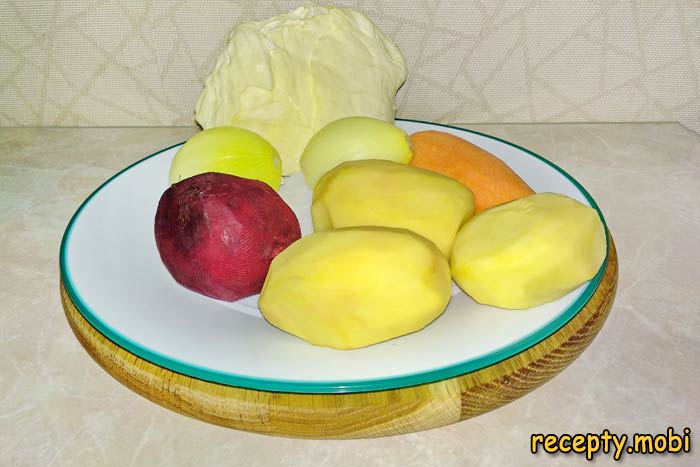
I prepare the vegetables for a large four-litre pot: I peel the beetroot (1 pc), carrot (1 pc), potatoes (3 pcs) and onions (2 pcs), and wash the cabbage (400 g). All the vegetables should be fresh and good-quality for a rich-tasting borscht.
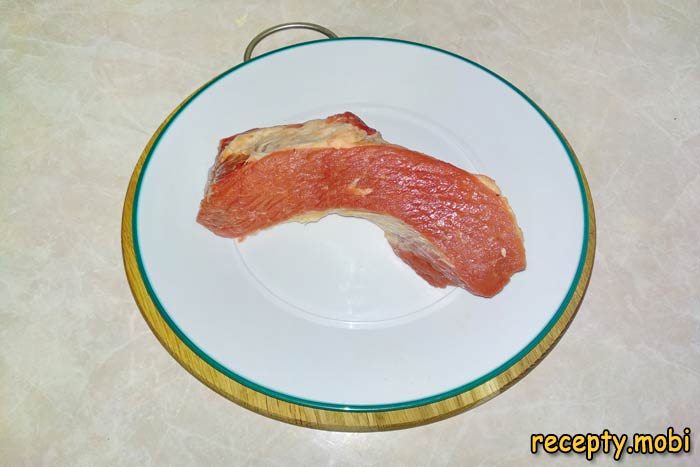
I wash the piece of beef (500 g) thoroughly, cut it into large portion-sized pieces of 4–5 cm and trim off the excess outer fat. I put it into a pot with cold water and set it on the heat. From the moment it boils, I cook it for five to ten minutes – the "first broth". IMPORTANT: I pour this water away completely, then rinse the pot and the meat thoroughly with cold water. I put the rinsed pieces of meat into the clean pot, pour in fresh water (3 l) and set it to cook on the stove for the "second broth" – this is the one I make the borscht on. I salt it to taste.
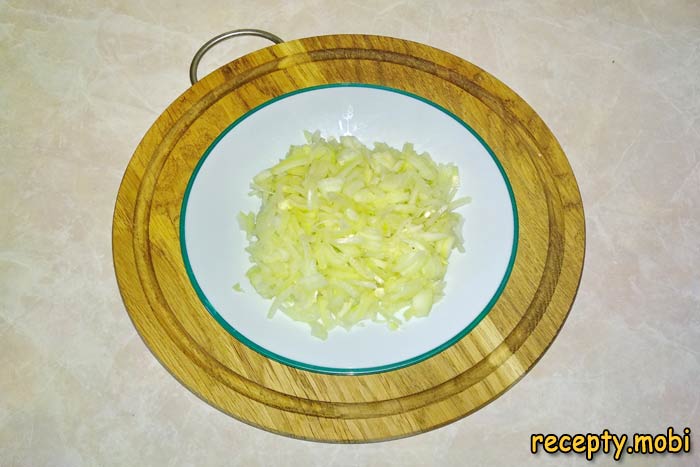
At the same time, I prepare the dressing. I finely chop the onions (2 pcs) into 5 mm cubes. I set a thick-bottomed frying pan on the heat, add the vegetable oil (2 tbsp) and heat it up.
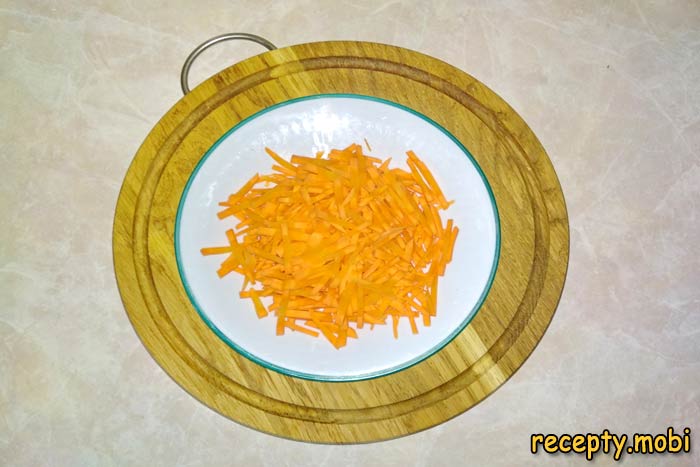
I peel the carrot (1 medium pc) and cut it into thin sticks of 3–5 mm – the "classic" cut for borscht. I add the carrot straight to the onion in the pan and fry for five to seven minutes until soft and lightly golden. The vegetables should soften slightly but keep a light crunch.
While the onion and carrot are sweating, I cut the beetroot (1 large pc) into thin sticks of 3–5 mm – the same size as the carrot. I use large, sweet beetroot for a lovely deep-red colour. I add the beetroot to the vegetables in the pan and sweat everything together for another seven to ten minutes until the beetroot is soft.
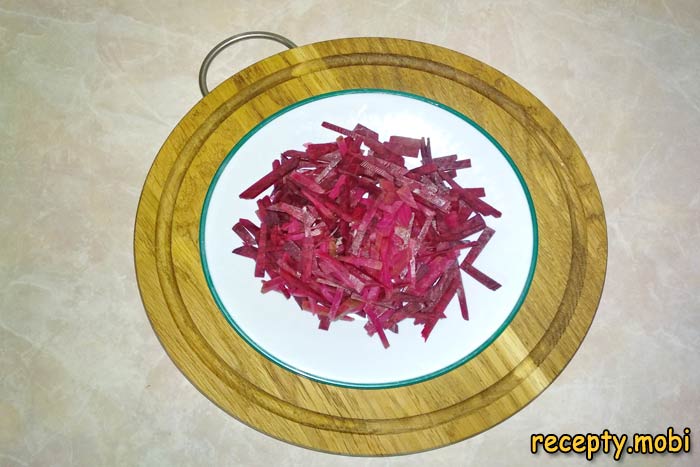
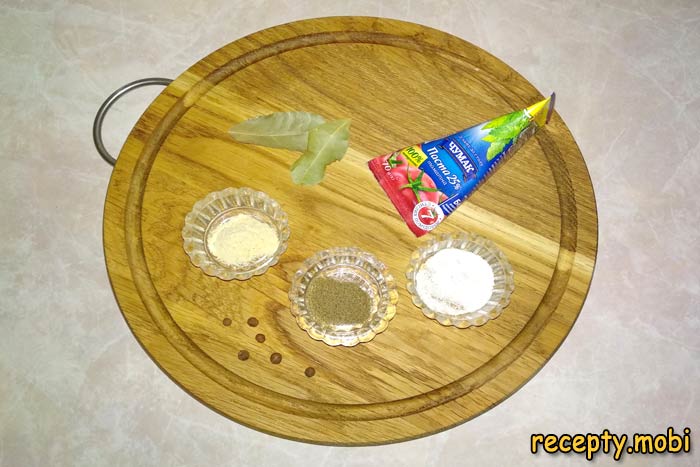
After ten minutes, I pour two ladles of hot meat broth from the pot into the dressing, add the tomato paste (70 g), the spices (black pepper, allspice and dried garlic), salt and a bay leaf (1 pc). I stir thoroughly until the tomato paste has dissolved into the broth.
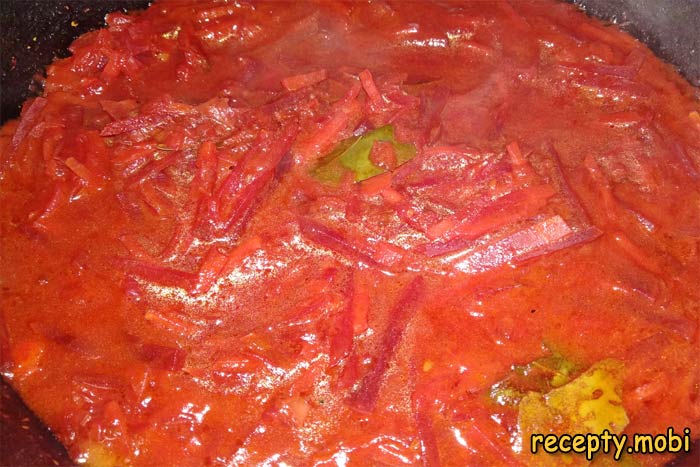
The dressing should stew until the beetroot is fully cooked – this takes another twenty minutes over low heat under a lid. During this time the flavours come together, the tomato paste "opens up" and gives that characteristic "borscht" aroma with a rich colour.
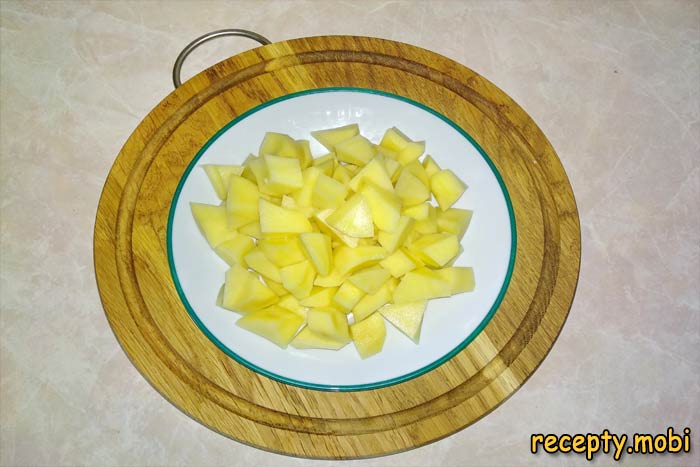
While the dressing is stewing, I cut the potatoes (3 pcs) into medium cubes of 1.5×1.5 cm – this size cooks quickly and looks attractive in the finished borscht. When the meat in the pot is almost done, I add the diced potatoes and cook for ten minutes until half-done.
I finely shred the white cabbage (400 g) into thin strips of 3–5 mm using a knife or a special shredder. A thin cut works better in borscht – it cooks quickly and spreads evenly. A coarse cut stays tough.
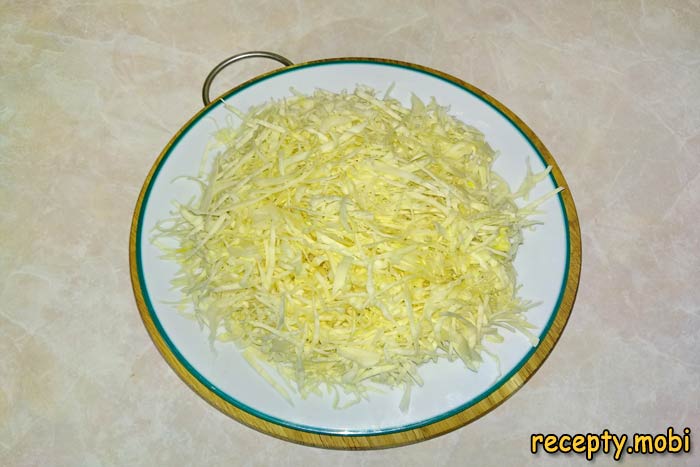
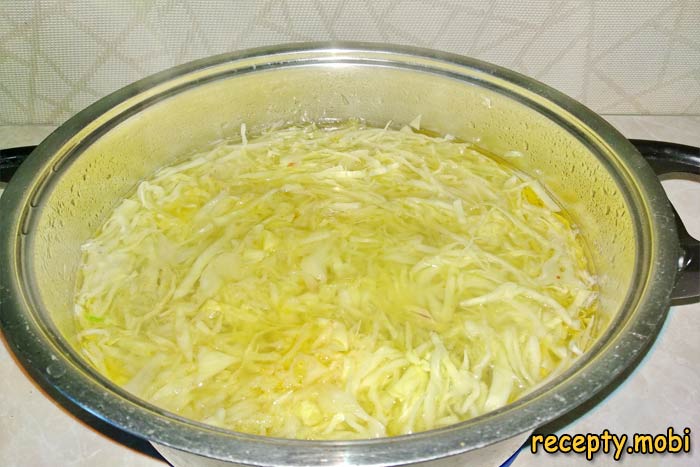
By this time the potatoes are almost cooked – I add the shredded cabbage to the pot. I cook the vegetables for another five minutes over low heat. The cabbage should NOT be overcooked or become "too soft" – it should keep a light crunch. Those who like "well-cooked" cabbage can cook it for five minutes longer.
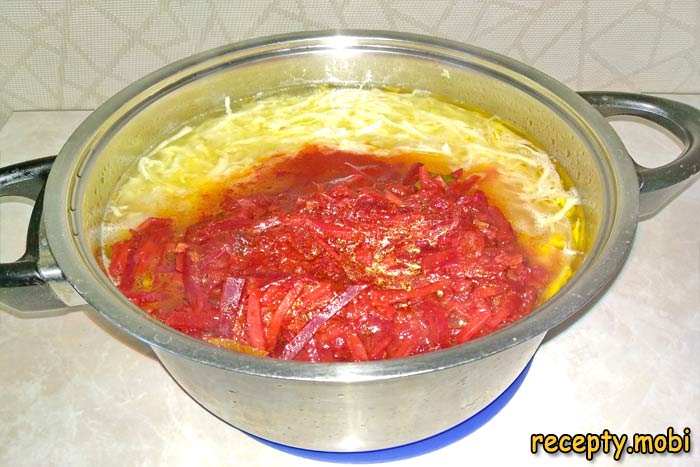
I transfer the finished dressing with beetroot and tomato from the pan into the pot of borscht. I stir thoroughly – the dressing "colours" the broth that characteristic deep-red borscht shade. I bring the borscht back to the boil and cook for another five minutes over low heat.
The borscht is almost ready – I taste it and, if needed, adjust the salt and spices (you can add 1 tsp of sugar to balance the acidity of the tomato). I take the pot off the heat and let the finished borscht rest under a lid for fifteen minutes – so the flavours finally come together.
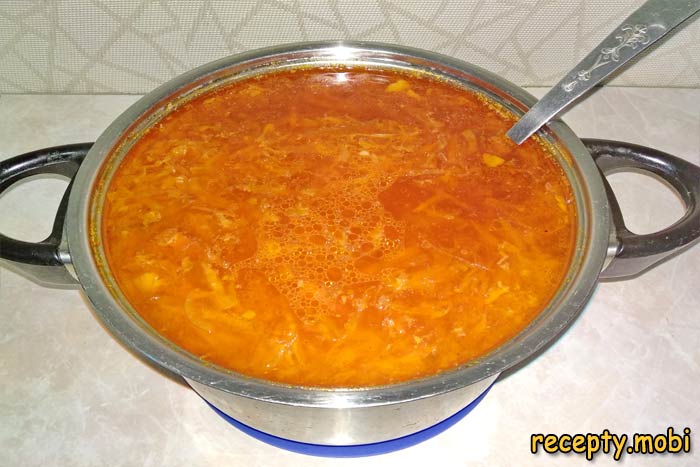
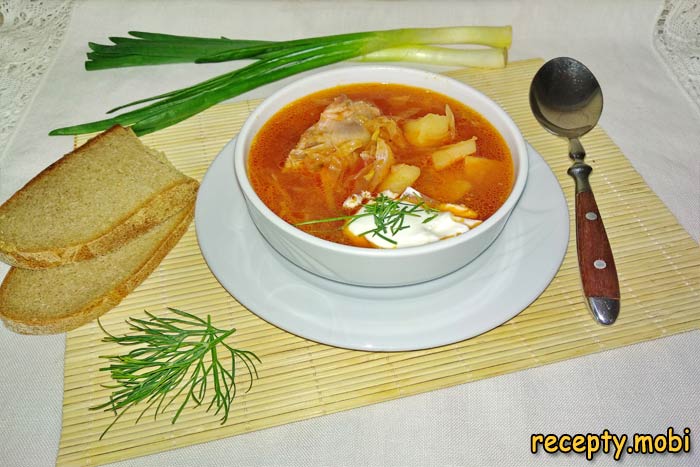
Classic borscht with beetroot and cabbage is ready! I ladle it into deep bowls and serve with sour cream (1 tbsp per bowl), finely chopped spring onion and fresh dark Borodinsky bread. The perfect serving, "just like grandma's".


Tips
- 1
Cook the meat "in the second water" – be sure to pour the first water away five to ten minutes after it boils, as it holds the impurities that cloud the broth.
- 2
Sweat the beetroot separately with the tomato paste – it gives the borscht a lovely ruby colour. If you cook the beetroot straight in the pot, the colour "leaches" into the broth.
- 3
Cook the cabbage for five minutes – it should keep a light crunch. Overcooked cabbage turns to mush. I cook Ukrainian borscht with pork fat on a similar principle.
- 4
Always serve with sour cream (15–20% fat), spring onion and dark Borodinsky bread – the "Russian-Ukrainian" classic way of serving.
FAQ
Can borscht be made with pork or chicken? +
Yes, classic borscht is cooked with different meats: beef (the classic, a rich broth), pork on the bone (fattier and more intense), chicken (a dietary option with a light broth), or a mix of beef and pork (a rich, "multi-layered" flavour). For a lean version, leave out the meat and use a vegetable broth with beans or mushrooms for substance. Each type of meat gives the borscht its own character. The main thing is good-quality fresh meat without gristle or membranes. Cooking times vary: chicken – 30–40 minutes, pork – 60 minutes, beef – 1.5 hours. In a pressure cooker, halve the time.
Why cook the meat in the "second water"? +
The first water from cooking the meat holds coagulated proteins, impurities and scum – it is cloudy and gives a "dirty" broth in the borscht. Pouring the first water away (five to ten minutes after it boils) and cooking in fresh second water gives a perfectly clear, amber broth – the "secret" to a beautiful borscht. The same method works for all meat soups and for jellied meat (kholodets). The alternative is to skim off the foam carefully with a slotted spoon at the first boil for fifteen to twenty minutes, but the "second water" gives a cleaner result with less effort.
How long does cooked borscht keep? +
Cooked borscht keeps in the fridge for up to three days in a tightly covered pot. On the second and third day the flavour becomes richer – the flavours finally come together as the borscht "rests". Before serving, reheat over low heat until fully warmed through, and do not bring it to a strong boil repeatedly (this spoils the flavour). It can be frozen in portions for two months in airtight containers – before eating, thaw completely in the fridge and bring to the boil. Ideal for cooking ahead for a family week – a hearty, rich soup.
What to serve borscht with? +
Classically, with homemade sour cream (1–2 tbsp per bowl), finely chopped spring onion and fresh dark Borodinsky bread. For snacks – with meat or cabbage pies, vatrushki, or with pork fat and garlic (the Ukrainian tradition). For drinks – kvass, cranberry mors, light beer (for a "man's" lunch), or compote for an alcohol-free option. For a family dinner – with buckwheat porridge or mashed potatoes. In winter – with hot "grandma's" fritters or pancakes. Ideal as a "regal" first course of Russian-Ukrainian family cooking.
- Comment
or post as a guest
Be the first to comment.