avg —
Azerbaijani Kyufta Bozbash

Instructions
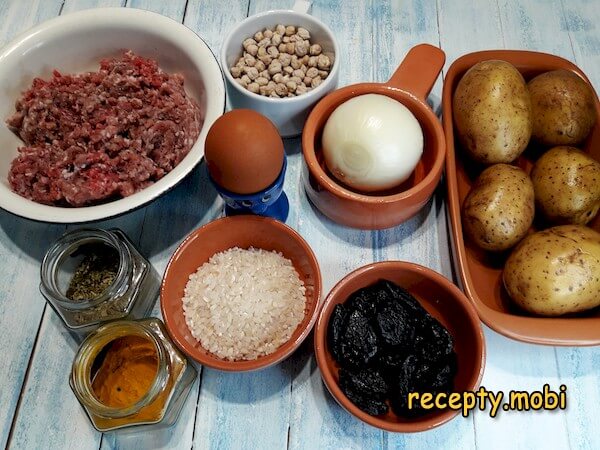
I prepare the ingredients for the Azerbaijani kyufta bozbash. The mince for the kyufta is either beef or lamb. If you can swap the dried plum for cherry plum (alycha), that is even better – cherry plum gives a sharper, brighter note. It is best to use large or medium potatoes.
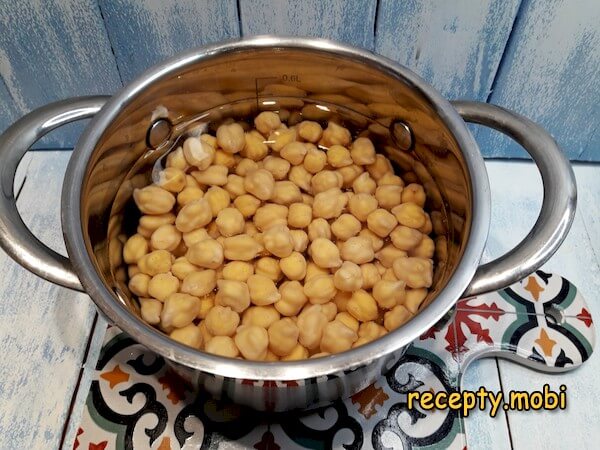
The day before, I soak the chickpeas in cold water and leave them for 6–8 hours to swell – this is the "secret" stage for bozbash, because without soaking the chickpeas stay hard even after long boiling.
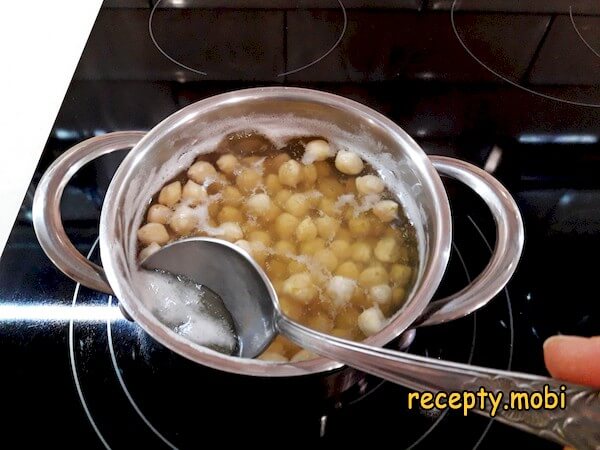
Then I boil them without salt for 40–45 minutes, skimming off the foam as it forms. When done, I drain the water – salt at this stage would stop the chickpeas from softening.
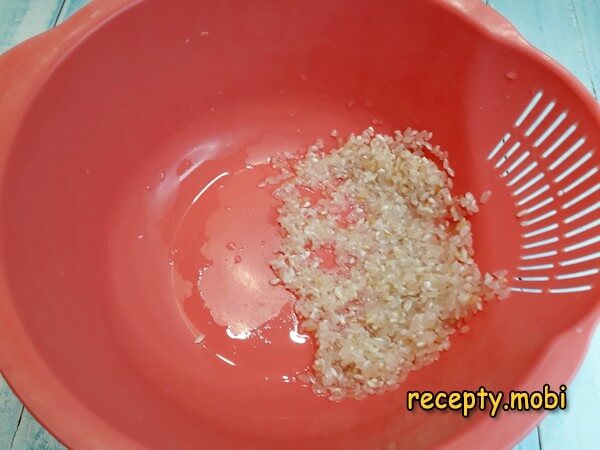
I rinse the rice several times under running water – rinsing removes the surface starch so the rice does not glue the mince into a dense mass.
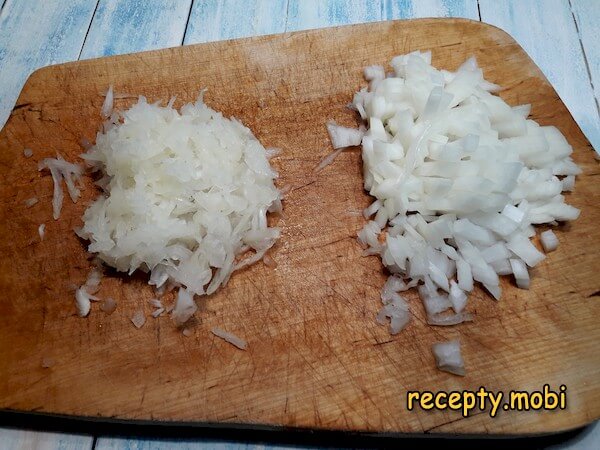
I grate one half of the onion and finely chop the other. The grated half goes into the mince for an invisible texture, the chopped half into the sauté for the broth.
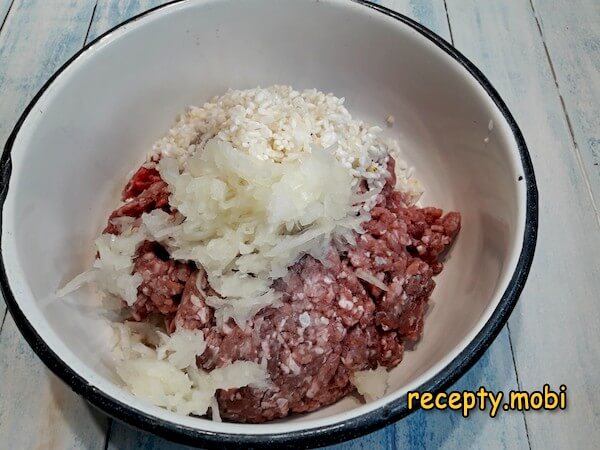
I put the mince, the grated onion and the rice into one bowl – the grated onion spreads through the mince as an "invisible" component that adds juiciness.
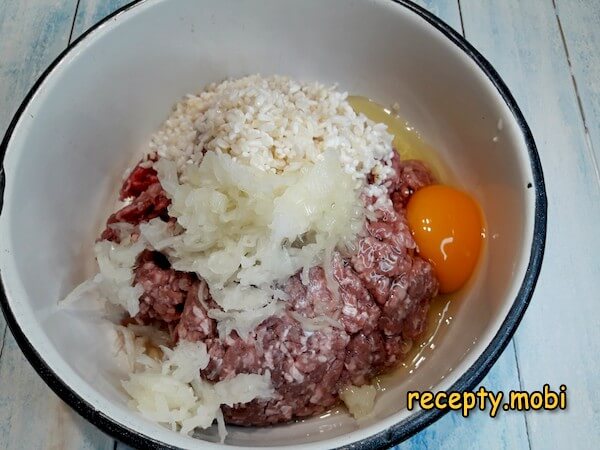
I add the egg – it binds the mince into a single whole so the kyufta does not fall apart while boiling in the bubbling broth.
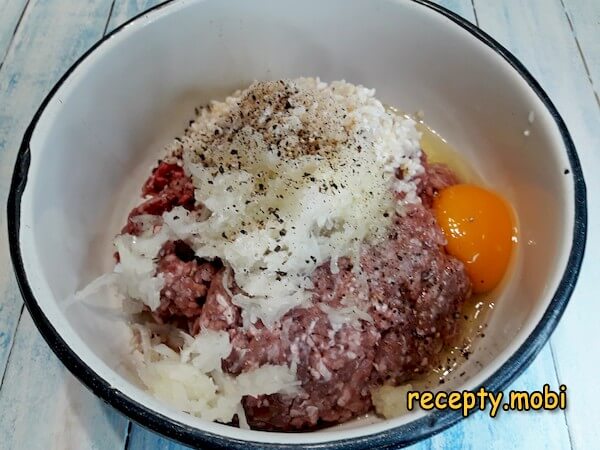
I add pepper and salt to the mixture – salt and pepper at this stage soak evenly into the mince and season every kyufta.
I mix everything thoroughly until I get a uniform, sticky mass – sticky exactly, not "crumbly", otherwise the kyufta will fall apart in the broth.
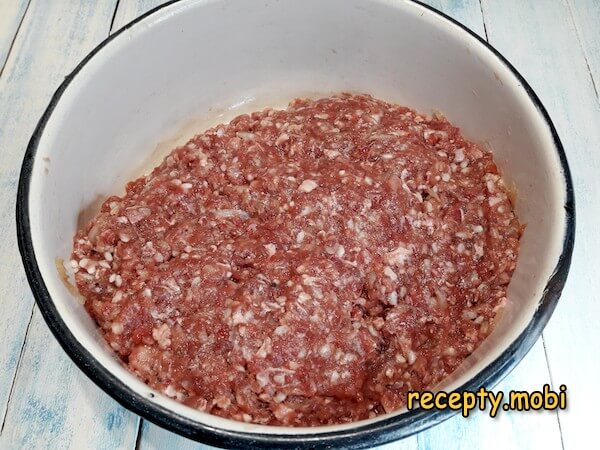
I divide it by eye into 5 parts and start rolling the kyufta in my hands. In the resulting ball I make a hollow, into which I drop a plum. I close the dent with mince and roll the ball again – this is the "secret" surprise filling inside the kyufta.
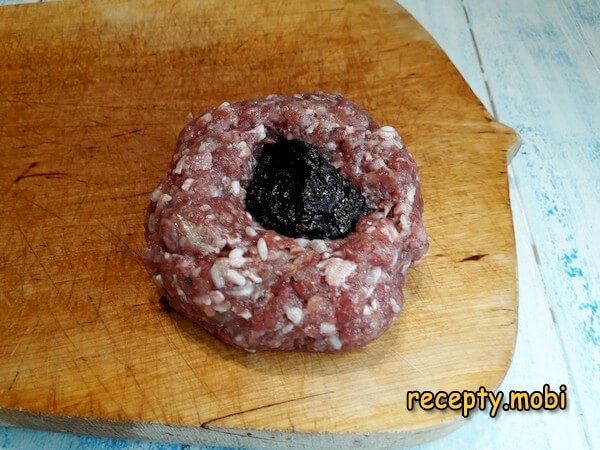
I make all 5 in the same way. I set them on a board – each kyufta is about the size of a tennis ball, very large.

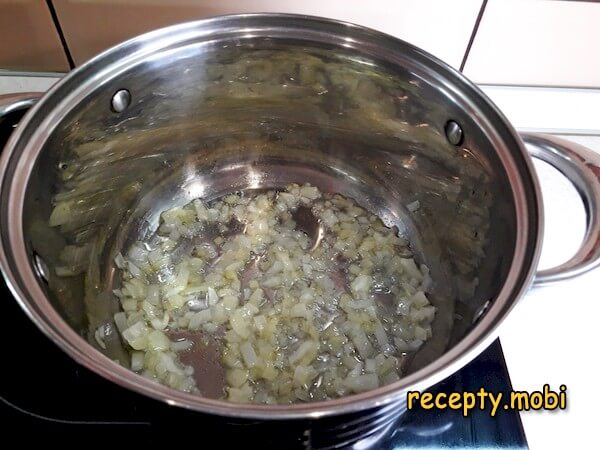
Right in the pot, I sauté the onion over medium heat for 1–2 minutes – right in the pot exactly, so that all the aromas stay in the future broth.
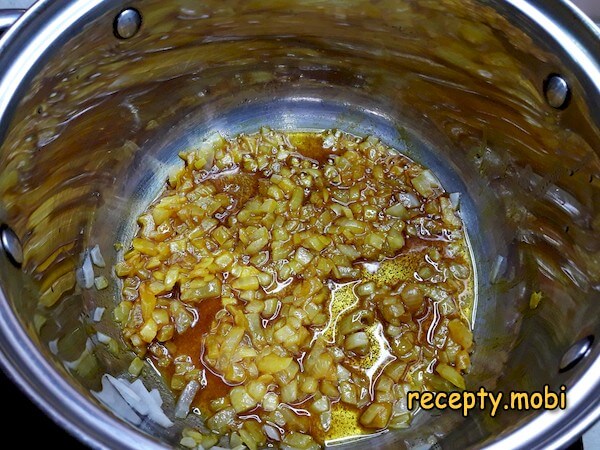
I add the turmeric to it and stir the mass, now turned yellow, well – turmeric gives the Azerbaijani bozbash its characteristic colour and a slightly spicy flavour.
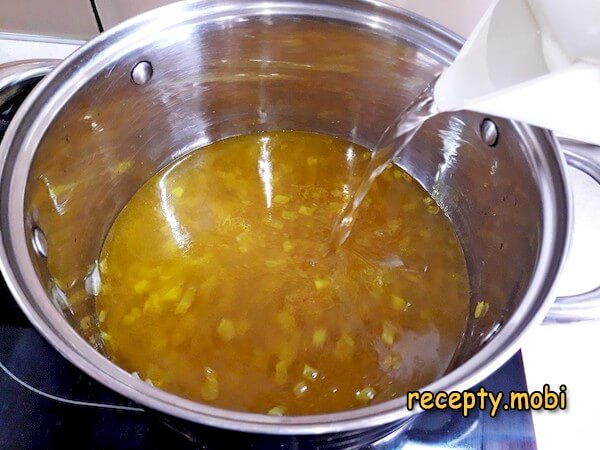
Each serving of kyufta bozbash takes 250–300 millilitres of water, so I measure out 1.5 litres of water for 5 meatballs.

I pour the water into the pot right away and wait for it to come to the boil (the heat can be turned up).
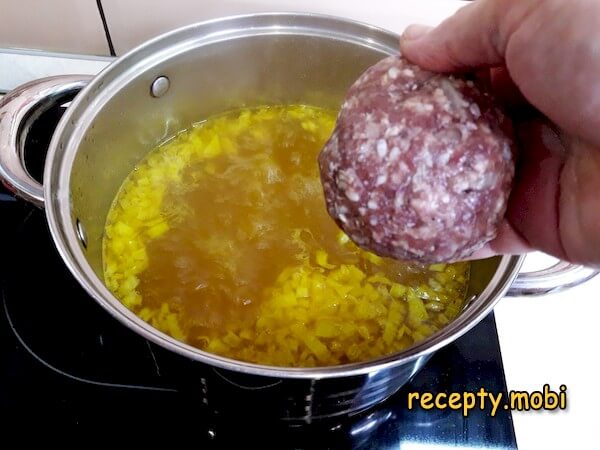
I carefully lower the kyufta into the boiling water – into boiling water exactly, so the mince immediately "seals" on the outside and does not let the filling leak out.
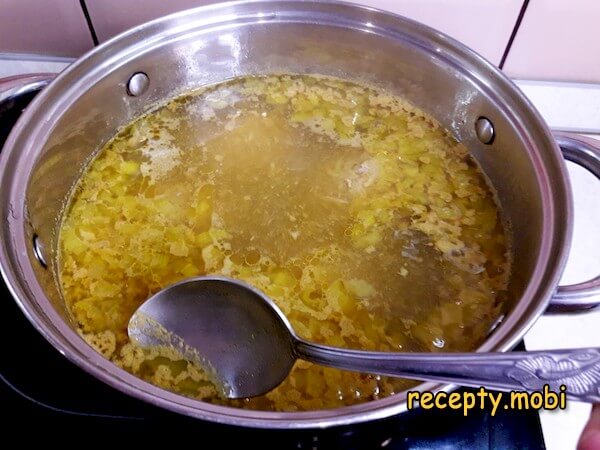
I periodically skim off the foam that forms and cook the soup over low heat – a clean broth without foam makes for an elegant presentation.
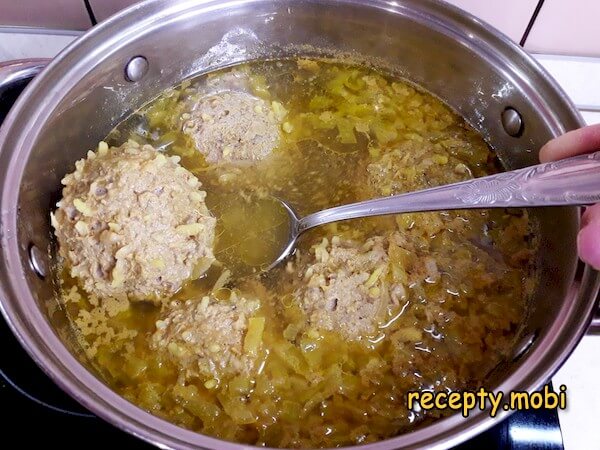
After about 20 minutes the meat will be ready – you can tell by the cooked rice that starts to poke out of the kyufta. This is a natural "indicator" of doneness.
Now I put the potatoes into the pot – if the tubers are very large, I cut them in half. Whole large potatoes are a "trademark" of bozbash, not diced into cubes.
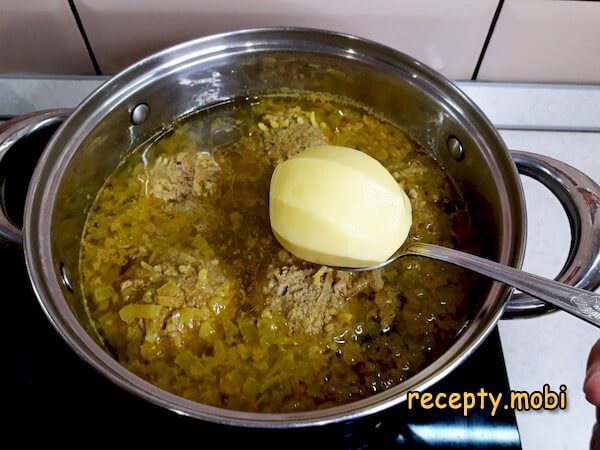
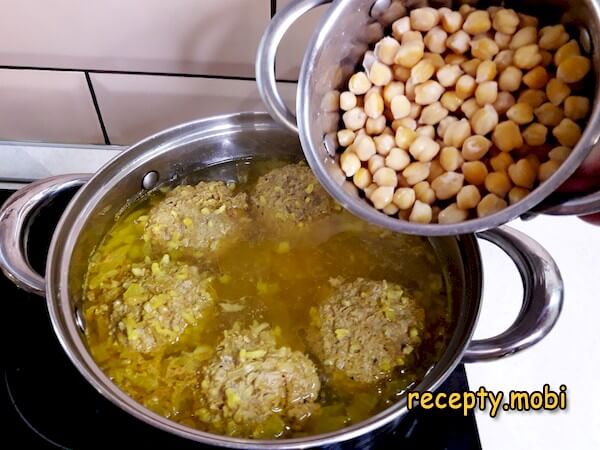
Right away I add the boiled chickpeas. I salt the broth to my taste and, once it comes back to the boil, cook everything for 20–30 minutes – that is how long it takes for the potatoes to cook through completely.
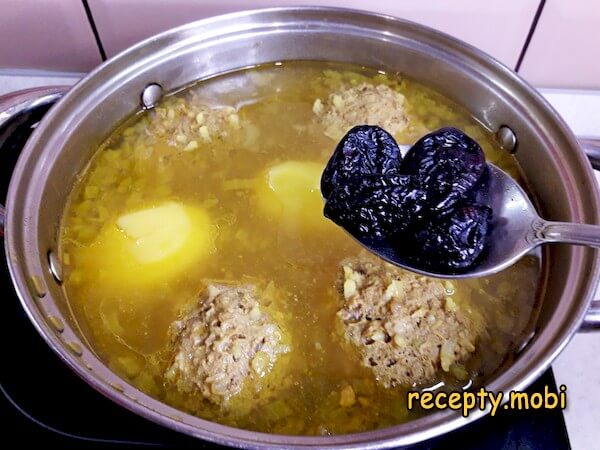
Then I send the remaining plums into the pot and simmer them for a couple of minutes, after which I turn off the stove and let the dish rest for about 5 minutes under the lid – the plums add extra tartness and aroma to the broth.I ladle the Azerbaijani kyufta bozbash into deep bowls and sprinkle dried mint over the top. The aromatic, rich broth, the large kyufta, a potato and the chickpeas make for a hearty meal where you can enjoy the rich flavour of this old dish. A hot treat like this is served not only at a family lunch but even at big celebrations for honoured guests.


Tips
- 1
THE PLUM INSIDE THE KYUFTA – the "secret" of ancient bozbash. This is the main signature feature of Azerbaijani bozbash – a dried plum (or cherry plum) inside the meat ball. As it cooks, the plum releases a sour juice that soaks into the mince from within, giving it a characteristic sweet-and-sour profile and making the kyufta one of a kind. Without the plum it is an ordinary meat ball; with the plum it is authentic bozbash with centuries of history.
- 2
LOWER INTO BOILING WATER – the "secret" against falling apart. If you drop the kyufta into cold or warm broth, the outer layer will not have time to "seal" – the mince will swell, soften and the kyufta will fall apart into the water. Only hot, boiling broth gives the instant "sealing" effect – the meat ball keeps its shape right through to the end of cooking and serving.
- 3
THE BEEF VARIATION – the "secret" of the basic bozbash. Kyufta bozbash is the "top" version with meatballs. The basic bozbash is made with whole pieces of beef – this is beef bozbash recipe – the forefather of the whole family. The same base with turmeric, chickpeas and dried plum, but with large pieces of meat instead of meatballs.
- 4
A BRANCH OF AZERBAIJANI SOUPS – the "secret" of a full table. Built on the same components, Azerbaijani cuisine offers a whole family of soups. The best-known relative is dushbara Azerbaijani style with tiny dumplings. If you are putting on an "evening of Azerbaijani cuisine", these two dishes complement each other perfectly.
FAQ
What is bozbash and where is it from? +
Bozbash is a national soup of Azerbaijan, Armenia and Iran with centuries of history. The name comes from the Turkic "boz baş" – "grey head" (after the grey colour of the lamb's head from which the broth was historically made). In the modern version, beef or mince for the meatballs is used more often. Kyufta bozbash is the "premium version" with large meatballs that have a plum or cherry plum inside. It is widespread throughout the Caucasus and the Middle East and is one of the "signature" dishes of Azerbaijani cuisine at family celebrations.
What can replace the dried plum or cherry plum? +
The best replacement is dried cornelian cherry (kizil), which also gives a bright tartness and a characteristic "Caucasian" flavour. Also suitable are: dried apricots (sweeter, but giving a similar aroma), dried barberries (more sour, for those who like a "sharp" bozbash), pitted dried cherries. Not suitable are: prunes (too sweet and overpowering), raisins (too sweet and the wrong character). As a last resort – fresh pitted plum, but in a smaller amount, otherwise the kyufta will be watery from the fresh fruit.
How long does kyufta bozbash keep? +
In the fridge in an airtight container – up to 3 days. Before serving I reheat it on the stove for 5–7 minutes until the broth and the meatballs are fully warm. On the second day the flavour becomes richer – all the ingredients have time to "settle" into one another. I do not recommend freezing – after thawing the potato becomes watery and loses its texture. If you really must – freeze only the broth with the meatballs (without the potato), and add fresh potato when reheating. The freezing time is up to 1 month.
What to serve kyufta bozbash with? +
The authentic Azerbaijani serving is in a deep bowl with a large wooden spoon. It is generously sprinkled with dried mint on top – this is an essential decoration. For the table: fresh lavash or Azerbaijani flatbreads, pickled vegetables (gherkins, sweet pepper), a bunch of fresh herbs (coriander, basil, tarragon). For sauces: lemon juice in a separate bowl to acidify to taste, the sharp "narsharab" sauce made from pomegranate juice. For drinks: black tea with lemon (the Azerbaijani tea tradition), ayran. At a large table it is served as one of the main components of the "dastarkhan" – the Azerbaijani festive feast.
- Comment
or post as a guest
Be the first to comment.