avg —
Cabbage Soup with Fresh and Sauerkraut and Meatballs

Instructions
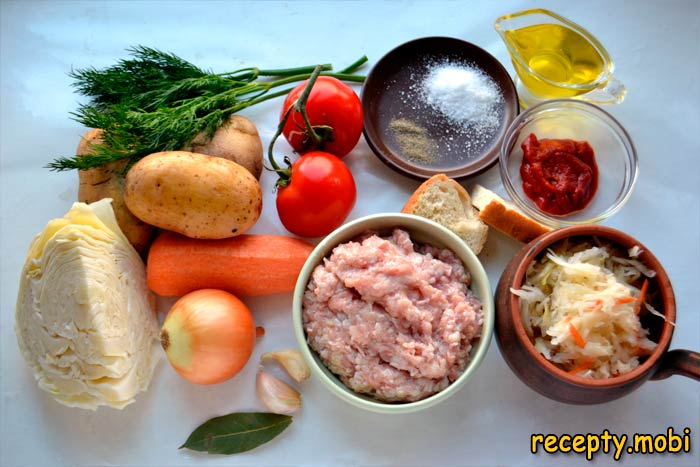
Prepare all the ingredients: wash the vegetables and measure out the right amounts. Be sure to squeeze the excess brine from the sauerkraut – otherwise the soup will turn out too sour. From 200 g of sauerkraut you will be left with about 150 g after squeezing, which is the ideal amount for a gentle balance.
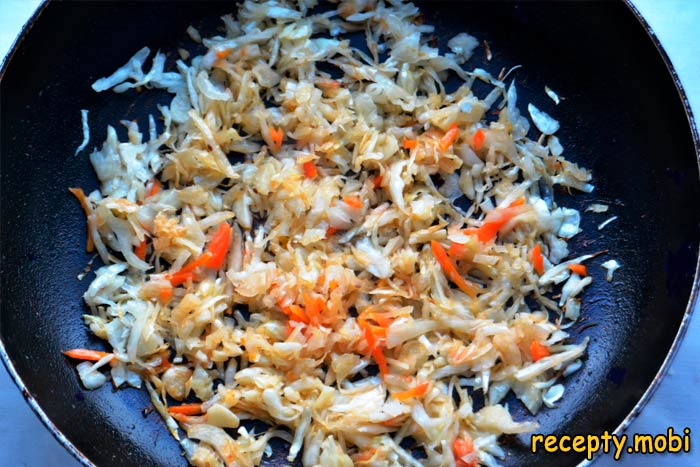
Fry the squeezed sauerkraut in 1 tablespoon of vegetable oil for 5-7 minutes over medium heat. Add 100 ml of water and simmer under a lid for 7-10 minutes until soft. Simmering is the key step: the excess sourness goes away and the cabbage becomes tender. Without this step the soup will taste sharp.
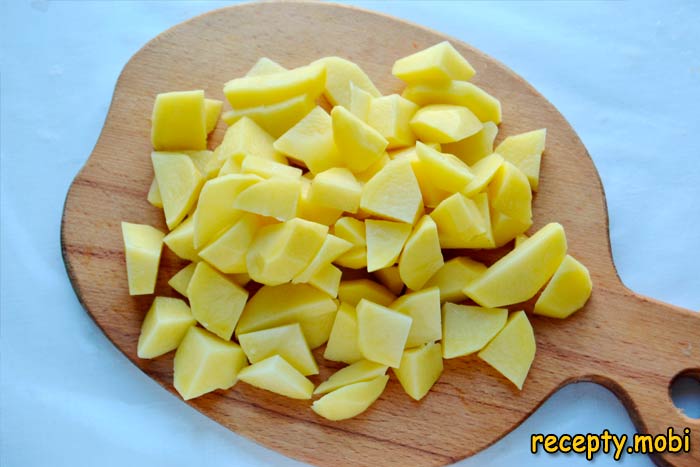
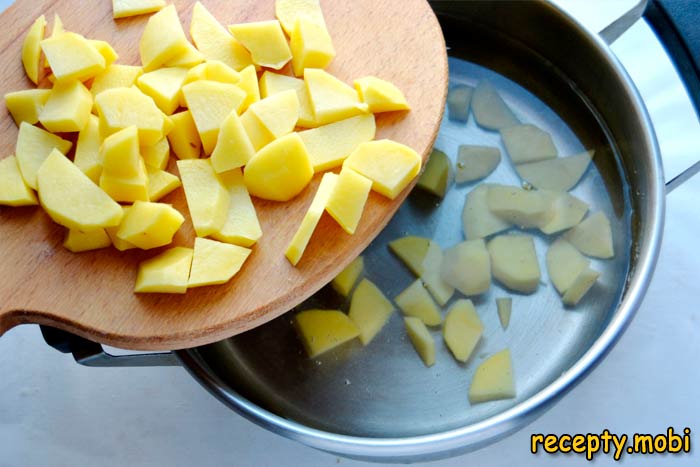
Peel the potatoes and cut them into small cubes of 1.5-2 cm. Cubes of equal size are important for even cooking – large pieces will stay firm, small ones will boil down to mush. The ideal size is that of a large pea.
Put a pot with 1.5 litres of water on the stove and bring it to a boil. Lower the chopped potatoes into the boiling water – this way they keep their shape and do not boil down. In cold water the potatoes would release their starch into the broth and turn the soup into a cloudy "jelly".
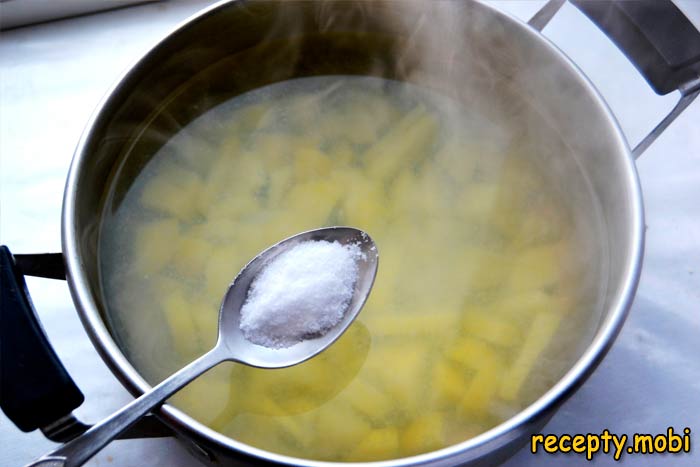
Salt the water with the potatoes (about ½ tablespoon of salt per 1.5 l) and boil the potatoes until half-cooked, 10 minutes after the water returns to a boil. The potatoes should remain slightly firm – they will still cook with the cabbage and the meatballs. Soft, overcooked potatoes in the soup are a mistake.
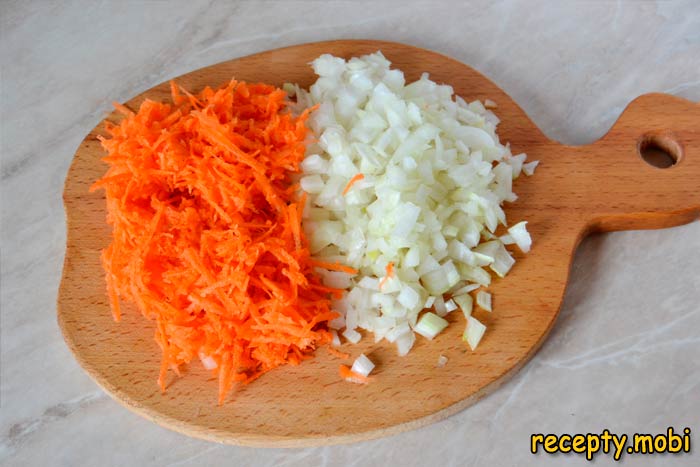
While the potatoes cook, cut the onion into small cubes (set aside 1/3 of the chopped onion for the mince) and grate the carrot on a coarse grater. Splitting the onion is an important point: part of it goes into the sauté, part into the mince for the aroma of the meatballs.
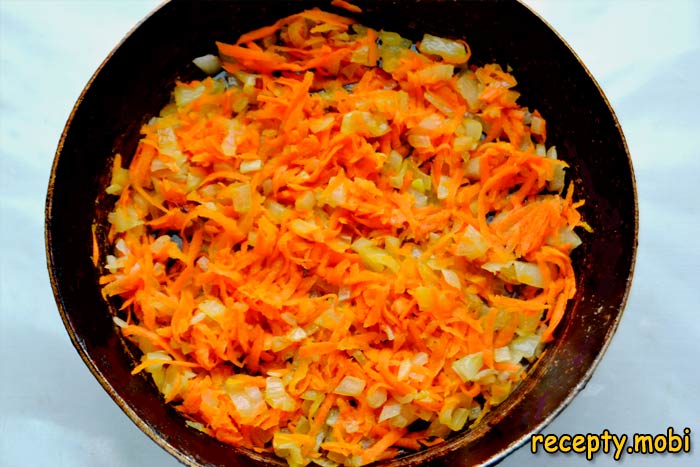
Fry 2/3 of the chopped onion with the grated carrot in 1 tablespoon of vegetable oil for 3 minutes until soft – not until golden, only until the onion turns translucent. Long frying would create a "fried" accent, whereas the soup needs a gentler sauté.
Remove the skin from the tomatoes: make cross-shaped cuts, scald them with boiling water for 1-2 minutes, then cool them in iced water – the skin comes off easily. Grate the peeled tomatoes on a coarse grater to get a tomato pulp with fresh flesh.
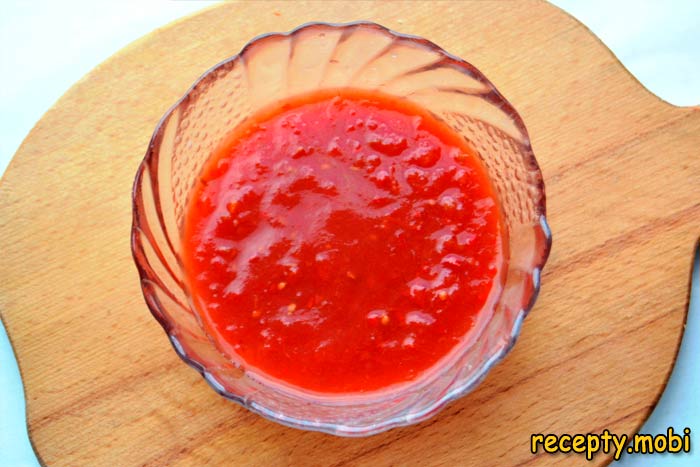
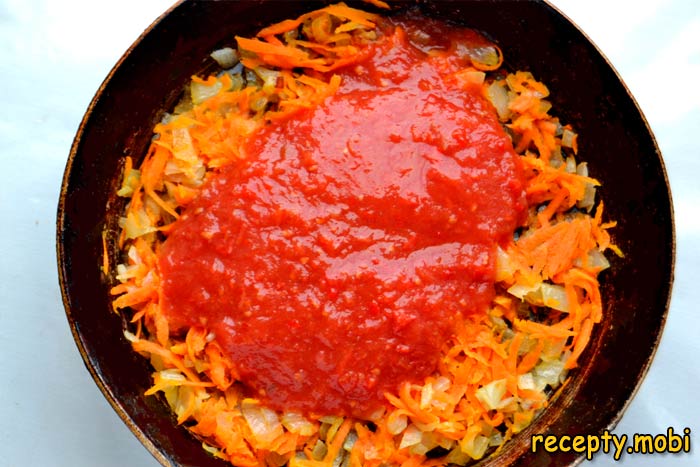
Add the grated tomatoes to the onion-and-carrot sauté and simmer for 2-3 minutes – the tomatoes will release their juice and combine with the vegetables. Fresh tomatoes give a more "natural" flavour than paste.
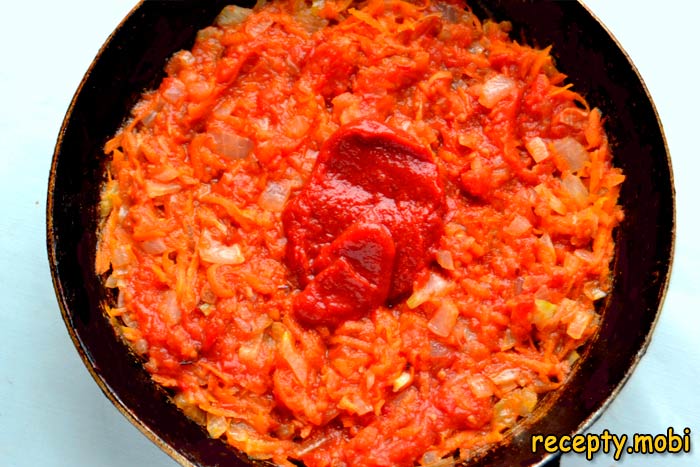
Add a tablespoon of tomato paste (25 g) to the sauté for richer colour and flavour, stir thoroughly and simmer for another 1-2 minutes. The paste concentrates the tomato flavour – without it the soup turns out pale.
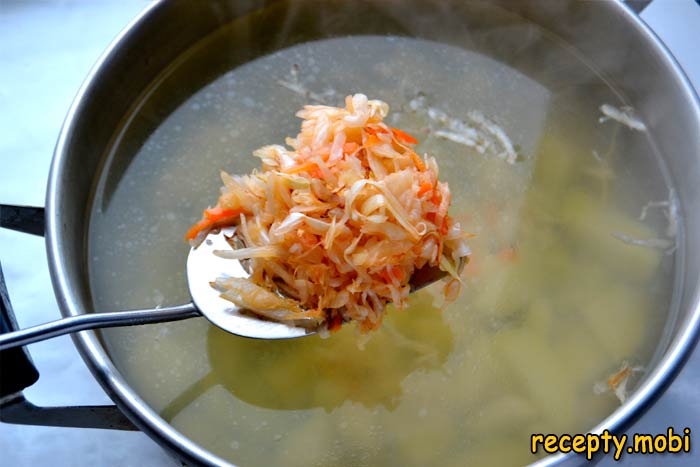
Put the simmered sauerkraut into the pot with the potatoes and cook for 8 minutes. The sauerkraut should already be "soft" after simmering – in the soup it only warms through and gives the broth its characteristic sour flavour.
Prepare the mince for the meatballs: soak a piece of stale bread (20 g) in a little water or milk for 5 minutes, then squeeze it well. Mix the chicken mince with the soaked bread, the egg and the 1/3 of grated onion you set aside. Add salt and pepper to taste.
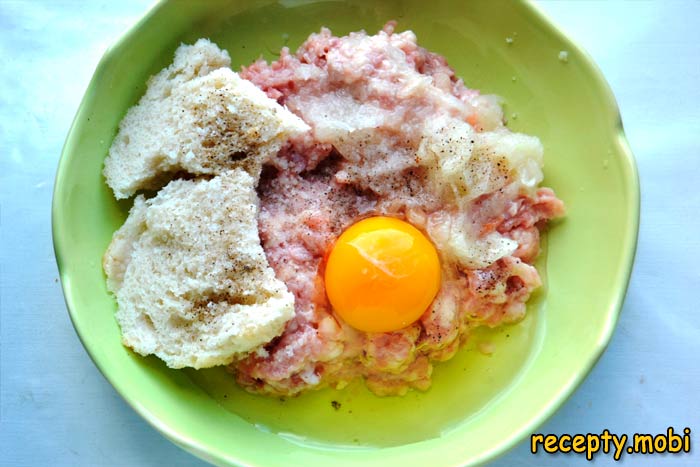
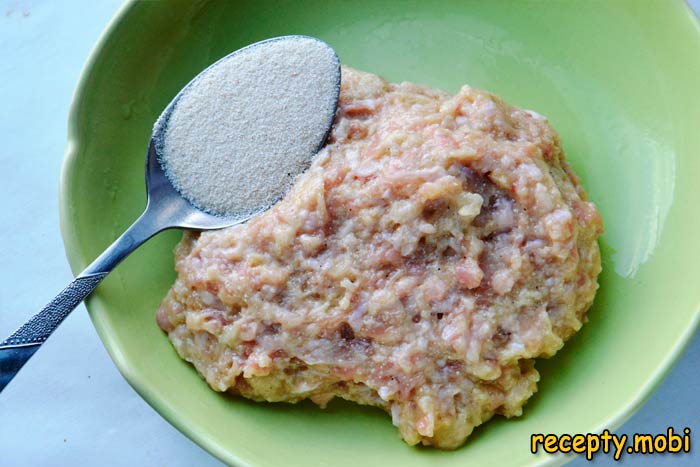
Mix the mince thoroughly by hand for 3-5 minutes and beat it against the table 10-15 times so it binds together. If the mince turns out runny, add 1 tablespoon of semolina to thicken it. A firm mince is the guarantee that the meatballs will not fall apart in the broth.
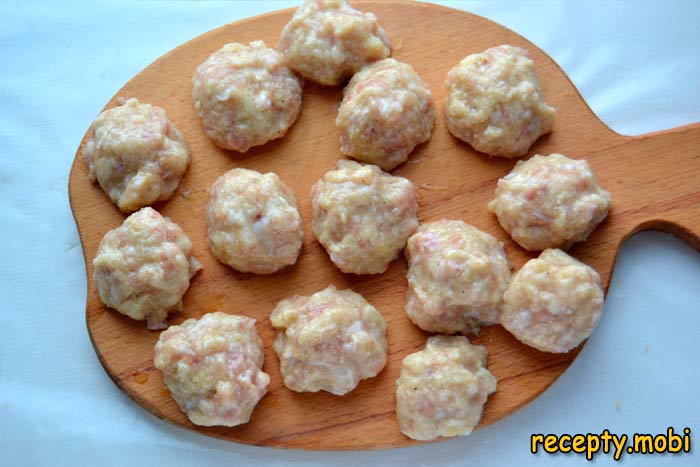
Shape the mince into small meatballs the size of a large walnut (3 cm in diameter). Shape them with wet hands so the mince does not stick. Size matters: large meatballs will not cook through, small ones will boil down.
Lower the shaped meatballs into the boiling soup one at a time, trying not to drop them – so they keep their round shape. As you add the first ones, skim off the foam with a slotted spoon – this is the protein from the meatballs, which clouds the broth.
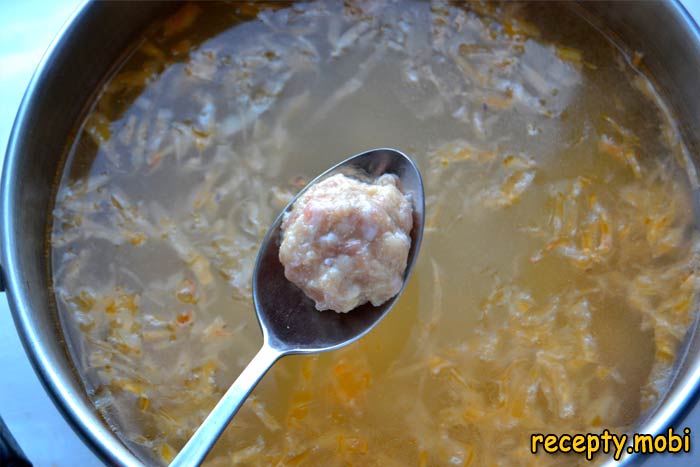
Once all the meatballs are in, gently stir the soup with a wooden spatula. The meatballs should "float" in the broth – this is normal. Cook for 5-7 minutes until they rise to the surface (a sign they are done).
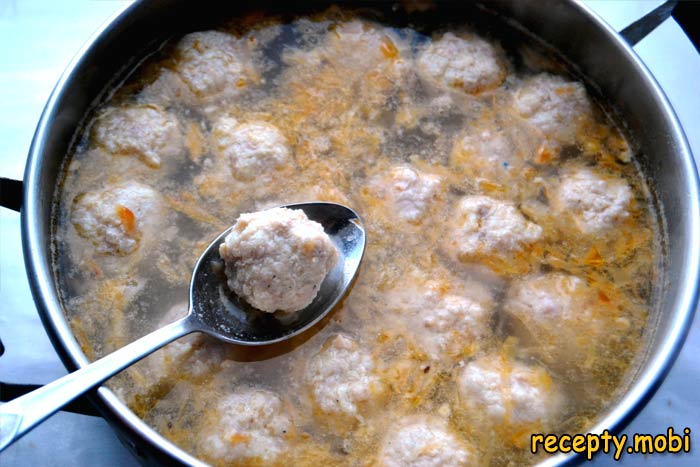
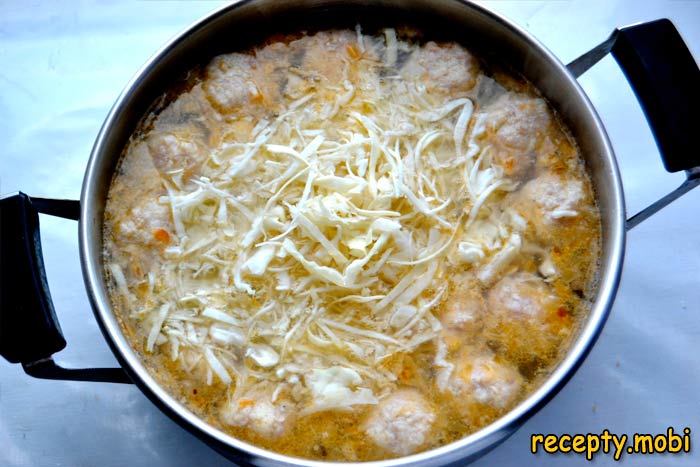
While the meatballs cook, finely shred the fresh white cabbage into thin strips 3-4 mm wide. Add it to the soup – the fresh cabbage should cook less than the sauerkraut, as it softens more quickly.
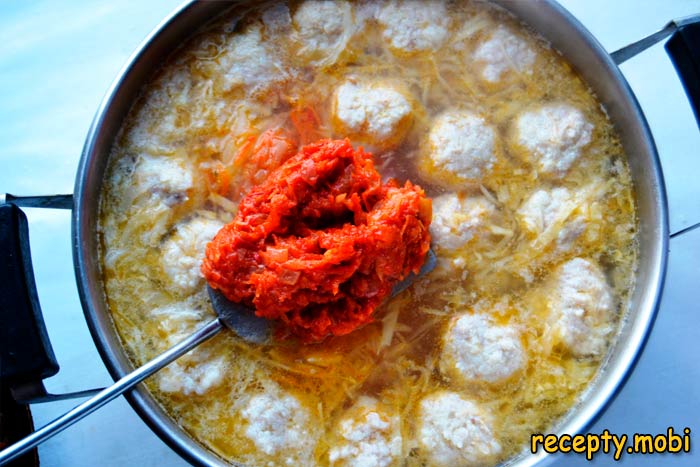
Add the vegetable sauté with the tomatoes to the soup, bring it to a boil and cook for 7 minutes. All the components should cook together so the flavours combine into a single whole.
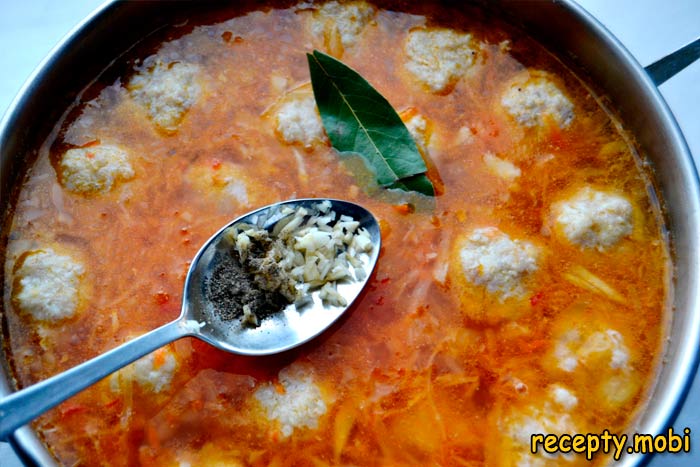
Add the bay leaf, freshly ground pepper and the garlic cut into thin slices 2 minutes before the soup is done. Garlic right at the end is an essential rule: long cooking would destroy its aroma completely.
Add the finely chopped fresh dill, let the soup come to a boil once and turn off the heat immediately. Let the soup rest under a lid for 5-10 minutes – this "rest" lets the flavours combine into a harmonious whole.
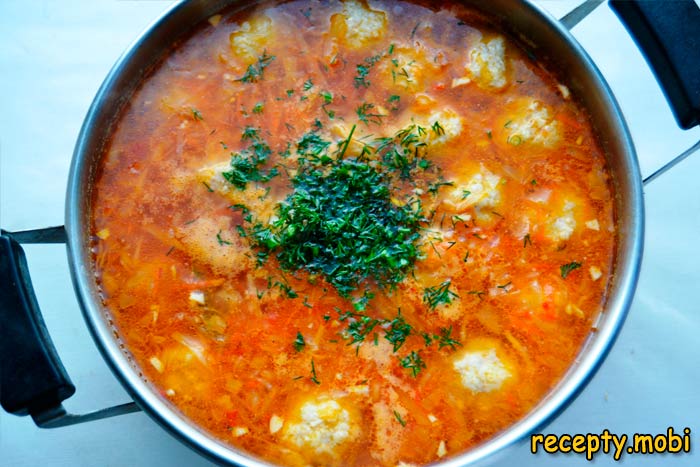
The cabbage soup with fresh and sauerkraut cabbage and meatballs is ready! Ladle it into bowls and serve with thick sour cream (20-25%) and fresh dark Borodinsky bread – the classic Russian way to serve a first course.



Tips
- 1
Always simmer the sauerkraut separately before adding it to the soup – this removes the excess sourness and keeps the soup balanced.
- 2
Shape the meatballs small (the size of a walnut) – this way they cook faster and do not fall apart in the broth.
- 3
In winter, instead of fresh tomatoes use homemade tomato pulp or good-quality tomato juice with no additives. I use a similar principle to cook borscht with pork.
- 4
Always serve with sour cream and fresh dark bread – the classic Russian accompaniments to any cabbage soup.
FAQ
Can I make the soup without fresh cabbage? +
Yes, just increase the amount of sauerkraut to 400 g. You will get classic "sour cabbage soup" – a characteristic Russian soup with a pronounced sour accent. Be sure to simmer the sauerkraut thoroughly before adding it, to remove the excess sourness – otherwise the soup will be too sharp. You can also replace the fresh cabbage with frozen white cabbage – once thawed it works in a similar way. Only fresh cabbage gives that characteristic "tenderness", while frozen and sauerkraut give a more "wintry" accent.
What can replace chicken mince for the meatballs? +
A mixed pork-and-beef mince 50/50 works well (more filling and richer in flavour), as does turkey (lean, more tender than chicken), veal (a premium option) or beef (classic flavour). Each mince gives the meatballs its own character: chicken is tender, pork is juicy, beef is firm. For a lean table you can use a mince of mushrooms with onion – "lean meatballs". The main thing is to bind the mince well with egg and bread so it does not fall apart in the broth.
How should I store the finished soup? +
In the fridge in a tightly closed pot – up to 3 days without loss of quality. When reheated, the flavour becomes even richer, as the spices and vegetables combine fully. Reheat over low heat without bringing it to a strong boil – this preserves the vitamins and the flavour. It can be frozen for up to 1 month in portion-sized containers – the potatoes may soften a little after thawing. On the second or third day the soup is traditionally considered the tastiest.
Why did the soup turn out cloudy? +
The main reasons: you did not skim off the foam after adding the meatballs (the protein clouded the broth), you put the potatoes into cold water (the starch went into the broth), you cooked it at a strong, rolling boil (which breaks down the structure of the vegetables), or you used poorly rinsed cabbage. For a clear broth, skim off all the foam with a slotted spoon as it boils, lower the potatoes into boiling water, and cook over low heat under a lid. These simple rules guarantee a clear, restaurant-quality soup.
- Comment
or post as a guest
Be the first to comment.