avg —
Pkhali in Georgian style – the perfect recipe for spicy food lovers

Instructions
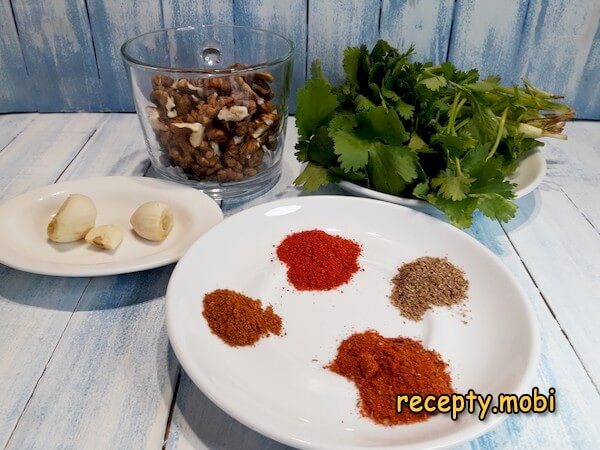
I prepare the ingredients for the dressing. It is best to lightly roast the walnuts – this brings out more of their flavour and makes them crisp. Utskho-suneli can be replaced with khmeli-suneli.
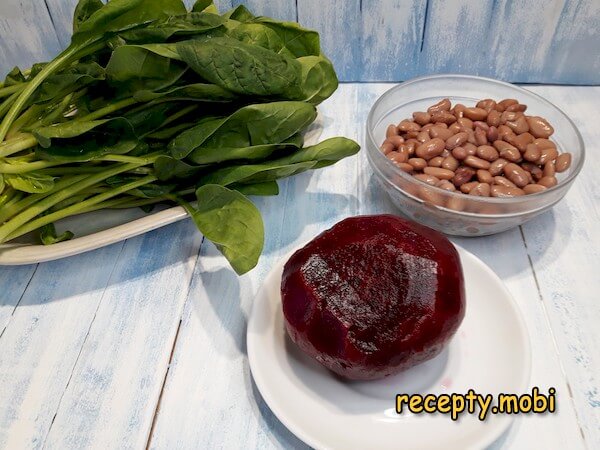
For the vegetable base, I boil the beetroot until tender. The beans can be canned, with the brine drained off, or you can boil dried ones, having first soaked them in cold water for 4–6 hours.
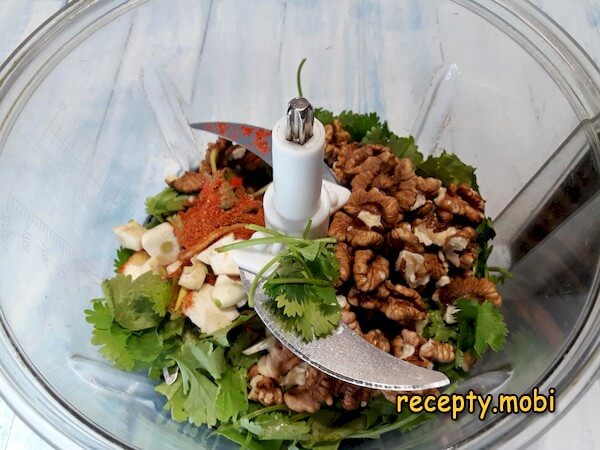
I put all the components for the walnut dressing into the bowl of a meat grinder with round blades. You can also use an ordinary screw-type meat grinder for this.
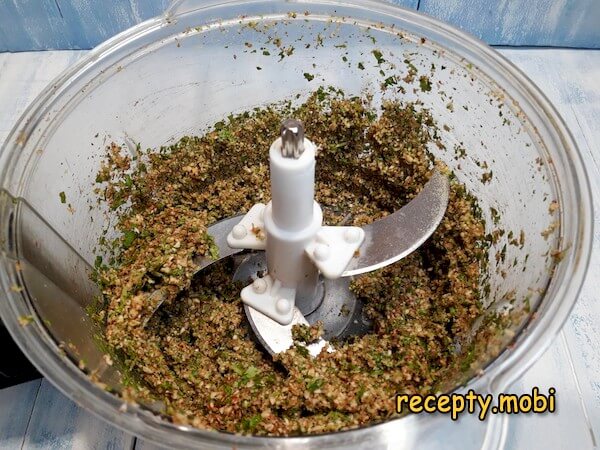
I grind everything to a uniform, fine consistency.
I transfer the dressing to a small bowl and check it for salt – if there is not enough, I add a little more in small portions. For now I set the spicy walnut mixture aside.
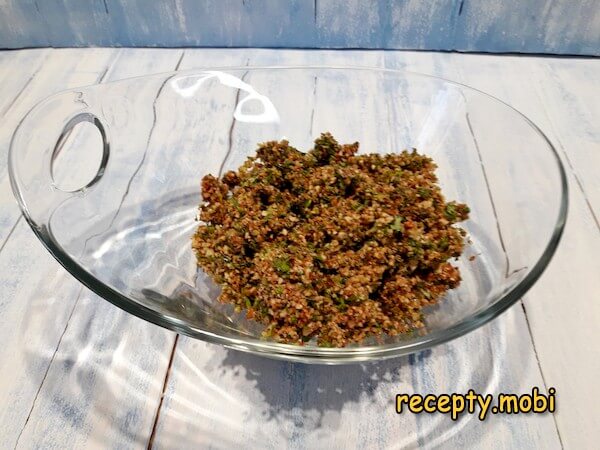
I grind the beans with a meat grinder or blender.
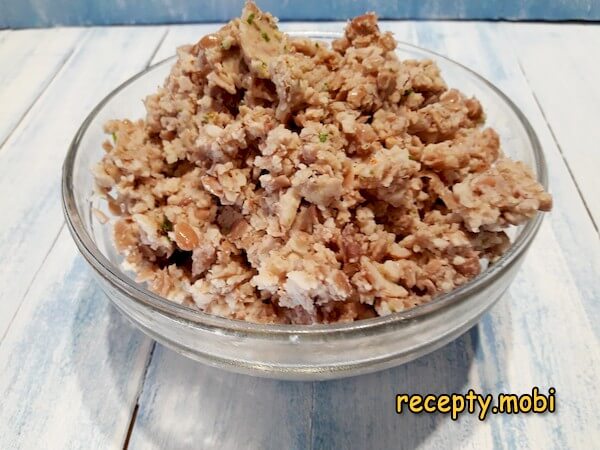
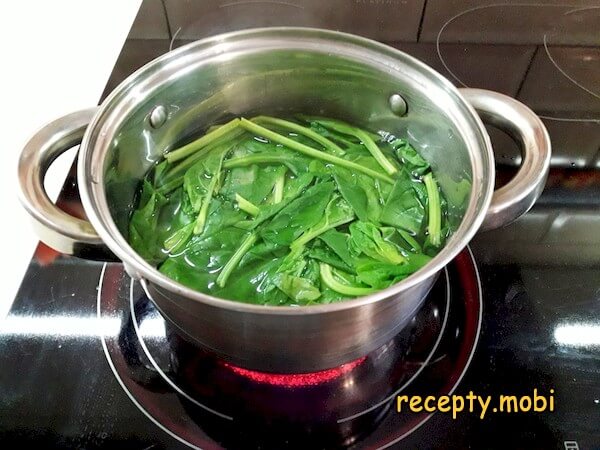
I rinse the spinach and drop it into boiling unsalted water. I blanch it for 2–3 minutes.
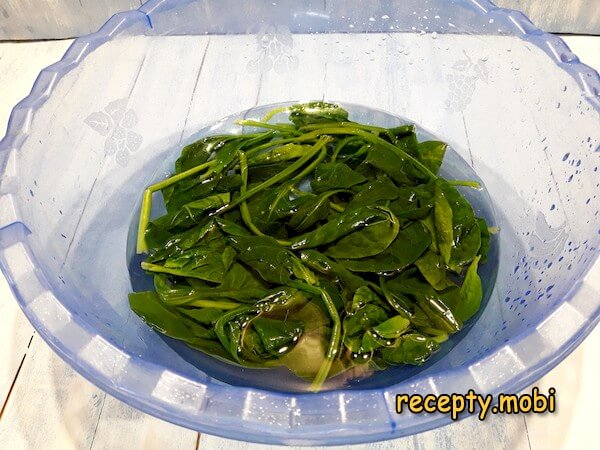
Then I lift the leaves out with a slotted spoon and transfer them to cold water to preserve the lovely emerald colour.
Once it has cooled, I squeeze the spinach.
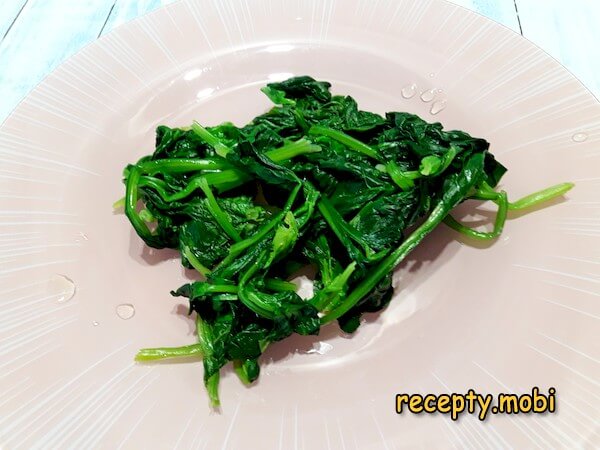
Then I grind it.
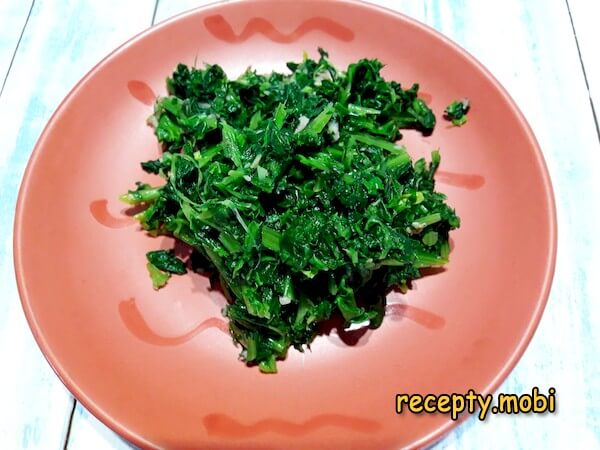
I first cut the beetroot into pieces, after which I pass it through the meat grinder and squeeze it a little.
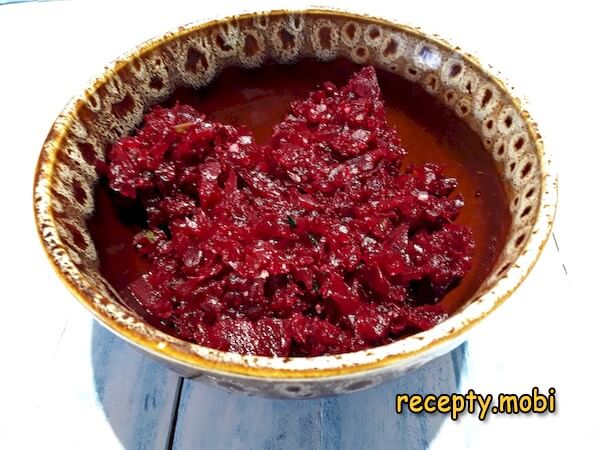
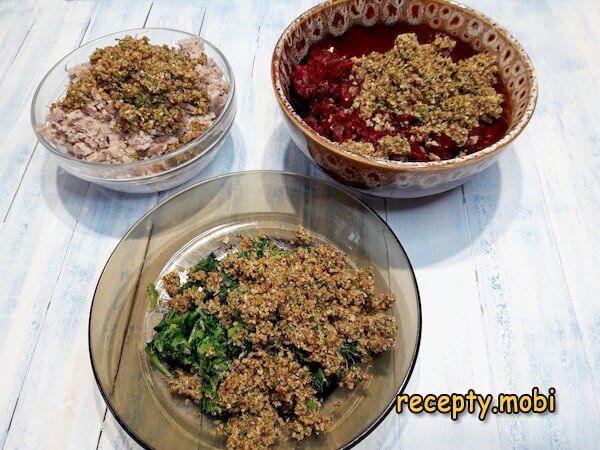
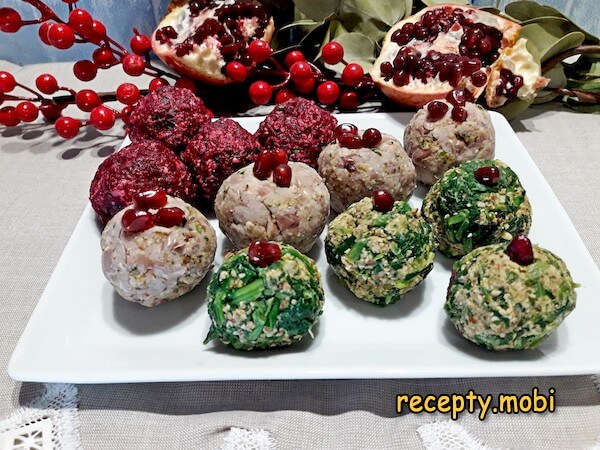
On the plates where the vegetable bases are laid out separately, I add the walnut dressing, dividing it proportionally between all the variations. I mix it in. Then I shape small balls.
Pkhali in Georgian style are usually garnished with pomegranate seeds. I arrange the colourful balls on a serving platter and serve them as an appetiser with meat or fish. Sometimes pkhali are used as a side dish.


Tips
- 1
ROAST THE WALNUTS – the "secret" of flavour. Raw walnuts are oily but lack aroma. A light roasting brings out the nutty flavour and makes them crisp.
- 2
SPINACH ON ICE – the "secret" of colour. Without a cold shock, spinach darkens to a swampy shade. Iced water fixes the bright green, emerald colour.
- 3
SQUEEZE EVERYTHING – the "secret" of shape. Wet beetroot or spinach will not let you form the balls. After squeezing, they hold their shape like dough.
- 4
UTSKHO-SUNELI – the "secret" of Georgia. This is the very "blue fenugreek" spice without which pkhali are not pkhali. Khmeli-suneli works, but utskho-suneli is more authentic. The same principle applies to other kinds of Georgian pkhali and satsivi.
FAQ
Which nuts should I choose? +
Ideally – fresh walnuts (200 g – the "Georgian classic"). Alternatives: almonds (200 g – "premium", milder), hazelnuts (200 g – brighter aroma), cashews (200 g – "premium"), a 50/50 mix of walnuts and almonds (100 g of each – "premium"), pecans (200 g – "American"), pine nuts (200 g – "premium"). Do not use: salted nuts (they upset the balance), nuts in caramel or honey, very old nuts (with a rancid aftertaste). For "classic pkhali" – fresh walnuts are essential.
What other bases for pkhali are there? +
Ideally – beetroot, spinach, beans (as advised in the recipe). Alternatives: pkhali made from green beans (250 g – milder), pkhali from white cabbage (300 g – "classic"), pkhali from young nettle (200 g – "premium spring option"), pkhali from wild garlic (150 g – "spring option"), pkhali from button mushrooms (250 g – "premium"), pkhali from baked eggplant (250 g – "summer option"), pkhali from boiled carrot (250 g – slightly sweet). Fresh seasonal vegetables are the "premium" option. Do not use: watery vegetables without squeezing, pickled vegetables (they spoil the flavour). For the "Georgian classic" – boiled or blanched greens and vegetables are essential.
How long do pkhali keep? +
In the fridge in a tightly closed container – 2–3 days. Any longer and the nuts begin to lose their aroma, while the garlic intensifies its smell. Before serving, let them stand for 10 minutes at room temperature. I do not recommend the freezer – the walnut dressing separates when thawed. Fresh pkhali are at their "star" best 1–2 hours after they are made (once they have "rested" in the cold and the aromas combine). On the second day the flavour is deeper and brighter. Do not leave them at room temperature for longer than 4 hours – the nuts and garlic oxidise quickly. It is best to make them "for one or two servings".
What to serve pkhali with? +
The Georgian classic: with lavash or flatbreads. With Imeretian khachapuri. With red Georgian wine (Saperavi, Khvanchkara). With a shot of chacha. With sulguni or brynza cheese. With pork or lamb shashlik. With chashushuli or satsivi served separately. With pomegranate seeds as a garnish. With fresh herbs (parsley, cilantro, tarragon). With a cup of Georgian tea. With kharcho or khashlama. For a "Georgian feast" – an essential appetiser. A versatile appetiser for both a Lenten and an everyday table.
- Comment
or post as a guest
Be the first to comment.