avg —
Canapés with Herring

Instructions
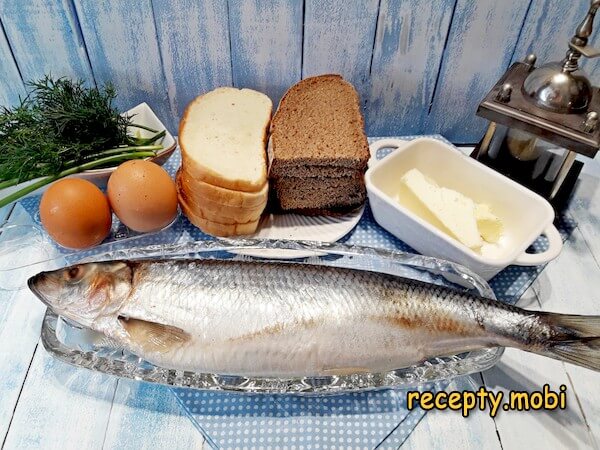
I prepare the ingredients for the herring canapés. The butter should be taken out in advance (about 10 minutes) so that it becomes soft. It is better to use different kinds of bread – white wheat, dark rye – the contrast gives the buffet cut an elegant look.
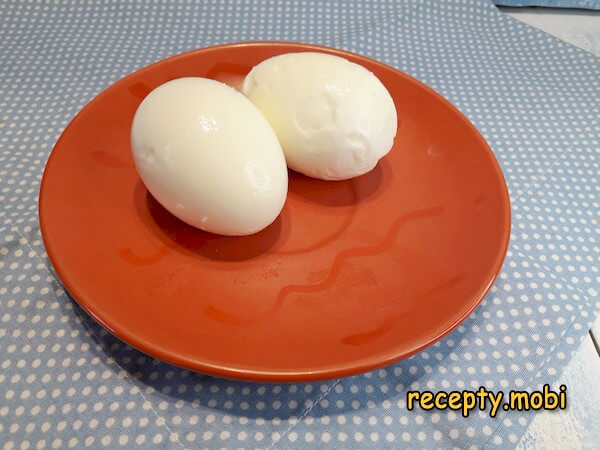
I hard-boil the eggs – this takes about 8 minutes. Only the yolk is needed; the white would be superfluous for the spread.
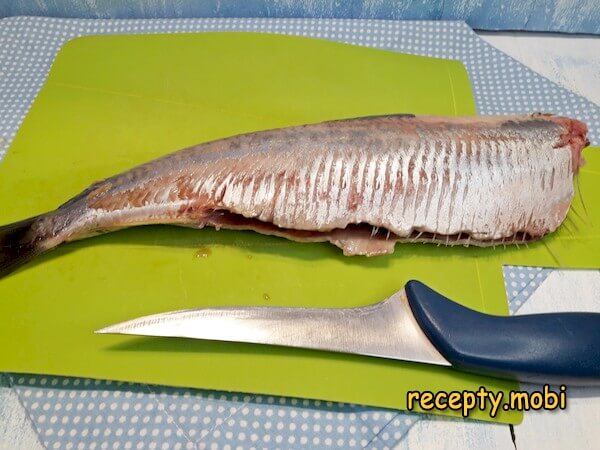
While the eggs are cooking, I deal with the herring. I cut off its head, make an incision along the back, and peel off the skin. I slit the belly open, remove the insides, and rinse the cavity – it is important to remove all the black film, otherwise the appetiser will taste bitter.
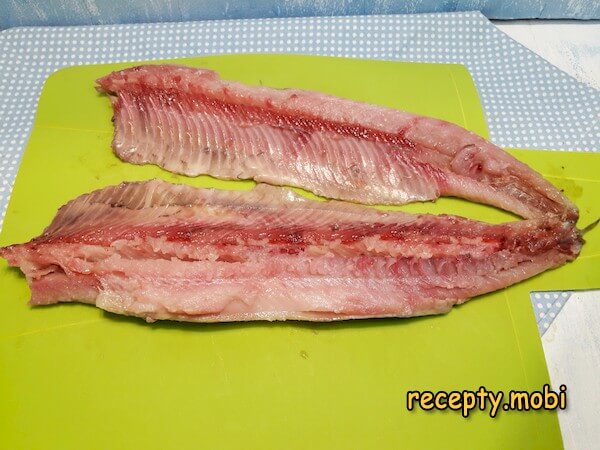
Then I separate the fillet from the bones. To do this I pinch the backbone of the fish with my fingers and pull the flesh away from the bone with a motion from head to tail – this is fairly easy to do if the fish is fresh.
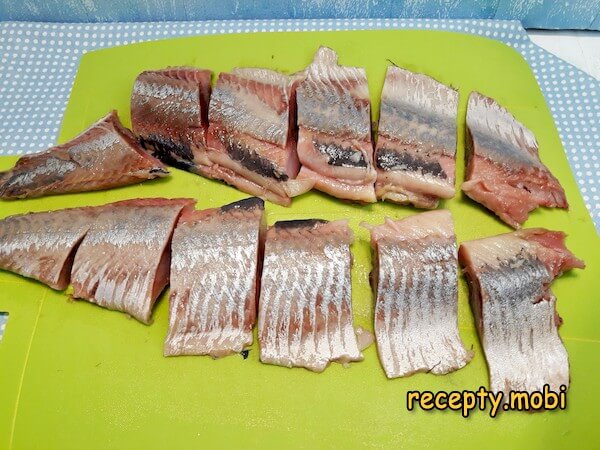
I cut the fillet into portion-sized pieces (about 3 cm each) – this is exactly the size that is convenient for a single bite.
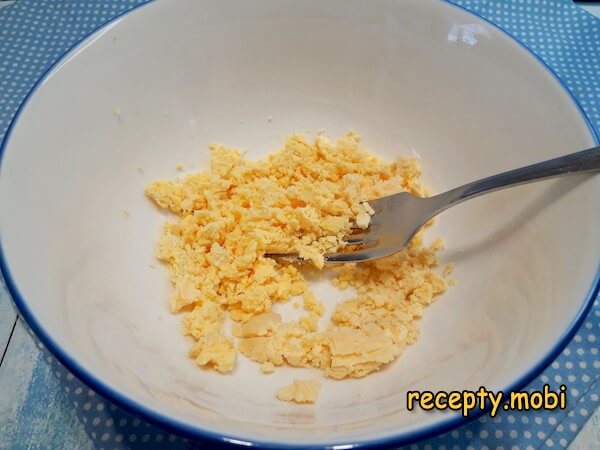
I cool the eggs in cold water and take out the yolks. I mash them with a fork, and the whites are no longer needed (they can be used in a salad). The yolk is the "secret" of the creamy tenderness of the spread.
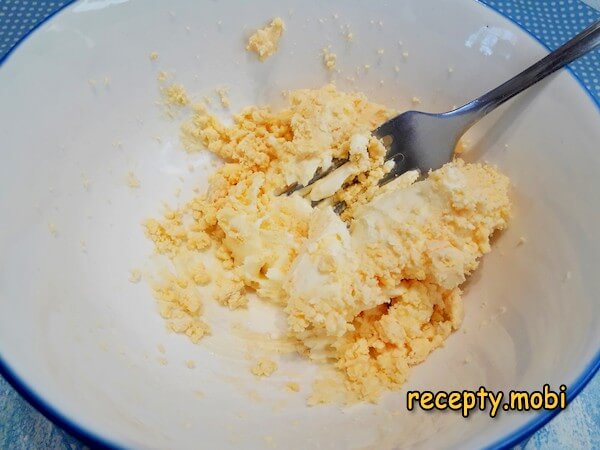
I add the soft butter to the mashed yolks and rub everything together well – the result should be a smooth, creamy mass without lumps, like a "cream".
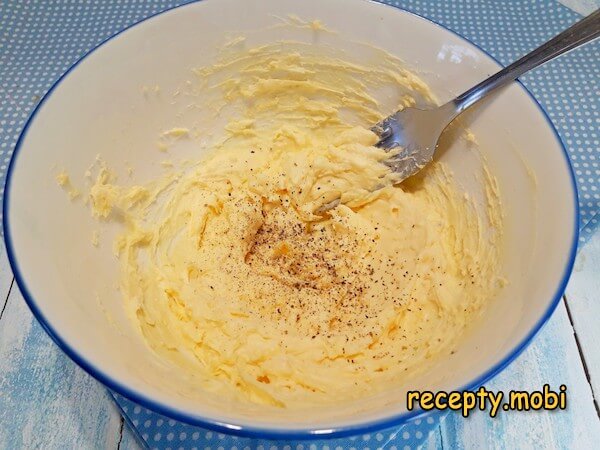
I season the mass with freshly ground pepper – the spicy note gives the creamy spread depth.
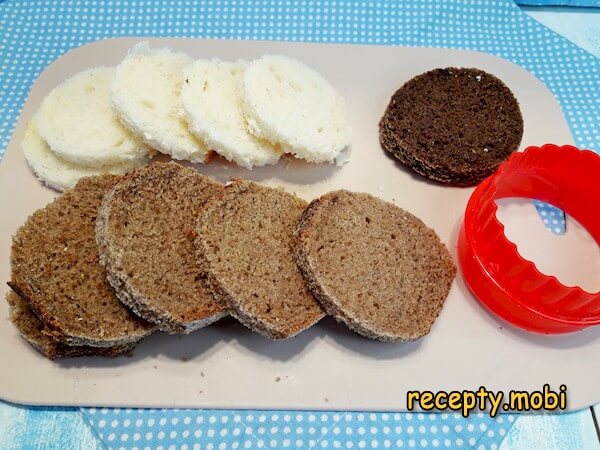
Using a round cutter 5-6 cm in diameter, I prepare the bread base for the canapés. Instead of rounds, you can cut squares 3-4 cm on a side from different kinds of bread – a "mixed" buffet look.
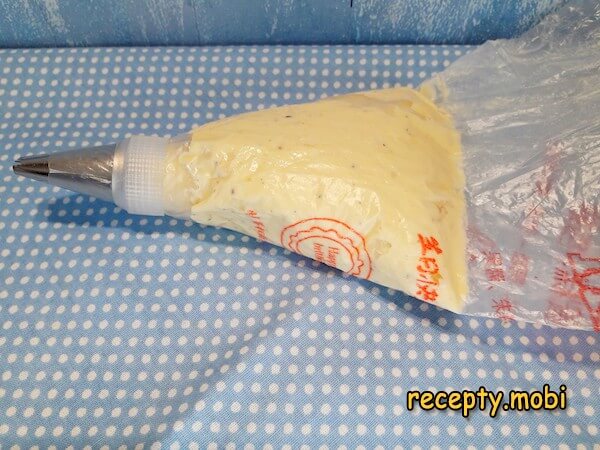
I transfer the creamy yolk mass into a piping bag with a shaped nozzle – it is the shaped nozzle that gives the canapés a beautiful ribbed "rim".
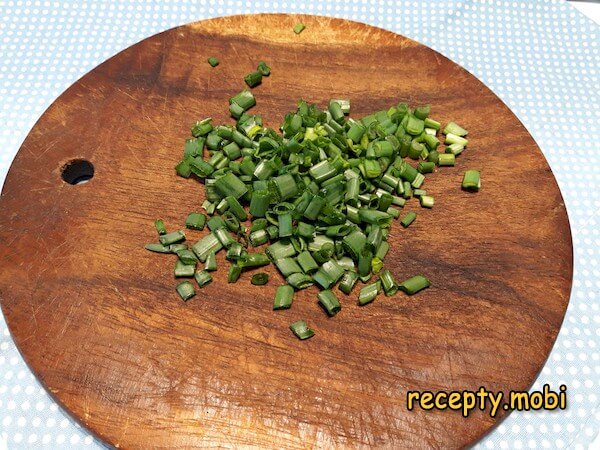
I finely chop the green onion feathers – a thin "green sprinkle" inside the canapés.
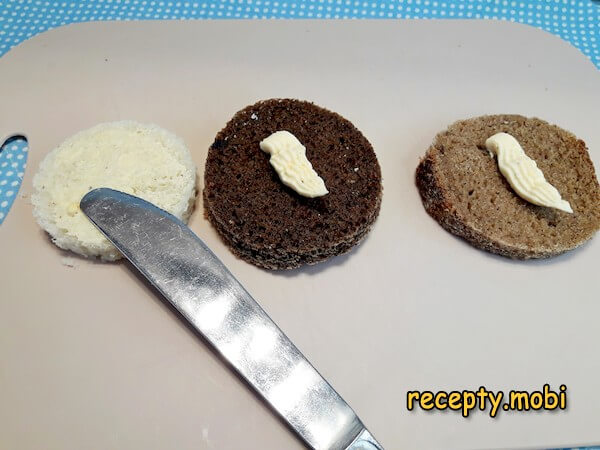
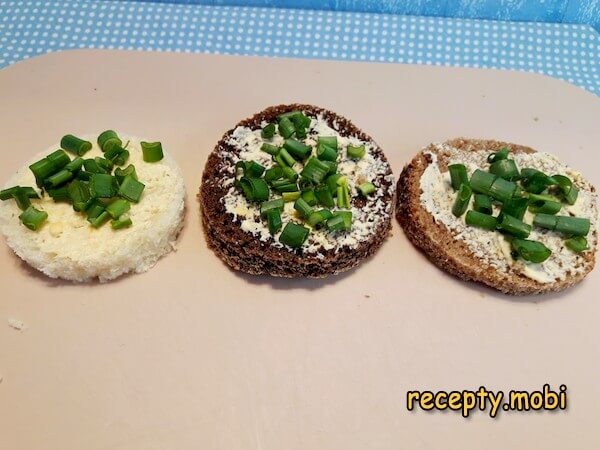
I squeeze a little of the creamy spread onto the bread and spread it over the whole surface with a knife. This is needed so that the onion, which will lie on top, holds well in place – the yolk-and-butter spread works as "glue".
I scatter a little green onion – in a thin, even layer, so that every bite includes a "green" note.
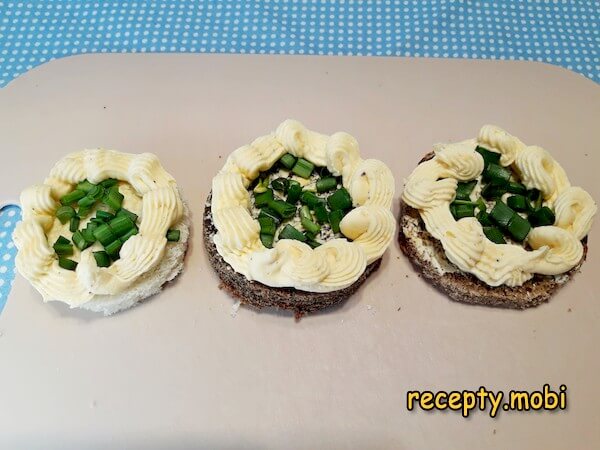
From the piping bag I squeeze a shaped rim along the edge of the bread base – this is a "decorative frame" that separates the herring from your hand while eating.
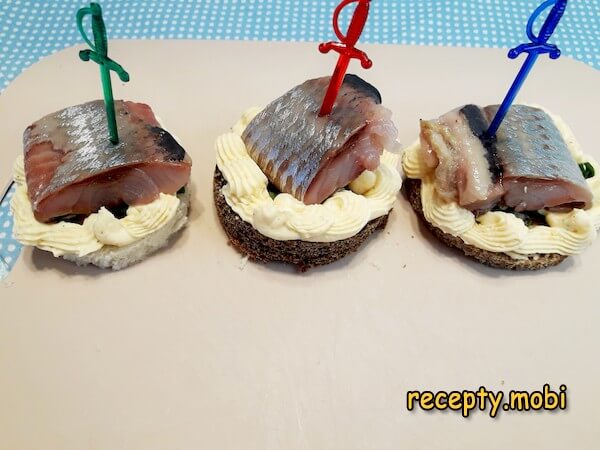
In the centre I place a piece of herring and secure it with a skewer – the skewer not only holds the fish, but also serves as a "handle" by which a guest picks up the canapé.
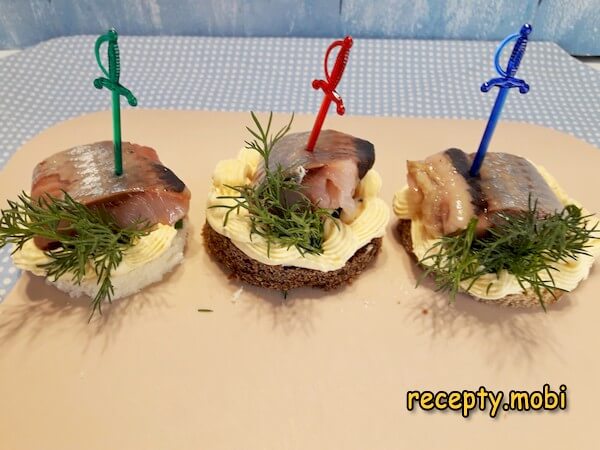
I add a sprig of dill – a green final accent that completes the canapé "pyramid".On a serving plate you can present the herring canapés together with a little lemon, tomato wedges, and cucumber. The wonderful taste of lightly salted fish and creamy spread, served on portion-sized pieces of bread, will leave no one indifferent. It is the perfect appetiser for a festive buffet or a quick "reception" of guests – it takes 20 minutes to make, yet looks as if it came from a restaurant.


Tips
- 1
FATTY LIGHTLY SALTED HERRING is the "secret" of a successful appetiser. Dry or heavily salted herring will not give the creamy softness needed for canapés. The ideal choice is Atlantic lightly salted herring of a fatty winter cure (with layers of fat between the flesh and the skin), weighing 400-500 g. Signs of quality at the market: shiny, firm skin, bright red gills, and cloudy "roe-like" streaks on the fillet. A fresh cut without a stale fishy smell is the key condition.
- 2
THE YOLK-AND-BUTTER SPREAD is the "secret" of creamy tenderness. Just butter on bread is plain, just yolk is too dry. The combination of a boiled yolk (mashed with a fork into a paste) and 75 g of soft butter creates a "Parisian" cream – velvety, buttery, with a rich egg flavour. A ratio of 1:2 (yolk to butter) is optimal. An alternative spread is cream cheese (such as Almette or Philadelphia) with herbs, as in herring forshmak, only without the apple.
- 3
A MIX OF BREAD is the "secret" of a striking buffet look. Canapés made only from white bread are monotonous. Only from dark bread – "rustic". A combination of rye Borodinsky, white sandwich loaf, and wholegrain with seeds gives a "varied" cut that looks elegant on any plate. The proportion is 4:4:4 (4 canapés of each bread). The bread should be fresh, but not "wet" – left to dry for 2-3 hours in the air, it holds its shape better.
- 4
THE SKEWER AS A "HANDLE" is the "secret" of buffet convenience. Without a skewer, a canapé falls apart in a guest's hand – the top piece of herring slides off and the appetiser is ruined. The skewer not only holds the "pyramid" together but also serves as an elegant "handle". Use wooden "Japanese" skewers 8-10 cm long with a decorative top (with a coloured paper, ribbon, or flag). Insert the skewer strictly through the centre of the canapé, vertically – not at an angle. A similar principle of "buffet serving on a skewer" is used together with other herring dishes – for example, herring under a fur coat with apple, cut into small portion-sized cubes.
FAQ
What can replace herring in canapés? +
If there is no herring or you fancy some variety. The best alternatives: lightly salted mackerel (fattier, more tender), lightly salted trout (a refined "salmon" variant), lightly salted salmon (a classic), smoked mackerel (with a smoky aroma), marinated sprats (smaller pieces, easier to shape), and sprats in oil (a ready option, already "buttery"). Red caviar also works on fish canapés instead of fillet – on the same yolk spread. The main thing is salted or lightly salted fish, not raw.
Which bread is best for making canapés? +
Bread that has been left to dry for 2-3 hours in the air is ideal – it holds its shape better when cut and does not crumble. The best types: rye Borodinsky (a classic with herring), white "rectangular" sandwich bread (easy to cut), wholegrain with seeds (for a "fitness" buffet), and yeast-free rye (for a "healthy" format). Fresh, soft bread is not the best choice – it gets squashed under the pressure of the cutter. Stale, dry bread is also bad – it crumbles when cut. The ideal is medium-dried 2-3-day-old bread.
Can the canapés be made in advance? +
Fully assembled canapés keep poorly – no more than 2-3 hours in the fridge (covered with film). The bread quickly gets soggy from the herring oil and loses its crispness. The best strategy: a day ahead you can make the spread (store it in the fridge in a container), slice the herring (place it in butter), and cut out the bread bases (store them in an airtight bag). Then, 30 minutes before serving – a quick assembly. This way the canapés keep their freshness and attractive appearance. The greens and dill go on strictly before serving.
What to serve with herring canapés on a buffet table? +
The classic buffet company. Vegetable platters: thin lemon slices, cherry tomatoes cut in half, mini marinated cucumbers, and olives. Cheese canapés: cheese with grapes on a skewer, brie with honey. Meat appetisers: sliced baked ham with mustard, dry-cured sausage. With drinks: ice-cold vodka (a classic with herring), dry white wine (Riesling, Sauvignon Blanc), sparkling wine (Prosecco), light lager beer. For a non-alcoholic buffet: mors (fruit drink), tomato juice, mineral water. Serve on a long wooden board or a rectangular porcelain dish.
- Comment
or post as a guest
Be the first to comment.