avg —
Beet Salad with Garlic and Walnuts

Instructions
I choose medium-sized red beetroot (300-400 g each) with a deep colour – it is sweeter and brighter than pale varieties. I scrub it thoroughly with a brush and bake it whole in foil at 180 °C for about 60 minutes until soft (check with a sharp knife – it should slide in easily). At the same time I shell the walnuts and remove the inner membranes – they add bitterness, so be sure to take them out.
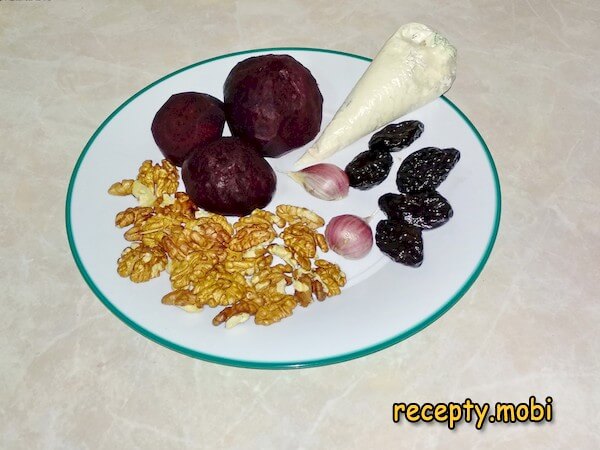
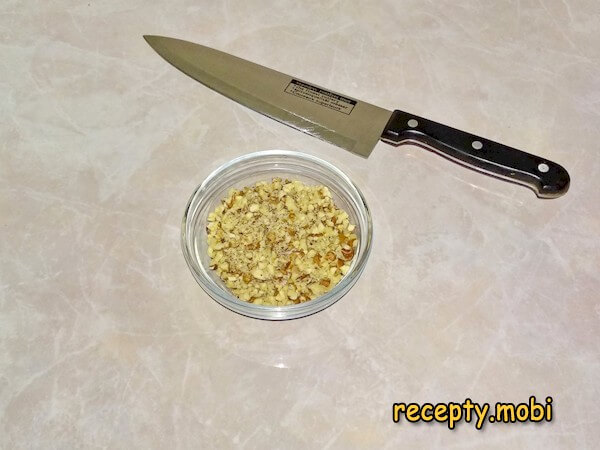
I chop the nuts with a knife into large pieces of 3-5 mm, or crush them with a rolling pin inside a sturdy bag – this way I control the size. I do not use a blender, as it grinds the nuts into a fine paste that loses its crunchy texture. Large pieces of nuts "work" in the salad as a contrast to the soft beetroot and give a pleasant play of textures.
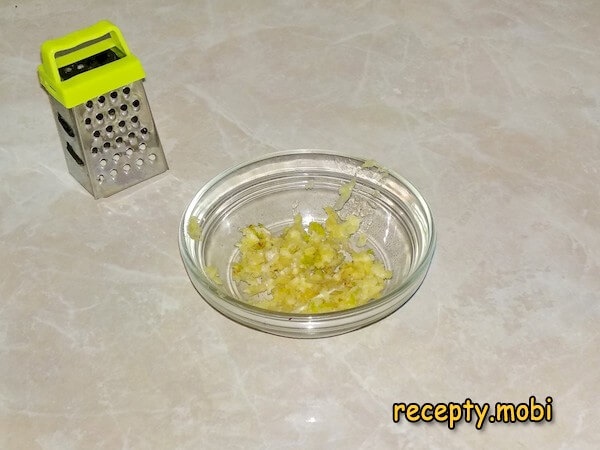
I pass the garlic (2 cloves) through a press or grate it on a fine grater for maximum aroma. Finely crushed garlic gives the most intense flavour – the garlic juice instantly spreads through the salad. If the garlic is too sharp, reduce it to 1 clove; it is very easy to overdo, as harsh garlic will "kill" the delicacy of the beetroot and nuts.
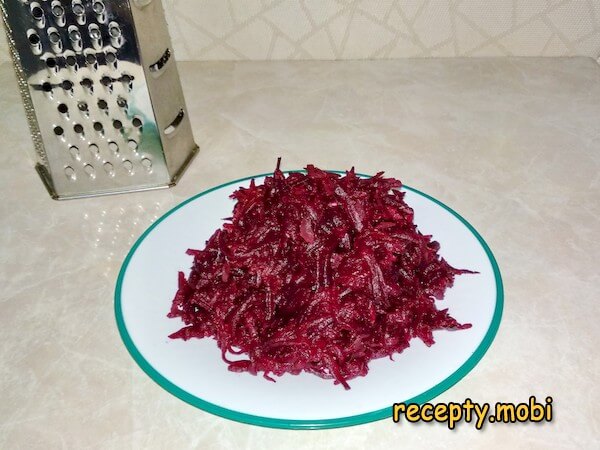
I grate the cooled baked beetroot on a coarse grater into a large bowl. I use the coarse side specifically – the fine side turns the beetroot into mush, which "loses" its texture. If the beetroot is hot, let it cool before grating, otherwise the grated beetroot will "spread" and release a lot of juice, making the salad watery.
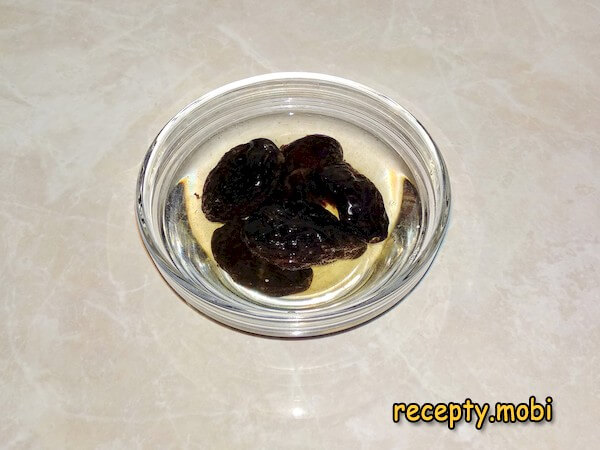
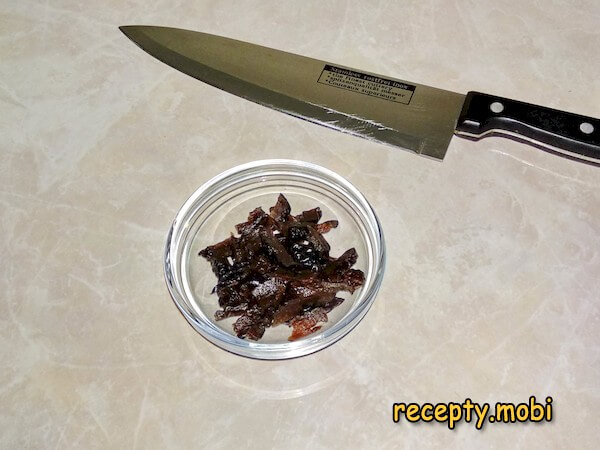
I pour warm water over the prunes (7 pcs) for 5-10 minutes to soften them, then drain the water and pat them dry with a paper towel. Soaking makes the prunes soft and pliable, so they cut easily and do not "fall apart" in the salad. Without soaking, hard prunes will be tough on the teeth and spoil the impression of the appetizer.
I chop the soaked prunes into small cubes of 5-7 mm or into thin strips. Cubes give an even distribution of prunes throughout the salad – there will be a piece in every spoonful. Strips are a more "decorative" option, but they go unnoticed in a mixed salad. The main thing is to cut them small enough so there are no large "lumps" of sweetness.
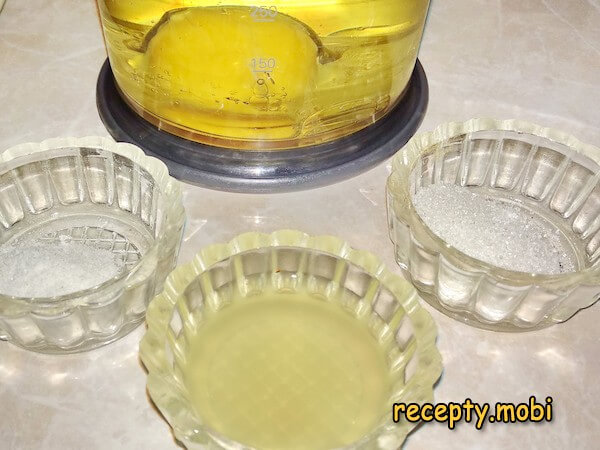
If I want homemade mayonnaise, I combine 1 egg, 1 teaspoon of mustard, salt and lemon juice in a blender beaker and gradually add vegetable oil. Homemade mayonnaise contains no preservatives or emulsifiers – it is cleaner in composition and brighter in taste. For a salad with garlic, homemade mayonnaise is especially good, as the combination of a fresh sauce with the spices brings out the "Georgian" character of the appetizer.
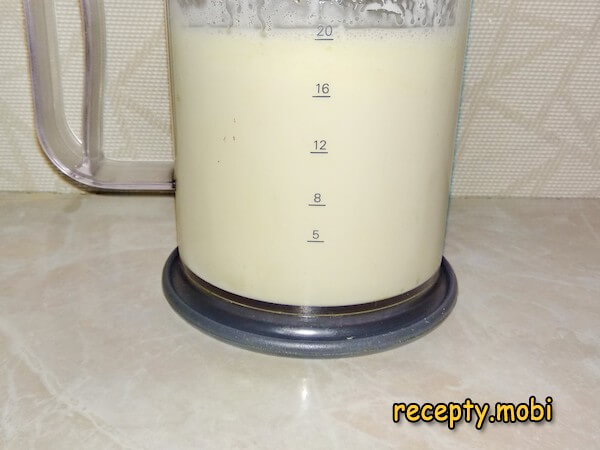
I whip the mayonnaise with the blender at high speed without lifting it off the bottom of the beaker – this gives a stable emulsion. Thick homemade mayonnaise is ready in 30 seconds. If the mayonnaise "splits" (the oil separates from the egg), it means the oil was added too quickly. Start again, adding the oil in a thin trickle, drop by drop.
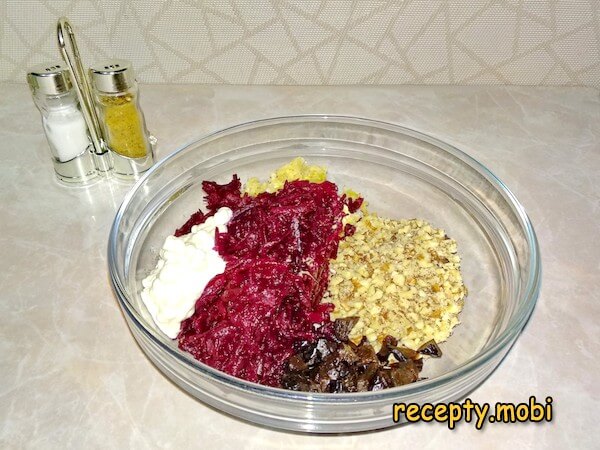
In a large bowl I mix the grated beetroot, chopped prunes, garlic and most of the nuts (keeping 1 tablespoon for garnish). I dress it with mayonnaise and mix thoroughly. I let it stand in the fridge for 30-60 minutes to soak – the flavours come together, the garlic "spreads" through the salad and the prunes pass their sweetness to the beetroot.
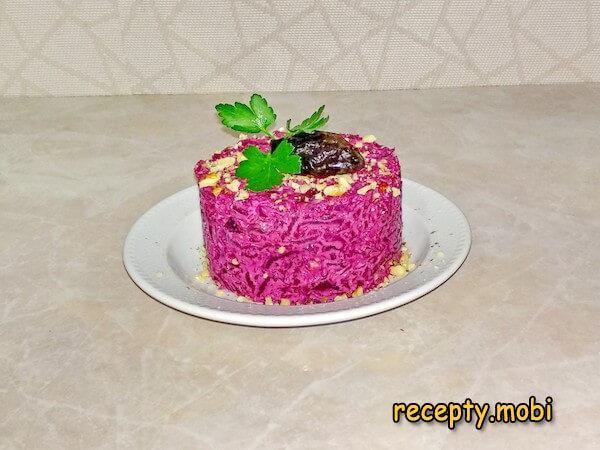
I serve the salad in individual glass dessert bowls or shape it into a neat ring on a plate using a serving ring. On top I garnish it with the remaining chopped nuts and a couple of pieces of prune. Portioned serving is a "restaurant" presentation that looks more impressive than a salad bowl.
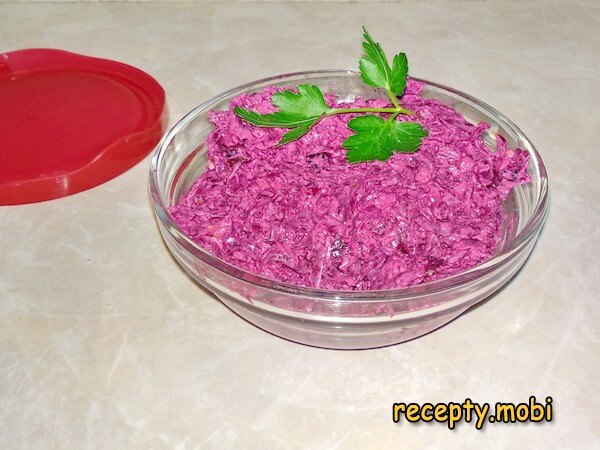
The beet salad with garlic and walnuts is ready! Serve it chilled as an appetizer with meat dishes, alongside a main course, or simply as a dish in its own right for a light supper with a glass of red wine.


Tips
- 1
Beetroot baked in foil is tastier than boiled – it keeps its sweetness, colour and vitamins instead of "pouring" them out into the water.
- 2
Homemade mayonnaise makes the salad tastier and healthier than shop-bought – there are no preservatives and the flavour is brighter.
- 3
You can dress the salad with unrefined vegetable oil or sour cream instead of mayonnaise for a lighter version. I use a similar approach for my beet salad with garlic.
- 4
Serve it as an appetizer with meat dishes, shashlik or Georgian cuisine – beetroot with garlic and nuts is a perfect match for grilled meat.
FAQ
Can I make it without prunes? +
Yes, replace the prunes with raisins (dark or golden) or dried apricots – they will give a similar sweetness and sweet-and-sour contrast. Dried cranberries or cherries also work well for a more tart flavour. The salad is good without dried fruit too – it will be more "earthy" and savoury, without the sweet notes. You can add fresh pomegranate seeds instead of prunes – they bring juiciness, a touch of acidity and a festive look. Each substitution will change the character of the appetizer, but the basic "Georgian" concept stays the same.
What can replace the walnuts? +
Pine nuts (a more delicate flavour, more expensive), almonds (crunchy texture, neutral flavour), hazelnuts (fragrant, with a light sweetness) and pecans (buttery, savoury) all work. Pumpkin seeds are a budget-friendly substitute with a similar texture. Cashews add creaminess but change the character of the appetizer. For the "Georgian" original, use walnuts specifically – they are the classic choice for beetroot appetizers of the region. Before adding, you can lightly toast the nuts in a dry pan to enhance their aroma.
How long does the finished salad keep? +
The finished salad keeps in the fridge for up to 2 days in a tightly closed container. After 2 days the beetroot starts to "turn", the mayonnaise separates and the salad loses its freshness. It is best eaten within 1 day. If you are making it ahead, grate the beetroot in advance, but combine all the ingredients and dress the salad just before serving. Do not leave it at room temperature for more than 2 hours – mayonnaise spoils quickly in the warmth, especially homemade mayonnaise without preservatives. Serve it fresh for maximum flavour.
What should I serve the salad with? +
It is ideal with meat dishes: shashlik, chicken tabaka, basturma, homemade sausages and roast pork. With Georgian cuisine: khachapuri, lobio and chakhokhbili. As an appetizer with a dry red wine (Saperavi, Kindzmarauli) or with brandy. For the festive table, serve it as part of a set with other beetroot appetizers (beetroot with nuts, vinaigrette, herring under a fur coat). Serve it with lavash or dark bread. It is especially good in winter – it warms you up and lifts the mood thanks to its bright colour and rich flavour.
- Comment
or post as a guest
Be the first to comment.