avg —
Tbilisi Salad with Red Beans and Beef

Instructions
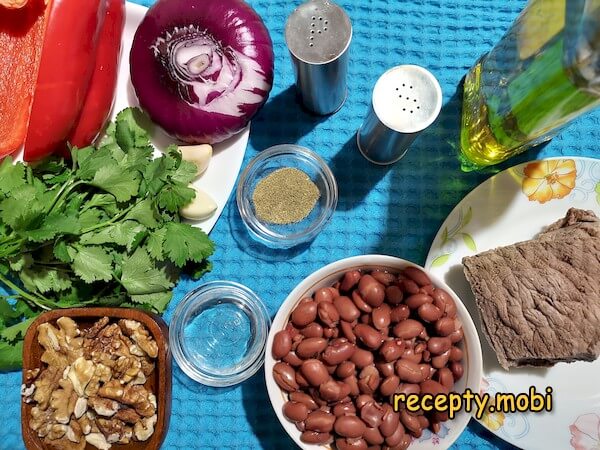
I prepare the ingredients I need for the Tbilisi salad with red beans and beef. Rinse the bell pepper and remove the seeds. Drain the liquid from the canned beans and rinse them. Peel the red salad onion. Rinse the cilantro thoroughly under running water and pat it dry with a paper towel.
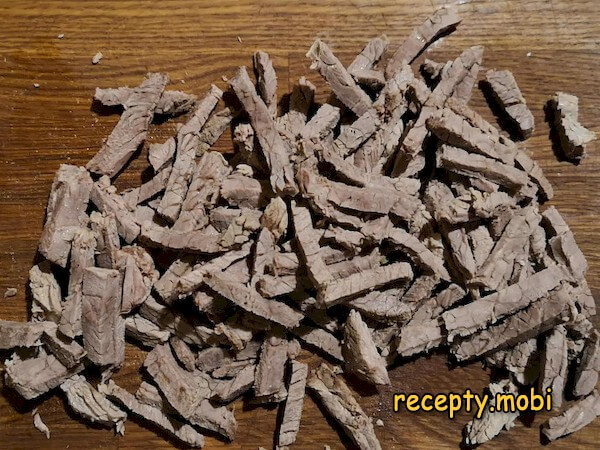
Cut the boiled beef pulp into thin strips.
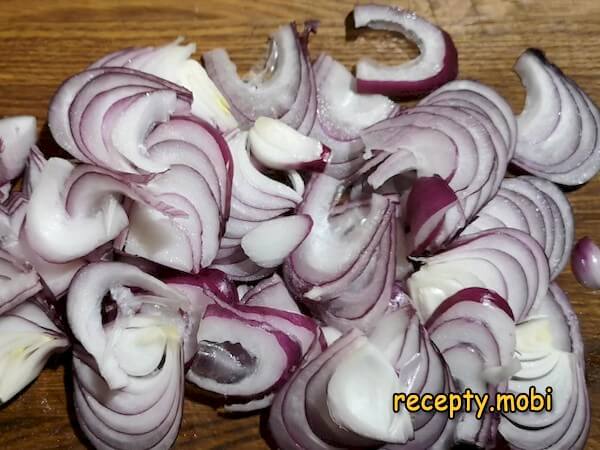
Slice the onion into quarter-rings. If the onion is too pungent, pour boiling water over it for a few minutes to take away the sharpness.
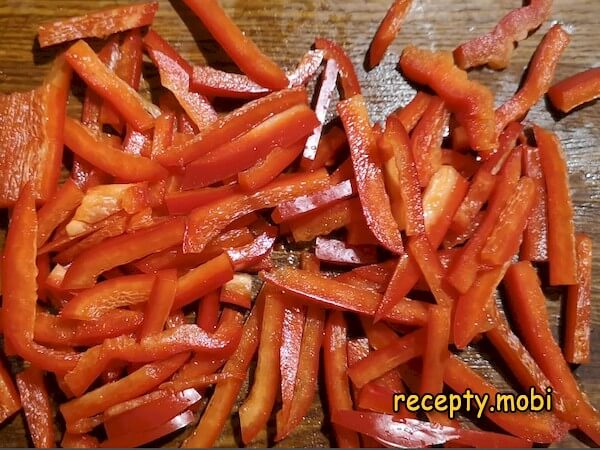
Slice the peeled bell pepper into thin strips.
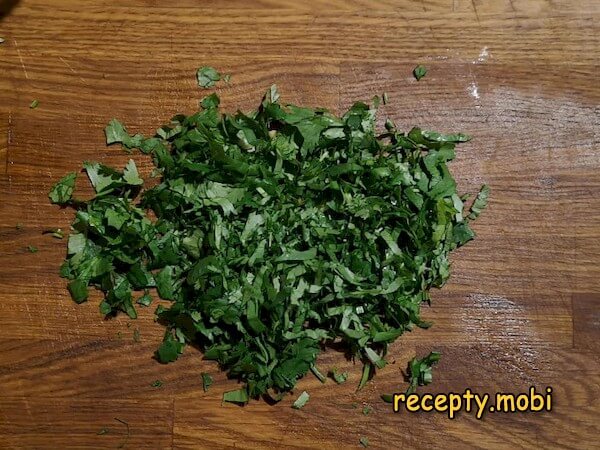
Trim the cilantro stems and chop the leaves finely.
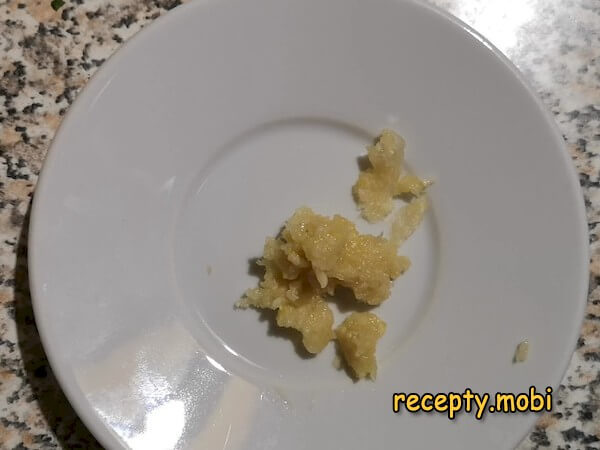
Grate the garlic on a fine grater.
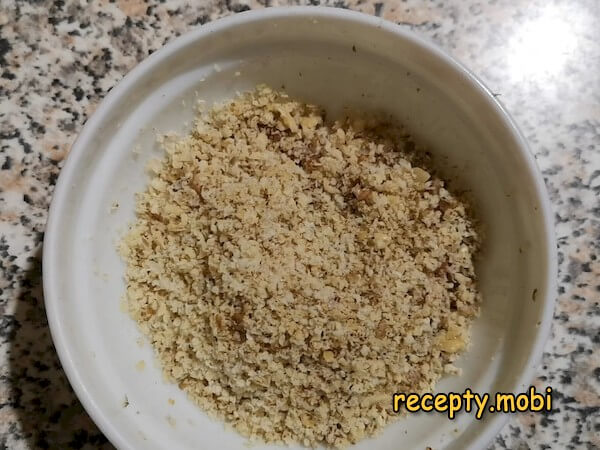
Grate the walnuts on the same grater.
Make the dressing: combine 5 tbsp of vegetable oil with 1 tbsp of wine vinegar.
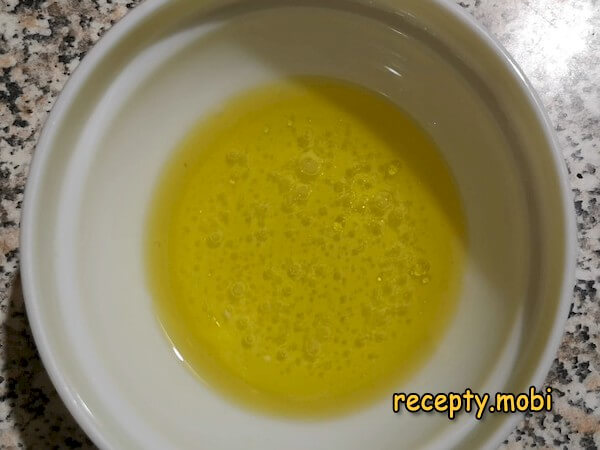
Transfer the prepared beef, onion, bell pepper, walnuts, garlic, cilantro, and the canned beans to a deep salad bowl.
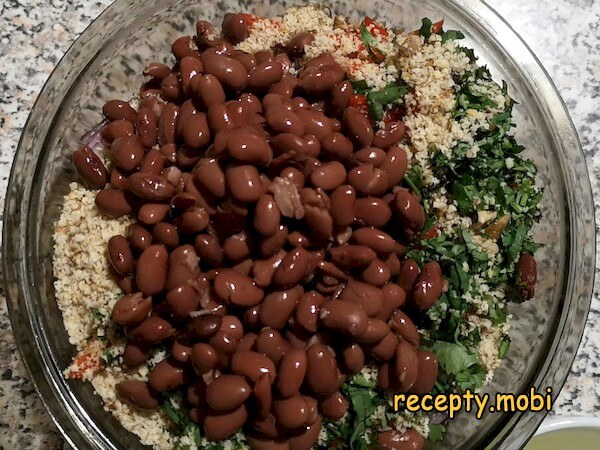
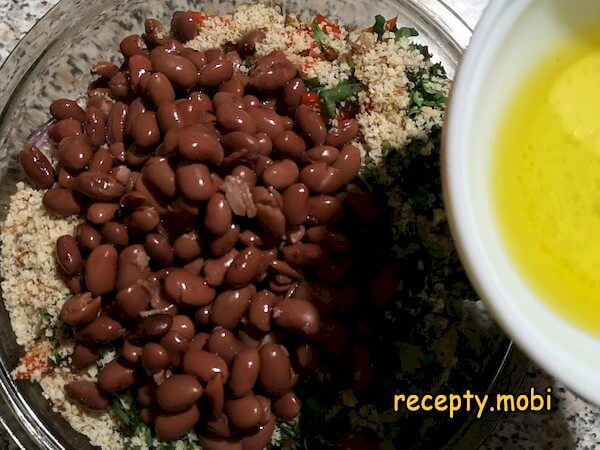
Pour the prepared dressing over the salad.
Add 1 tsp of khmeli-suneli. Season with salt and ground black pepper to taste.
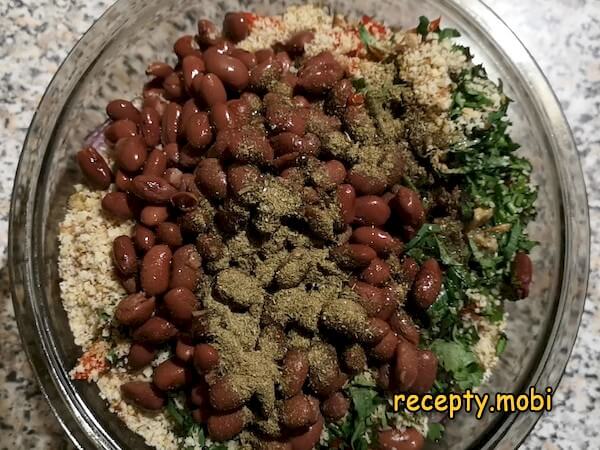
Mix everything thoroughly. The Tbilisi salad with red beans and beef is ready.
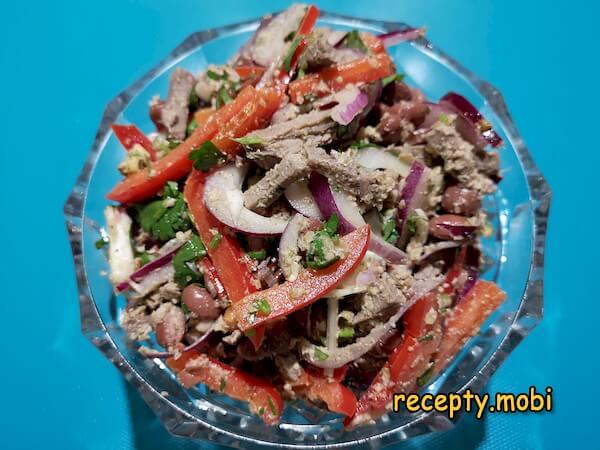


Tips
- 1
Khmeli-suneli is the secret of Georgia. Without this spice blend the salad turns out bland. One teaspoon gives the right Georgian accent of fenugreek and coriander.
- 2
Pouring boiling water over the onion is the secret to mildness. Raw red onion can be harsh. Boiling water removes the sharpness in 2 to 3 minutes, leaving the sweetness behind.
- 3
Grated nuts are the secret to the texture. Chopped nuts scatter around the plate. Grated on a grater, the nuts coat the other ingredients evenly.
- 4
Wine vinegar, not table vinegar, is the secret to the flavour. Table vinegar is sharp and flat. Wine vinegar is soft and fruity, and it harmonises with the nuts and the khmeli-suneli. The same principle works in other Caucasian meat salads.
Video
FAQ
Which beef should I choose? +
The ideal choice is boiled shoulder or tenderloin (200 g of cooked meat is about 250 g raw). Alternatives include boiled veal (200 g, more tender), boiled beef tongue (200 g, a premium option), roast beef (200 g, brighter flavour), boiled lamb (200 g, a Caucasian classic), or a 50/50 mix of beef and veal (100 g of each). Avoid sinewy beef, which is hard to chew, as well as smoked meat, which throws off the flavour. For a true Tbilisi salad, boiled beef pulp is a must.
What can replace the cilantro? +
Alternatives include fresh parsley (35 g, without the distinctive aroma), a 50/50 mix of parsley and basil (17 g of each), fresh dill (35 g, milder), fresh tarragon (15 g, a brighter herb), or a 50/50 mix of cilantro and parsley (17 g of each). Avoid salted herbs, which upset the balance. For a true Georgian flavour, fresh cilantro is a must.
How long does the salad keep? +
In the fridge, in a tightly closed container, it keeps for 1 to 2 days. Any longer and the vegetables release their juice, the onion grows sharper, and the nuts soften. Before serving, let it stand for 10 to 15 minutes at room temperature so the olive oil warms up. I do not recommend freezing it, as the texture breaks down. On the second day the flavour is deeper and the spices brighter. Do not leave it at room temperature for longer than 4 hours in a warm room.
What should I serve Tbilisi salad with? +
The Georgian classics are lavash or flatbread. It also goes well with shashlik (pork, beef, or lamb), with khachapuri, with sulguni or brynza cheese, with boiled rice, and with meat chebureki. For a Georgian feast, serve it alongside other Georgian dishes. It is a festive Caucasian salad for the table.
- Comment
or post as a guest
Be the first to comment.