avg —
Dandelion jam (dandelion honey) homemade: easy and quick

Instructions
I gather and prepare the dandelion flowers. I take only the fully open, sunny heads (not buds) – they hold the most nectar. I collect them in the morning in dry weather, well away from roads and factories. If the flowers close on the way home, do not be alarmed, this is perfectly normal.
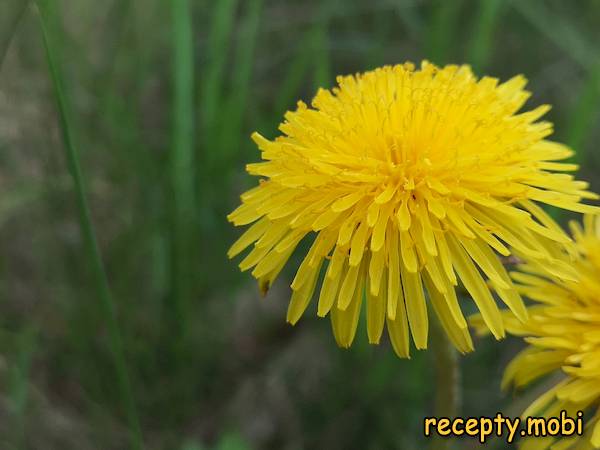
I rinse the flowers under running water to wash off the dust and the small insects that always hide inside.
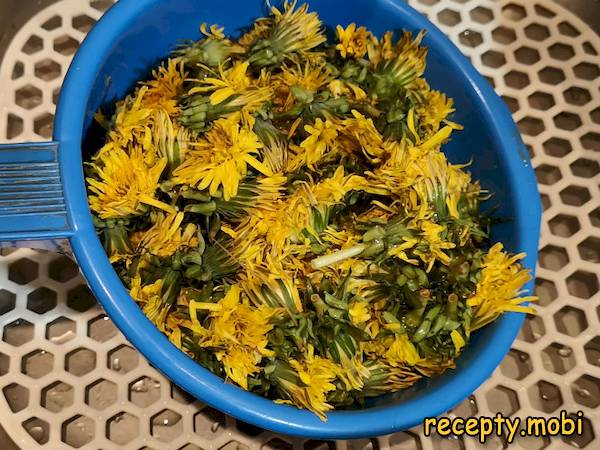
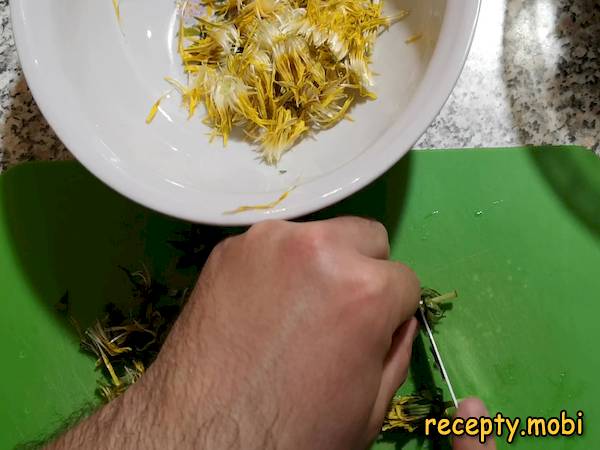
I always cut off the lower green part (the sepals) – otherwise the jam will turn bitter. I do this with a knife or scissors.
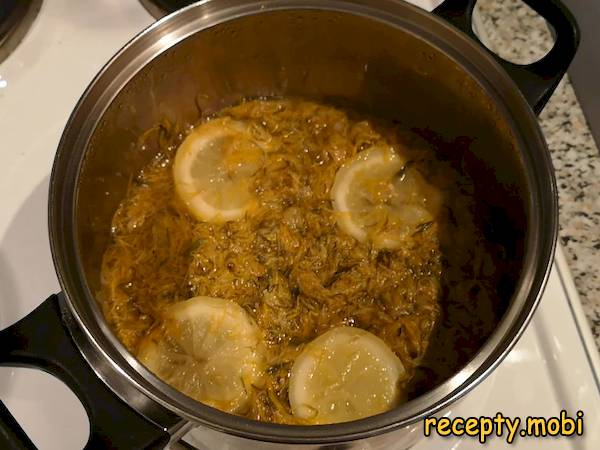
I transfer the dandelions to a saucepan, pour in 200 ml of water and add the half lemon. I set the heat to maximum.
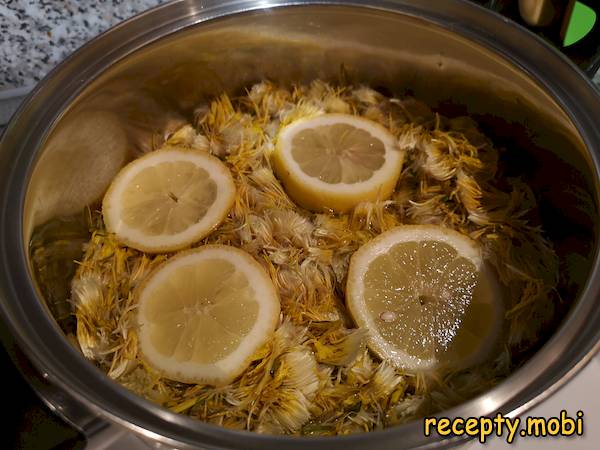
I bring it to the boil, then reduce to a medium heat. I cook it for 15 minutes.
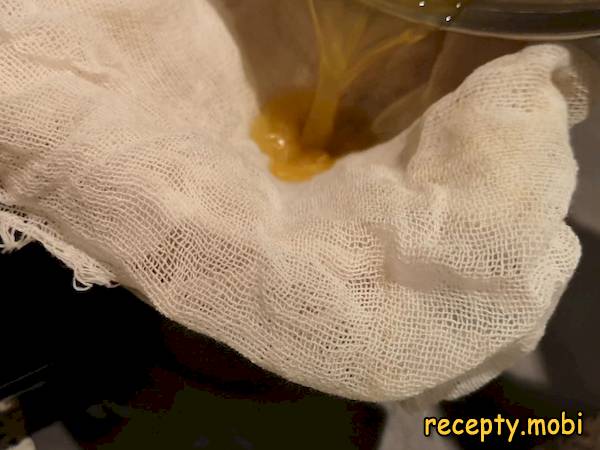
I strain the liquid through muslin – the flowers and lemon have given up their flavour and are no longer needed.
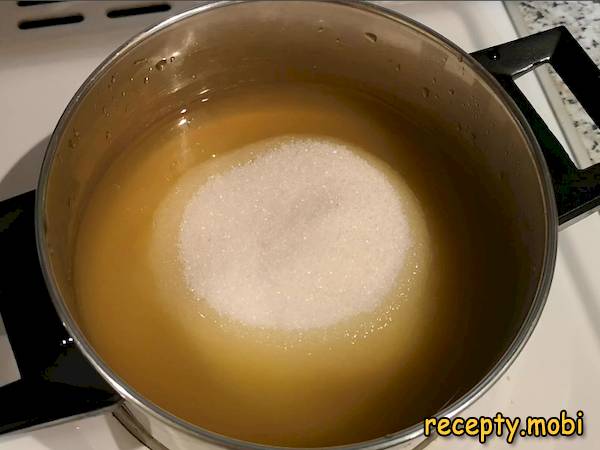
I add 200 g of sugar to the liquid and stir. I put it on maximum heat. Once it boils, I reduce it to just below medium. I cook it for 30–40 minutes, stirring from time to time. For a thicker jam, I increase the cooking time.
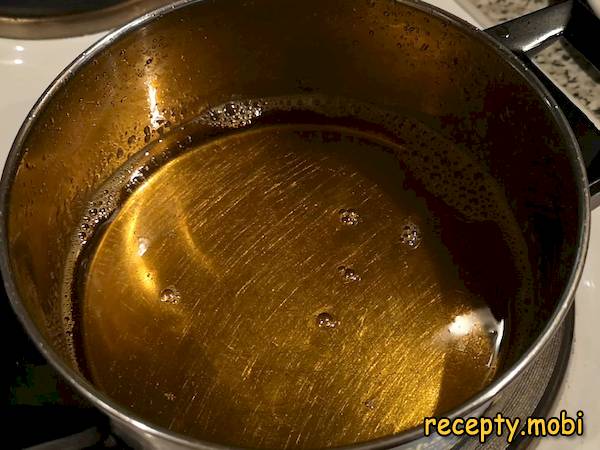
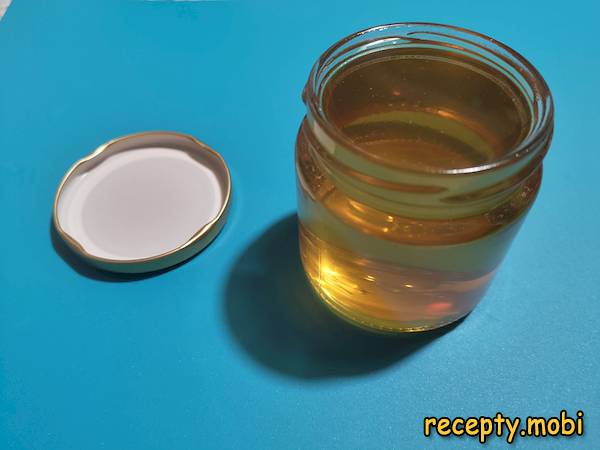
After 30–40 minutes the jam has changed colour to amber. To test for doneness: I drop a little cooled jam onto a saucer – if the drop does not spread, the dandelion jam is ready. Those who like it thick can cook it longer.
I pour the jam into a clean jar. As it cools it will thicken, like real honey.Delight your loved ones with dandelion honey. Bon appetit!


Tips
- 1
Be sure to cut off the GREEN PART (the sepals) – it is exactly what gives the bitterness. Without doing this, the jam will end up with a "grassy" aftertaste.
- 2
Collect dandelions in the MORNING in dry weather, well away from roads and industrial zones – the flowers readily absorb exhaust fumes and dust. A clean, unpolluted spot is the key to a wholesome jam.
- 3
The lemon adds pectin for better setting and "balances" the sweetness. Without lemon the jam turns out cloyingly sweet and takes longer to set.
- 4
Check for doneness with the "drop on a saucer" method – a drop of cooled jam should not spread. I use this same method for other berry jams too.
Video
FAQ
What is dandelion jam good for? +
Folk medicine credits dandelion honey with the following: an anti-cold effect (it is drunk for coughs with warm tea), support for the liver (dandelion flowers are a choleretic), and a source of vitamin C and carotenoids. But it is NOT a medicine, rather an addition to the diet – with serious illnesses a doctor's consultation is essential. Contraindications: an allergy to pollen (dandelion is a strong allergen), digestive problems in an acute phase, and individual intolerance. Diabetics should use it with caution because of the sugar.
Can it be made without lemon? +
It can, but a substitute is needed. Alternatives: citric acid (1/2 tsp for this quantity), an orange with its peel (a more "citrusy" aroma), or the juice of 1 lime. Without acid the jam turns out cloyingly sweet and may crystallise during storage. The acid is not only for flavour but also acts as a natural preservative (it lowers the pH). The minimum is 1 tbsp of lemon juice instead of half a lemon. For thickening you can add 1 g of agar-agar or 1 tsp of pectin – but that is already a "jam-jelly", not a classic jam.
How long does dandelion jam keep? +
In the refrigerator in a closed, sterilised jar – up to 1 year. Without sterilisation – up to 3 months in the refrigerator. At room temperature – no more than 2 weeks in a dark place. If mould appears on the surface (this happens with insufficient sterilisation or too much water), the jam has spoiled, so throw it away. For long storage: sterilise the jar and lid, pour the hot jam into a hot jar, and seal it straight away. The shelf life depends on the ratio of sugar to water – more sugar = longer storage.
What time of year should dandelions be collected? +
The ideal time is late April to mid-May, when dandelions bloom en masse. In central Russia – the first two ten-day periods of May; in the southern regions – late April. Collect on a sunny day in the morning (after 10:00, once the dew has dried), in dry weather – damp flowers release their aroma slowly. There is a second wave of flowering in late June to August, but the flowers are weaker and the jam comes out less fragrant. The ideal "harvest" size is 200 g of flowers for one small jar. It is better to gather a little extra – some will be rejected.
- Comment
or post as a guest
Be the first to comment.