avg —
Raspberry Compote for Winter

Instructions
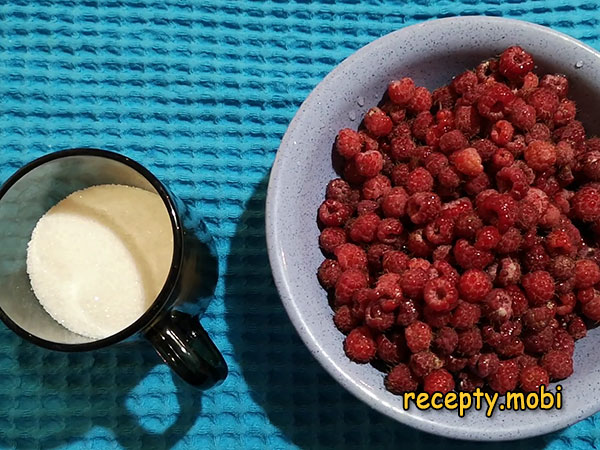
I begin by preparing the ingredients. Be sure to sterilise the jar and the lid — without this, even hot syrup is no guarantee of long storage. I wash the raspberries thoroughly but gently and let them dry on a towel — you must not rub them or keep them in water for long, as this delicate berry loses its juice and shape.
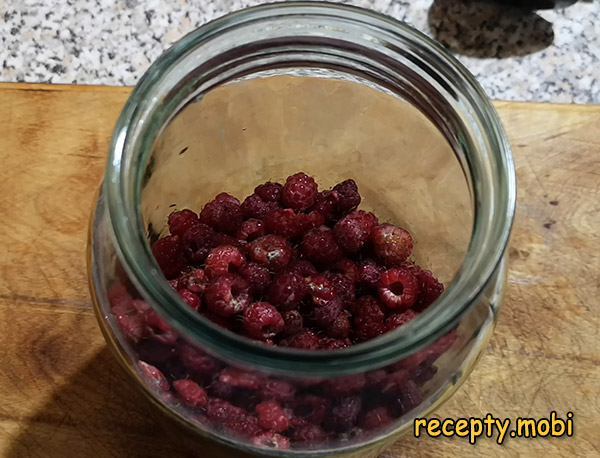
I fill the sterilised litre jar with fresh raspberries — to about a quarter of its height. There is no need to pack them down: with the hot fill the berries will settle anyway and release their juice into the syrup.
I put a saucepan of water on the heat and add the sugar. I bring the mixture to a boil, stirring well so that the sugar dissolves completely — undissolved crystals will later settle to the bottom of the jar and spoil the look of the finished compote.
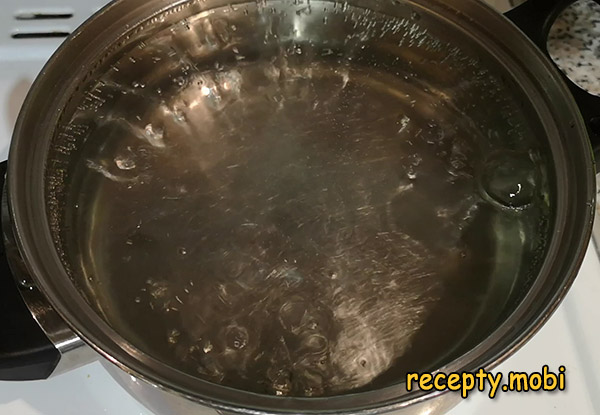
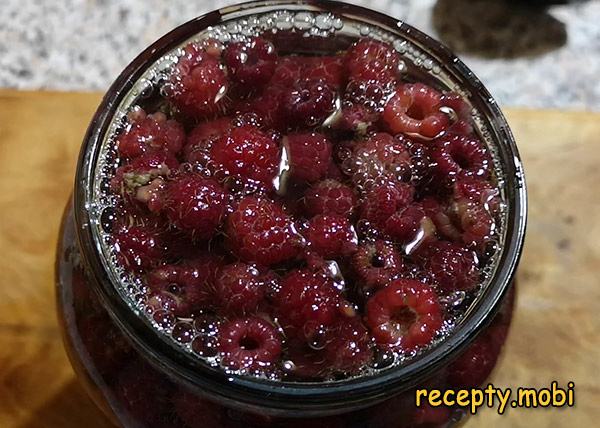
I pour the boiling sugar syrup over the raspberries in the jar, filling it right to the brim. The boiling syrup instantly pasteurises the berries and the jar itself — it is precisely thanks to the high temperature of the fill that this recipe does without separately sterilising the jars in a pan.
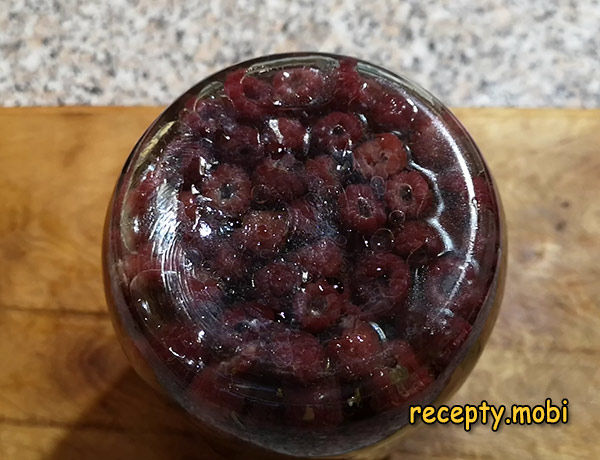
I close the jar tightly with a sterilised lid and seal it hermetically. I turn the jar upside down — this way both the lid itself and the thread of the neck are sterilised, and at the same time the tightness of the seal is checked (if nothing leaks out from under the rim, it is sealed well). I wrap it in a warm blanket and leave it until it has cooled completely — slow cooling works like a mini autoclave, finishing off any remaining microflora.
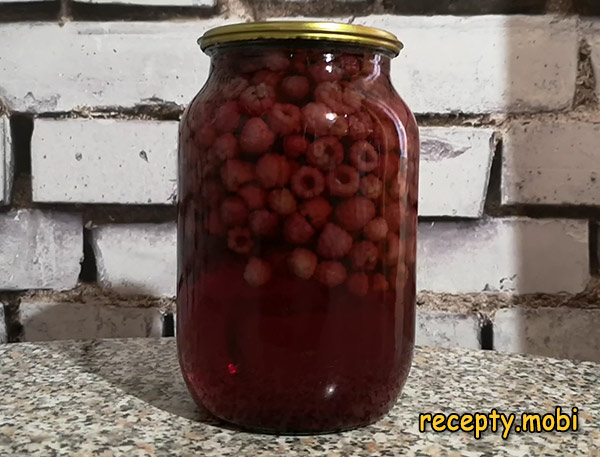
The raspberry compote for winter is ready — the jar has cooled completely and the syrup has taken on a rich raspberry colour.Raspberry compote should be stored in a cool, dark place such as a cellar or cupboard. Direct sunlight and sources of heat spoil the colour and can cause fermentation — a dark pantry shelf or a lower kitchen cupboard is ideal for keeping it safe all winter long.


Tips
- 1
DO NOT RUB THE RASPBERRIES — the "secret" of whole berries in the jar. Vigorous washing turns raspberries into mush before they ever reach the jar. Gentle rinsing and drying on a towel keep the berries whole, so they look beautiful in the finished compote.
- 2
HOT FILL RIGHT TO THE BRIM — the "secret" of storage without sterilising. If the syrup sits below the neck, an air pocket is left in which mould can develop. Filling right to the edge means a minimum of air and maximum heat on the walls, so the jar keeps for years.
- 3
TURNING THE JAR OVER — the "secret" of checking the seal. If there are leaks from under the lid after turning it over, the seal is unreliable and the jar must be resealed. If it stays dry, the compote will last the winter without trouble — the seal is airtight.
- 4
WRAPPING IN A BLANKET — the "secret" of the mini autoclave. A jar simply left on the table cools in a couple of hours — the temperature falls quickly, with no time to kill off all the microflora. Under a blanket the jar cools over 10–12 hours — long contact with the hot syrup finally sterilises the contents.
Video
FAQ
Can I use frozen raspberries? +
Yes, but with reservations. Frozen raspberries lose their whole shape when thawed — the compote will turn out cloudy, with broken pieces of berry. It is best to use fresh, in-season raspberries. If you only have frozen ones, there is no need to thaw them: put the berries into the jar straight from the freezer — the hot syrup will warm them through itself. The proportion stays the same: 200 g of berries to 1 litre of water and 100 g of sugar. Such a compote keeps for up to 1 year in a cool, dark place, just like compote made from fresh raspberries.
How long does raspberry compote keep without sterilising? +
In a cool, dark pantry (8–15 °C) — up to 1.5 years without loss of colour or aroma. In an ordinary kitchen cupboard at room temperature — up to 1 year. Once the jar is opened — 3–5 days in the fridge under a lid. Signs of spoilage: a swollen lid, cloudy sediment (not to be confused with a light swirl of berry juice), a sour smell of fermentation, mould on the surface — a jar like that I throw away without tasting it. A properly sealed compote takes on a richer colour and a slightly more concentrated aroma by winter.
Can I reduce the amount of sugar? +
Yes, down to 70–80 g per litre of water — the compote will be less sweet but still keeps well. Less than 50 g of sugar is already risky: sugar works as a preservative, and too little of it shortens the shelf life to 4–6 months even in ideal conditions. It is not worth bottling compote with no sugar at all; better to make a raspberry fruit drink and drink it fresh. For people with diabetes you can replace the sugar with stevia (5–7 g per litre), but such a compote will have to be kept only in the fridge for 1–2 months.
What should I do if the raspberries are overripe or crushed? +
Overripe raspberries should not be used for a whole-berry compote — they will fall apart on contact with the syrup, and instead of a beautiful compote you will get a cloudy, mushy mass. Crushed berries are good for making raspberry syrup: rub them through a sieve, add sugar, boil for 5 minutes and seal in small jars. The ideal raspberries for compote are firm, springy, bright pink or crimson in colour, with no signs of wilting. It is best to pick them in the morning in dry weather and process them on the day they are gathered.
- Comment
or post as a guest
Be the first to comment.