avg —
Quick Pickled Eggplants

Instructions
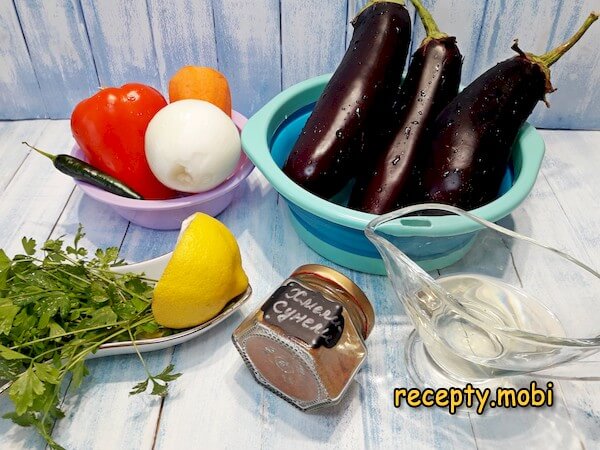
I prepare the vegetables from the list. There is no need to peel the eggplants – without the skin the pieces do not hold their shape and fall apart into mush when boiled. You can adjust the amount of hot pepper to taste: half a pod gives a moderate heat, a whole pod a fiercely spicy appetiser.
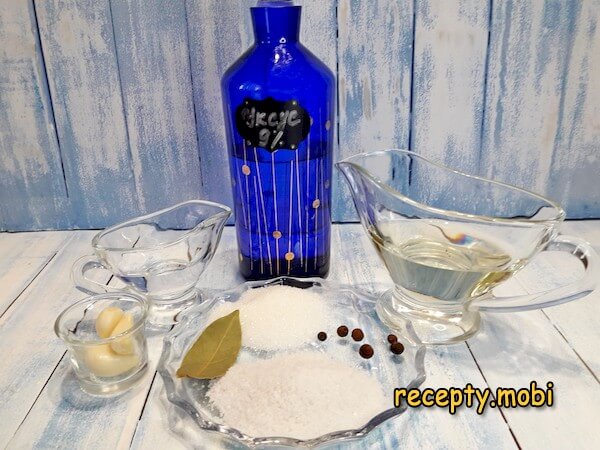
I prepare the ingredients for the marinade. You can replace 9% vinegar with 6% vinegar, but in that case you will need 3 tablespoons. The amount of salt in the marinade is small – but the eggplants also pick up some salt during the boil.
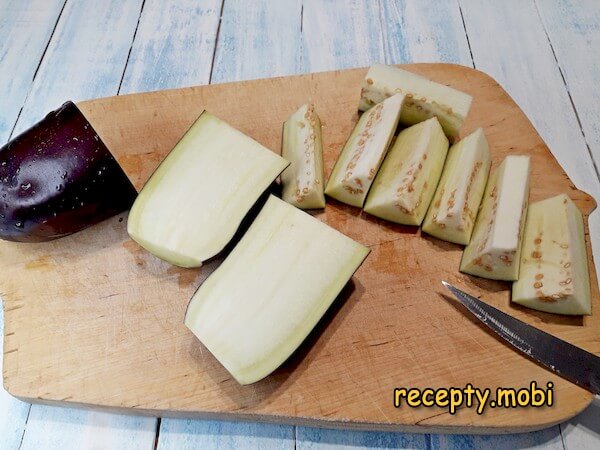
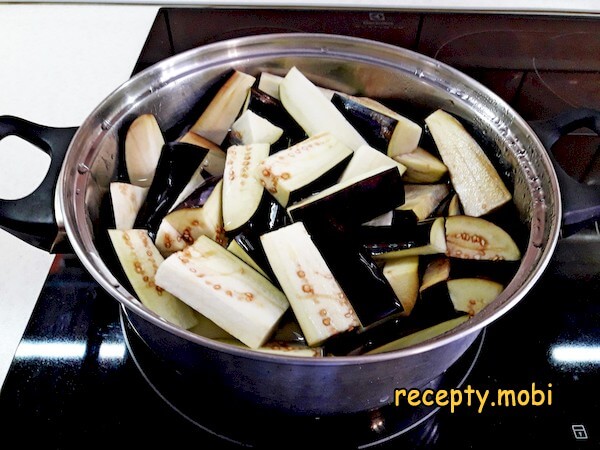
I cut the eggplants into thick strips (about 1.5 cm thick and around 6 cm long). I try to keep a piece of skin on each one – it is the skin that holds the shape during boiling.
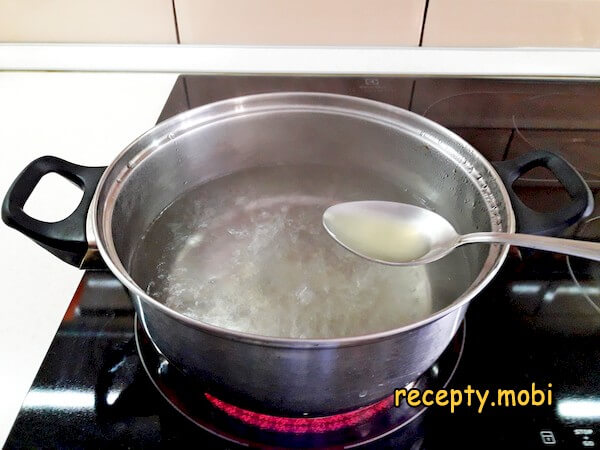
I bring about 1.5 litres of water to a boil, then add 1 teaspoon of salt and a tablespoon of lemon juice – it not only adds a fresh flavour to the eggplants but also keeps them from darkening as they cook.
When the water comes back to a boil, I lower the eggplants into it. I help them sink with a spoon – eggplants float on their own and can cook unevenly. I boil the pieces for 5-6 minutes, no longer: overcooked ones fall apart.
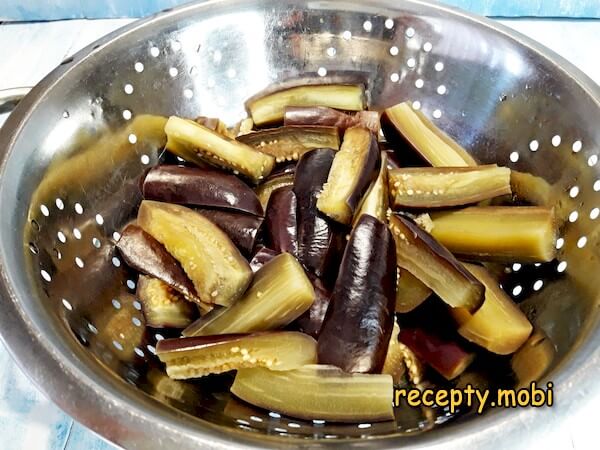
Then I transfer them to a colander and let the water drain off – excess liquid would dilute the marinade and make the appetiser watery.
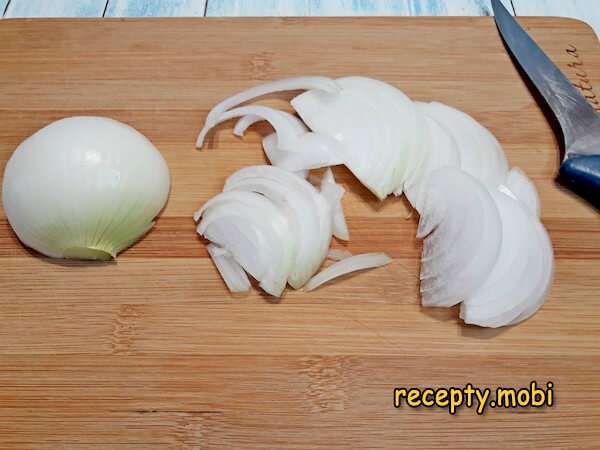
Meanwhile, I slice the onion into thin half-rings – a thin cut fries faster and tastes less bitter in the finished appetiser.
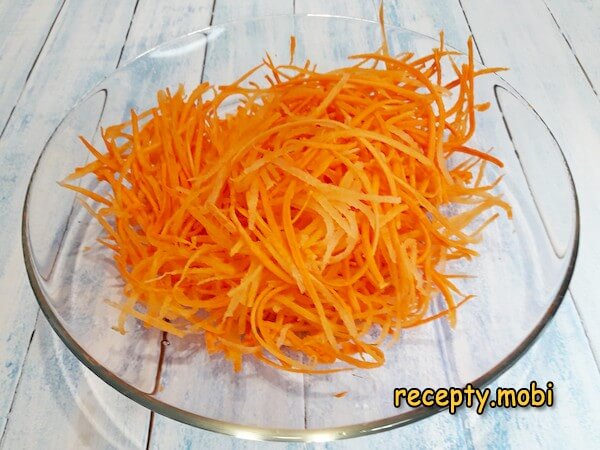
In a separate bowl I grate the carrot into long strips (a special Korean-carrot grater helps with this). I lightly salt the resulting shreds (a small pinch is enough) and leave them to stand – the salt makes the carrot soft and pliable, so it stops being crunchy and soaks up the marinade.
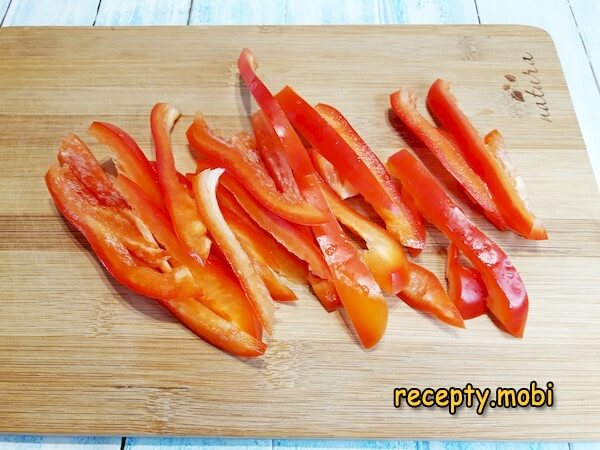
I cut the bell pepper into long strips – this shape looks attractive in the finished appetiser and gives noticeable pieces when served.
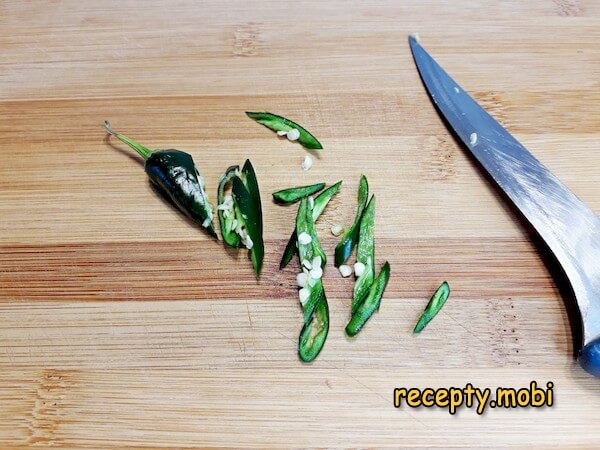
I finely chop the hot pepper – a fine cut distributes the heat more evenly throughout the appetiser.
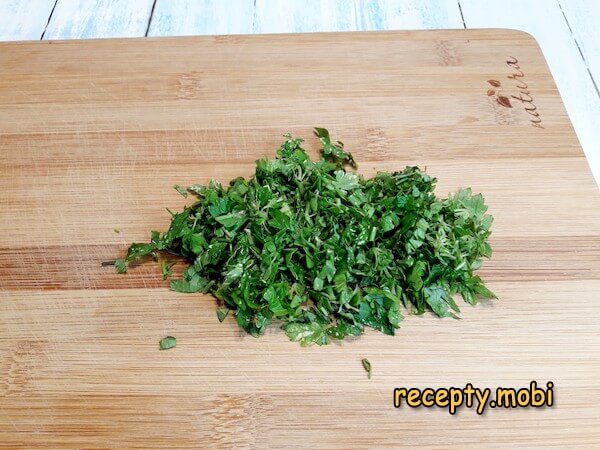
I finely chop the fresh herbs – a fine chop releases the most aroma into the marinade.
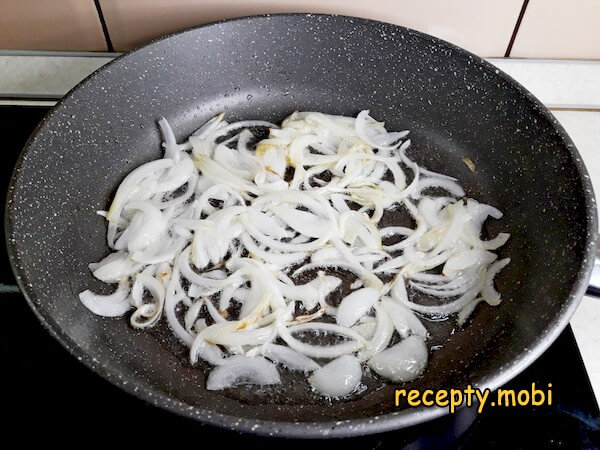
I heat the oil in a skillet and add the onion. I fry it just until it changes colour slightly – frying it deeply to caramel would make the onion too sweet and upset the balance of the appetiser.
After that I add the sweet and hot pepper to the fry-up.
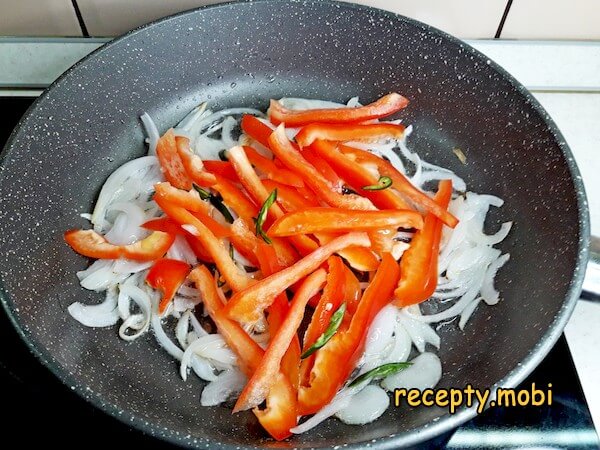
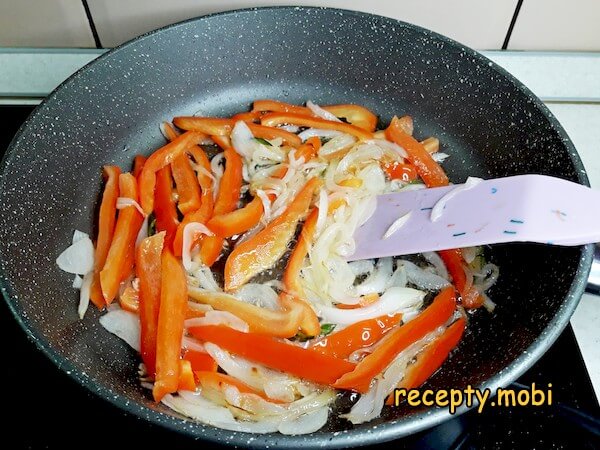
I fry everything for about 2 minutes, until the smell of pepper develops – it should stay firm and crisp after marinating. Overcook it and the pepper goes limp and loses its freshness.
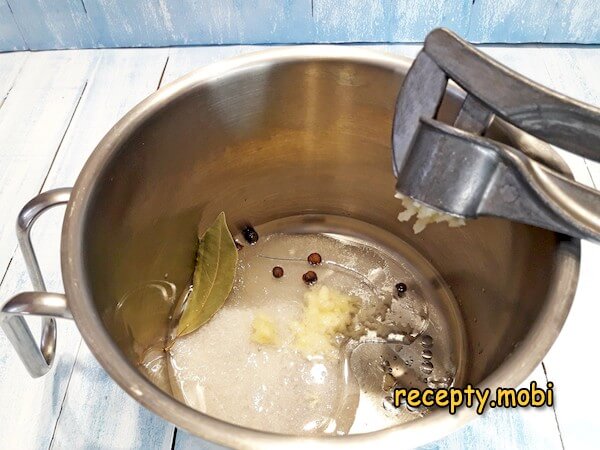
For the marinade I put the vegetable oil, vinegar, sugar, salt, peppercorns and bay leaf into a saucepan, add the water and press in the garlic – all the components together, so the flavours have time to come together during a brief boil.
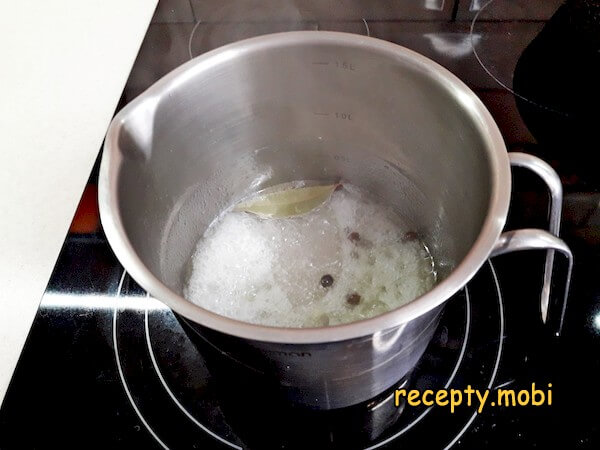
I bring the marinade to a boil and immediately take it off the heat. I stir the contents – vinegar must not be boiled for long, as it evaporates and loses its strength as a preservative.
In a roomy bowl I combine the eggplants with the carrot – the bowl should have room to spare, because the pepper, onion and herbs will be added too.
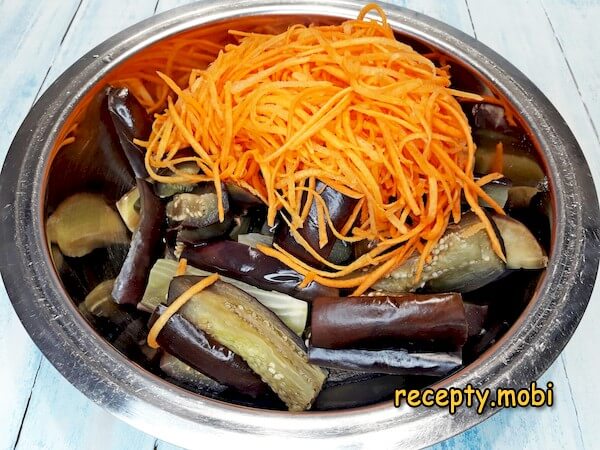
I transfer the pepper and onion from the skillet into it – together with the oil they were fried in, which becomes part of the marinade.
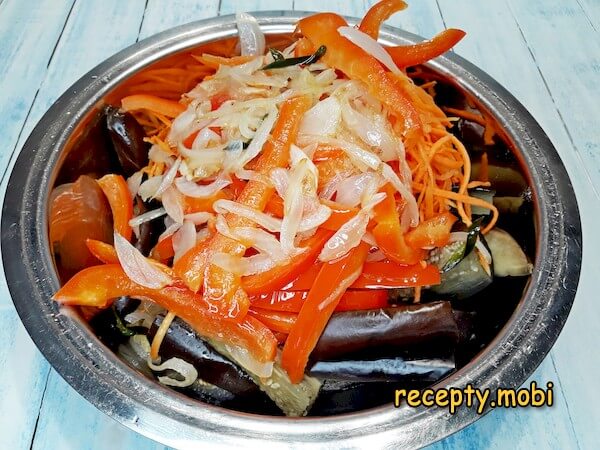
I add the khmeli-suneli and the fresh herbs – the Georgian seasoning combined with the herbs gives the appetiser its characteristic Caucasian accent.
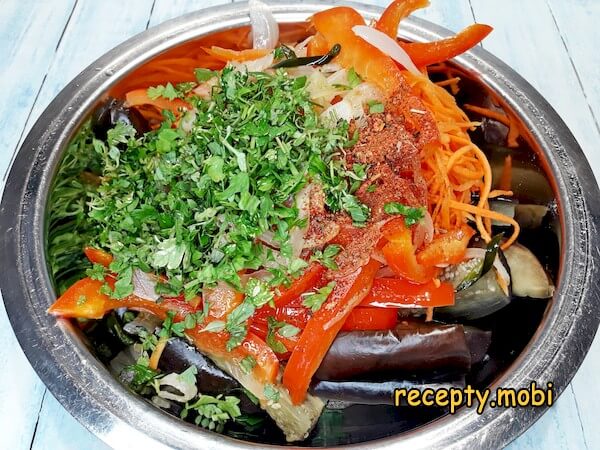
I pour the hot marinade over everything – the hot liquid kicks off the marinating process at once, so the eggplants absorb the aroma faster.
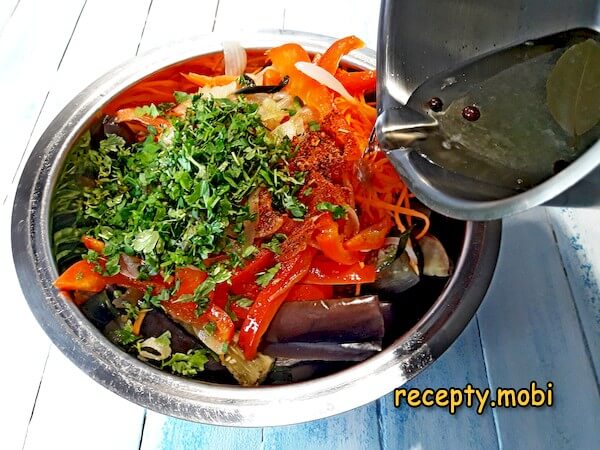
I gently stir the vegetables, distributing all the components evenly – the eggplants are delicate after boiling, and rough stirring would turn them into mush.
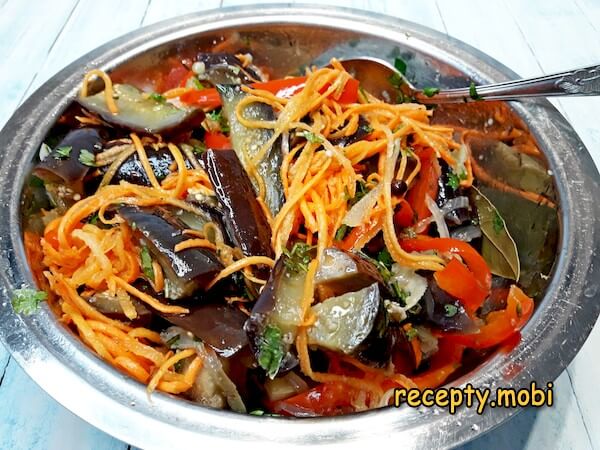
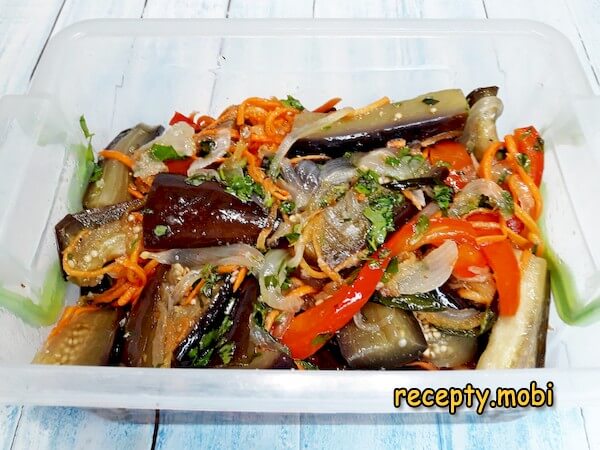
Next I transfer the mixture into a lidded container, press it down a little with a spoon so it packs together, and put it in the fridge to marinate for 6 hours. The longer the eggplants stand in the marinade, the brighter and richer the flavour they take on – they are at their best after 12-24 hours.Bright and aromatic, quick pickled eggplants add variety even to the most ordinary meals. The combination of sour, salty, sweet and spicy makes this appetiser very appealing and tasty. You can keep it in the fridge for a whole month, but usually it is eaten within a day.


Tips
- 1
DON'T PEEL THE EGGPLANTS – the "secret" to keeping the pieces intact. Peeled eggplants fall apart into mush when boiled. With the skin on, they hold their shape, stay firm and look attractive in the finished appetiser.
- 2
LEMON JUICE IN THE WATER – the "secret" against darkening. Without lemon juice the eggplants turn grey when boiled, and the finished appetiser looks unappealing. One tablespoon of lemon juice per 1.5 litres of water keeps the flesh light and appetising. The same trick works in Chinese-style eggplants in starch.
- 3
DON'T BOIL THE VINEGAR FOR LONG – the "secret" to a strong marinade. Prolonged boiling evaporates the acetic acid, and the marinade becomes bland and stops preserving. Bring it to a boil and take it off at once – all the strength of the preservative stays in the liquid.
- 4
6 HOURS IS THE MINIMUM – the "secret" to a rich flavour. After 6 hours the appetiser is already ready to serve, but the flavour is still restrained. After 12-24 hours the eggplants are fully soaked in the marinade and the aroma opens up completely. The same principle is used in eggplants in sour cream with garlic in a pan.
FAQ
Which eggplants are best for quick pickling? +
Ideally, young eggplants 15-20 cm long, dark purple with firm skin and no dried-out stem. The classics are varieties such as Almaz, Black Beauty and Epic F1. Alternatives: white eggplants (premium, without bitterness, but harder to find), round Rotonda or Globus types (cut into wedges, a premium choice for variety), or Thai green eggplant (a distinctive flavour, exotic). Don't use: overgrown large eggplants with old, tough skin and large seeds – they taste bitter and do not soak up the marinade. Fresh from the garden is the star choice.
Can I replace khmeli-suneli with other spices? +
Yes, but you will lose the Caucasian accent. Alternatives: utskho-suneli (1 tsp – more powerful in aroma, a purely Georgian spice), a mix of ground coriander, dried dill and basil (1/2 tsp each – a homemade equivalent), herbes de Provence (1 tsp – an Italian accent), or curry without chilli (1 tsp – an Indian version). Don't use: ready-made "meat" or "barbecue" seasonings – they contain a lot of salt and glutamate, which would upset the balance of the appetiser. You can also do without spices altogether – the appetiser will be more neutral, but still tasty thanks to the garlic, onion and pepper.
How long do quick pickled eggplants keep? +
In the fridge in a tightly closed container, up to 1 month. It is not worth keeping them longer: the eggplants gradually become too sour and lose their firmness. Signs of spoilage: a cloudy marinade with an unusual film, a musty or off smell, or mould on the surface – I throw such an appetiser away. Freezing is not suitable: after thawing the eggplants become watery and lose their structure. It is best to make portions for 3-5 days and keep them in a glass jar with a tight lid – the appetiser keeps its aroma better than in a plastic container.
What goes with pickled eggplants? +
The classics are boiled or fried potatoes, rice, buckwheat or pilaf. With hot meat dishes – pork, beef, chicken, and especially shashlik. With bread: rye or caraway bread, Caucasian flatbreads, thin lavash. With drinks: Georgian wine such as Saperavi or Khvanchkara, cold light beer, or vodka with a snack. For a festive table – on a separate plate with herbs and a slice of lemon. They are versatile – as a standalone appetiser, for sandwiches, in vegetable salads, or as an addition to a stew.
- Comment
or post as a guest
Be the first to comment.