avg —
Pork Stew with Vegetables and Potatoes

Instructions
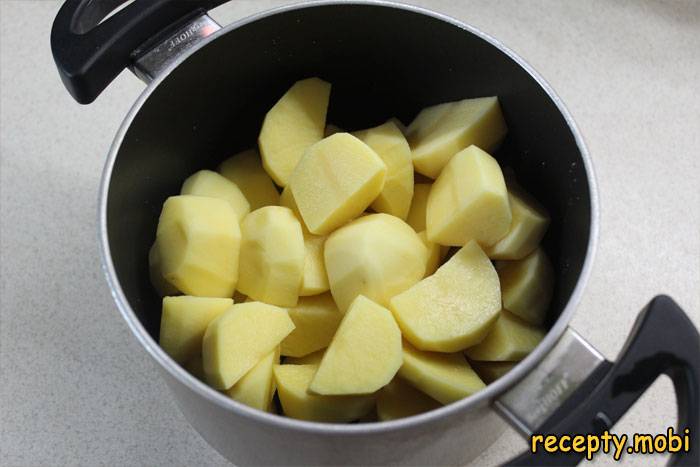
I peel and thoroughly rinse all the vegetables. I cut the potatoes into fairly large slices of 3–4 cm, put them in a pot and cover with cold water. I set them to cook for 10–12 minutes until half-done – only partly cooked potatoes go into the finished stew, otherwise they fall apart during stewing.
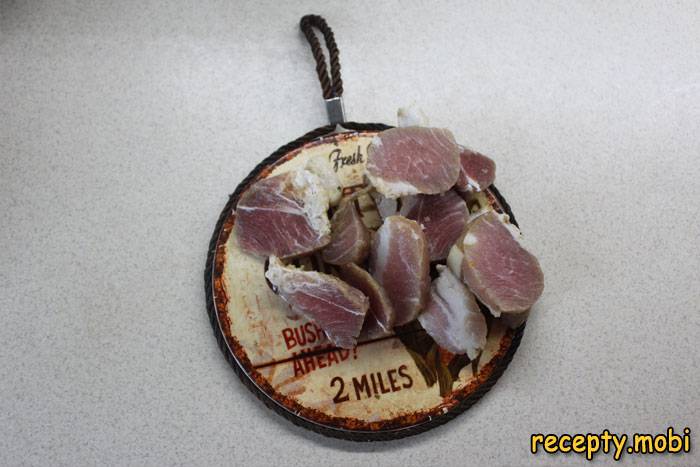
I cut the pork into small pieces of 2–3 cm. It is best to choose meat with a small layer of fat – the neck or shoulder. Lean fillet will turn out dry, because in a stew the meat is cooked for a long time and dries out without fat. During cooking the fat partly renders and gives the sauce the right texture.
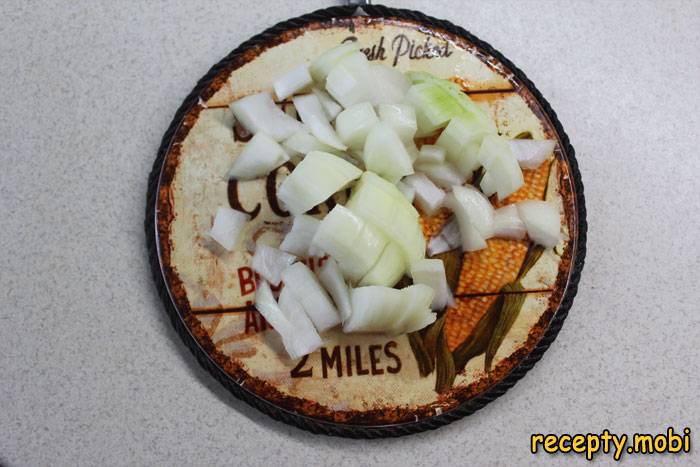
I chop the onion into large cubes of 1–1.5 cm. Finely chopped onion dissolves into the sauce without a trace, while large pieces give a pleasant texture and sweetness – during long stewing they caramelise. For a stew I always cut the onion larger than for frying.
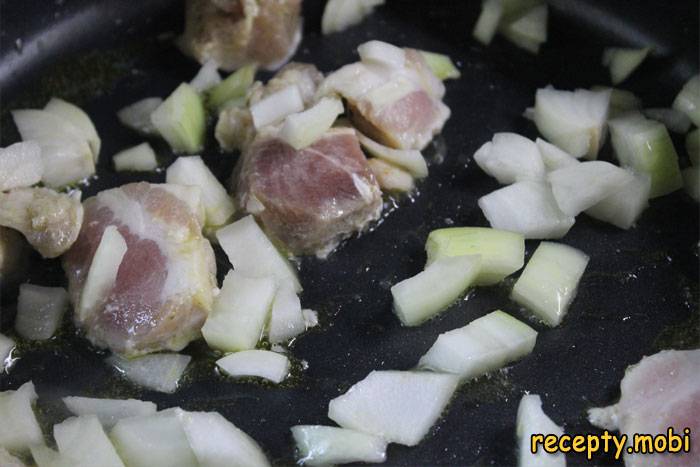
I saute the pork with the onion in refined vegetable oil until a bright golden colour. I keep the heat above medium – I want a crust, not stewing in its own juices. The crust seals the meat juices inside the pieces and stops them from turning tough.
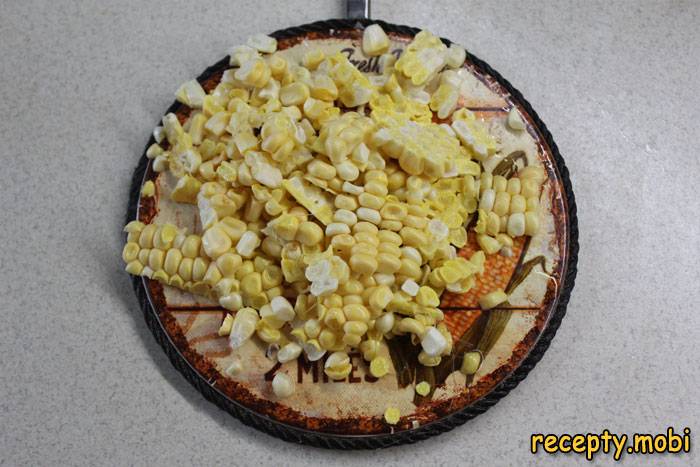
I strip the kernels from the corn cob. I use raw, canned or boiled corn – any will do in this recipe. Fresh corn gives a brighter sweet taste, canned a tender texture. Raw corn I add 5 minutes earlier than the other vegetables.
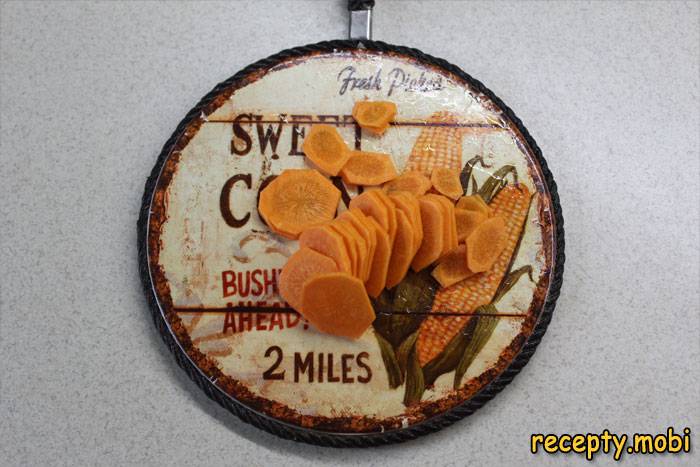
I cut the carrot into thin rings of 3–4 mm. Thin rounds look attractive in the finished dish and cook through quickly. I add the corn and carrot to the meat and onion and stew for a couple of minutes.
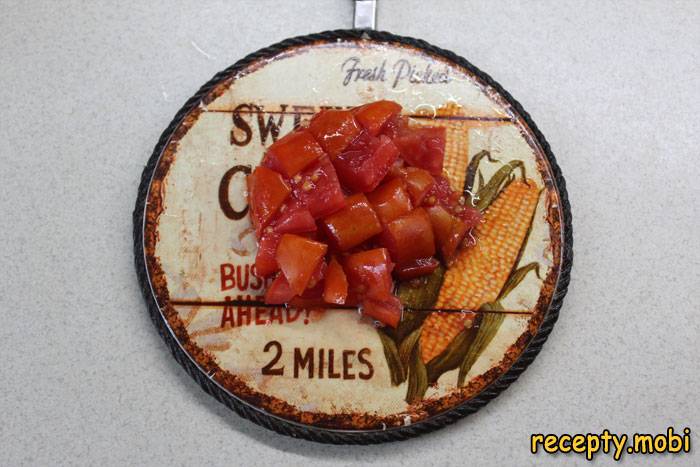
I add ripe tomatoes cut into small cubes. You can peel the tomatoes – scald them with boiling water and the skin comes off in seconds. In the finished stew the curled-up skin spoils the impression and catches on the teeth.
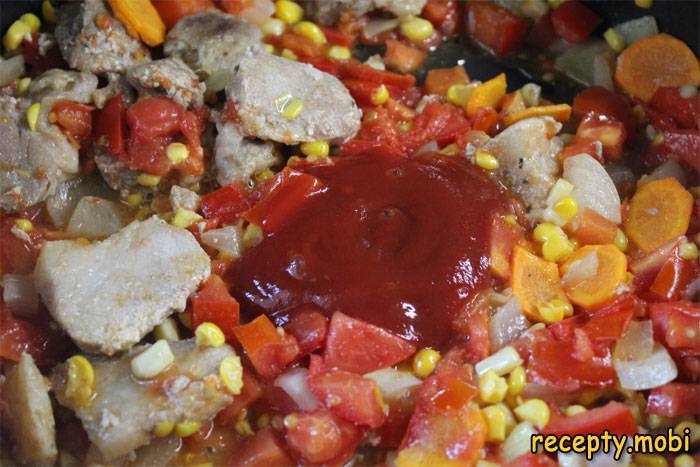
I pour the broth into the vegetable mixture, add the tomato paste and a pinch of sugar. The sugar balances the acidity of the tomatoes and the paste – this is a classic cook's trick. I stew the vegetables over low heat under a lid for 15 minutes until "al dente" – the vegetables should be soft but keep their shape.
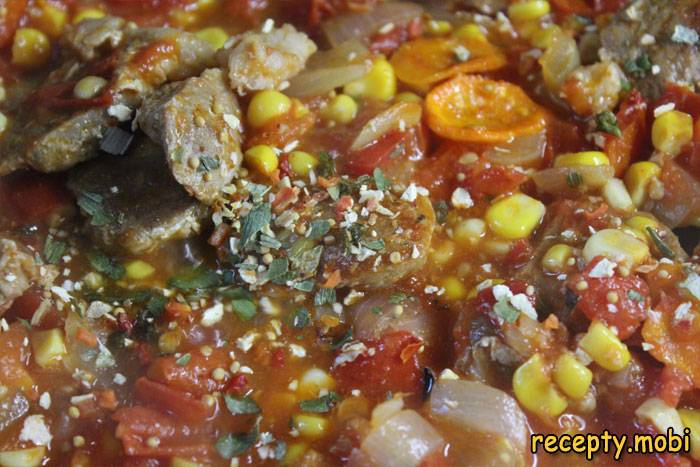
I add the dried vegetables – they give the side dish a special savoury aroma. Dried onion and tomato are concentrated, so literally a teaspoon adds depth like a long-simmered broth.
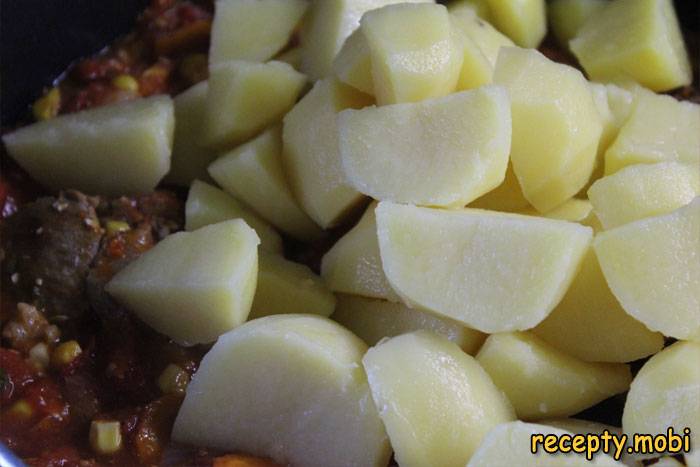
As soon as all the components are almost ready, I add the boiled potatoes. I stew for 7–10 minutes until all the ingredients are soft. I cover the finished stew with a lid and let it rest for 15 minutes – the flavours blend and the dish becomes even more aromatic.
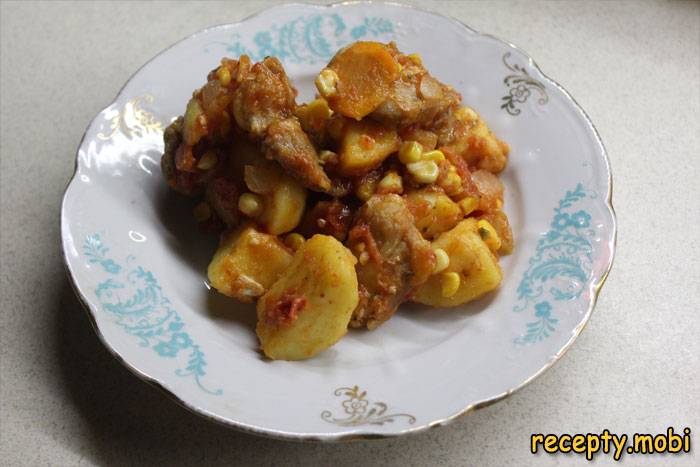
I serve the stew on a dish. I sprinkle it with fresh herbs – dill or parsley. The tasty and aromatic side dish is ready!


Tips
- 1
Choose pork with a small layer of fat – the neck or shoulder. The dish will be juicier and the sauce richer.
- 2
Boil the potatoes until half-done for 10–12 minutes – that way they keep their shape in the stew and don't turn to mush during stewing.
- 3
Let the stew rest for 15–20 minutes after cooking – the flavour becomes richer and the spices open up better. A similar approach works in pork roast.
- 4
Serve with light vegetable salads and fresh Borodinsky bread – the vegetable stew is self-sufficient and doesn't require elaborate side dishes.
FAQ
Can the stew be made without meat? +
Yes, skip the meat stage and use vegetable broth instead of pork broth. You'll get a tasty vegetarian stew. For heartiness, add 200 g of beans (canned or pre-boiled), chickpeas or cubes of smoked tofu. The cooking time will be reduced by 10–15 minutes, because you don't need to wait for the meat to be ready.
Which meat is best to use for the stew? +
Pork neck or shoulder is the best option: moderately fatty, juicy and quick to become tender. Beef shoulder will also do (you'll then need to stew it for 1.5–2 hours), as will chicken thighs or turkey. With poultry I advise removing the skin, otherwise the sauce will be too greasy. Rabbit also works excellently in this recipe.
How long does the finished stew keep? +
In the refrigerator in a closed container – up to 3 days. On the second day the taste becomes even better, because the spices and vegetables share their aromas with each other. Reheat in a pan under a lid with a couple of spoonfuls of water, or in the microwave for 2–3 minutes. You can freeze it for up to a month, but the potatoes become watery after thawing – it's better to eat it fresh.
- Comment
or post as a guest
Be the first to comment.