avg —
Lobio with Green Beans

Instructions
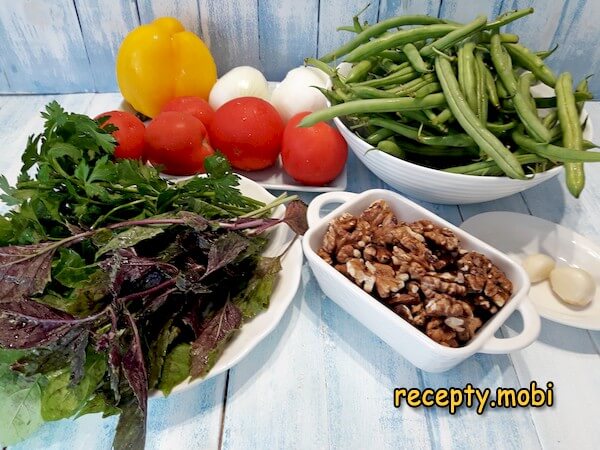
I prepare the ingredients for the lobio with green beans. You can use frozen green beans, but unlike fresh ones they do not need to be boiled first — simply add them straight to the pan for stewing, without thawing. Instead of fresh tomatoes you may use tomatoes in their own juice or tomato paste, although with fresh tomatoes it is, of course, tastier.
I rinse the beans and trim off the tough tips, then cut each pod into 2–4 pieces.
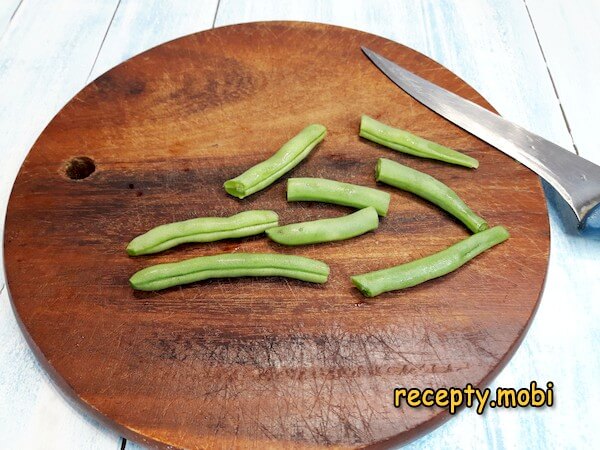
I prepare all the beans this way. I pour water into a large pot and put it on the heat.

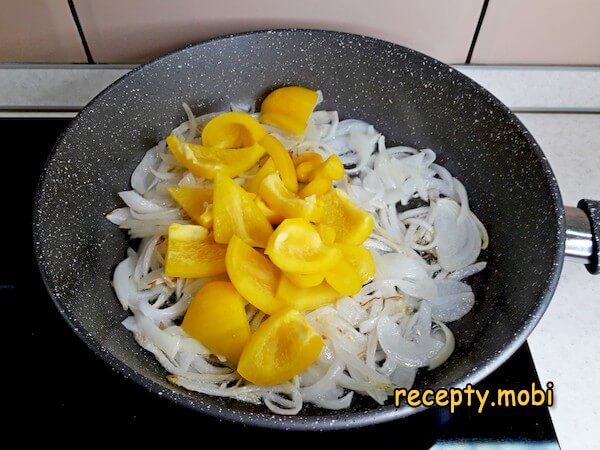
While the water comes to the boil, I prepare the rest of the vegetables. I cut the bell pepper into fairly large pieces.

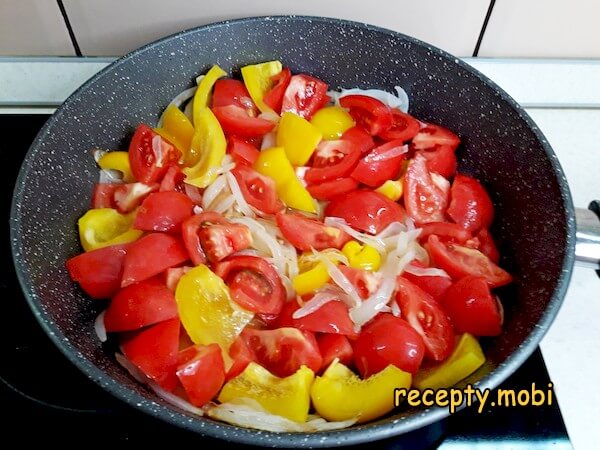
I cut the tomatoes to a similar size (you needn't remove the skin — on tomatoes picked in season it causes no real trouble).

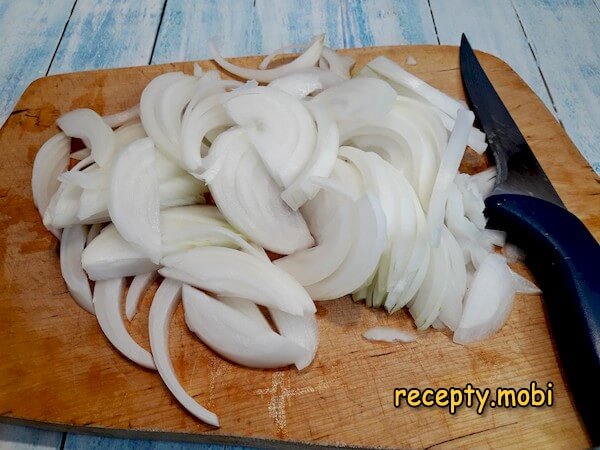
I slice the onion into half-rings.
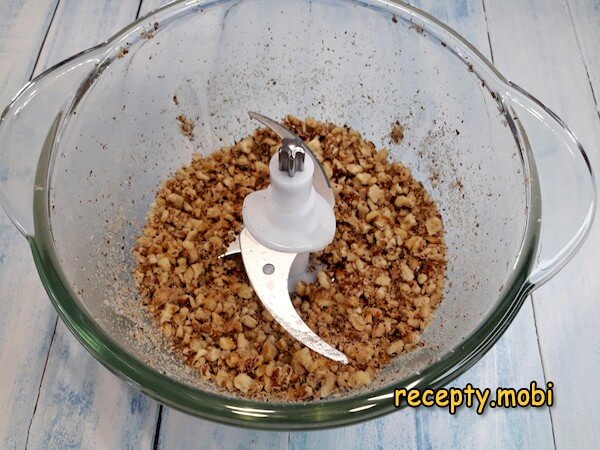
First I toast the nuts in a dry pan (after this they are not only disinfected, but also release their nutty aroma better and turn brittle, which is especially important for chopping). Then I grind the nuts in a blender or chop them by hand with a knife.
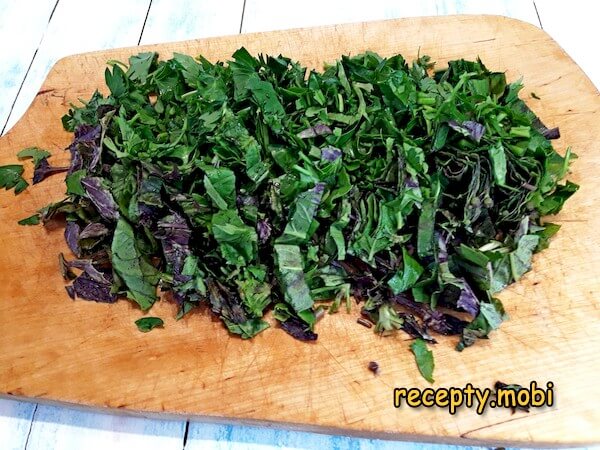
I finely chop the fresh parsley together with the basil.
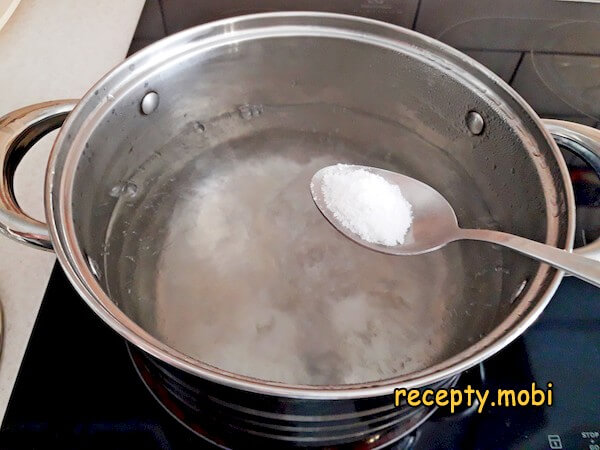
By this time the water is starting to boil — it needs to be salted (about 0.5 tablespoon of salt per 2 litres).
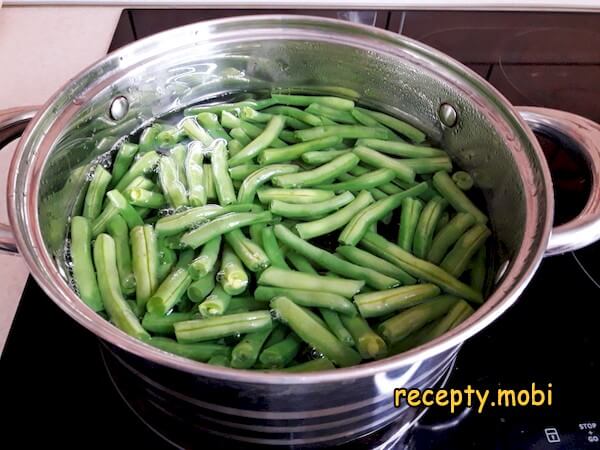
I add the beans to the boiling water and cook them for 2–3 minutes once it returns to the boil. The pods should stay crisp while at the same time gaining a certain pliability.
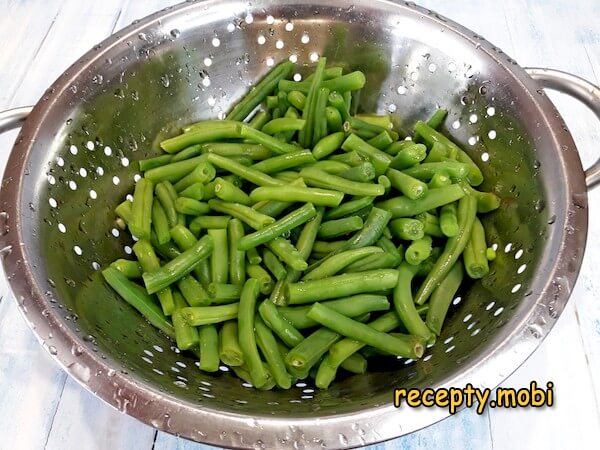
I transfer them to a colander and rinse them straight away under running cold water to halt the cooking process.
In the vegetable oil I fry the onion until it turns slightly translucent.
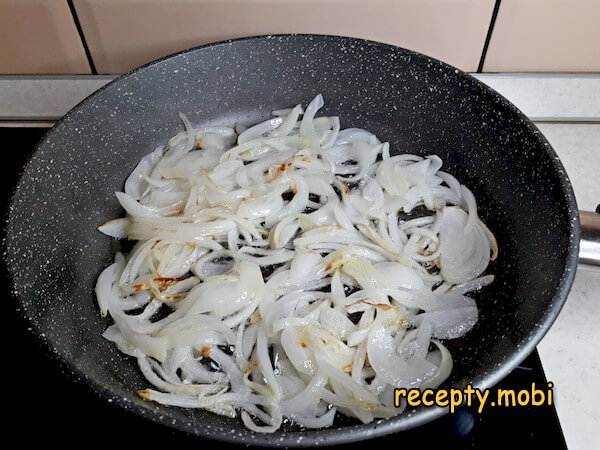
Next I add the bell pepper.
And straight away I add the tomatoes to the mixture.
At this stage the vegetables should be salted.
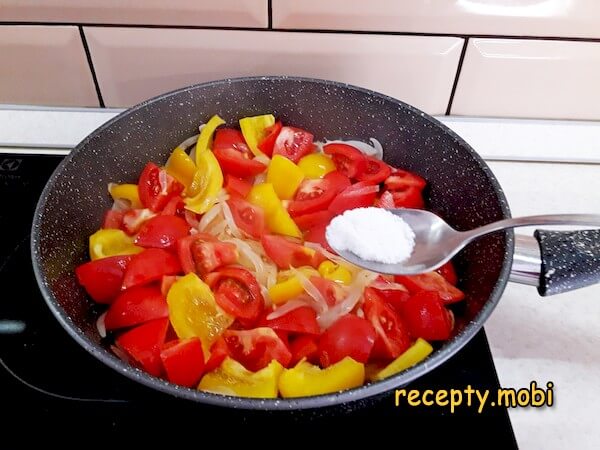
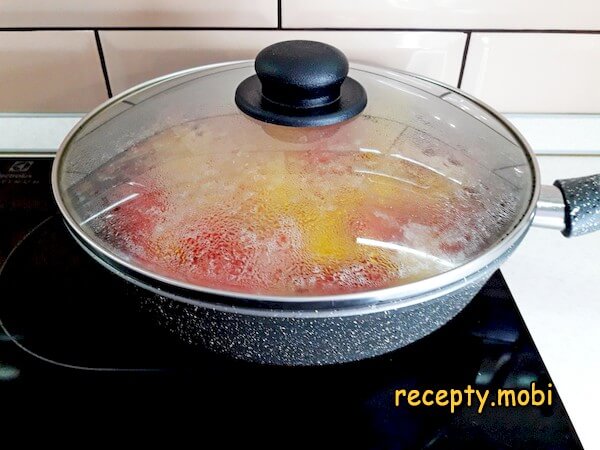
I cover the pan with a lid, set the heat to medium and simmer the mixture for 5 minutes, stirring it about three times during this stage. Under the lid the tomatoes will release their juice, which is needed for the further stewing.
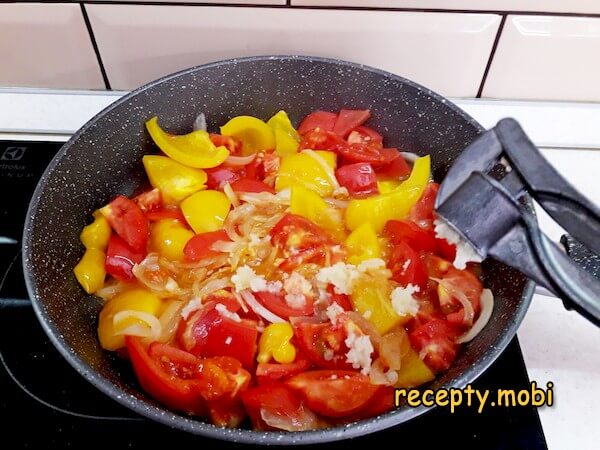
For the next stages the lid is no longer needed. I season the vegetables with garlic pressed through a press and stir. At this moment a warm garlic-and-vegetable aroma spreads through the kitchen.
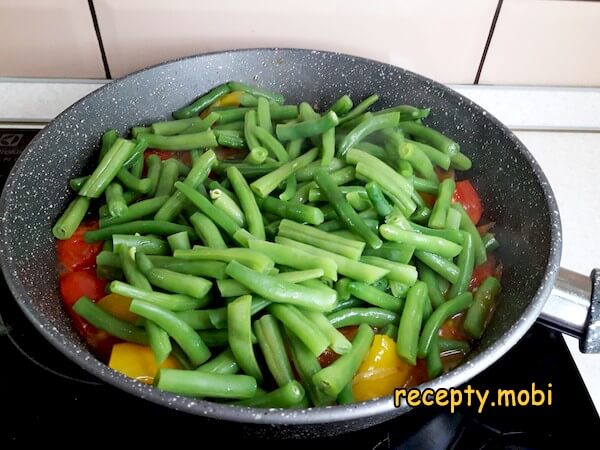
Finally it is the beans' turn, which I add to the pan.
I stir the mixture.
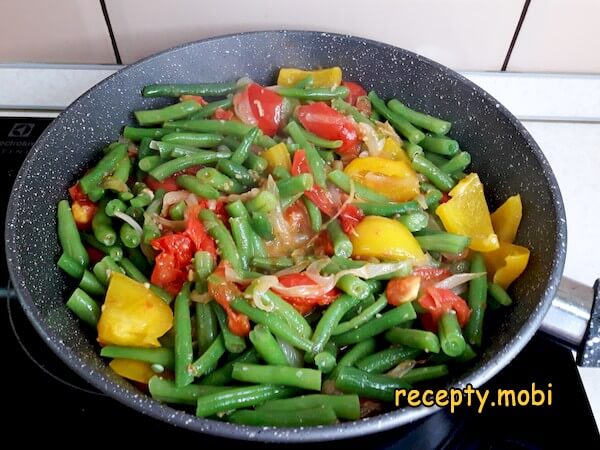
Right away I add the herbs and stew everything for a couple of minutes.
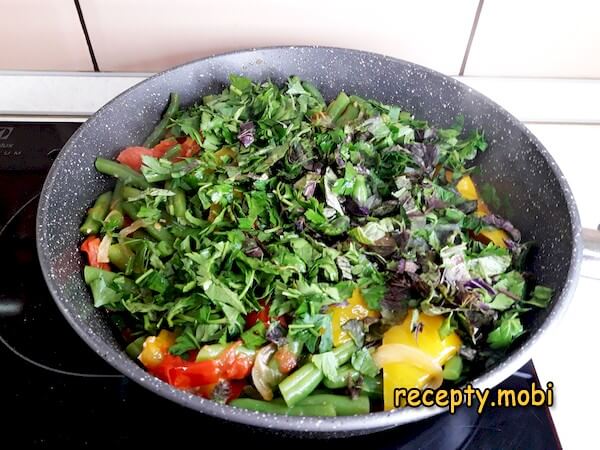
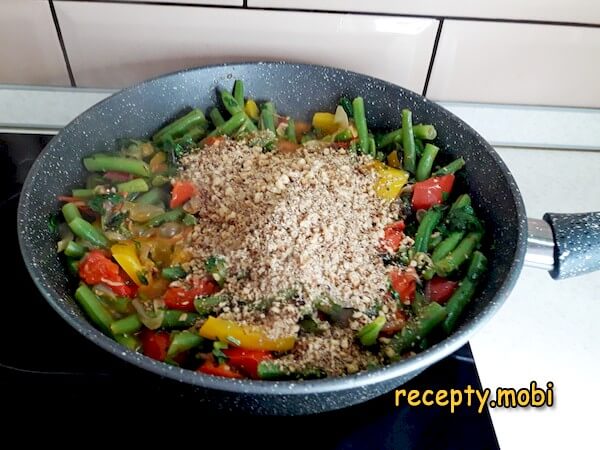
I turn off the hob, then dress the hot vegetables with the walnuts and add pepper if desired. I mix everything and the lobio with green beans is ready to serve.Lobio with green beans is usually served alongside meat, although the dish can also stand on its own — it is eaten with lavash or bread. Very filling and high in calories, even though it contains only plant-based ingredients, this lobio is sure to become one of the favourite treats of many cooks.


Tips
- 1
ICE-COLD WATER — the "secret" to the colour. After boiling, the beans keep darkening from the heat. Cold water stops the process, so the beans stay bright green.
- 2
TOASTING THE NUTS — the "secret" to the aroma. Raw nuts give the lobio a bland taste. Toasted ones release their aroma, turn brittle and are easy to chop.
- 3
NUTS AT THE END — the "secret" to the texture. Added at the start, the nuts cook down into the mixture. Only when added after the hob is switched off do they stay crisp and give the dish character.
- 4
BASIL + PARSLEY — the "secret" of Georgian cuisine. Parsley alone makes an ordinary stew. Combined with basil, it gives that recognisable lobio aroma. The same principle works in other Georgian vegetable dishes.
FAQ
Which beans should I choose? +
Ideally — young green beans (500 g is the classic choice). Alternatives: yellow wax beans (500 g), purple green beans (500 g), or a mix of green and yellow (250 g of each). Frozen green beans (500 g) are an economical and convenient option, and long Asian beans (500 g) also work. Beans straight from your own garden are the best choice of all. Don't use overgrown beans with tough, stringy fibres. For a classic result the beans must be young, firm and crisp.
What can replace the walnuts? +
Alternatives: toasted hazelnuts (100 g — the classic Georgian choice), almonds (100 g), or a mix of walnuts and hazelnuts (50 g of each). Cashews (100 g) make it milder, while unroasted pistachios, pine nuts or pecans (100 g) also work. Pumpkin seeds (100 g) are an economical option for a vegan version. Fresh walnuts in the shell are the best choice. Don't use salted nuts (they spoil the flavour) or nuts coated in caramel or honey. For a classic Georgian result, walnuts or hazelnuts are essential.
How long does lobio keep? +
In the fridge, in a tightly sealed container — 2–3 days. On the second day the flavour becomes richer, as the vegetables and nuts soak up the aromas more deeply. Before serving, reheat in a covered pan for 5 minutes over low heat, or in the microwave for 2–3 minutes under a lid. I don't recommend freezing it — the herbs and nuts lose their freshness. Fresh and warm straight from the pan is best, with maximum aroma. Don't leave it at room temperature for longer than 4 hours. It is ideal to cook in amounts for one or two servings.
What goes well with lobio? +
The Georgian classic: with warm lavash or mchadi (corn flatbread); with hot boiled potatoes; with boiled rice or buckwheat. It is also served with pork or lamb kebab, chicken kebab, Adjarian khachapuri, suluguni cheese, spring onion and coriander, Caucasian adjika, tkemali plum sauce or satsebeli. It pairs with a glass of Georgian chacha and with red wines such as Khvanchkara or Saperavi. Scatter pomegranate seeds on top and add fresh tomatoes and cucumbers. It suits any Georgian table — a lobio for a family lunch, for fasting periods and for a Caucasian feast.
- Comment
or post as a guest
Be the first to comment.