avg —
Broccoli and cauliflower baked in the oven

Instructions
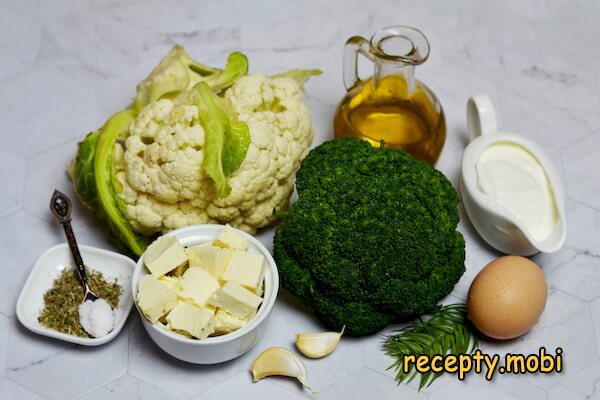
You can use any kind of cheese for the sauce, with differing density and sharpness. It is best to go for full-fat varieties.
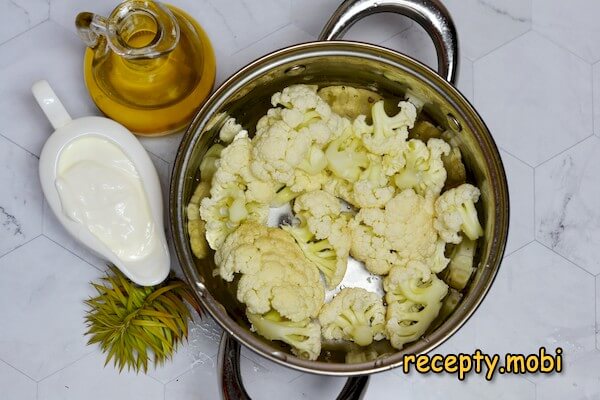
Cut the florets from the cauliflower head and rinse them under running water.
The broccoli stem is edible but not needed for baking. Cut off the florets and rinse them thoroughly.
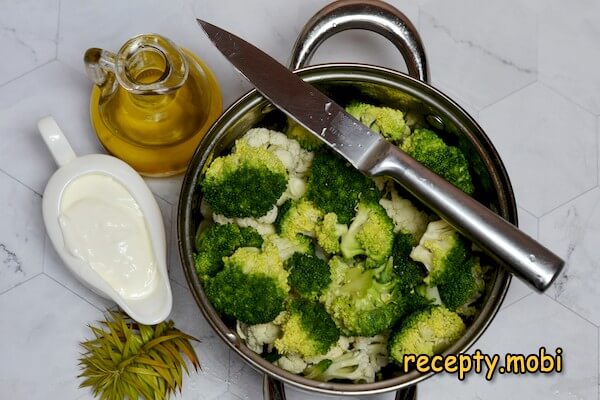
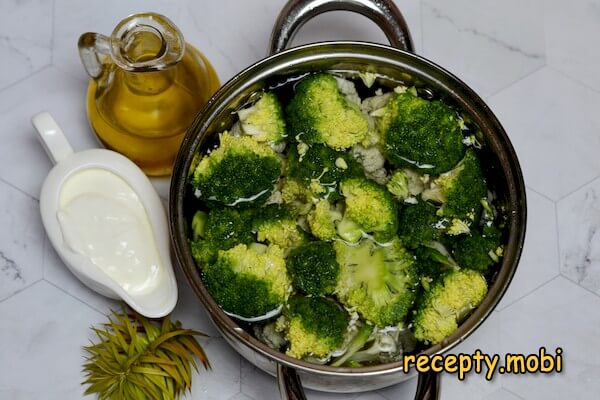
Drop the broccoli and cauliflower together into a pot of salted boiling water and cook for exactly 4 minutes at a strong boil.
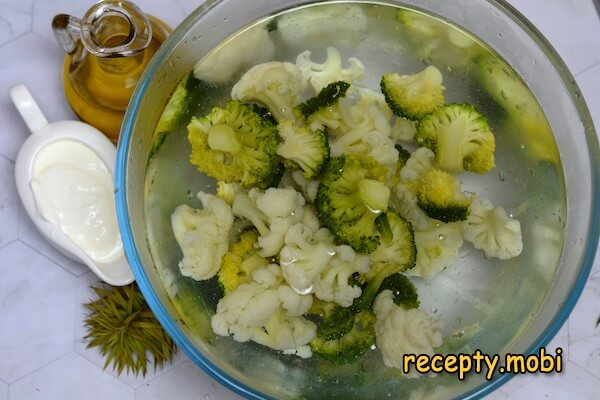
Drop the florets into cold water for a minute, so that you can place them in the dish without burning your fingers.
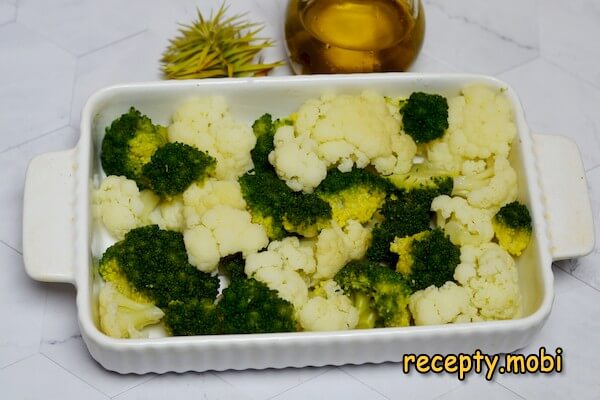
Grease a ceramic dish with oil, paying special attention to the bottom. During baking, the lower part of the florets will soak up the vegetable oil.

Arrange the broccoli and cauliflower tightly, aiming for an even height.
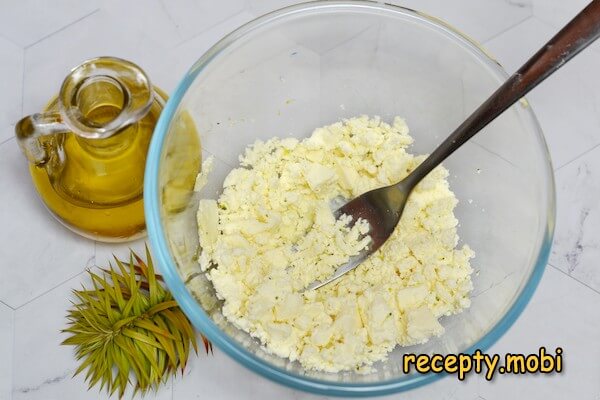
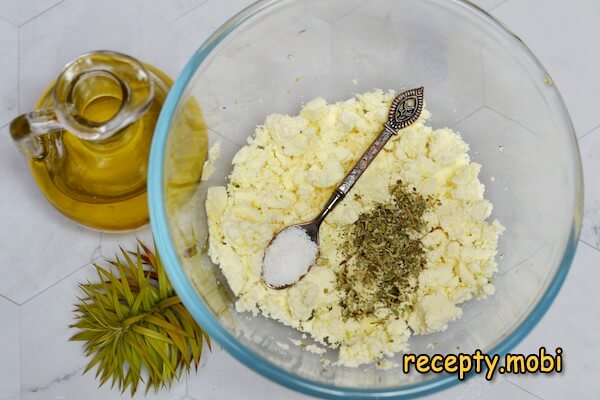
Mash the cheese with a fork or grate it.
Add salt and ground spices.
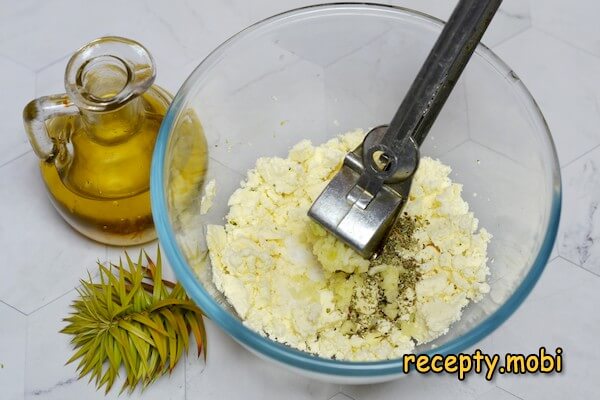
Press the peeled garlic cloves through a fine-holed press.
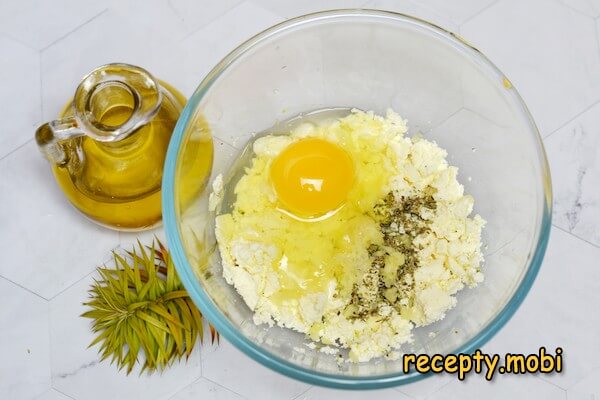
Combine the chopped cheese with the egg.
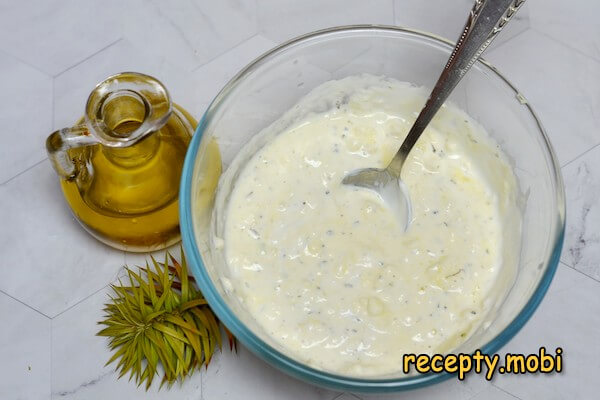
Add the thick sour cream.
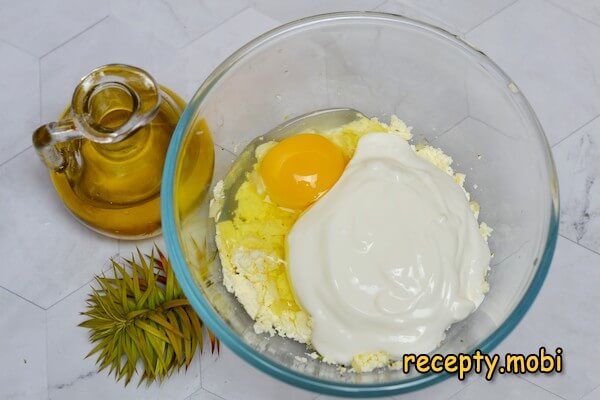
Mix the cheese-and-sour-cream sauce.
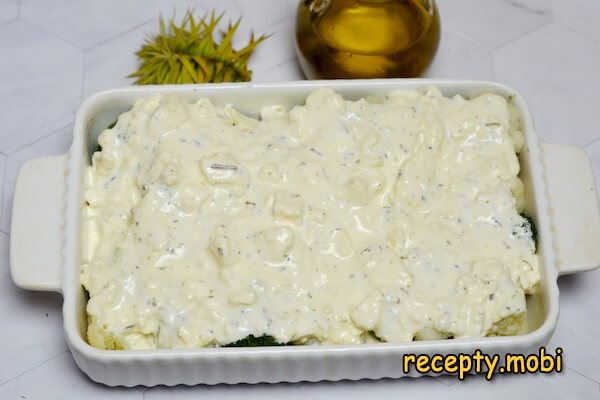
Spoon the sauce over the florets. So that the sauce does not run down but sets straight away, put the cabbage into a hot oven. Temperature: 180 degrees.
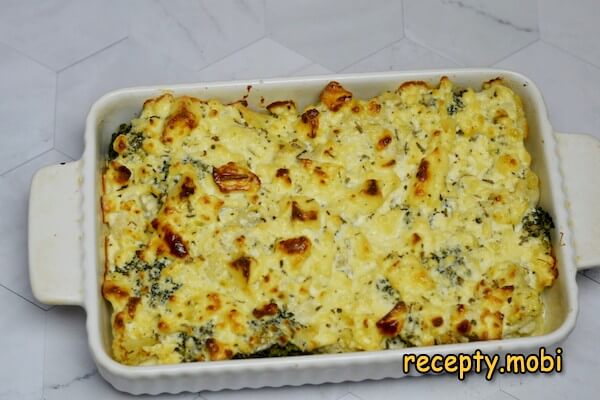
Take the dish out once the cheese crust on the florets has baked and turned golden. With convection on this will happen in 15 minutes; without convection, in 20–25 minutes.
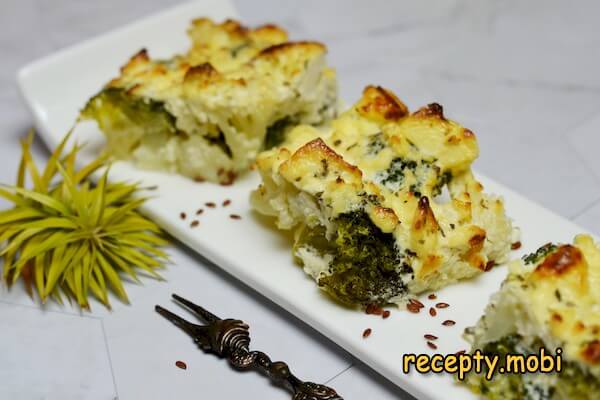
The broccoli and cauliflower baked in the oven are ready. The cheese crust unites the scattered florets into a kind of casserole. Cut the vegetable casserole into squares, lift them with a narrow spatula and place them on a plate.
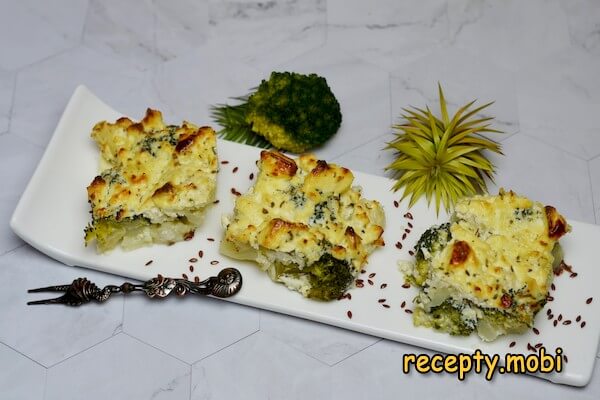
For a lovely flavour accent, you can sprinkle the baked florets of both kinds of cabbage with flax seeds.Enjoy your meal!


Tips
- 1
4 MINUTES AT A STRONG BOIL – exactly. Overdo it and the cabbage will boil down to mush; underdo it and it will be tough after baking.
- 2
COLD WATER FOR A MINUTE – the "shock" stops the cooking and keeps the broccoli a bright green.
- 3
CHEESE + EGG + SOUR CREAM – the "secret" of the sauce. The egg "binds" the sauce during baking, the sour cream adds tenderness, and the cheese gives the "crust".
- 4
INTO A HOT OVEN – this is essential. If you put it into a cold oven, the sauce will run down and there will be no crust. The same principle works for other kinds of vegetable casseroles.
FAQ
Which kinds of cabbage should I choose? +
Broccoli: bright-green, firm florets. Cauliflower: white florets without yellow spots. Size – small or medium heads (300–500 g) with small florets. Frozen ones are suitable; boil them for 5–7 minutes instead of 4 (more ice means more time is needed). Fresh is preferable – brighter colour and aroma. For a "winter" version, freezing works well. Florets of 2–3 cm in diameter are ideal for baking.
Which cheese should I choose? +
Hard, full-fat varieties are ideal: Rossiyskiy, Dutch, Gouda, Emmental, Maasdam. They should pull into "strings" when melting – that is "real" cheese. Do not use "cheese product" made with vegetable fats. Young cheeses (such as Adyghe or mozzarella) melt poorly. Parmesan is a premium addition that complements Rossiyskiy (50 g of parmesan plus 100 g of Rossiyskiy). Grate it on a coarse grater. Sharp cheddar is an unusual option for a "spicier" casserole. Brynza or feta are salty, so reduce the salt in the sauce.
How long does the casserole keep? +
In the fridge in a sealed container – 2–3 days. On the second day the flavour is brighter, as the sauce soaks into the cabbage. Reheating in the oven for 5–7 minutes at 160 °C will bring back the crunch. A microwave takes 1–2 minutes, but the crust will go soft. Freezing it is not something I recommend: after thawing, the cabbage goes mushy. Make enough for 1–2 meals. The casserole is at its "star" best when fresh, and acceptable on the second day. Do not leave it at room temperature for longer than 2 hours – the sour-cream sauce spoils quickly. The cold casserole is tasty too – serve it as a starter.
What should I serve the casserole with? +
It works as a dish on its own or as a side: with baked chicken, fish or grilled meat. With fresh vegetables and a green salad. With Greek yoghurt and lemon for a light sauce. With tomato sauce or salsa for a spicy accent. With a glass of dry white wine (Riesling, Chardonnay) for a restaurant-style serving. For a "light supper" – with toast and a soft-boiled egg. For vegans, replace the cheese with "vegan cheese" and the egg with flax flour mixed with water. With boiled rice or quinoa for a "complete" healthy meal. Garnish with flax, sesame or pumpkin seeds for a "premium" presentation. For children – without garlic and with 10% sour cream.
- Comment
or post as a guest
Be the first to comment.