avg —
Dumplings with Potatoes and Sauerkraut

Instructions
Get the ingredients for the dumplings ready.
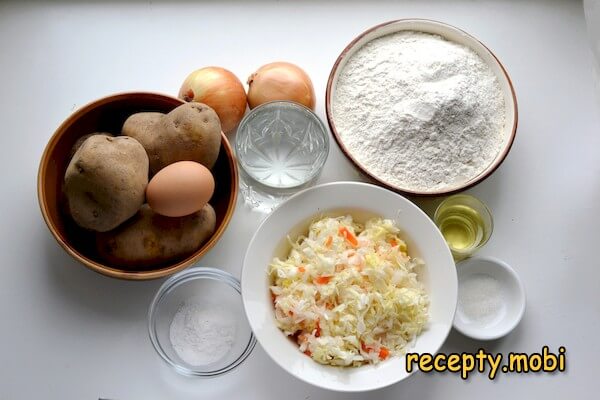
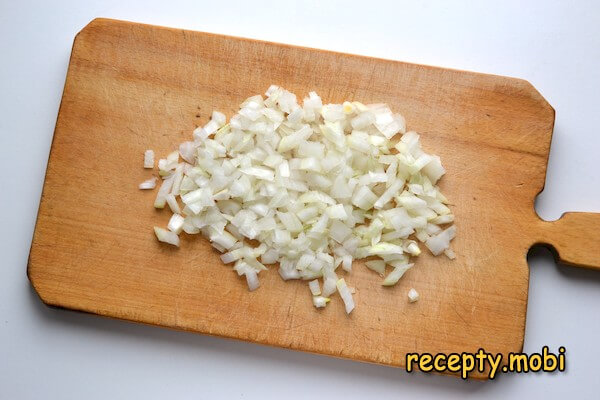
Start with the filling. Peel the onion and chop it into small pieces.
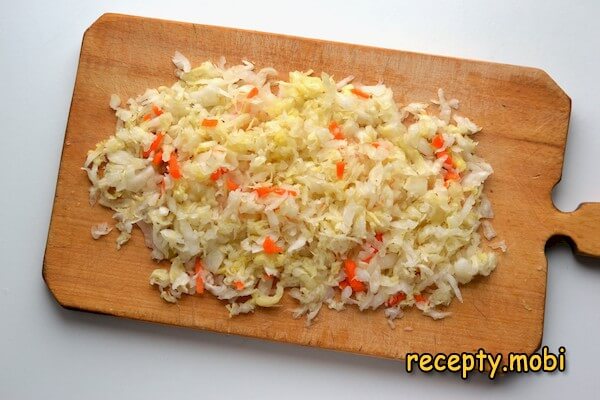
Put the sauerkraut in a colander. Squeeze it lightly to get rid of the excess liquid. Then transfer it to a board and chop it into smaller pieces with a knife.
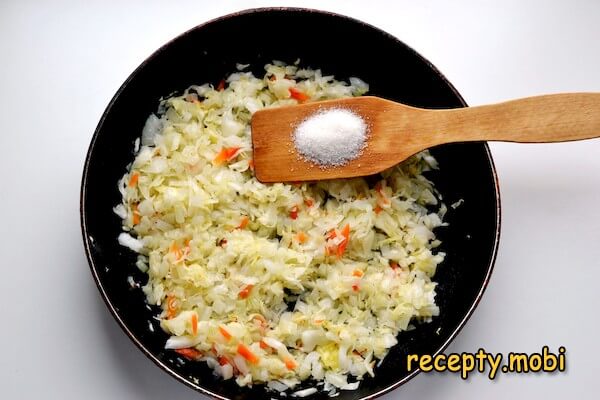
Heat vegetable oil in a small skillet. Add the sauerkraut with the chopped onion and the sugar. Stirring, sauté for 10–15 minutes.
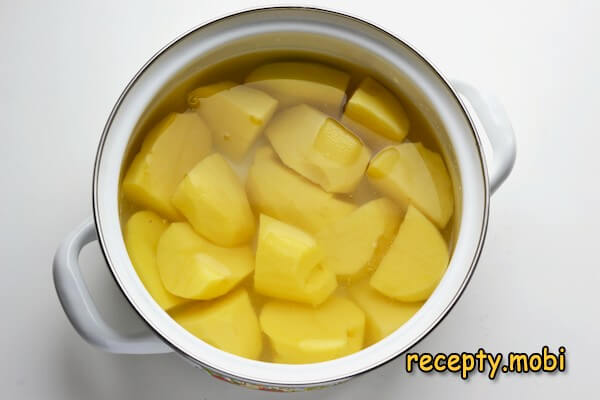
Peel and rinse the potatoes and boil them in salted water until soft, 20 minutes. To cook the potatoes faster, cut the tubers into pieces before boiling.
Drain the water from the cooked potatoes and mash them into a purée with a potato masher.
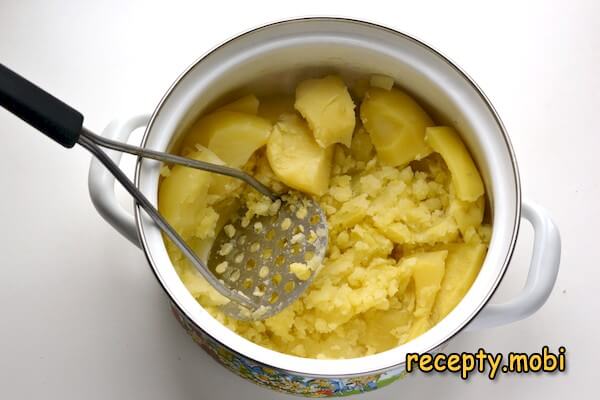
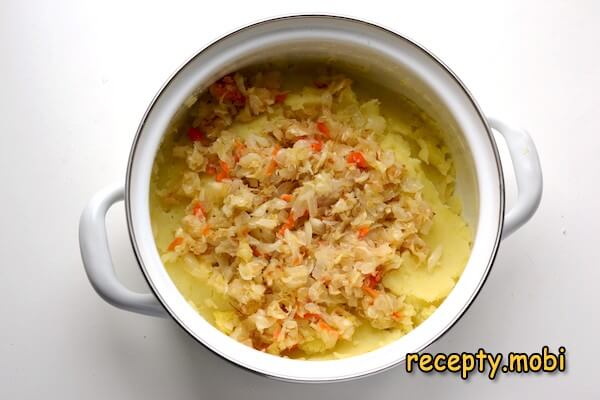
Combine the potato purée with the sautéed cabbage and onion. Add the oil the vegetables were fried in to the filling as well. Salt to taste – the potato-and-cabbage filling for the dumplings is ready. Set it aside to cool.
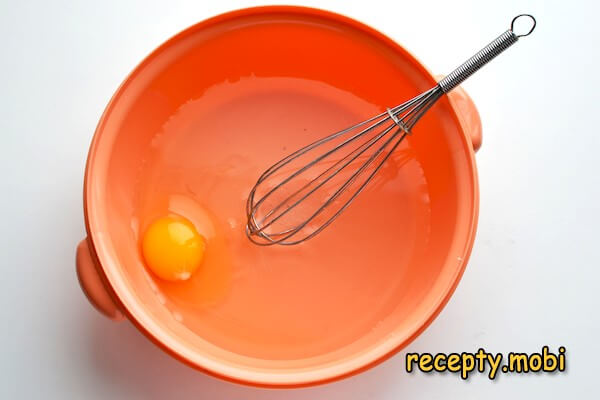
Make the dough for the dumplings. Pour 1 cup of water into a deep bowl, add the salt, sugar, and 1 egg, and whisk the ingredients until smooth.
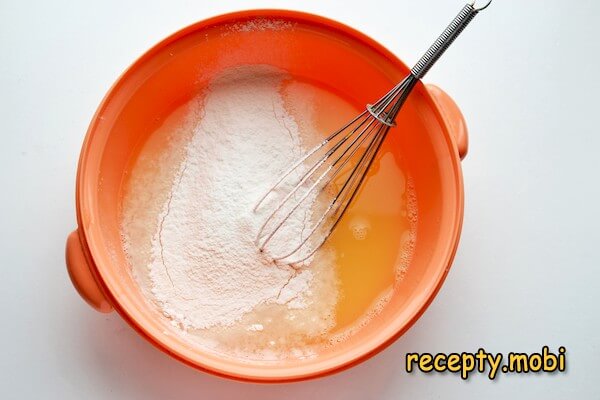
Add the sifted flour to the liquid ingredients in batches and mix.
While kneading, add 1 tablespoon of vegetable oil to the dough – it will make the dough more elastic.
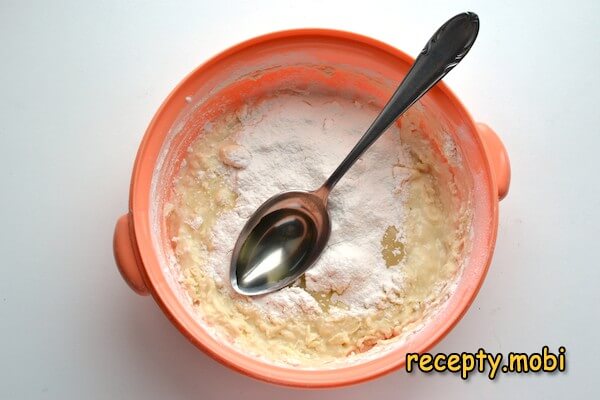
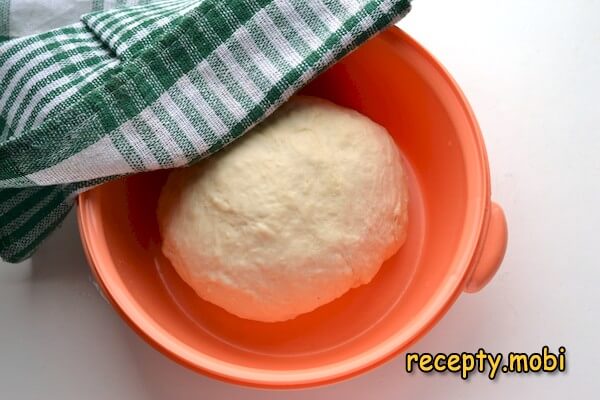
Knead the dough for the dumplings for 10 minutes, cover it with a cloth, and leave it for 30 minutes.
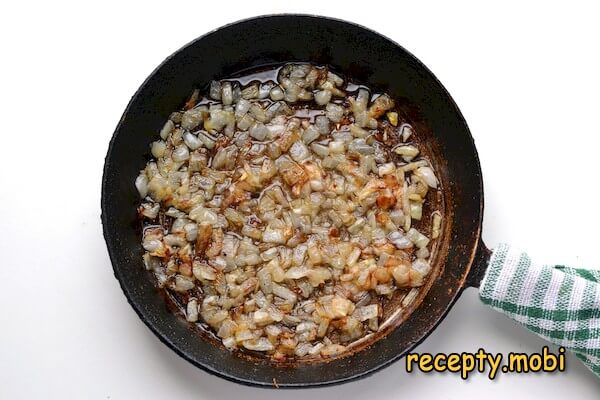
While the dough "rests", prepare the fried onion for serving. Peel the onion, cut it into small cubes, and fry it in plenty of sunflower oil until the onion reaches the colour you like. Set it aside.
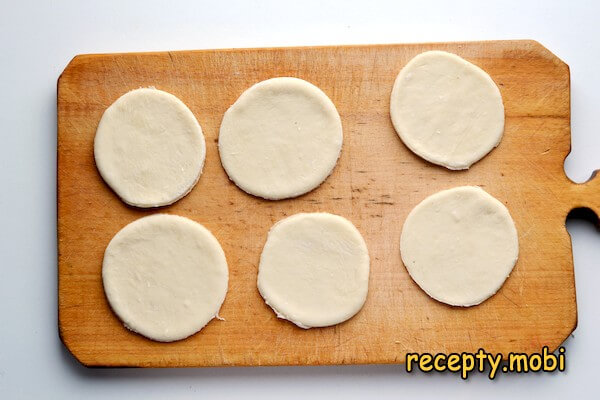
After 30 minutes, take about 1/3 of the dough, place it on a floured surface, and roll it out into a thin layer (3 mm thick). Using a glass, cut out circles 7 cm in diameter.
Place the cooled potato-and-cabbage filling in the centre of each dough circle.

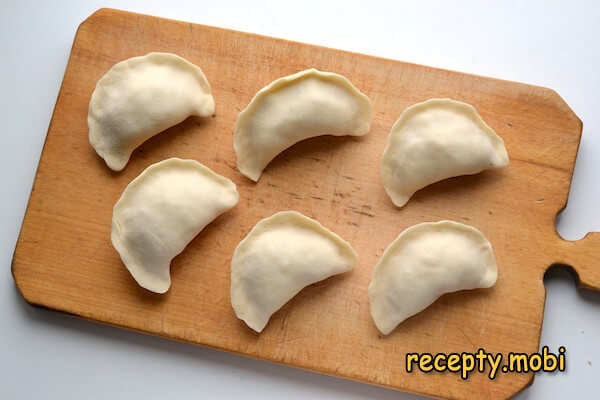
Bring the edges of the circle together over the filling, pinching them tightly with your fingers. Do the same with the remaining circles.
Pour water into a pot and bring it to the boil. Add a prepared batch of dumplings to the boiling water. Stir, gently lifting them with a spoon, and cook for 5 minutes. Remove the cooked dumplings from the pot with a slotted spoon and put them in a deep bowl. Drizzle with a spoonful of the sunflower oil with the onion fried in it, and cover with a lid so they don't dry out. Move on to cooking the next batch.
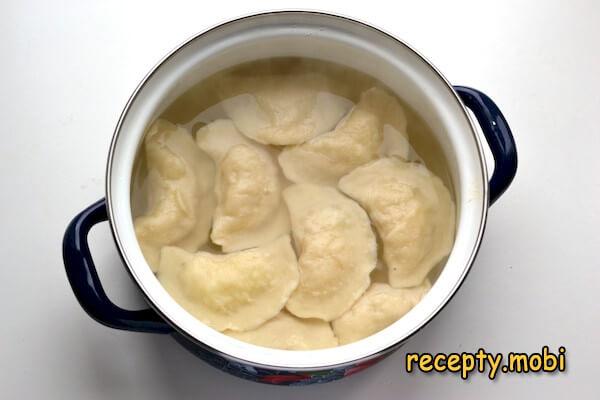
The dumplings with potatoes and sauerkraut are ready.Bon appétit!



Tips
- 1
SQUEEZE THE CABBAGE – this is a must. The excess juice will "run" into the dumplings and the dough will come apart during cooking.
- 2
SUGAR IN THE CABBAGE – it "balances" the acidity. Without sugar the filling will be "sharp"; with sugar it is mellow and balanced.
- 3
10–15 MINUTES OF SAUTÉING THE CABBAGE – it "cooks off" the excess moisture. Raw cabbage in the filling means water in the dumplings.
- 4
ONION FOR SERVING – a double dose of aroma. This is the Ukrainian "secret" – the first part goes in the filling, the second on the plate. The same principle works for other kinds of dumplings and pelmeni.
FAQ
Which sauerkraut should you choose? +
The ideal is homemade fermented cabbage (without vinegar, naturally fermented). Alternatives are shop-bought cabbage in jars or sold by weight (check the ingredients – no vinegar). Pickled cabbage (with vinegar) is not suitable – the filling will taste "vinegary". If the cabbage is too sour, rinse it in cold water and squeeze it out. Cabbage with carrot is fine (it adds colour). Cabbage with cranberries or lingonberries gives an unusual flavour, for a "premium" version. Yellow cabbage has gone off – do not use it. The smell should be pleasantly sour, with no "rot". For a "children's" version, soak it in water for 30 minutes (the sharp sourness will go).
Which potatoes should you choose? +
The ideal is floury varieties. Alternatives are waxy ones – they also work, but you need to mash them more thoroughly. New potatoes are not the best choice, as they mash poorly. Old, "wrinkled" potatoes are not suitable. A size of 80–120 g is convenient for cutting. Light-yellow flesh is tastier than white. Before boiling, cut them into 2–4 pieces (they cook faster). Drain off all the water – without a drop of moisture, otherwise the filling will "fall apart". Mash them while still hot – it will be more tender. There is no need to make the purée with milk – we already have the oil from the cabbage.
How long do the dumplings keep? +
Boiled dumplings keep in the fridge in a container for 2 days. Reheat them in the microwave for 1–2 minutes under a lid. On a skillet with oil for 3–4 minutes, and you get a "fried crust". Raw shaped dumplings keep in the freezer for up to 3 months. Freeze them spread out on a board, then tip them into a bag – they won't stick together. Cook them straight from frozen, without thawing (drop them into boiling water for 7–8 minutes). Don't leave raw ones at room temperature for longer than 30 minutes – the dough will start to "run". Boil the finished ones in water for 5 minutes after they float up. Ones that stick together weren't boiled in a large amount of water.
What do you serve the dumplings with? +
The classics: with (thick) sour cream, or with butter or sunflower oil with fried onion. With fresh herbs (dill, parsley). With black or rye bread for a "rustic" serving. With a shot of cold vodka for a "Ukrainian" serving. With borscht or shchi for a "Ukrainian dinner". With herbal tea for a warming supper. For a "family dinner", with a fresh vegetable salad. For a "lean version", with vegetable oil and onion. With dried-fruit compote for a winter meal. With hot milk for a "grandmother's" version. A universal dish for winter evenings.
- Comment
or post as a guest
Be the first to comment.