avg —
Dolma in Grape Leaves – Classic Recipe

Instructions
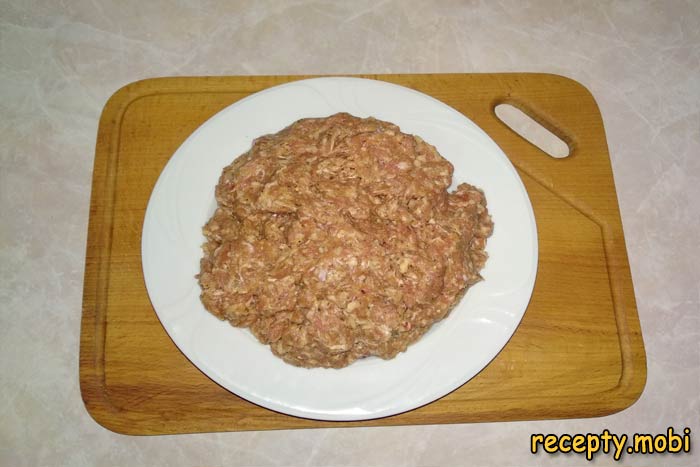
I prepare the filling for the dolma (700 g). Use veal, beef, lamb, or a 50/50 mix of beef and lamb – the "classic" choice for Azerbaijani dolma. I put the meat through a grinder with a COARSE mesh – this gives the dolma its characteristic "texture", unlike the paste-like mince for cutlets made on a fine mesh.
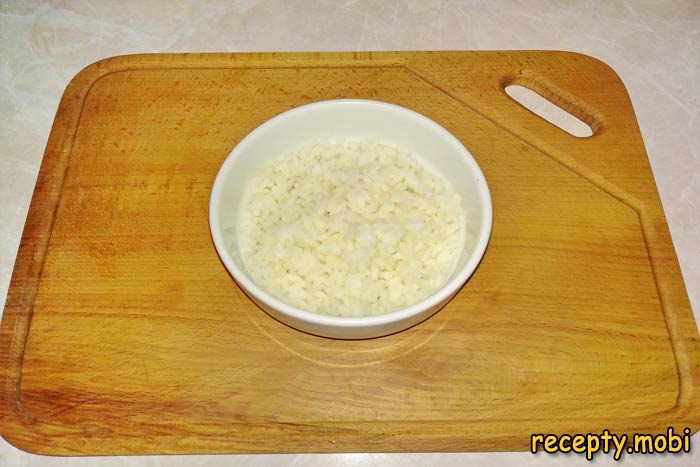
I rinse the long-grain rice (100 g) thoroughly in several changes of water until it runs clear. I boil it until half-cooked, 3–4 minutes after it comes to the boil in lightly salted water – it is important NOT to fully cook it, because the rice will "finish" inside the dolma during braising. I drain it in a colander and leave it to cool. Any rice will do – round or long.
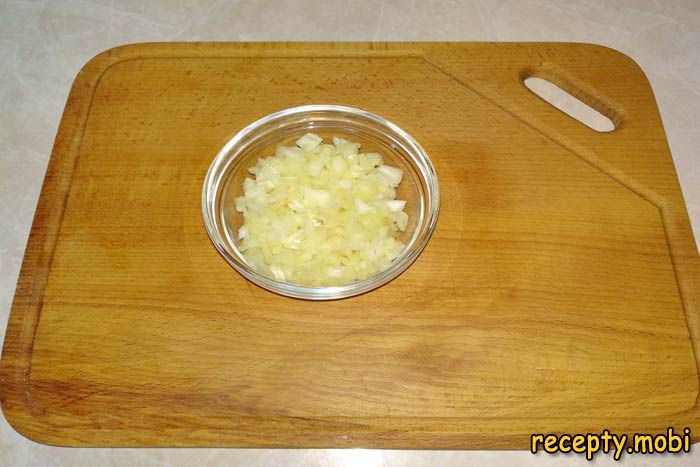
I peel the onion (350 g, 1 large or 2 medium) and chop it into a very small dice, 3–5 mm. Do not use a grinder for the onion – it will release too much liquid and the filling will not hold its shape. You can also "squeeze" the juice out of the onion through cheesecloth to keep it dry.
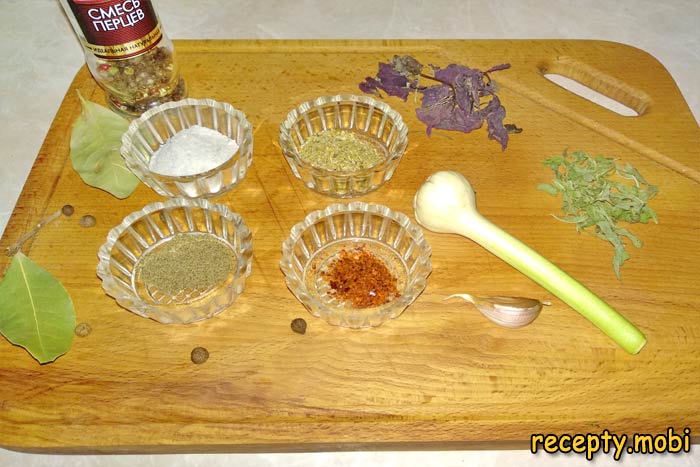
I prepare the "right" spices – the "secret" of an authentic Caucasian dolma. I crush the dried mint (1 tsp), dried basil (1 tsp) and khmeli suneli (½ tsp) in my palm with my hands – this releases their aroma. I add the ground black pepper (½ tsp) and salt (2 tsp) separately.
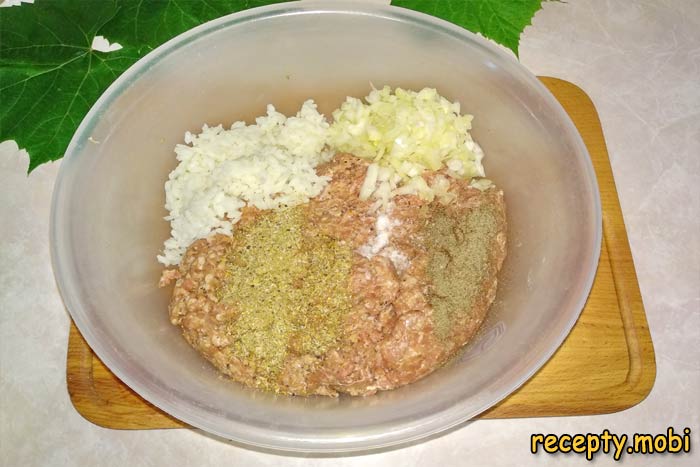
I put the minced meat, the boiled rice, the chopped onion and all the spices into a large bowl. I knead thoroughly by hand for 5 minutes until pliable – the filling should "come together" and become uniform. I gradually add water or meat broth (200–300 ml) until it reaches a juicy consistency – the filling should not be "dry". This is the "secret" of a tender dolma.
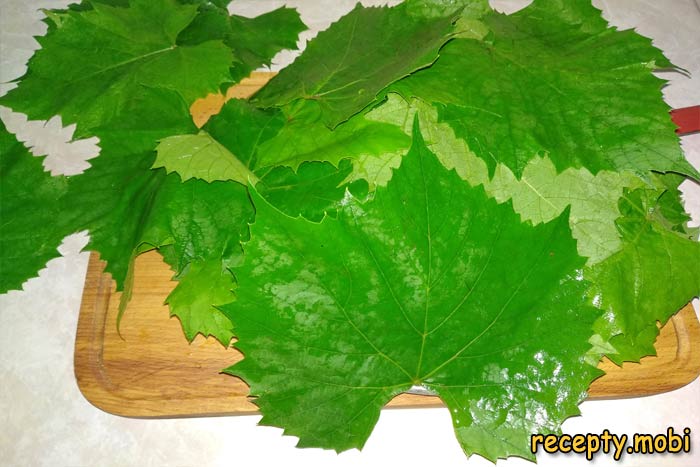
I prepare the grape leaves. In June, use fresh young leaves (the 3rd–4th leaf from the tip of the vine). At other times of the year, use ones canned or frozen from the summer. I wash the fresh leaves thoroughly and trim off the long stems at the base. The leaves should all be of one medium size for the look of the finished dolma.
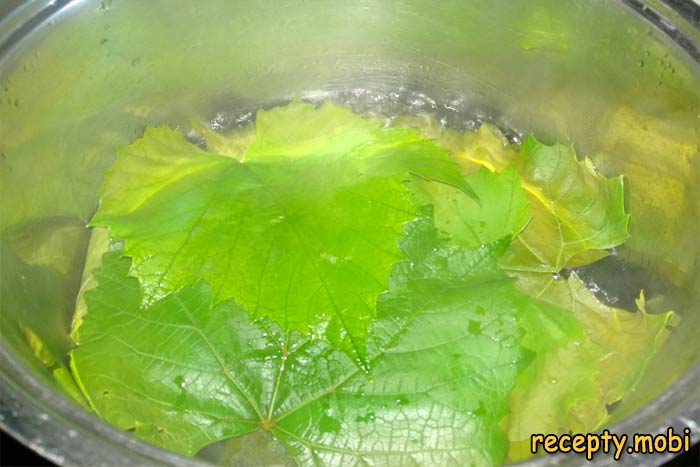
I blanch the fresh leaves in boiling, lightly salted water for 1–2 minutes – they become soft and pliable. Very young leaves (a delicate green) need not be blanched – use them straight away. Canned leaves I rinse free of excess salt and also use without blanching.
I lay each leaf out on the work surface, glossy side DOWN (matte side up). On the middle, closer to the base, I place 1 tsp of filling (about 15 g). For evenly sized dolma, use a measuring spoon.
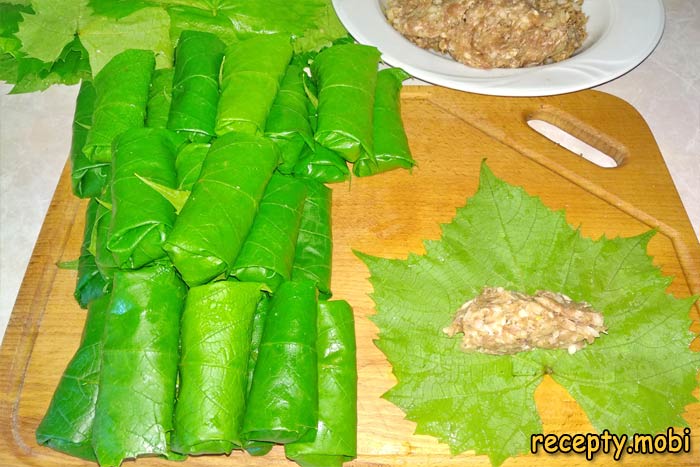
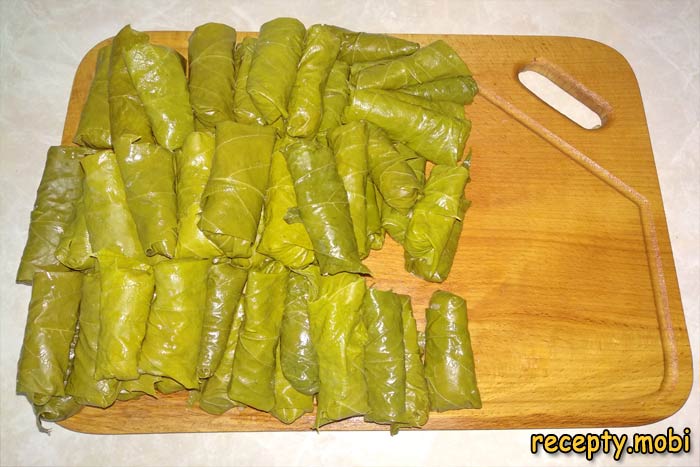
I wrap the dolma like a mini cabbage roll: I fold the base of the leaf over the filling, then fold the side edges towards the centre and carefully roll it into a tight little "roll" from the base to the tip of the leaf. The finished dolma are small, firm little "barrels" 4–5 cm long. This is how I shape all 50 pieces.
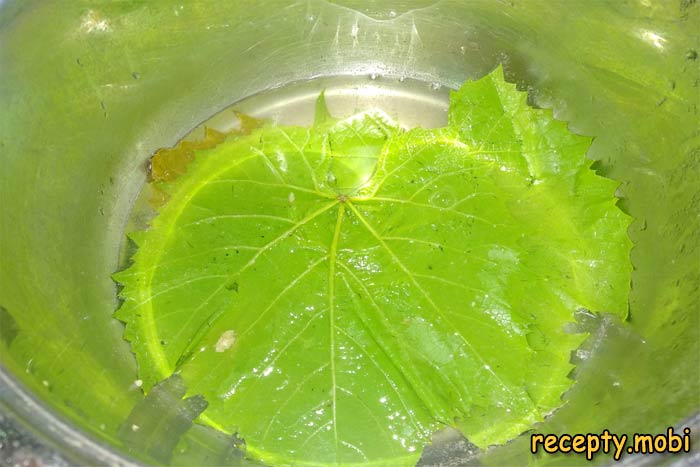
Into a heavy-bottomed pot (3–4 l) I pour ½ cup of water (100 ml) and lay down a layer of 3–4 large grape leaves – they will protect the dolma from scorching. On top of the leaves I pack the dolma tightly, seam DOWN, in 2–3 rows, leaving no gaps. Between the dolma you can tuck in cloves of garlic (3 cloves, cut up) for aroma.
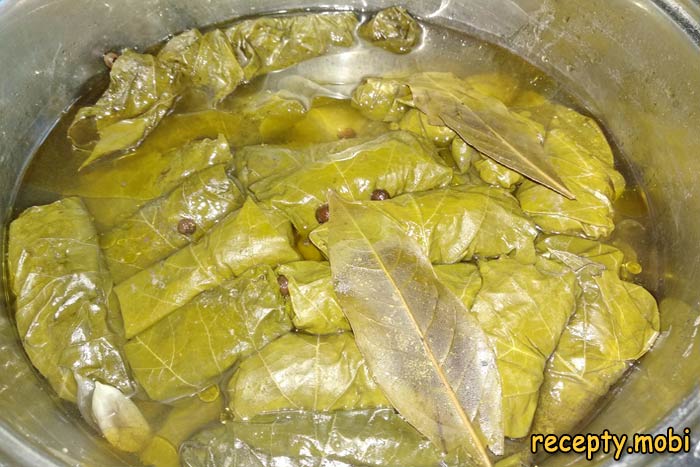
On top of the dolma I add the bay leaves (2 pcs) and allspice peppercorns (5 pcs). I pour in hot broth or lightly salted water (1 l) so that it covers the top row of dolma to ⅔ of its height. Do not cover them completely – the dolma should gently "steam" rather than float.
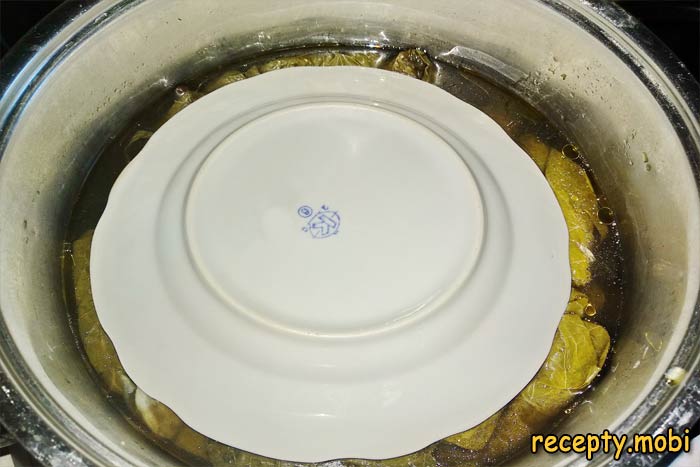
AN OBLIGATORY STEP: on top I set a flat plate face down and place a small weight on it (a jar with 200 ml of water). Without the weight the dolma will "float up" and unravel as it boils. I cover the pot with a lid and braise over the lowest heat for 1 hour after it comes to the boil.
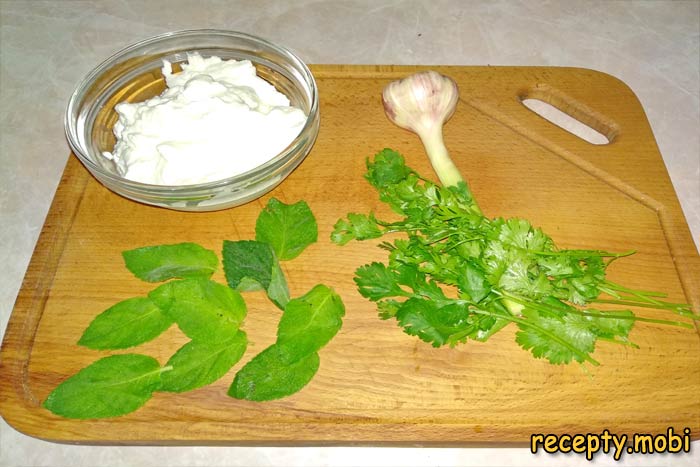
Meanwhile I make the classic matsoni sauce. I transfer the thick yogurt or matsoni (300 g) into a bowl, add finely chopped fresh cilantro (1 bunch), 5–6 fresh mint leaves (finely chopped), 1–2 cloves of garlic through a press and a pinch of salt. I mix thoroughly until uniform. I serve it in a separate sauce boat.
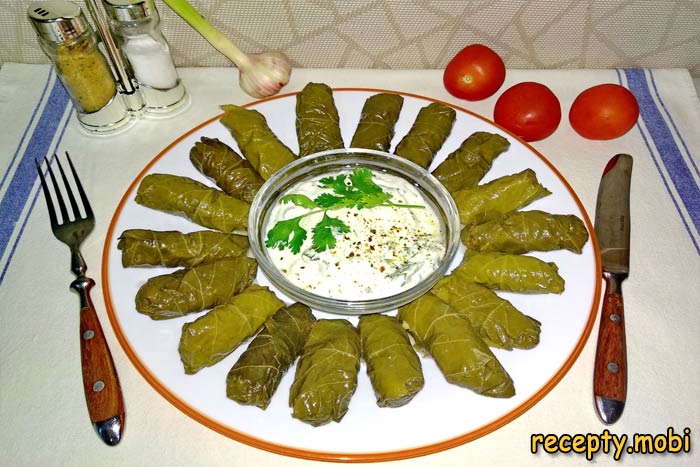
The finished dolma has the golden-green colour of the leaves, a firm shape and a characteristic spicy aroma. I serve it on a large serving dish, 5–7 pieces per portion, spooning over some of the meat broth from the pot. The matsoni sauce with garlic and herbs is an obligatory accompaniment – guests spoon it over themselves to taste. The dolma in grape leaves is ready!Bon appétit!


Tips
- 1
Use only YOUNG grape leaves (the 3rd–4th leaf from the tip in June) – old, tough ones give a "rubbery" dolma.
- 2
Do NOT put the onion through a grinder – chop it into a small dice with a knife. Ground onion releases moisture and the filling will "run".
- 3
Always set a weight on the dolma while braising – without it the dolma will "float up" and unravel. I make Russian cabbage rolls on a similar principle.
- 4
The matsoni sauce with garlic is an obligatory accompaniment – without it the dolma is "bare". Make it an hour before serving so it can develop.
FAQ
How do I put up grape leaves for the winter? +
The best time to gather them is June, when the leaves are young and elastic. Method 1 (freezing): I wash the leaves thoroughly, pat them dry with a towel, stack them in piles of 10, wrap them in cling film and freeze them in bags. Before use, defrost them completely at room temperature. Method 2 (brining): I wash and lightly blanch the leaves, roll them into tubes and pack them tightly into jars, pour over a boiling-hot brine (1 tbsp salt per 1 l of water), sterilise for 20 minutes and seal. Before cooking I rinse them free of salt. Method 3 (dry salting): I layer the leaves with salt in a jar without any brine – they take up less space.
What can I use instead of grape leaves? +
If you have no grape leaves, there are alternatives: young cabbage leaves (the Russian cabbage roll), quince (an ancient Caucasian variant), young beetroot (an unusual pinkish colour), cherry (a peculiar fruity aroma), or blackcurrant (for small "summery" rolls). Each leaf gives its own character. The closest in taste to grape leaves are fresh quince leaves (if you can find them at the dacha) and young cabbage. Cabbage is the most versatile substitute and is available year-round. The braising time may differ – check for doneness by the softness of the leaf.
How long does the finished dolma keep? +
The finished dolma keeps in the refrigerator for up to 4 days in a tightly closed container with the broth. On the 2nd–3rd day the flavour is even richer – the filling becomes thoroughly steeped in the spices and the aroma of the grape leaf. Before serving, reheat it in a pot with the broth over low heat for 5–7 minutes, or in the microwave for 3 minutes under a cover. You can freeze the cooked dolma for 1 month in airtight containers with the broth – before eating, defrost it completely in the refrigerator for 8 hours and warm it through. Raw shaped dolma can also be frozen for 2 months – do not defrost before cooking, cook it straight from frozen, increasing the time to 1.5 hours.
What should I serve dolma with? +
Ideally with the obligatory matsoni sauce (thick yogurt + garlic + fresh cilantro and mint) – the "classic" Azerbaijani presentation. Thin Armenian lavash, Georgian lavash and Uzbek non bread go well with dolma. For salads – "achik-chuchuk" (tomatoes + onion + basil), a Greek salad with feta and olives, or grilled vegetables. For drinks – green or black tea (the classic of the Caucasus), ayran, tan, pomegranate juice or a dry red wine (Saperavi, Cabernet). Perfect for a family celebration or a friendly weekend lunch. Ideal for a summer feast at the dacha with freshly picked grape leaves.
- Comment
or post as a guest
Be the first to comment.