avg —
Strudel with meat and potatoes

Instructions
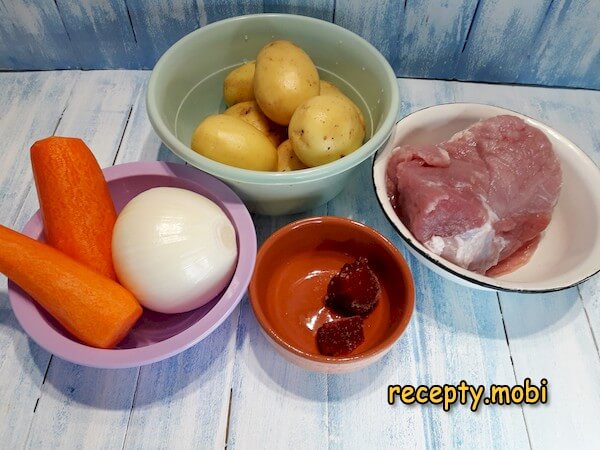
I prepare the ingredients for the main composition. The pork can be replaced with veal; the main thing is that the meat is boneless. Either old or young potatoes will do.
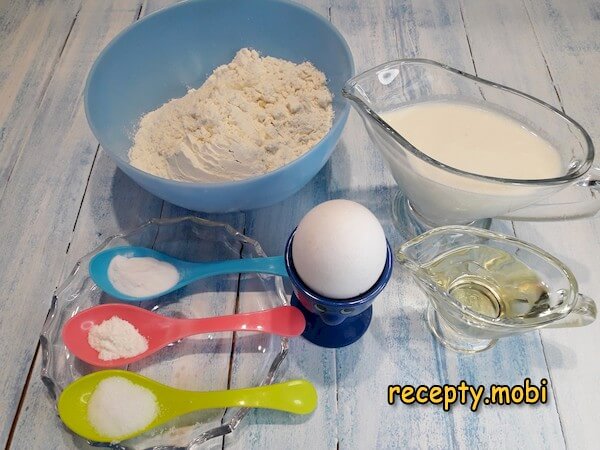
With the strudel ingredients it is important to keep in mind that the kefir should not be cold – before using it, let it stand on the counter until it reaches room temperature.
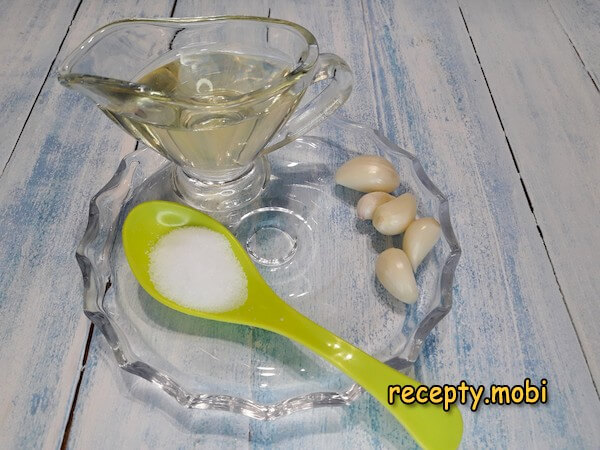
For the filling it is better to use coarse salt – the garlic grinds down more easily with it.
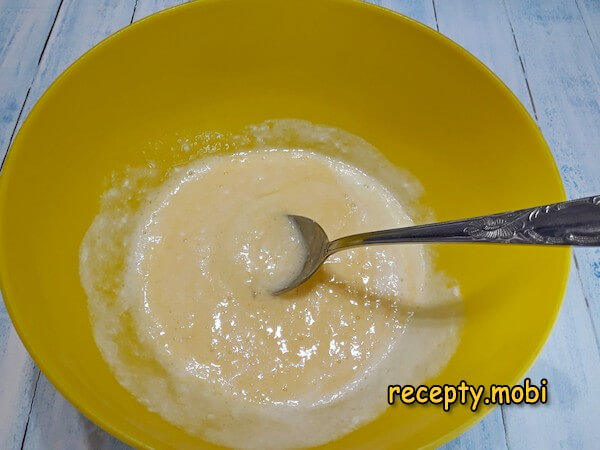
I start with the strudels. I pour the kefir into a mixing bowl and add the baking soda and baking powder so the release of carbon dioxide begins. Then I add the egg.
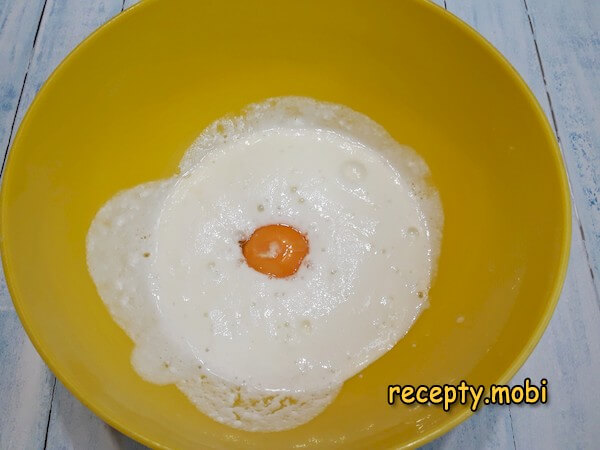
After mixing, you get a slightly foamy, uniform mass.
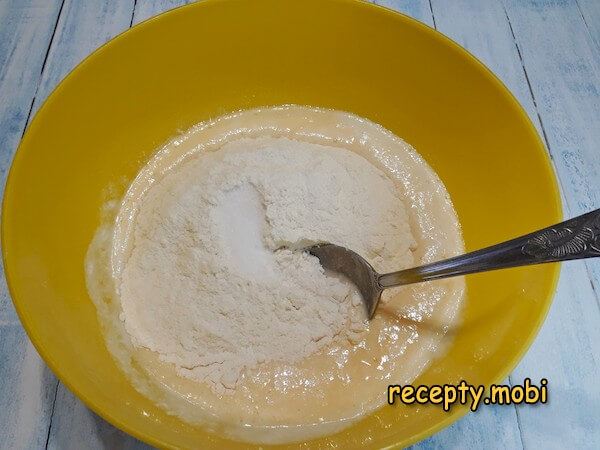
I pour in the salted flour.
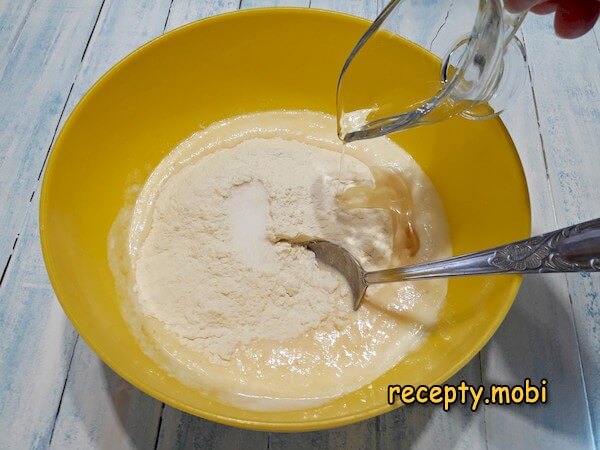
For elasticity I add the oil.
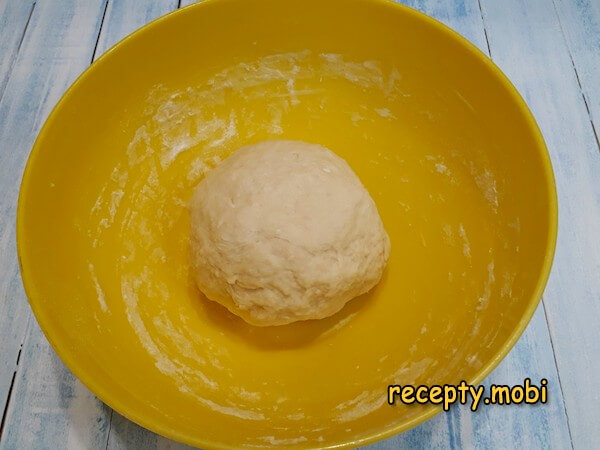
I knead the dough – it should not be tight and dense, but rather soft and pliable. Because different flours behave differently, you may need a little more. If the dough comes out too sticky, I add another 20–30 grams. I gather the dough into a ball, cover it with a towel, and leave it to rest for 20 minutes on the counter.
I prepare the oil filling. I squeeze the garlic into a small dish and grind it with the salt.
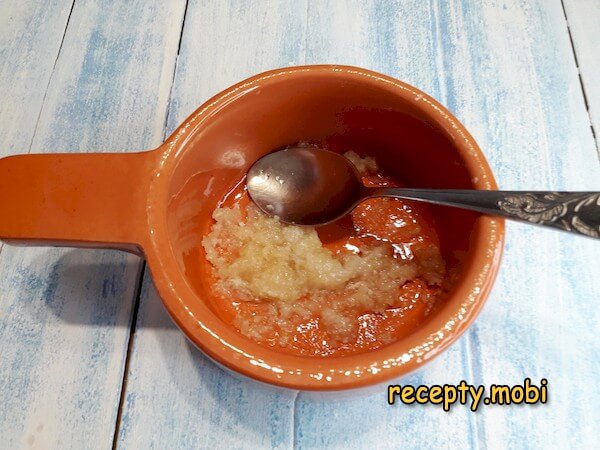
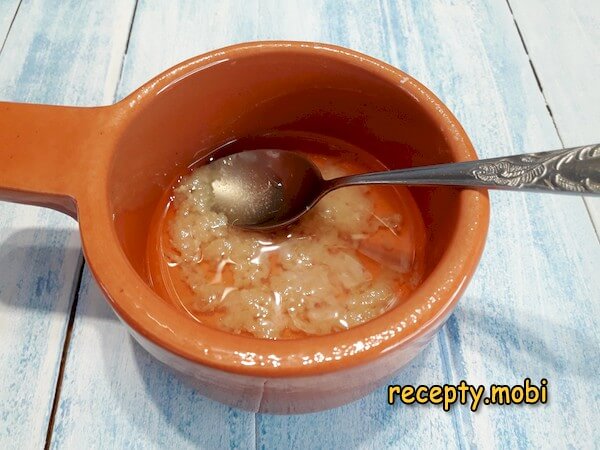
I add the vegetable oil and again grind everything thoroughly with a small spoon.
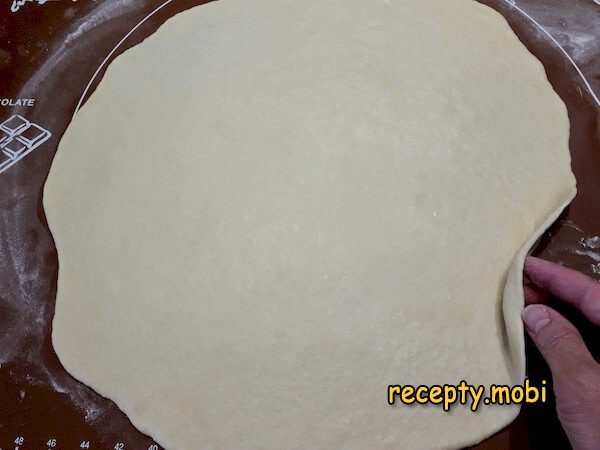
I roll the rested dough into a thin sheet (about 3 millimetres).
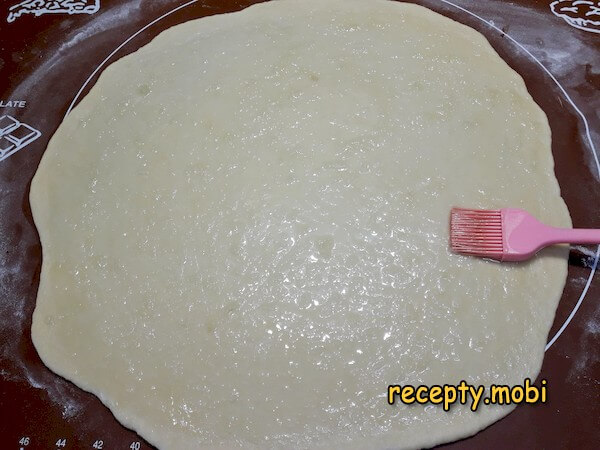
I spread it generously with the garlic-oil filling, stopping just short of one of the edges so it can be sealed easily after rolling.
I roll it up into a loose log so that an unspread edge is left at the end.
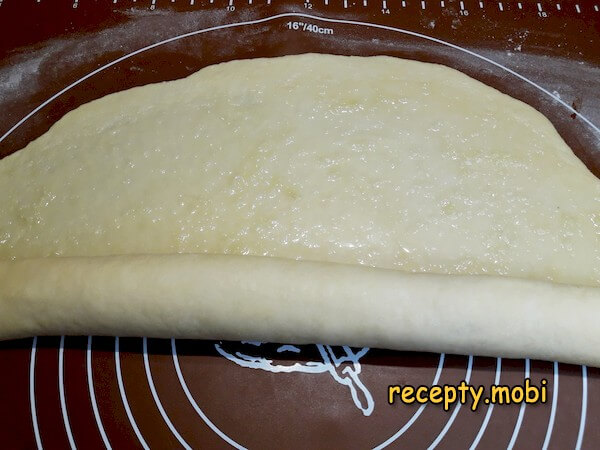
I pinch it shut, joining it into a single piece.
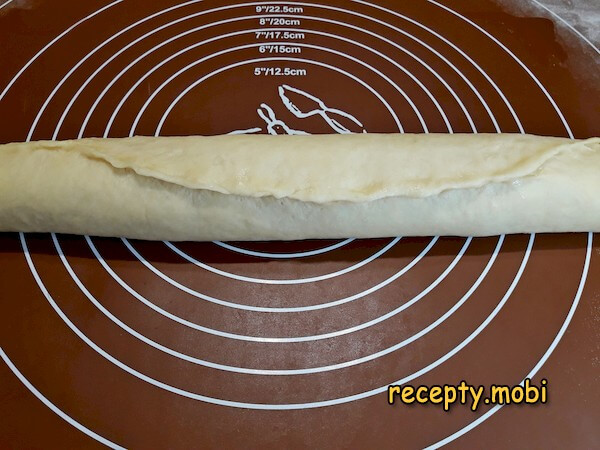
With a sharp knife I cut rounds about 3 centimetres long. Let them sit aside for now.
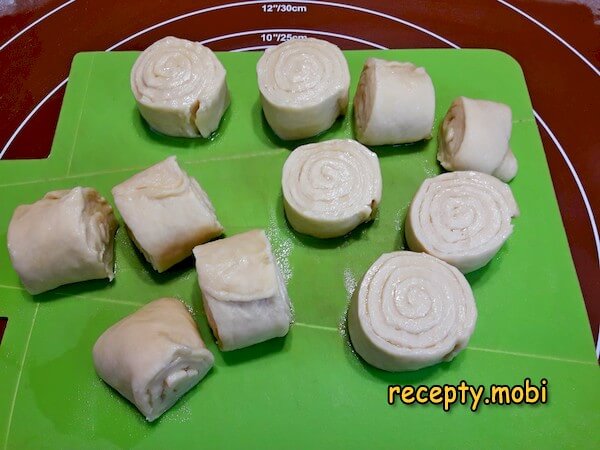
Meanwhile I get on with the cutting for the main composition. I cut the meat into fairly large pieces.
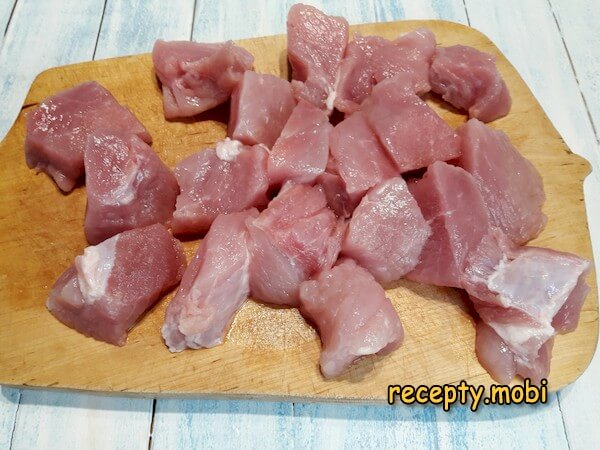
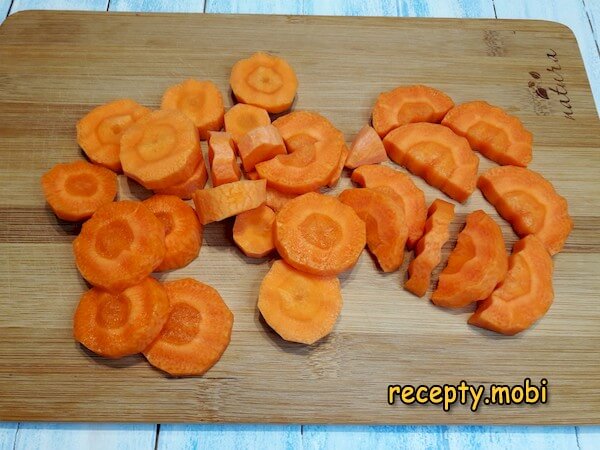
The carrot into large chunks.
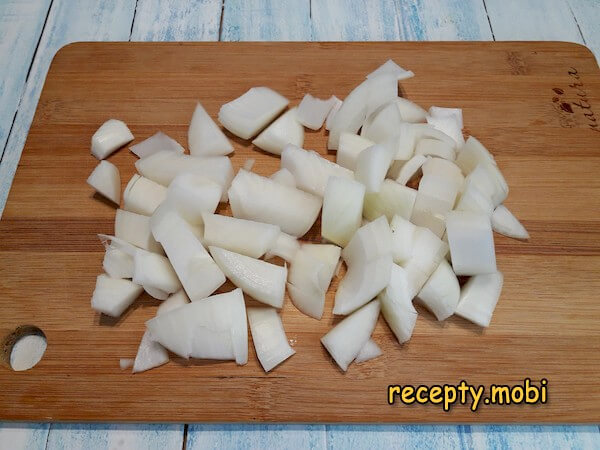
I cut the onion the same way.
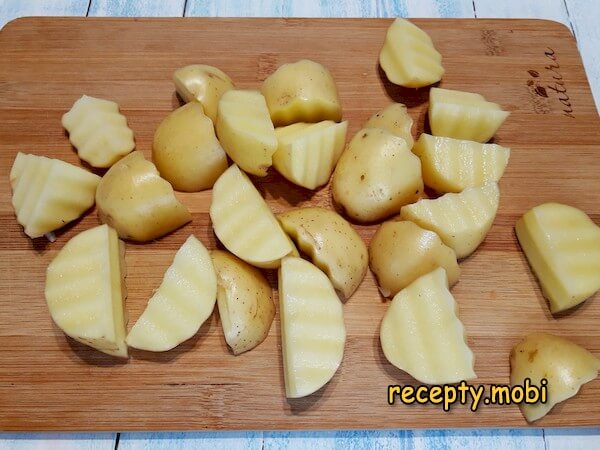
Young potatoes need not be peeled – just wash them well and break them into large pieces.
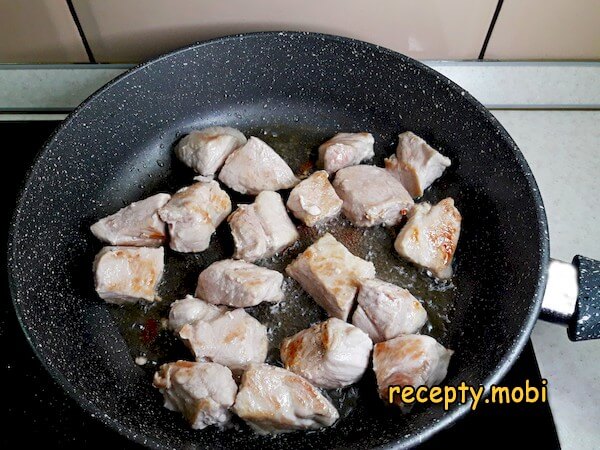
I heat the oil in a deep skillet. I sear the meat in it over high heat (this way it forms a crust while staying juicy inside).
I add the carrot and keep it in the pan for 3–4 minutes, reducing the heat to medium.
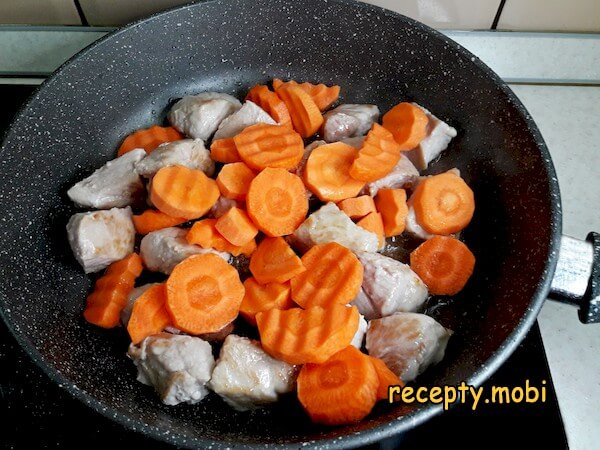
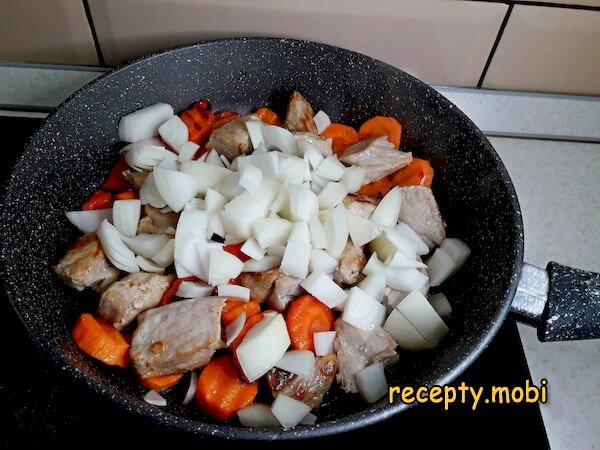
Next I add the onion and let it stew until soft.
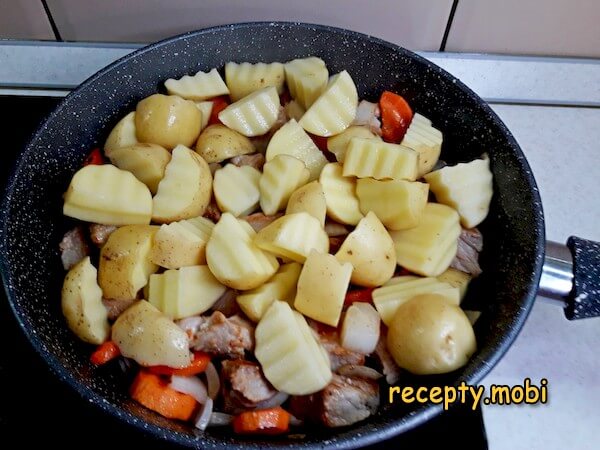
Last of all I add the potatoes and fry everything together for another 5 minutes.
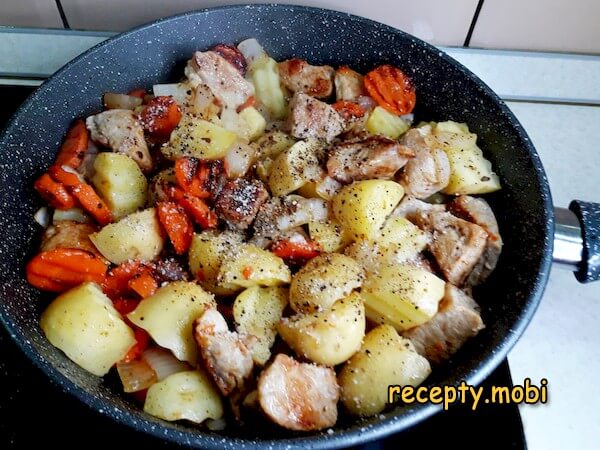
Next I add the salt and pepper.
I pour in the boiling water so that it almost covers all the ingredients.
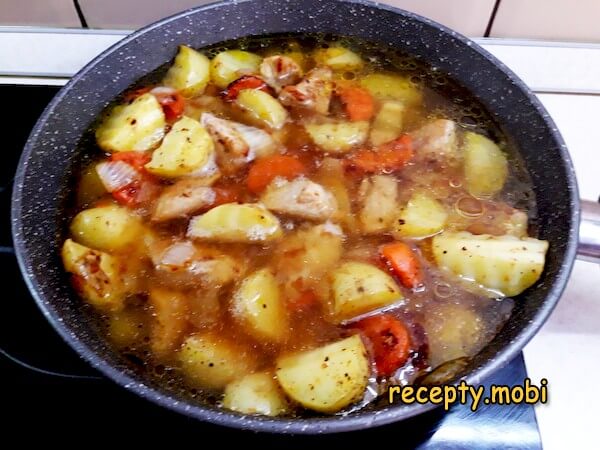
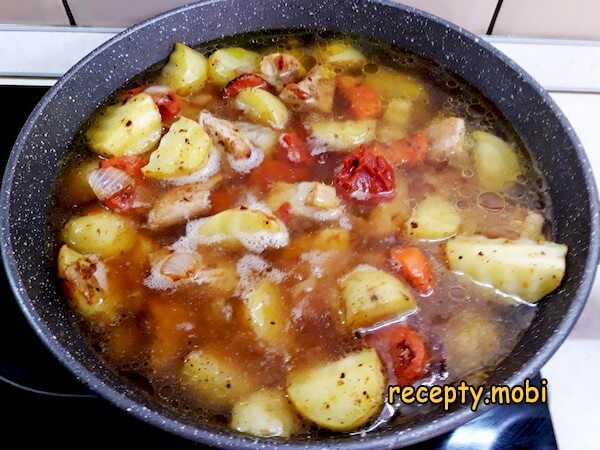
For colour I add the tomato paste. I stir it in.
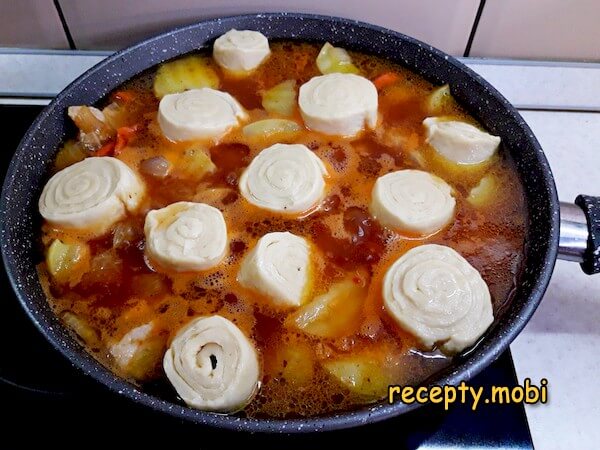
I arrange the prepared rolls on top.
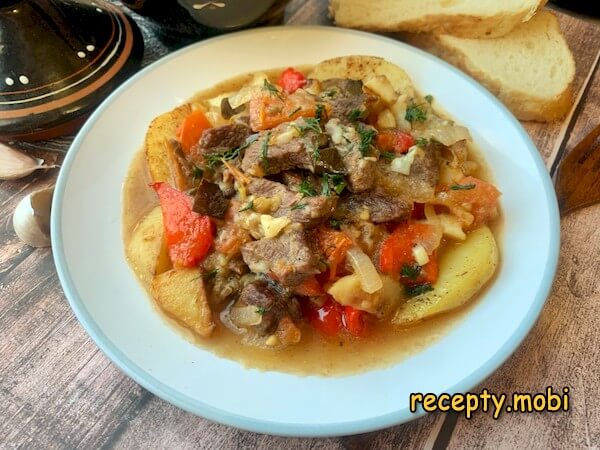
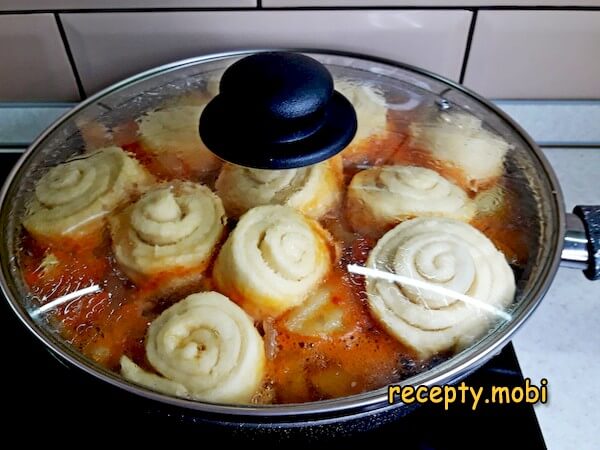
I cover the pan with a lid and simmer the dish over low heat for 40 minutes. You can tell the dish is ready by the strudels – they will swell up a lot and the dough will be fully steamed through.I serve the strudel with meat and potatoes piping hot, of course. On each plate I put a little of everything: meat, vegetables, and a couple of strudels. The garlic-soaked spirals are very soft and porous. They are lovely dipped into the broth and eaten with a bite of meat or potato. You can sprinkle the portion with fresh herbs – give it a try. Bon appétit!


Tips
- 1
Warm kefir is the secret of the dough. Cold kefir slows the reaction of the baking soda and baking powder. Room temperature gives a fluffy dough for airy strudels.
- 2
Searing the meat is the secret of juiciness. Stewing it straight away would let the meat lose its juices and turn dry. Searing over high heat seals in the juices, so the meat stays juicy inside.
- 3
A loose roll is the secret of the spirals. A tight roll won't steam through inside. A loose roll with air between the layers steams evenly, and the dough turns out fluffy.
- 4
Water up to the level of the vegetables is the secret of the steam. Too much water and the strudels will boil apart in it; too little and they won't steam through. Boiling water up to the level of the vegetables gives proper steam cooking. The same principle works in other dishes with dough on top.
FAQ
Which meat should I choose? +
Pork neck with a little fat is ideal (500 g is the classic choice). Alternatives include boneless veal (500 g – leaner and more tender), pork loin (500 g), lean beef (500 g – leaner), pork shoulder (500 g – budget-friendly), a mix of pork and beef (250 + 250 g), boneless chicken thighs (500 g – a lighter option), or turkey thigh (500 g). Avoid lean tenderloin with no fat (it will turn dry) and meat with large membranes. For the classic result, use meat with a little fat, such as shoulder or neck.
What can replace the kefir in the dough? +
Alternatives include soured milk (125 ml), ayran (125 ml – light), ryazhenka (125 ml – more tender), matsoni (125 ml), a mix of milk with 1 tbsp lemon juice (125 ml – a quick fix), 15% sour cream diluted with water (60 g + 60 ml), buttermilk (125 ml), or milk whey (125 ml – budget-friendly). Avoid flavoured kefir and sweet drinking yoghurts. For the classic result, use kefir of any fat content at room temperature.
How long does meat strudel keep? +
In the fridge, in a tightly closed container, it keeps for 2–3 days. On the second day the flavour becomes richer, as the strudels soak up more of the meat juices. Before serving, reheat it in a covered pan for 7–10 minutes over low heat (you can add 50 ml of boiling water). In the microwave, 3–4 minutes under a lid. In the freezer it keeps for up to 1 month; defrost it in the fridge. Fresh and hot from the pan it is at its best (maximum garlic aroma in the strudels). Do not leave it at room temperature for longer than 4 hours. It is great to cook for 2–3 days ahead – the dish only improves with time.
What to serve the strudel with? +
The German classic is with thick 20% sour cream. It also goes well with pickled red cabbage, salted cucumbers, sauerkraut, pickled honey mushrooms or porcini, spicy adjika, green onion and parsley, a garlic yoghurt sauce, or grated horseradish with sour cream. Serve it with slices of rye bread. From drinks, it pairs with dark or light beer, a shot of cold vodka, a glass of German Riesling, a mug of dried-fruit compote, or herbal tea. It is a hearty strudel for a cold day, a Sunday family table, or a winter picnic.
- Comment
or post as a guest
Be the first to comment.