avg —
Greek Moussaka with Eggplants

Instructions
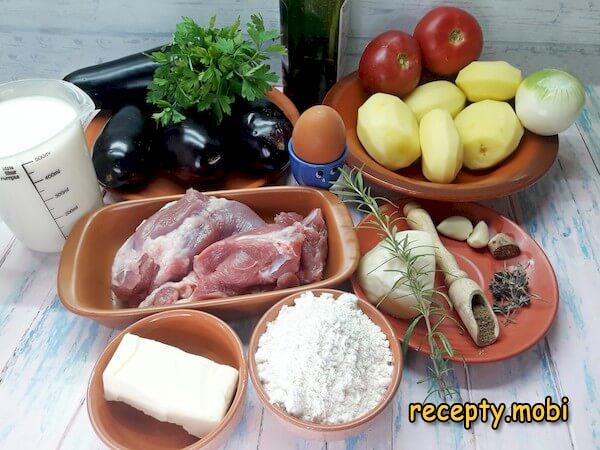
I gather the ingredients for the Greek moussaka. Preheat the oven to 200°C, with top and bottom heat.
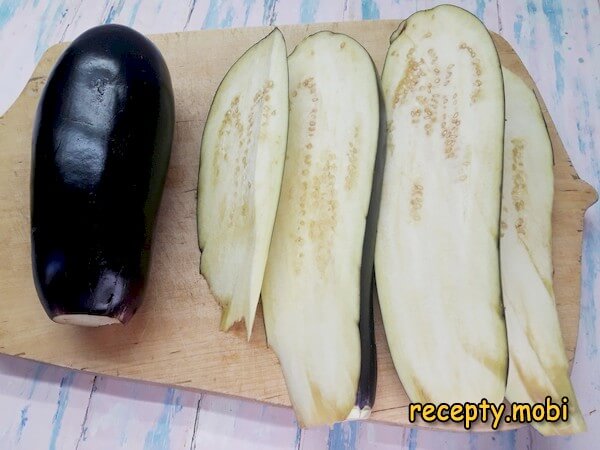
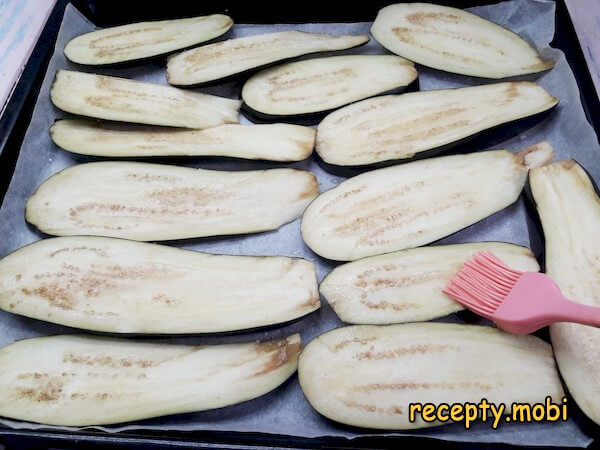
Trim the stem ends off the eggplants and cut them into slices 6-8 mm thick.
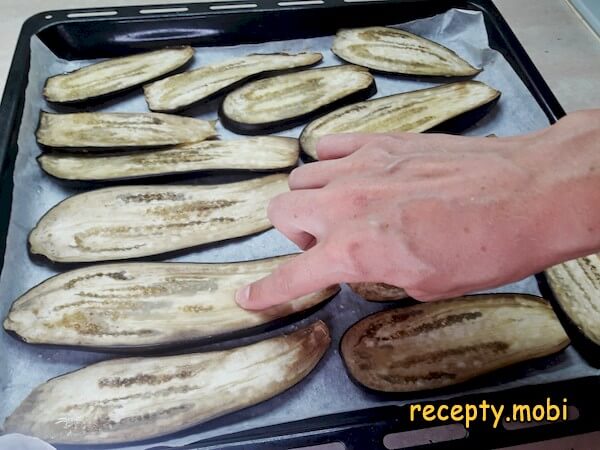
Arrange them on a paper-lined baking sheet, sprinkle with coarse salt and brush with olive oil.
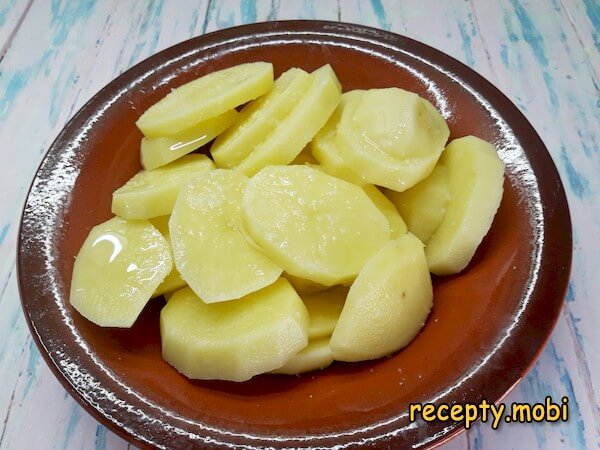
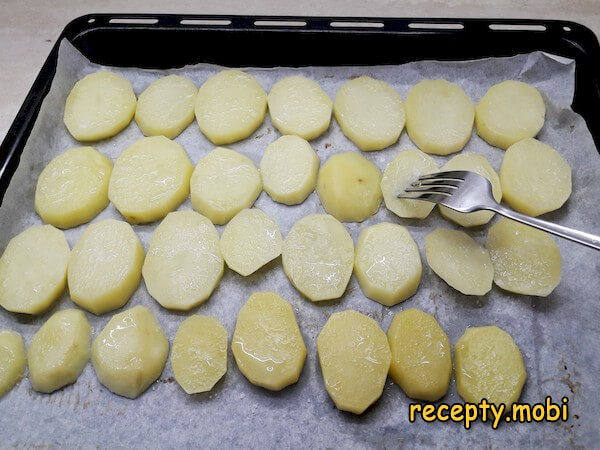
Cut the potatoes into rounds of the same thickness. In a bowl, drizzle them with oil, season with salt and toss to coat.
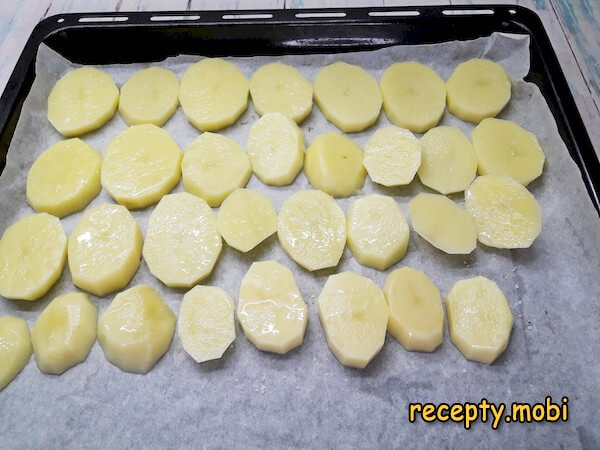
Spread the slices on a second baking sheet and put both pans in the oven for 30 minutes.
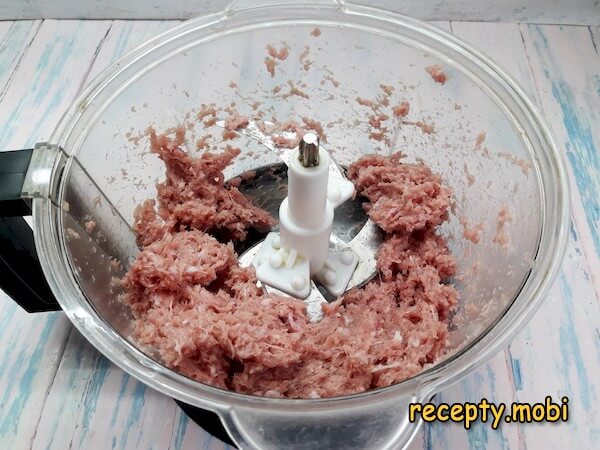
Grind the meat.
Sauté the diced onion, but only until it turns translucent rather than browned.
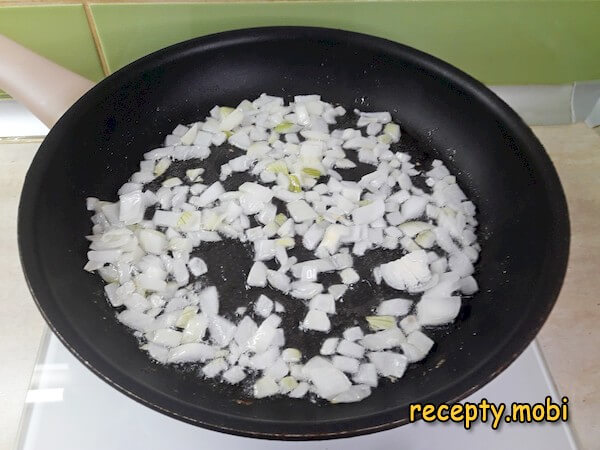
Add the roughly chopped garlic.
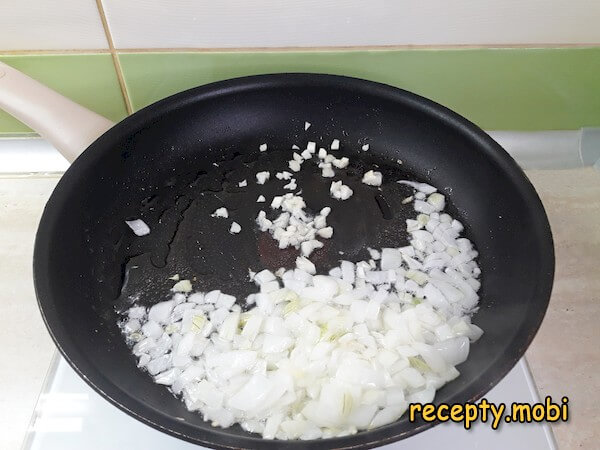
After about 30 seconds, add the meat to the pan. Break it up with a spatula into separate pieces and stir as it fries, until the colour changes.
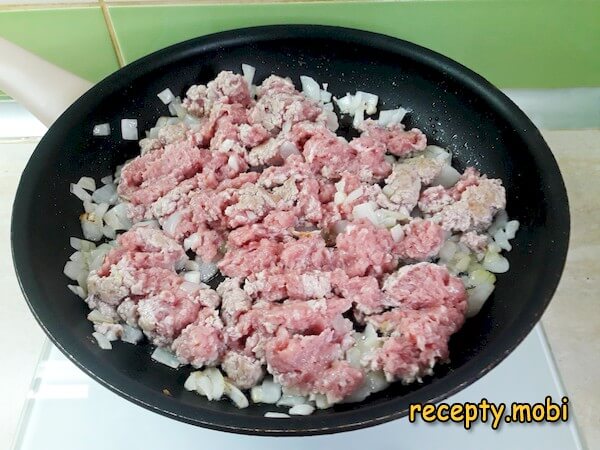
Season with salt and pepper, and finely grate in the nutmeg.
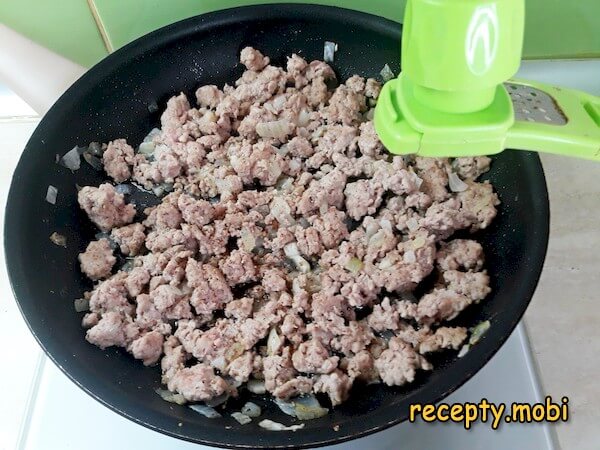
By now the vegetables are softer but not yet fully cooked. The eggplants give way easily under a finger.
The potatoes pierce easily with a fork.
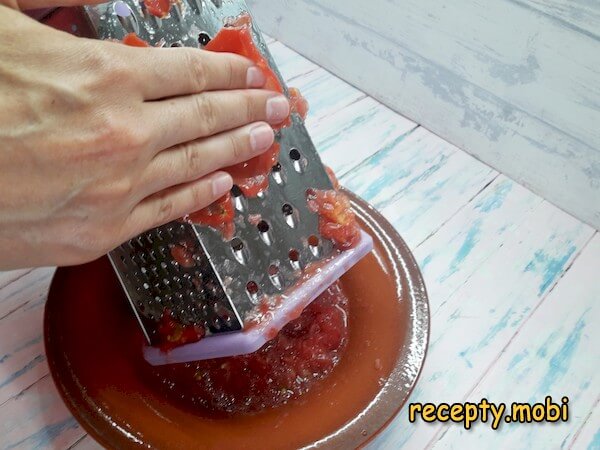
Cut the tomatoes in half and, without removing the skin, grate the soft side against a grater until only the thin skin is left.
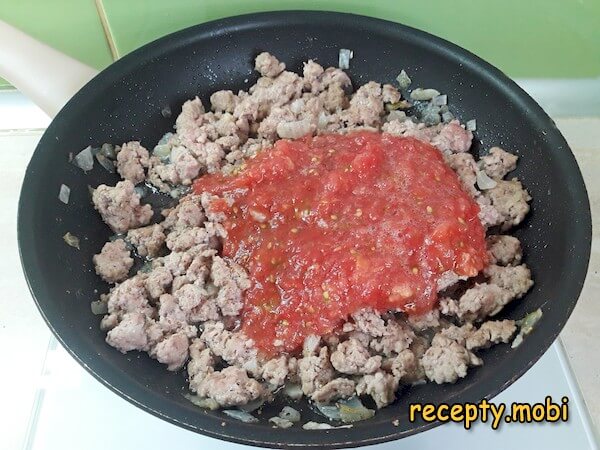
Pour the grated tomato into the pan with the meat and simmer for 10 minutes.
Turn off the heat and stir in the chopped herbs.
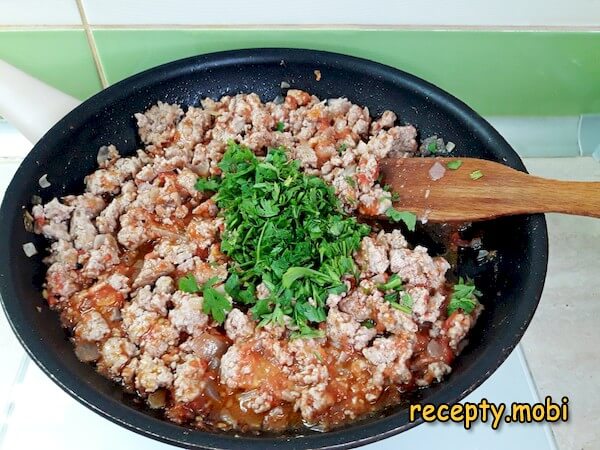
Every component is now ready except the béchamel. Start it by toasting the flour, stirring constantly, until it gives off a characteristic nutty aroma. How far you brown it affects the colour of the sauce.
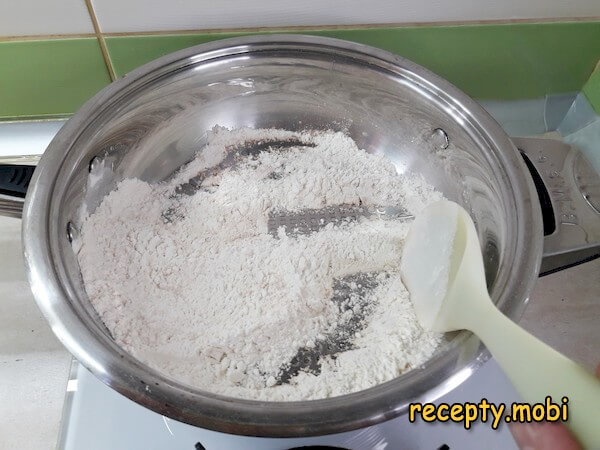
Add the butter.
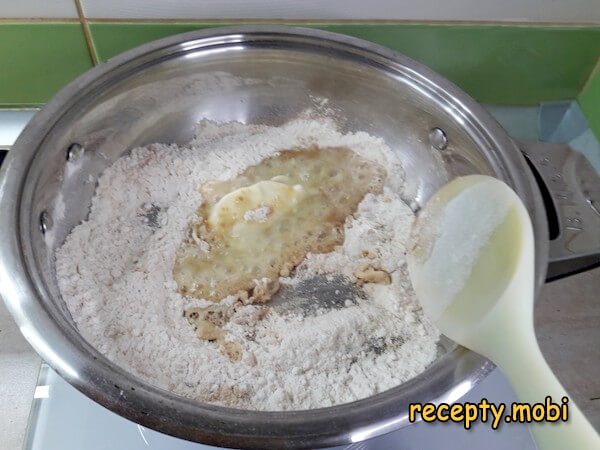
Work in all the flour so no dry lumps remain, moving quickly and keeping the heat on.
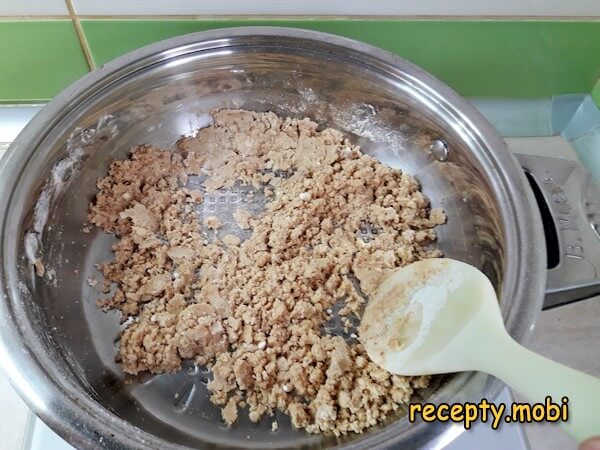
Pour in a small amount of milk first, at any temperature, and stir.
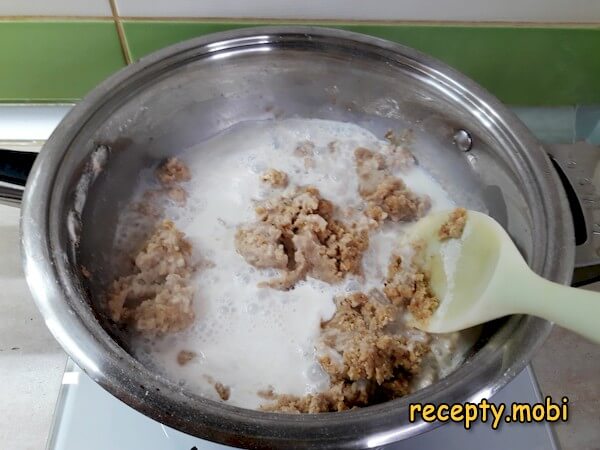
Keep adding it gradually, whisking until smooth after each addition.
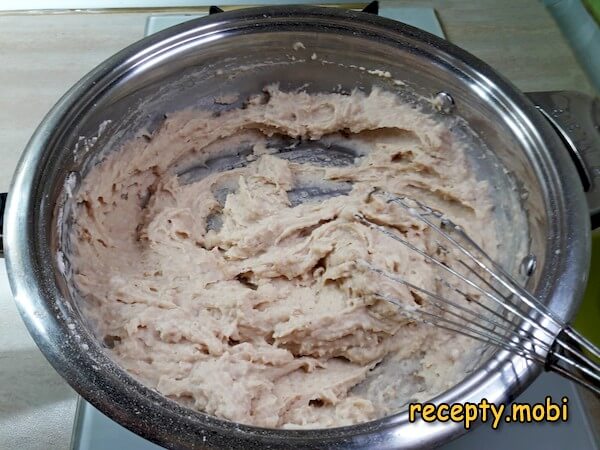
Once all the milk is in, flavour the sauce with rosemary and thyme. Season with salt and pepper and take it off the heat. If it is well mixed, there is no need to strain it; if there are lumps, pass it through a sieve.
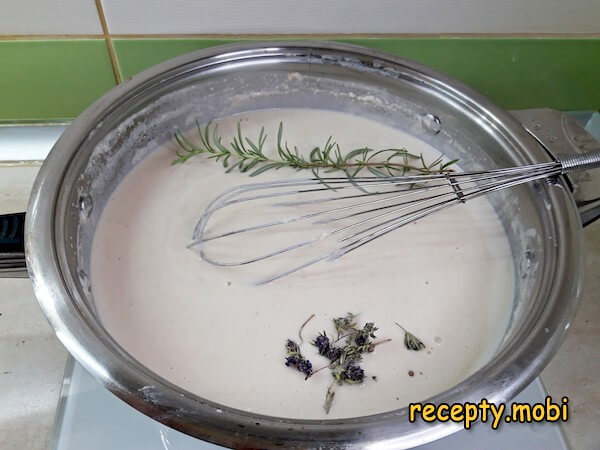
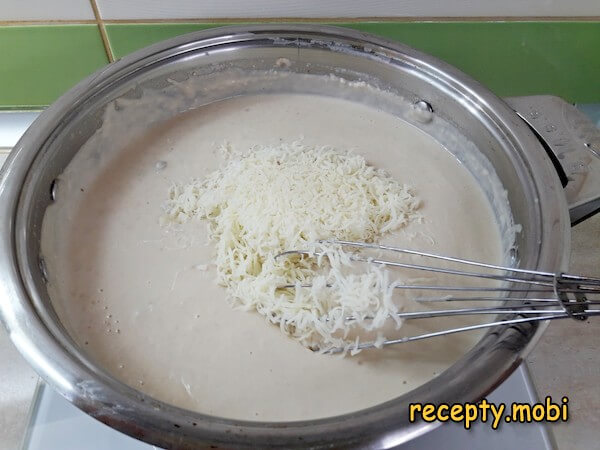
Add the finely grated cheese.
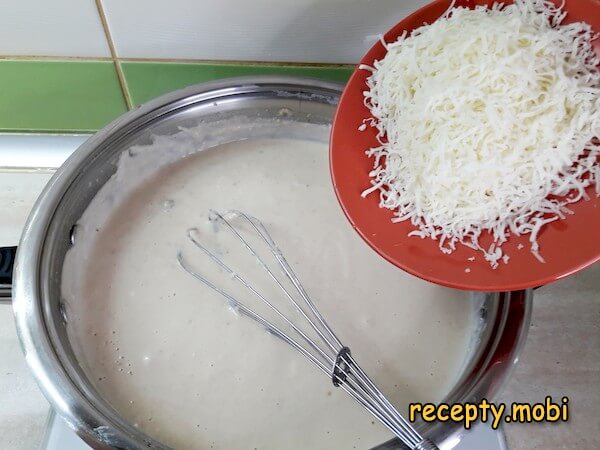
Whisk the cheese into the sauce.
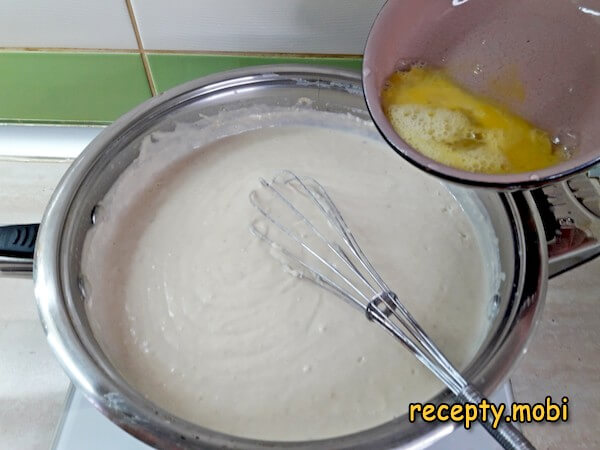
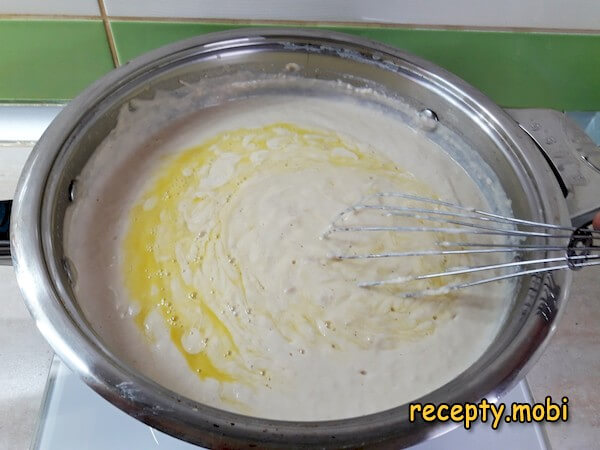
Beat the egg and whisk it into the béchamel.
Stir the finished sauce together.
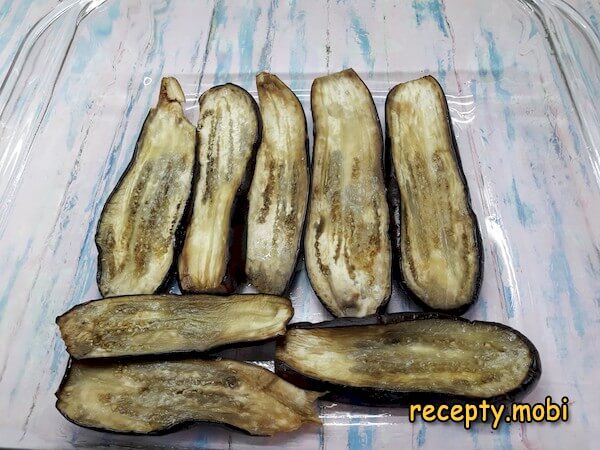
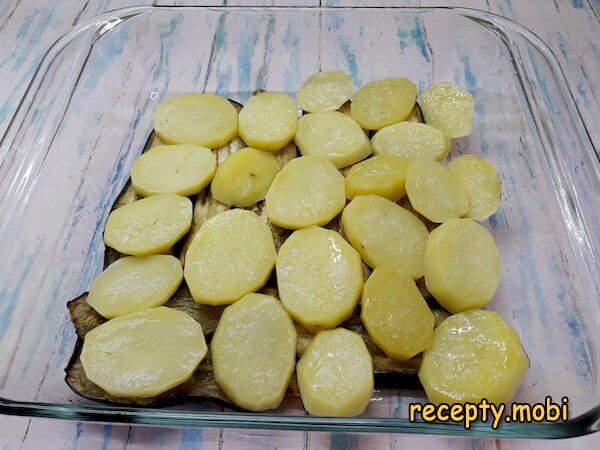
Grease the bottom and sides of the dish. For the first layer, lay down the eggplants so they fit snugly without overlapping.
Next come the potatoes.
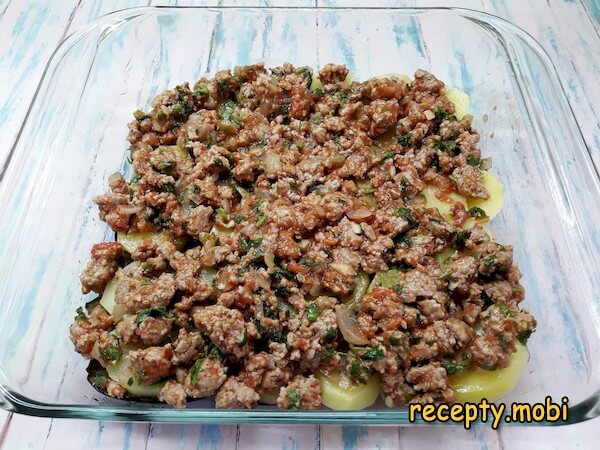
On top of those goes all the meat with its tomato sauce.
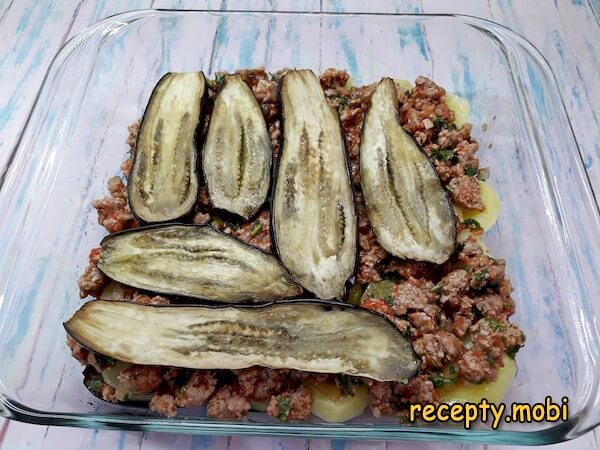
The next layer is eggplants again. If you have any potatoes left, arrange those too.
Pour the béchamel over everything, first removing the rosemary sprig and thyme.
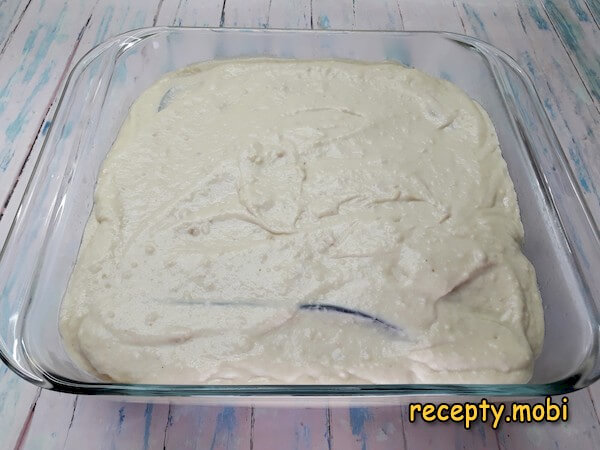
Use the oven once more, placing the dish inside for 40 minutes at 200°C. Although the components were brought to a semi-cooked state, the sauce needs to bake through properly, or the moussaka will be impossible to slice because the top stays too unstable.
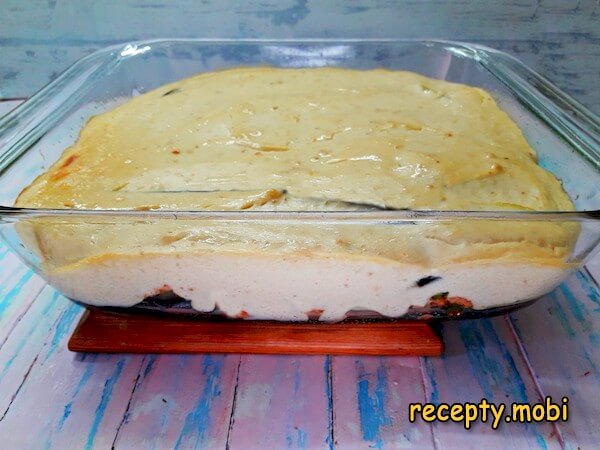
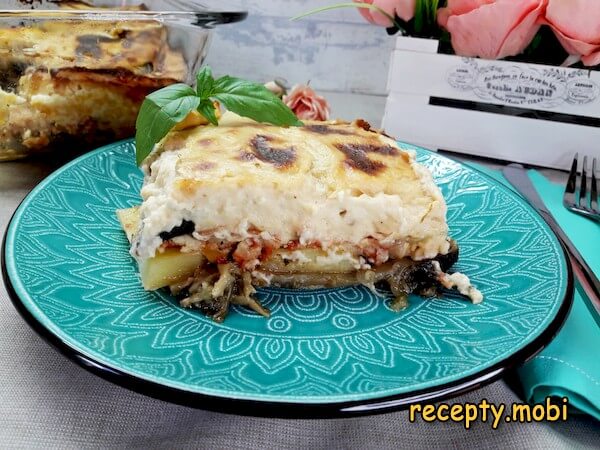
Don't rush to plate it while it is still in the dish; let it cool a little and it will slice neatly into portions. It is wonderfully tasty and hearty, needs no sides, gives off an enchanting aroma and entices with its clearly defined layers. Do give it a try, bon appétit!


Tips
- 1
Vegetables to semi-done – the trick against wateriness. Thirty minutes of baking lets the eggplants and potatoes release their excess moisture.
- 2
Toast the flour – the trick to a good béchamel. A light golden colour gives the sauce a nutty aroma. Without toasting, you get a raw flour taste.
- 3
Milk a little at a time – the trick to smoothness. All the milk at once will make lumps. Added 100 ml at a time, the sauce comes out perfectly smooth.
- 4
Let it cool in the dish – the trick to clean slicing. Hot moussaka falls apart. After 15 minutes of cooling you get neat portions. The same principle works with other kinds of layered casseroles.
FAQ
Which mince should I choose? +
Ideal is beef (the Greek classic), a 50/50 mix of beef and lamb (premium), or lamb (authentic, but with a specific smell). Alternatives: pork (400 g – fattier and more aromatic), a 50/50 mix of pork and beef (400 g – the all-purpose choice), or turkey (400 g – the lean option). Fresh mince is the premium choice (defrost it completely and squeeze out the liquid). Do not use: fatty trimmings (the fat will run out into the dish) or old frozen mince (it loses flavour). For a lean moussaka, use 300 g of cooked lentils plus 200 g of mushrooms. For a children's version, use chicken breast with milk. For the Greek classic, use beef and lamb.
What can replace mozzarella? +
Alternatives: grated parmesan (50 g – premium), kefalotyri (a Greek hard cheese, 70 g – authentic), halloumi (70 g – Mediterranean), feta (70 g – saltier), or gruyère (70 g – French). Galbani, Casa Rinaldi and Syrobogatov are reliable brands. Fresh mozzarella is the premium choice. Do not use: processed cheese (it changes the texture of the béchamel) or sweet cheeses. For the Greek classic, use kefalotyri or kefalograviera. For a premium version, use a mix of parmesan and mozzarella. For an economical version, use ordinary Russian cheese.
How long does moussaka keep? +
In the fridge, wrapped in film or in a container, it keeps for 3-4 days. Any longer and the sauce loses its tenderness and the vegetables go soggy. Before serving, reheat it in the oven for 15 minutes at 170°C (this restores the cheese crust) or in the microwave for 3-4 minutes. In the freezer it keeps for up to 1 month, in individual portions wrapped in film. Defrost it in the fridge for 8-10 hours. Fresh moussaka is at its best 15 minutes after it has cooled. On the second day the flavour is deeper, as it has time to settle. Do not leave it at room temperature for longer than 2 hours, as the meat sauce and béchamel spoil. It is ideal to make it the day before serving.
What to serve moussaka with? +
It is a dish in its own right: with a Greek salad (tomatoes, cucumbers, feta, olives) – the classic. With a green salad and a lemon dressing. With Greek bread or pita. Alongside a glass of dry red wine (Agiorgitiko, Xinomavro) – the Greek way. With ouzo or raki – a Greek aperitif. With sour cream on the side – the Russian way. With plain yoghurt tzatziki – the Mediterranean way. With a glass of Metaxa – a premium digestif afterwards. For a family lunch, serve it with a side of mashed potatoes. With a cup of tomato soup – the European lunch. For a vegetarian version, serve it with a large vegetable salad. It is a versatile hot dish for dinner parties.
- Comment
or post as a guest
Be the first to comment.