avg —
Giant Cabbage Roll with Minced Meat, Rice, and Beijing Cabbage

Instructions
I prepare the Napa cabbage leaves for the roll – I pick young, soft leaves with intact edges. I discard the tough outer leaves and use only the tender inner and middle ones. Young leaves are pliable and roll up easily without tearing, while old tough leaves break and spoil the roll.
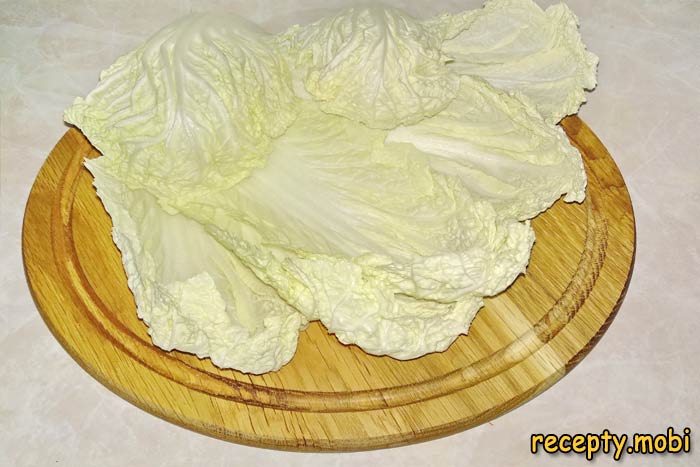
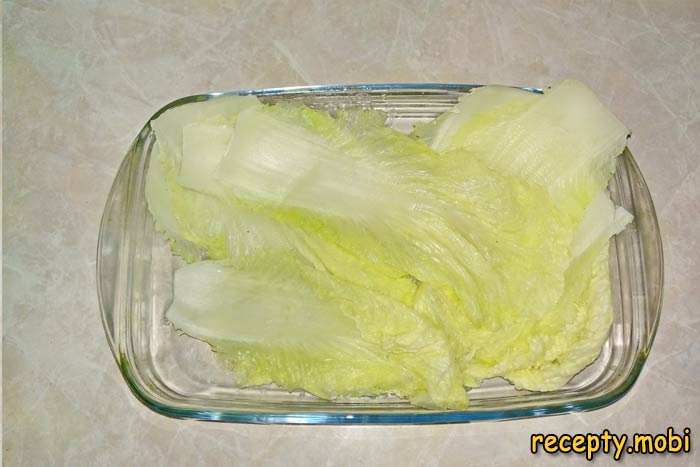
I blanch the leaves in boiling salted water for 1–2 minutes until soft and pliable. Straight after blanching I plunge them into iced water – this "thermal shock" preserves their bright green colour and gives the leaves the right flexibility. I let them drain and pat them dry with paper towels.
I prepare the meat for the filling – a 50/50 mix of pork and beef (the classic choice) or pork only (more tender) works well. I use good-quality flesh without cartilage or membranes and without excess fat. Shop-bought mince is fine, but home-made mince from trusted meat is better in quality and flavour.
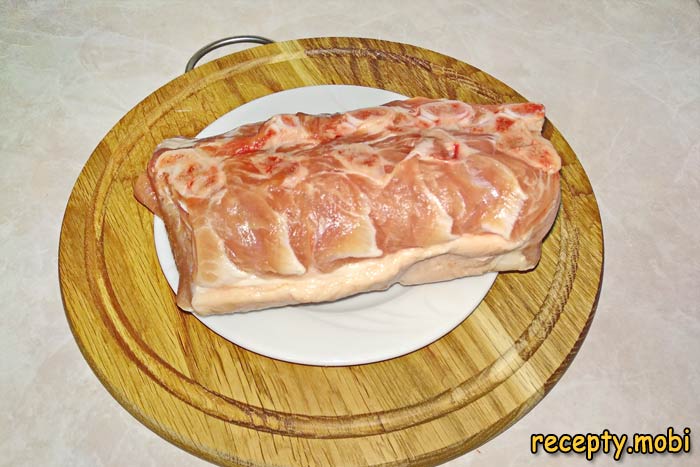
I pass the meat through a meat grinder with a fine disc once or twice for a tender, uniform texture. Ready-made shop mince can be used without re-grinding, but grinding it at home improves the texture and adds a "home-made" character.
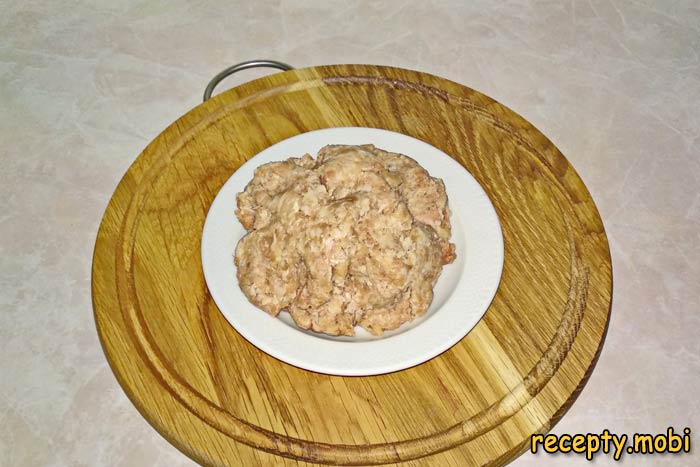
I boil the rice until fully cooked – I rinse it in cold water, cover it with boiling water at a 1:2 ratio and simmer for 15–20 minutes until soft. I cool it completely – hot rice would "melt" the mince and spoil the structure of the filling. I use round or medium-grain rice, as it binds the mince better.
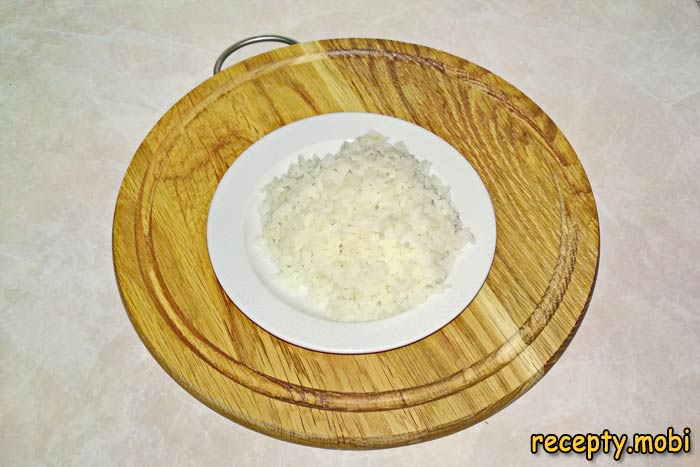
I chop the onions (2 pcs) into medium pieces of 5–7 mm – this cut gives a pleasant sweet note and does not get "lost" in the filling. Too fine a cut makes the onion disappear into the mince, too coarse leaves "chunks" in the filling. A medium dice is ideal for cabbage-roll filling.
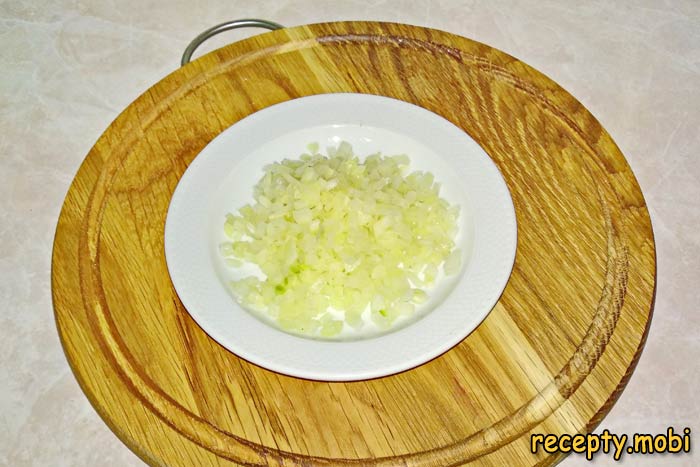
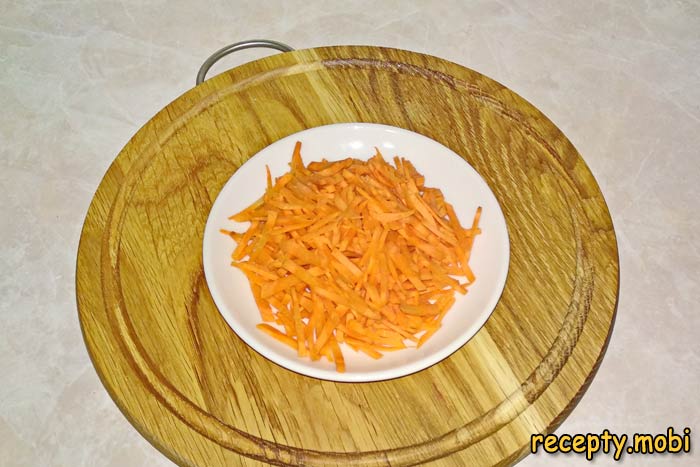
I grate the carrot (1 pc) on a coarse grater or cut it into thin strips for an airy texture. The carrot adds sweetness, colour and juiciness to the filling. On a coarse grater it softens gently into the filling, while finely grated it turns to mush. Strips give the filling a more "textured" character.
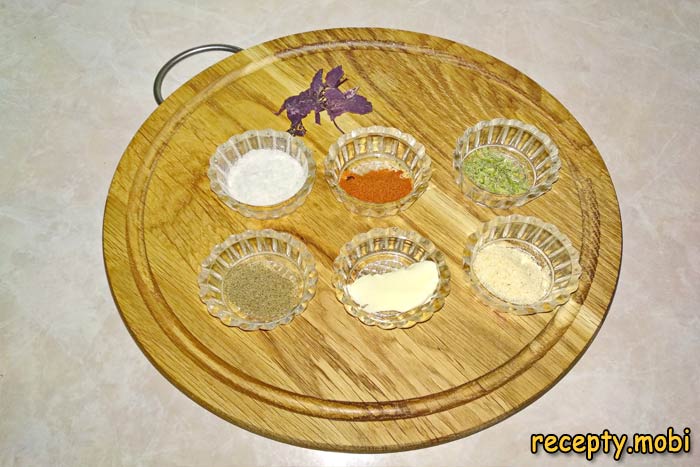
I prepare the spices and the butter (20 g) for sautéing the vegetables. Butter is the "secret" to a tasty sauté: it gives a soft creamy aroma and a bright carrot colour, unlike vegetable oil. The dry spices: paprika for colour and sweetness, basil for fragrance, dried garlic for aroma, and parsley for freshness.
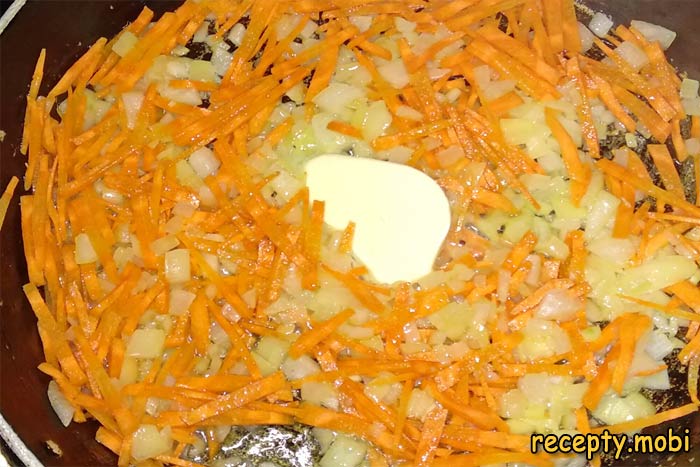
I sauté the onion and carrot in butter for 7–10 minutes until soft and lightly golden. The butter keeps the carrot a bright orange – it "blooms" and does not lose its colour in the filling. Vegetable oil gives the sauté a paler shade.
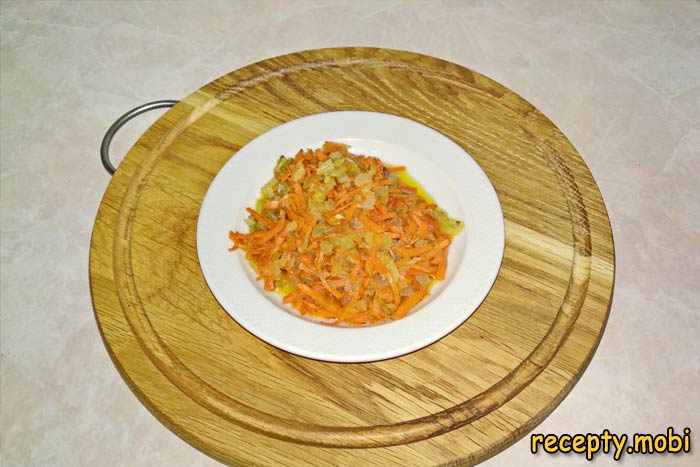
The sauté is ready when the onion is translucent and slightly golden and the carrot is soft and a rich orange. I cool the sauté completely before mixing it with the mince – a hot sauté would "melt" the fats in the mince and spoil the structure of the cabbage-roll filling.
In a large bowl I combine the minced meat, boiled rice, the cooled sauté, salt, pepper and all the dry spices. I knead thoroughly by hand for 3–5 minutes until completely uniform – the better the mince is mixed, the more tender the finished filling will be. You can lightly beat the mince against the bowl to make it more pliable.
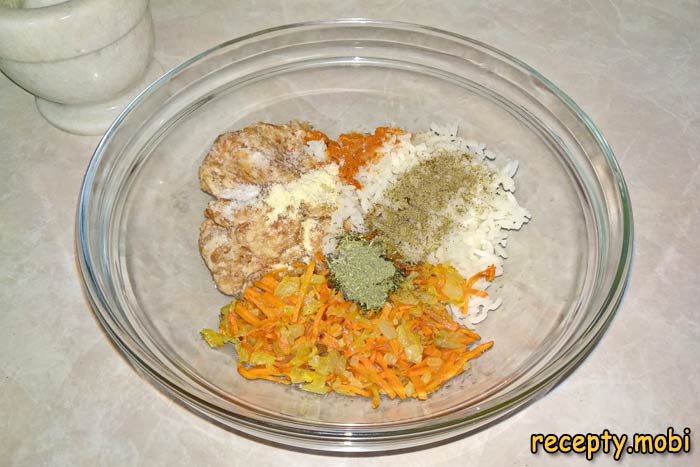
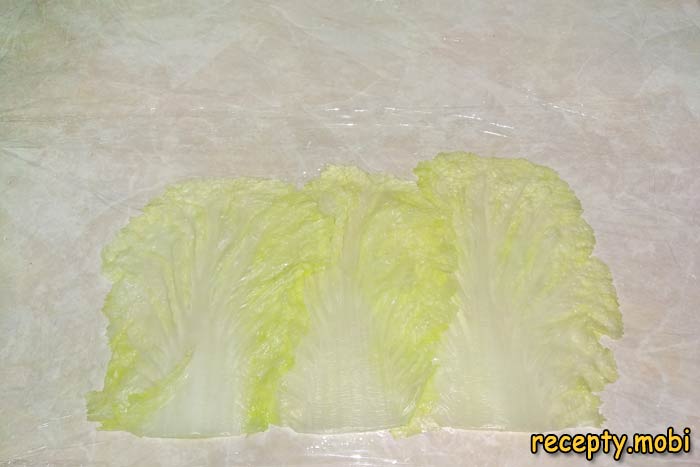
I spread a large sheet of cling film (60×80 cm) on the table and lay out the first row of Napa cabbage leaves, overlapping one another. The film is a critical tool for rolling: it lets you wrap the roll tightly and easily transfer the finished roll onto the baking tray.
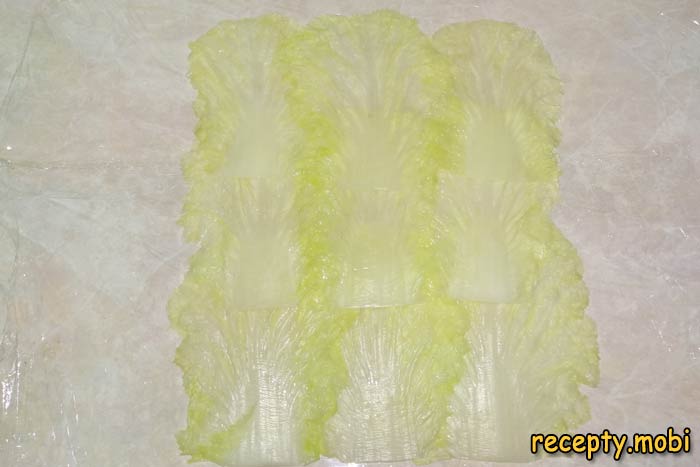
I lay out the second and third rows of cabbage leaves, trimming the hard white ribs at the base of the leaves – they get in the way of rolling and can pierce the film. I build a "mat" of 2–3 rows of leaves about 30×40 cm – the size for one large roll.
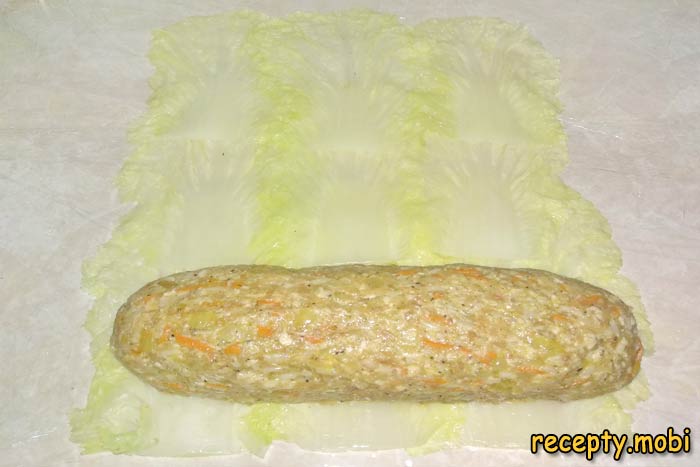
I spread all the prepared filling in an even layer 2–3 cm thick along the edge of the first row of leaves, leaving 5 cm at the edge for tucking in. Do not fill right to the edges – the filling should be "hugged" by the cabbage on all sides in the finished roll.
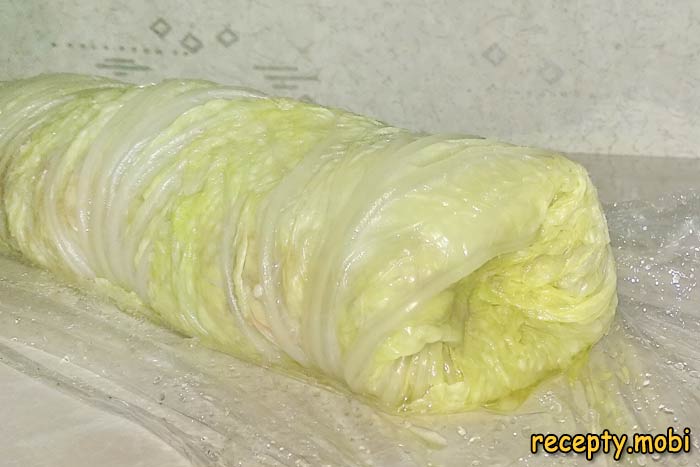
Using the cling film, I roll a tight roll, starting from the edge with the filling. The film helps make a firm, even roll without tears or gaps. I press each turn into shape with the film for tightness. Without the film it is virtually impossible to make an even "giant".
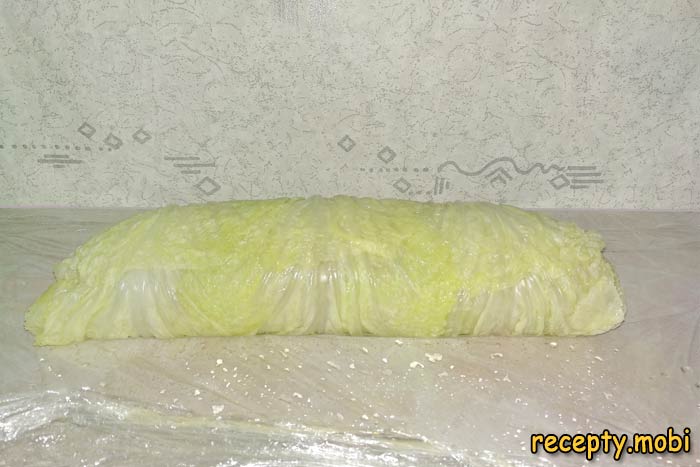
I fold the ends (sides) of the roll inwards, just like ordinary classic cabbage rolls – this "seals" the filling and stops it leaking out during baking. I carefully "pack" the ends of the roll and fix them with the film. The finished roll should have an even "loaf" shape with no filling poking out.
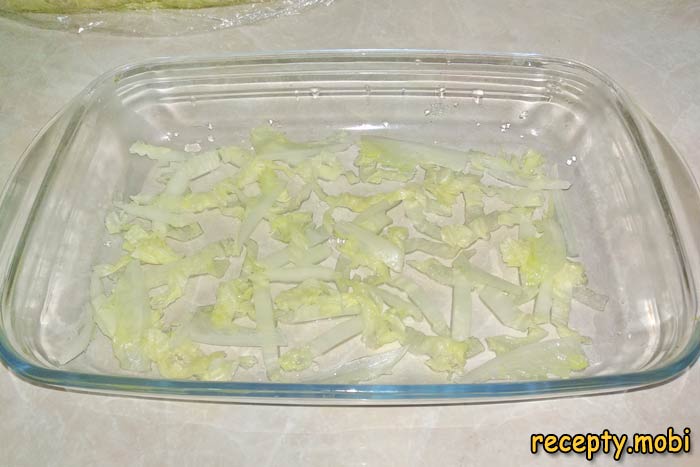
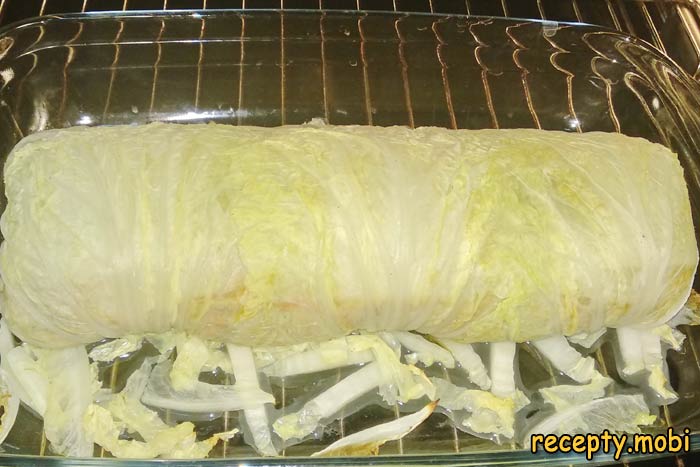
On the bottom of a heatproof dish I place finely chopped trimmings of cabbage leaves – this is a "cushion" for the roll so it does not burn underneath. The cushion of leaves also adds fragrant "cabbage" juices to the overall stock as the roll bakes.
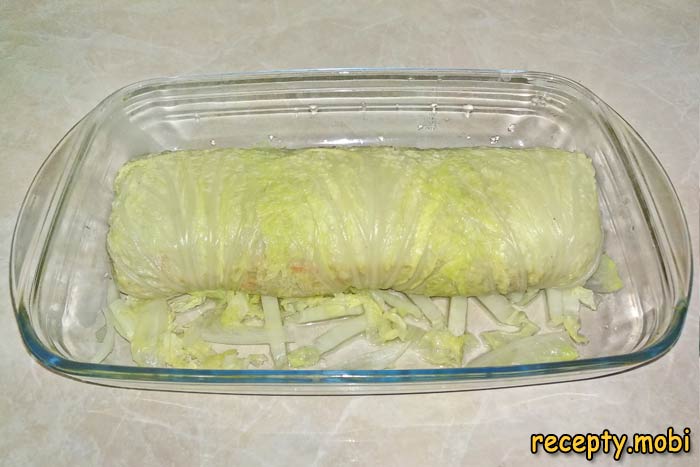
I carefully remove the cling film from the finished roll and place it seam-side down on the cabbage cushion in the baking dish. The "seam-side down" position prevents the roll from opening up – this is the rule for all braised and baked cabbage rolls.
I put the dish with the roll into an oven preheated to 180 °C, with no sauce, for 10 minutes – the leaves dry out slightly and the filling firms up a little. This stage "sets" the shape of the roll before the sauce is added – without drying, the roll may fall apart from the liquid.
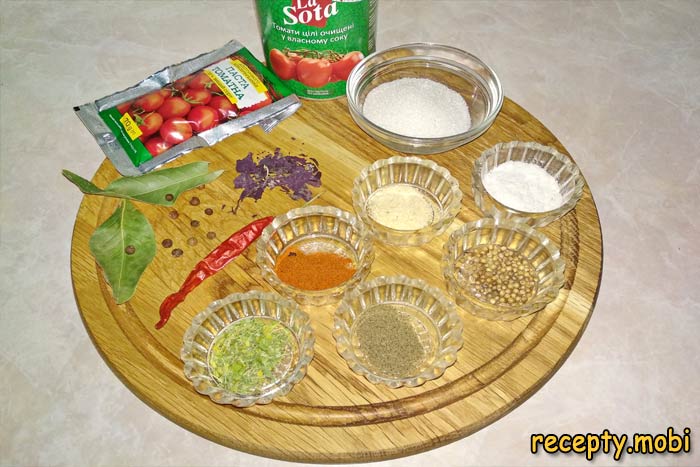
I prepare the ingredients for the tomato sauce: a tin of tomatoes in their own juice (400 g) or chopped fresh tomatoes, tomato paste (40 g), water (300 ml), sugar (2 tbsp) to balance the acidity, salt, pepper and bay leaf (3 pcs). The sugar is essential – it softens the acidity of the tomatoes.
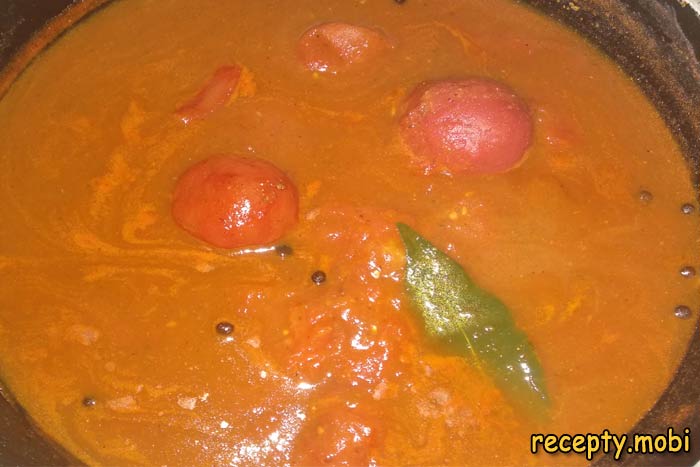
I lightly fry the tomato paste in a dry pan for 1–2 minutes to bring out its aroma, then add the tomatoes in their own juice, the water, sugar and spices. I bring it to the boil and simmer for 5 minutes over low heat until smooth. The finished sauce should be thin, like juice – a thick one will not soak into the roll.
I pour the prepared tomato sauce over the dried roll – spreading it evenly over the whole surface and around the sides of the dish. The sauce should cover the roll to one third of its height – do not drown it completely, or the top will not brown. I spoon extra sauce over the top of the roll for a nice crust.
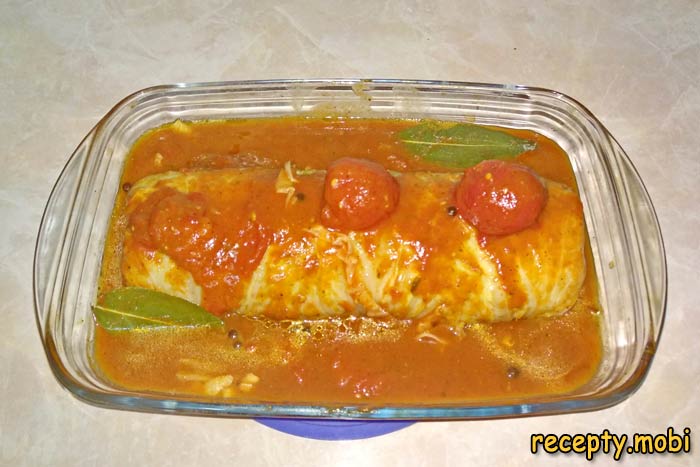
I bake it in the oven at 185 °C for about 60 minutes until the filling inside is fully cooked and the top has a lovely golden crust. Every 20 minutes I spoon the tomato sauce from the dish over the top of the roll – this stops the surface from drying out. I check doneness with a skewer – it should come out hot.
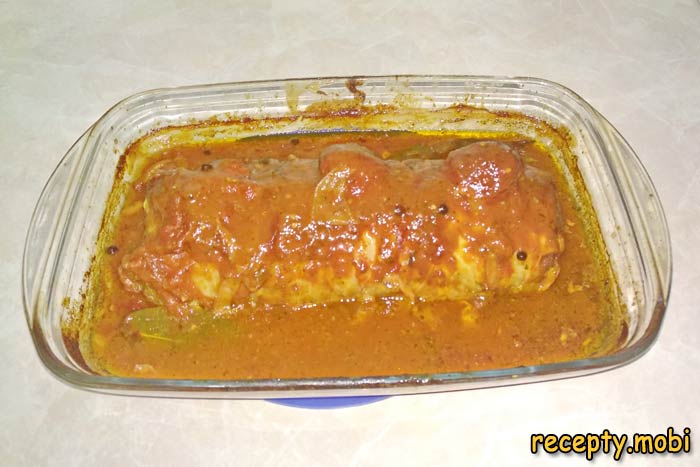
I carefully lift the finished roll onto a serving dish using two spatulas. I drizzle it with fresh tomato sauce and sour cream (optional) – this adds a "home-style" presentation. You can garnish it with finely chopped parsley or dill for a contrast of colours.
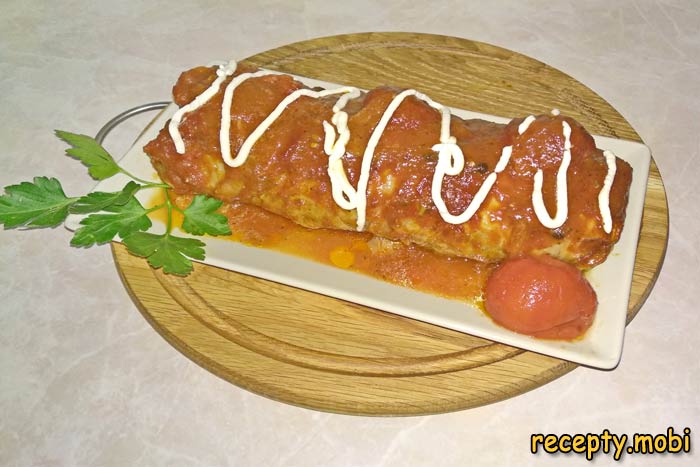
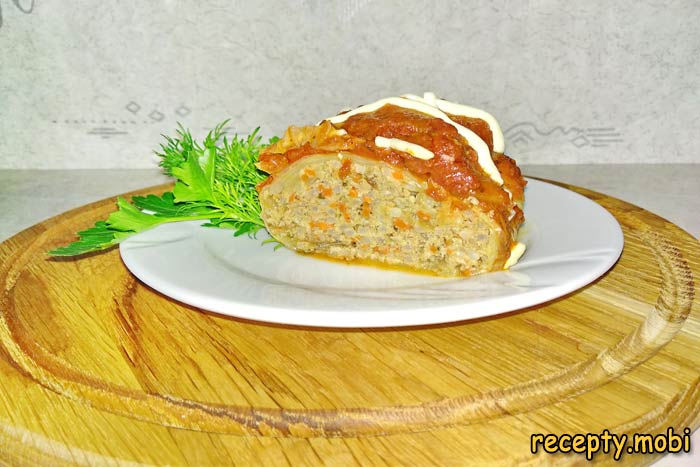
I slice the "Giant Cabbage Roll" with a sharp knife into portions 3–4 cm thick – the cut reveals a beautiful "spiral" of cabbage and filling. I serve it hot with sour cream, tomato sauce and fresh herbs. The "Giant Cabbage Roll" with minced meat and Napa cabbage is ready!


Tips
- 1
Cling film makes rolling the roll much easier – without it, it is virtually impossible to make a firm, even "giant" without tears.
- 2
Dry the roll in the oven for 10 minutes before adding the sauce – it will not fall apart from the liquid and will keep its nice shape.
- 3
Spoon sauce over the roll every 20 minutes of baking so the top does not dry out and you get a golden, juicy crust. I make classic cabbage rolls on a similar principle.
- 4
You can use young white cabbage or Savoy cabbage instead of Napa – but the leaves need to be blanched for longer (3–5 minutes).
FAQ
Can the "Giant Cabbage Roll" be frozen? +
Yes, it freezes very well before baking – wrap the shaped roll in cling film and foil and freeze it for 1–2 months. There is no need to thaw it before cooking: bake it from frozen, adding 20–30 minutes to the cooking time. First bake it for 30 minutes without sauce at 180 °C to thaw, then add the sauce and bake for another 60–80 minutes until done. It is a handy home-made ready meal with no preservatives for quickly feeding guests.
Which mince is best to use? +
The classic choice is a 50/50 mix of pork and beef (tender juiciness from the pork plus a rich flavour from the beef), pork only (more tender, fattier, for juiciness), or chicken and turkey (a dietary option, less fatty). Pure beef is a little dry without pork, so you need to add fat. For a lean version – mushroom filling with rice or buckwheat. The main thing is that the mince should be good quality, without cartilage or membranes. Check the meat is fresh before grinding – off mince will spoil the dish.
What can replace Napa cabbage? +
Young white cabbage works (blanch the leaves for 3–5 minutes until soft), as does Savoy cabbage (more tender and pliable) or young red cabbage (it gives a lovely colour but needs longer cooking). Vine leaves (fresh or pickled) make a "Greek" dolma version. Spinach or chard suit a lean "vegetarian giant". The key point is that the leaves must be large and flexible enough for rolling. Napa cabbage is the easiest to work with thanks to its tender structure.
How do you serve the "Giant Cabbage Roll"? +
Serve it hot, cut into portions 3–4 cm thick so you can see the beautiful cut with its "spiral" of cabbage and filling. Sauces – tomato (the classic), sour cream with herbs, or garlic yoghurt. Side dishes – boiled potatoes, basmati rice, buckwheat or millet porridge. For drinks – dark beer, dry red wine, kvass or cranberry juice. For a family dinner or festive table, it is a striking alternative to classic cabbage rolls with the minimum of "shaping" each one. It is ideal for a large family meal.
- Comment
or post as a guest
Be the first to comment.