avg —
Chevapchichi in a skillet at home

Instructions
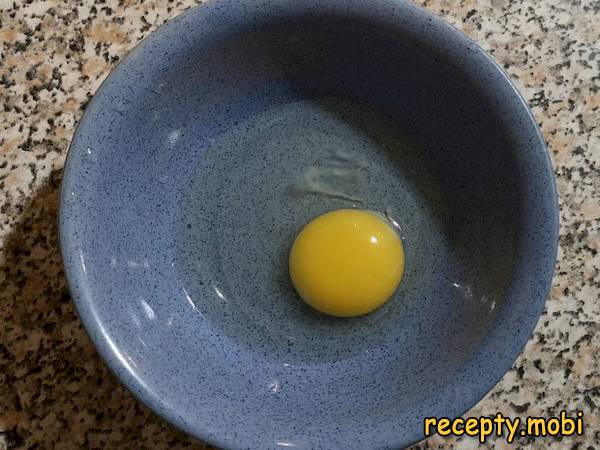
In a deep bowl, crack the egg. The egg serves as the "binder" for the mince – without it the sausages will fall apart while shaping and frying.
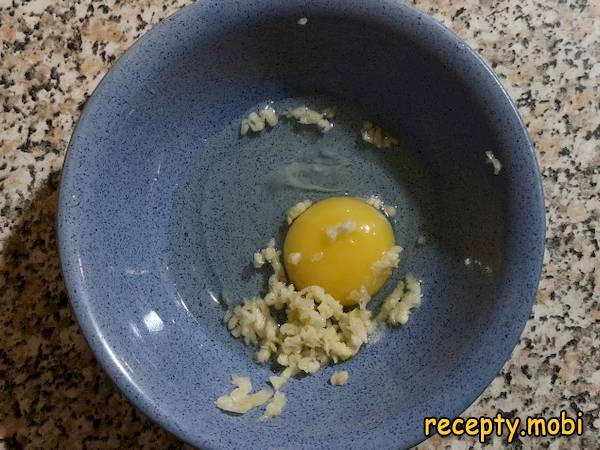
Add the minced garlic to the egg (through a garlic press). Garlic put through a press gives a more even aroma than garlic cut into cubes.
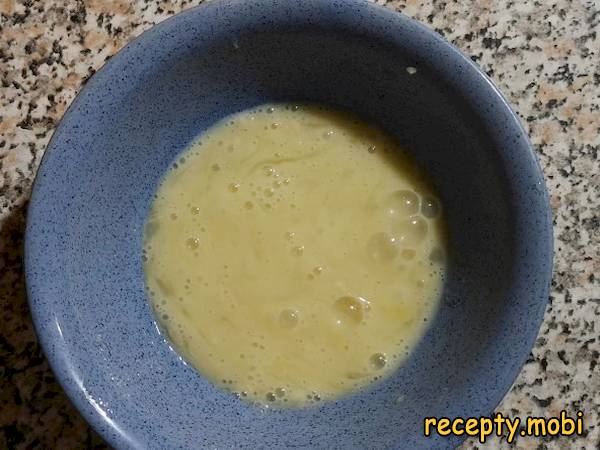
Mix the egg and garlic together – this gives an aromatic base for soaking into the mince.
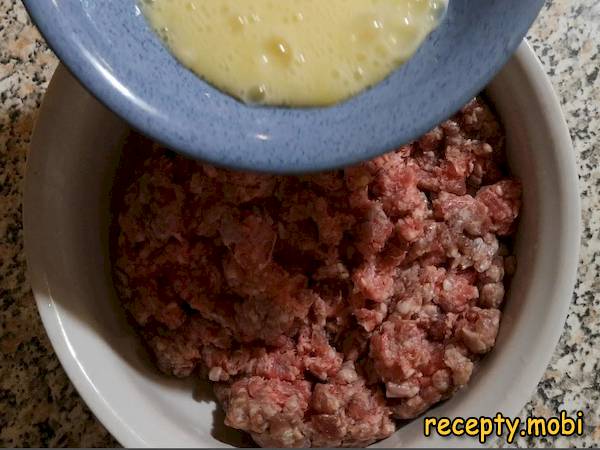
Add the ready egg-and-garlic mixture to the meat mince. A blend of pork and beef is the classic choice for chevapchichi: beef gives the "meaty" flavour, pork gives the juiciness.
Season the mince with 1 tsp of khmeli-suneli. This Georgian seasoning works wonderfully in a Balkan dish – it gives a characteristic spicy aroma with eastern notes.
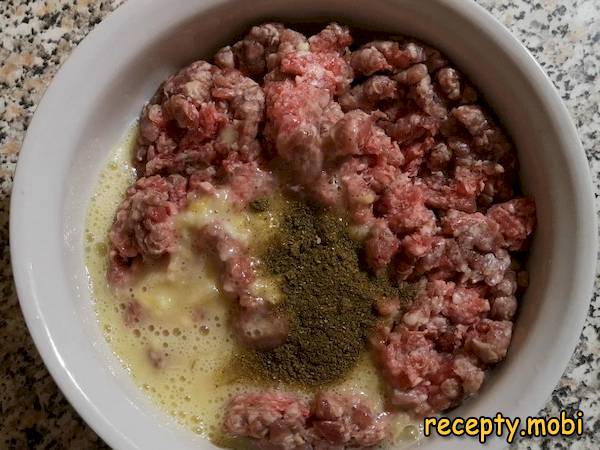
Sprinkle 1/2 tsp of ground ginger into the mince. Ginger gives a light, warm spiciness that does not overpower the other spices.
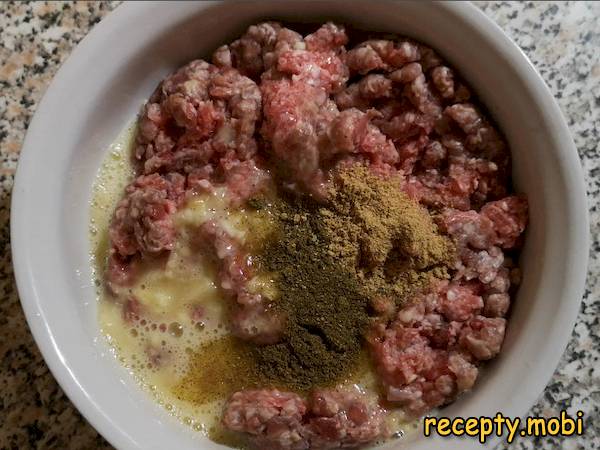
Add 1 tsp of curry to the mince. Curry gives the mince a characteristic yellow colour and a warm, spicy note.
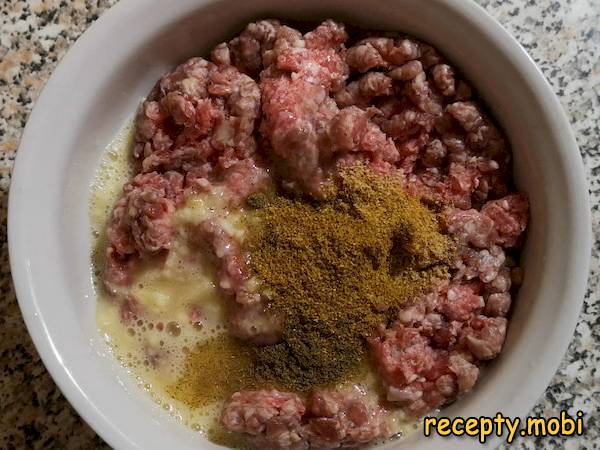
Sprinkle the mince with salt, pepper mix and nutmeg to taste. All the spices are essential – they are exactly what make the flavour "Balkan".
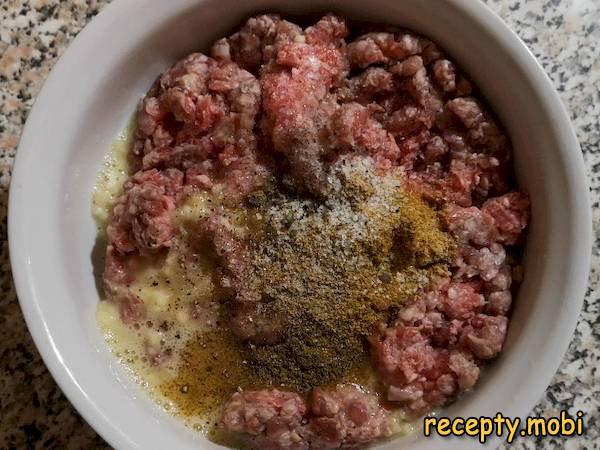
Add 1.5 tbsp of flour. The flour "binds" the mince and helps the sausages hold their shape during frying.
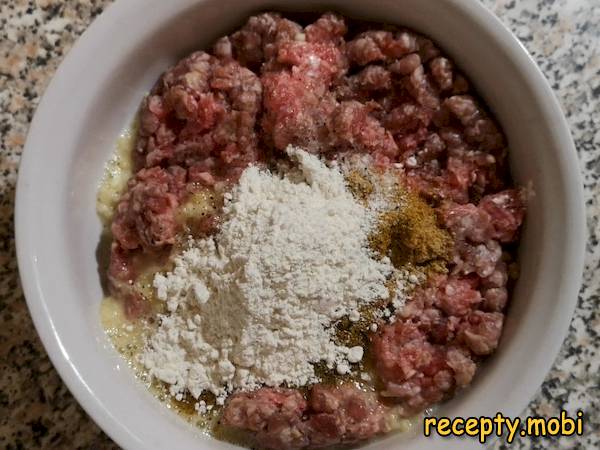
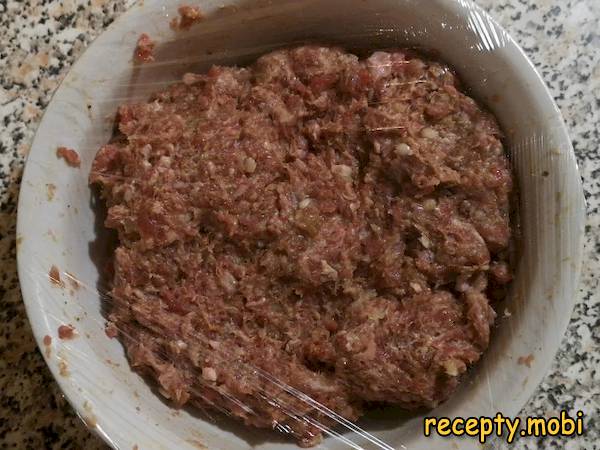
Mix the mince thoroughly. Then cover it with cling film and leave it in the refrigerator for 20 minutes. This is the "secret" of better binding – during the rest the meat fibres "relax" and the spices penetrate deeper.
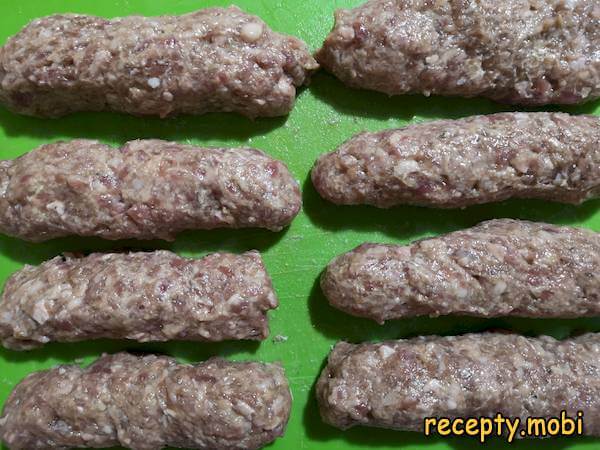
After 20 minutes, take the mince out of the refrigerator and form the sausages. For evenness you can use a plastic bottle: cut off the top part and use it as a funnel. Pour the mince into the funnel and squeeze it through the neck – you will get identical sausages. The easiest way is to shape them by hand – it is quicker and simpler.
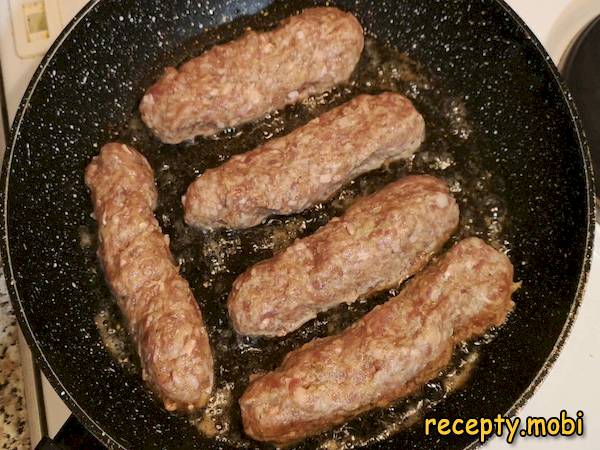
First heat the frying pan and pour in vegetable oil so that it evenly covers the bottom. Lay out the formed sausages and fry on both sides until golden brown. The average frying time is 6–8 minutes (3–4 minutes on each side).
Take the cooked, fried sausages off the heat. If the sausages are thick, you can additionally simmer them under a lid for 5 minutes with 2–3 tbsp of water to make sure they are cooked through inside.
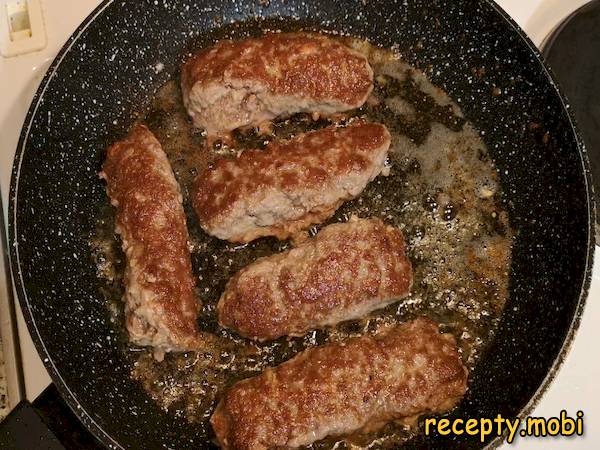
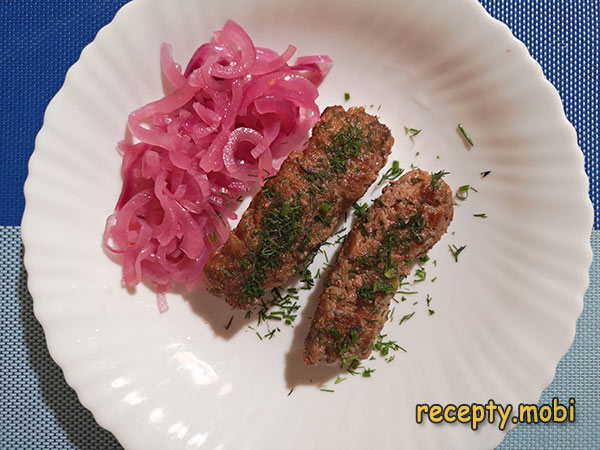
The chevapchichi in the skillet are ready. I arrange them on plates and serve with marinated onions – this is the classic Balkan way of serving.


Tips
- 1
Let the mince "rest" for 20 minutes in the refrigerator before shaping – this is the "secret" of better binding and spice infusion.
- 2
Use a 50/50 blend of pork and beef – pure beef gives dry sausages, pure pork makes them too fatty.
- 3
Always serve them with marinated onions – this is the classic Balkan tradition; without it they are not real chevapchichi. I use a similar principle in other meat sausages.
- 4
The bottle-funnel for forming the sausages gives perfectly even, "shop-bought" sausages. By hand you get a "homemade" uneven shape – also good, but less neat.
Video
FAQ
What can replace khmeli-suneli in the recipe? +
Alternatives: a blend of Italian herbs (a more "European" flavour), curry powder (a double portion in this recipe), Georgian dry "adjika", or a homemade mix of paprika + coriander + savory. You can also do without it altogether – the flavour will be less "eastern", but still tasty. Khmeli-suneli is easiest to buy ready-made in a shop – it is inexpensive and widely available. If you make it yourself, see the basic recipe.
What side dish should I serve with chevapchichi? +
Classic Balkan sides: ajvar (roasted pepper paste), kajmak (Balkan cream cheese), marinated onions, fresh vegetables, lepinja flatbreads (thin flatbreads). Universal options: potatoes in any form (baked, boiled, fries), rice, pasta. For salads – Greek salad with feta, shopska salad (cucumbers, tomatoes, peppers, onion, brined cheese). They go well with cold beer or a dry red wine. For a "street food" version, wrap them in a flatbread with vegetables as "Balkan fast food".
Can I bake chevapchichi in the oven instead of frying? +
Yes, the oven works too. Time and temperature: 200 °C, 20–25 minutes on a tray lined with parchment. Turn them once halfway through. The texture will be less "fried" but more "diet-friendly" – without excess oil. For a classic golden crust you can switch on the "grill" mode for the last 3–5 minutes. An air fryer also works – 180 °C, 15–18 minutes. For a "summer" version, cook them on a barbecue/grill over coals: 6–8 minutes with turning – this is the authentic Balkan method.
How long do cooked chevapchichi keep? +
In the refrigerator – 2–3 days in a closed container. Reheat them in a frying pan for 2–3 minutes on each side, or in the oven at 150 °C under foil for 10 minutes with 1 tbsp of water on the bottom of the tray. In the microwave the sausages turn "rubbery". You can freeze either the cooked sausages or the raw mince shaped into sausages for 1–2 months. Fry them from frozen in a frying pan with a lid for 10–12 minutes over medium heat. It is best to cook them fresh – the process is quick.
- Comment
or post as a guest
Be the first to comment.