avg —
Small Galnash

Instructions
I prepare the ingredients for the zhizhig galnash. The beef can be replaced with lamb on the bone. The amount of flour is approximate, so add it gradually, judging by the consistency of the dough as you knead.
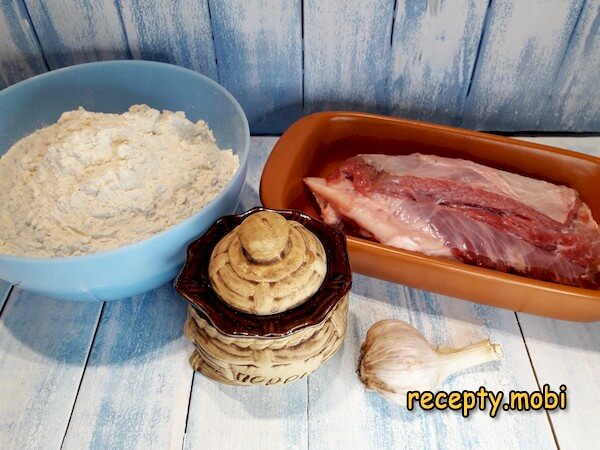
I clean the meat and rinse off any small splinters, then cover it with water. Rinsing removes blood clots that could make the broth cloudy.
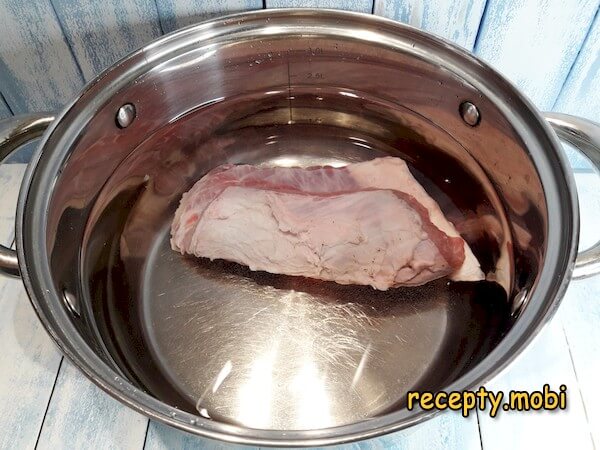
I put the pot on the heat. Foam starts to form just before it comes to a boil. At that moment I lower the heat and skim off the scum — a clean broth with no foam gives a beautifully clear zhizhig galnash and an appetising "drinking" broth at the end.
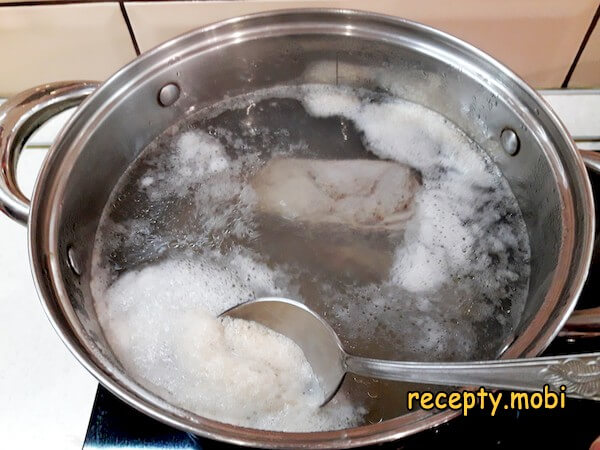
I simmer the broth on low heat for about 2–2.5 hours, so the meat cooks down well and separates easily from the bone. Long simmering gives the most tender meat and a rich broth — it is exactly this "strong" broth that makes people love zhizhig galnash.
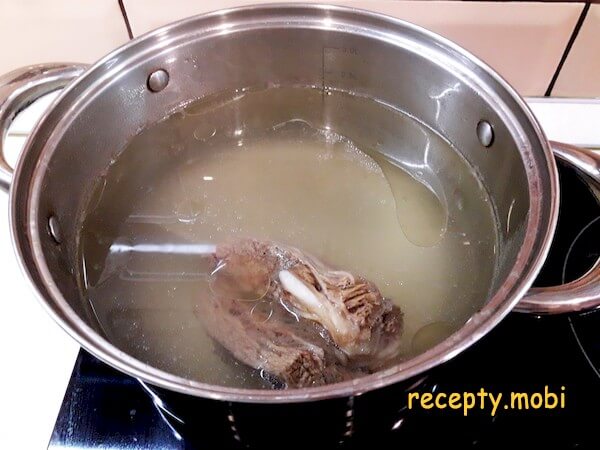
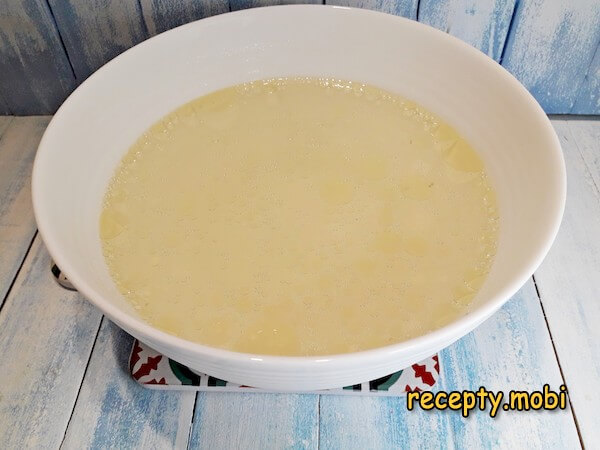
Next I skim the top of the broth (the fattiest layer) with a ladle, leaving about half of the liquid behind. I serve this reserved rich broth at the table later — you can sip it alongside the galnash.
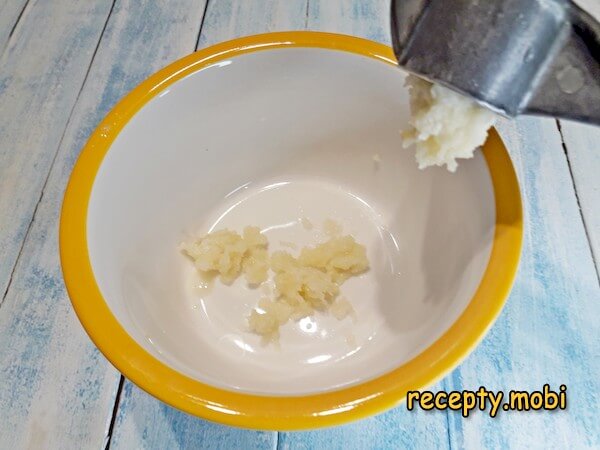
For the sauce I press the garlic through a press into a small bowl. Garlic is an essential component of the Chechen sauce — without it the dish loses its recognisable Caucasian character.
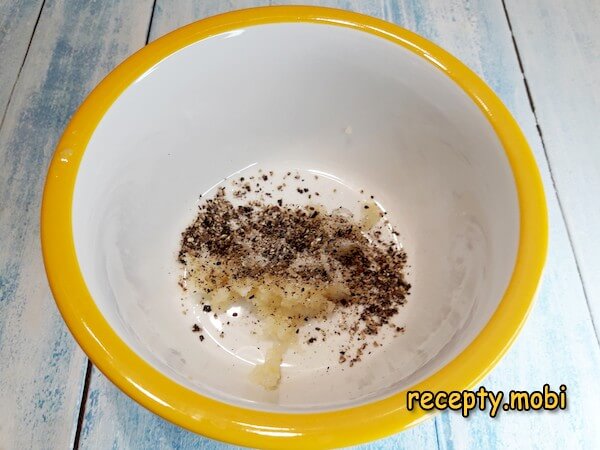
I add freshly ground pepper to it — freshly ground is more aromatic than pre-ground, as its essential oils fully open up in the hot broth.
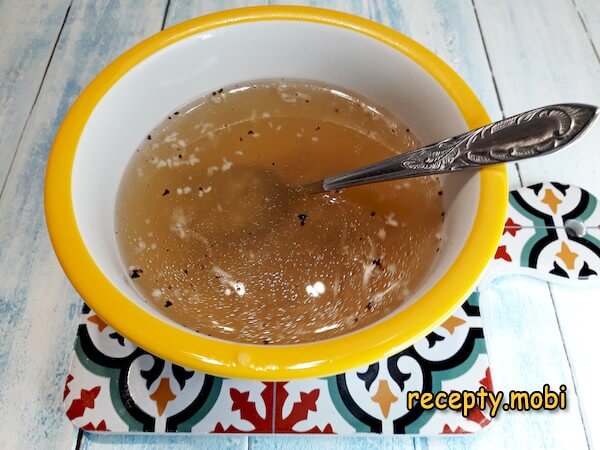
I dilute it all with two ladles of broth (taken from the portion set aside for drinking). The sauce is ready. I set it aside for now. Before serving, the drinking broth and the sauce will need to be reheated.
For the dough I measure 200 millilitres of the hot broth left in the pot into a bowl and pour in almost all the flour. I stir it with a spoon and add more as needed, until the mass comes together in flakes, saturated with flour. It is the hot broth that is the "secret" to the right scalded dough for galnash.
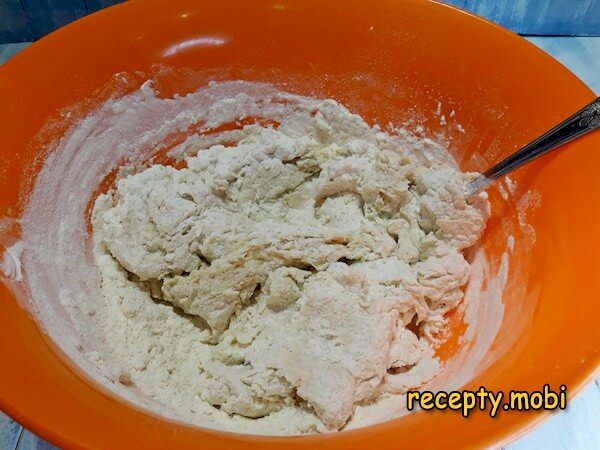
Once the mixture is no longer so hot, I turn it out onto the work surface and finish kneading it by hand. The dough should not be made too stiff, or the dumplings will be tough, but it should not stick to your hands either.
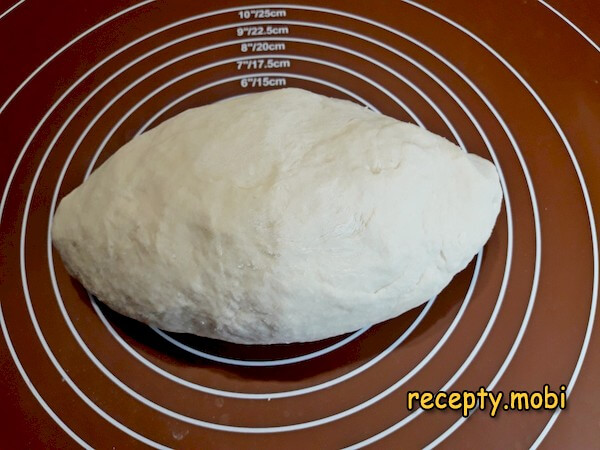
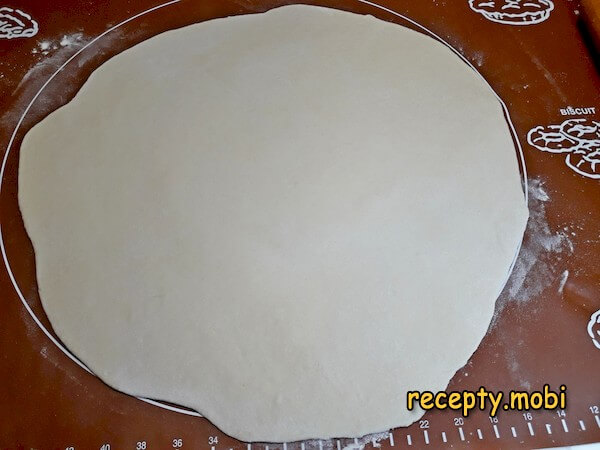
I divide the resulting amount in half for ease of working. I dust the surface with flour and roll out a sheet about 0.5 centimetres thick.
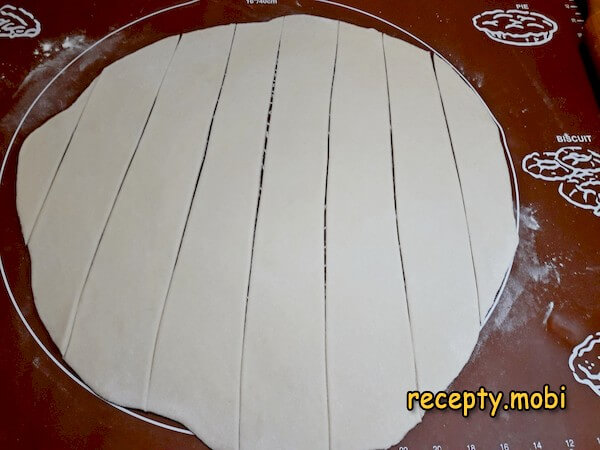
I cut it into strips 4 centimetres wide — that width is enough for nicely shaped tube-like galnash.
I take one strip and cut off a small piece (1.5–2 centimetres) with a kitchen scraper.
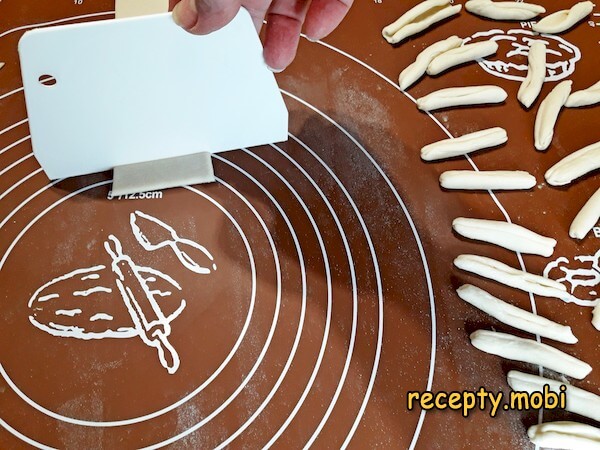
Then, moving the scraper towards myself, I press it onto the piece and roll it — this is the "secret" technique for forming tube-shaped galnash with a hollow inside.
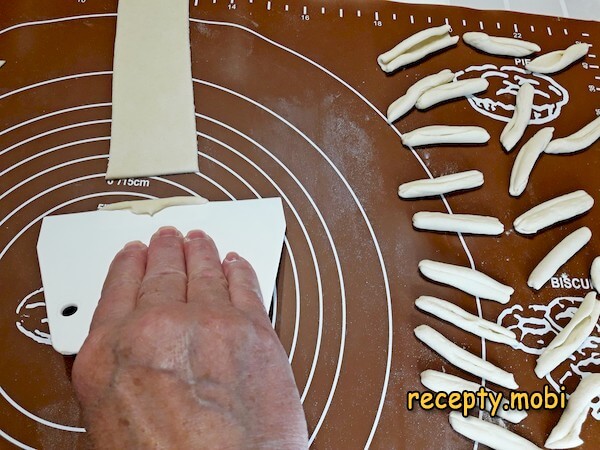
The piece will thin out and curl into a little tube — it is exactly this hollow shape that delivers the galnash's signature "secret": meat broth is trapped inside during cooking.
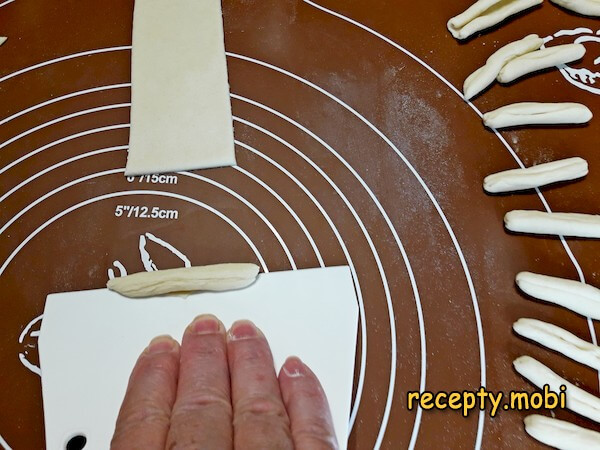
I roll the rest of the galnash this way — the process takes patience, but the result is worth it. A couple of hours of calm work with a cup of tea or a film go by unnoticed.
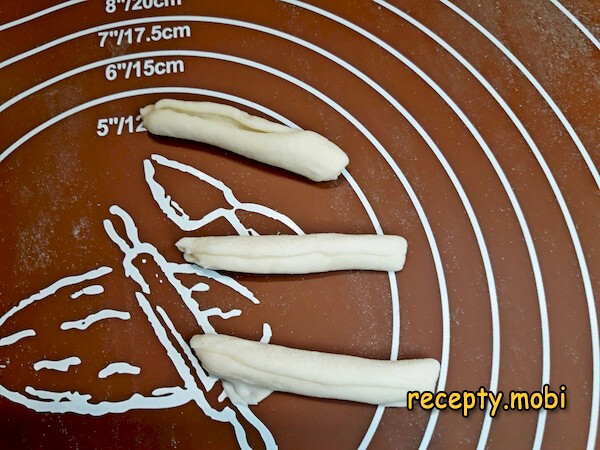
I lay the pieces out on a baking sheet or a large towel. They are not dusted with flour, so during cooking the broth stays clean — another reason why galnash are not sprinkled with flour.
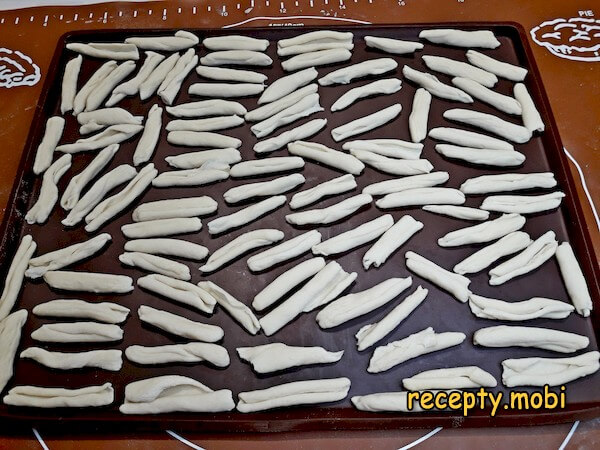
Into the pot with the remaining broth I add purified water — about 200 millilitres. I bring the mixture to a boil and salt it. As it starts to boil, I drop in the galnash. With a slotted spoon I gently lift them off the bottom and stir so they do not stick.
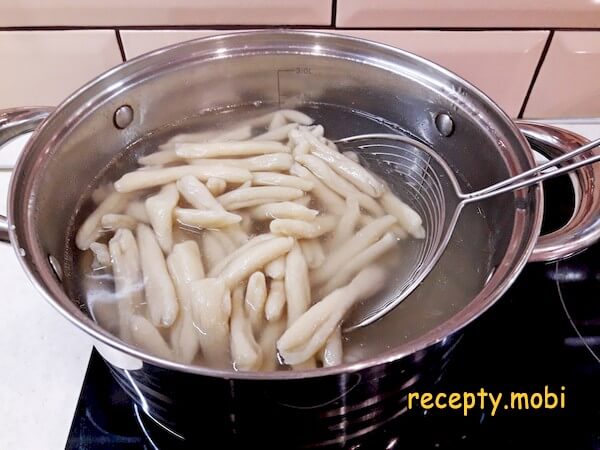
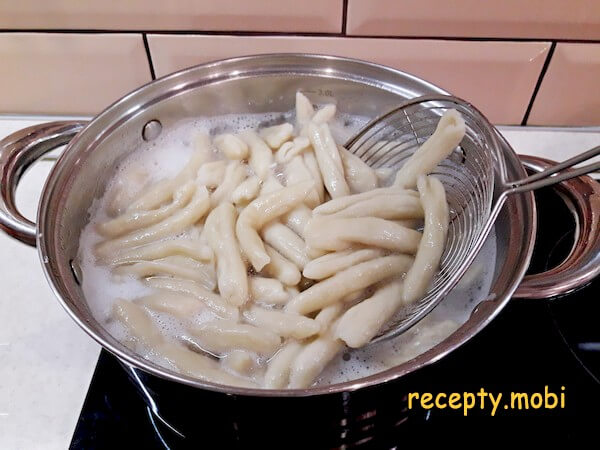
From the moment it starts boiling I cook the galnash for about 7 minutes and then scoop them out with a slotted spoon — when cooked correctly, the dumplings should be soft on the outside but dense inside, with no raw centre.
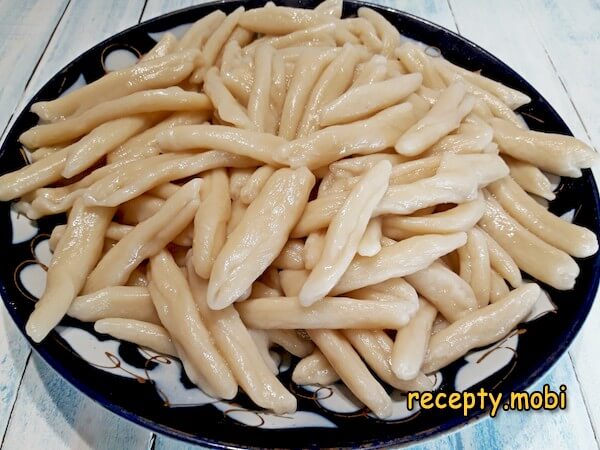
I arrange them on a large platter — around the big pieces of boiled meat, to create the classic Chechen presentation.When serving, I arrange the zhizhig galnash (meat and dumplings) on a large plate around a bowl of the spicy sauce. Separately, I pour drinking broth into individual bowls. The galnash are dipped into the sauce, and because broth stays inside the hollow, the taste turns out juicy and the dish very filling.


Tips
- 1
SCALDED DOUGH MADE WITH BROTH — the "secret" to an authentic texture. Dough made with broth rather than water gives the galnash a special chewy, dense texture with a rich, meaty flavour. The hot broth "scalds" the flour, as in a choux-style dough, and the finished dumplings come out elastic and springy, holding together during cooking. A similar principle is used in Avar khinkal.
- 2
THE TUBE SHAPE — the "secret" to juiciness. Flat, noodle-like dumplings come out dry, as there is no hollow inside to hold the broth. Tube-shaped galnash with a hollow centre trap the broth during cooking — inside each dumpling there is a pocket of aromatic meaty liquid that makes the dish juicy and rich.
- 3
NO FLOUR WHILE STORING — the "secret" to a clear broth. If you dust the finished galnash with flour before cooking, it will fall off into the broth and make it cloudy. Laying the galnash out on a clean towel without flour keeps the broth clear — when served, the broth looks refined and clean, as it should be in the traditional Chechen version.
- 4
THREE COMPONENTS OF THE SERVING — the "secret" to a proper Chechen table. Zhizhig galnash is always served with three components: meat and galnash on the plate, spicy sauce in a bowl, and broth in individual bowls. Without any one of the components the authenticity is lost — the sauce is needed for dipping, the broth for sipping. A similar multi-element presentation is found in Kumyk khinkal.
FAQ
What is zhizhig galnash and where is it eaten? +
Zhizhig galnash is a national dish of Chechen cuisine — boiled meat with dumplings in broth. "Zhizhig" in Chechen means "meat", and "galnash" means "dumplings" or "gnocchi". It is widespread in Chechnya, Ingushetia, and partly in Dagestan among Chechens and other Vainakh peoples. It is both a festive and an everyday dish at the same time — served at weddings, during religious holidays, and at family celebrations. Other peoples of the North Caucasus have similar dishes: Avar khinkal, Kumyk khinkal, and Lezgin ishli-khinkal — all with different dumpling shapes.
Can beef be replaced with lamb? +
Yes, lamb is an equally classic option and is used in Chechnya on a par with beef. The best cut is lamb ribs or shoulder on the bone, which give the richest broth. Beef gives a more "neutral" flavour, while lamb is more vivid and distinctive. Pork is not used in Chechen cuisine for religious reasons. You can make a 50/50 mix of beef and lamb — the result will be a complex, multi-layered flavour. Chicken broth is not suitable — it is too weak for such a hearty composition.
How do you eat zhizhig galnash correctly? +
Chechen tradition prescribes a certain order: the galnash are dipped into the spicy garlic sauce and eaten with the hands or a fork, while the meat is cut into pieces and eaten separately or together with the galnash. The broth is drunk from a bowl as a hot drinkable beverage — it is what rounds off every "mouthful" of the dish and warms you up in cold weather. People eat slowly and unhurriedly, with conversation — this is family food, not a quick snack. At a large table the galnash and meat are served on one shared plate for all the guests.
What to serve with zhizhig galnash? +
An authentic serving requires only three essential components: meat with galnash on a large plate, spicy garlic-and-pepper sauce in a bowl, and drinking broth in individual bowls. Additional components: fresh lavash or Chechen "zhizhig-cherek" flatbreads for dipping into the sauce, pickled vegetables (cucumbers, tomatoes) for a fresh accent, and a bunch of fresh herbs (dill, coriander, parsley) on the table. For drinks: ayran, tan, or black tea with milk. The main principle is maximum authenticity and minimum European additions.
- Comment
or post as a guest
Be the first to comment.