avg —
Hashlama of beef with potatoes

Instructions
I prepare the ingredients. Clean the bell pepper, rinse out any leftover seeds and cut it into large cubes. It is best to use potato varieties that do not fall apart, so the pieces stay intact during the long stew. Cut the tomatoes into wedges.
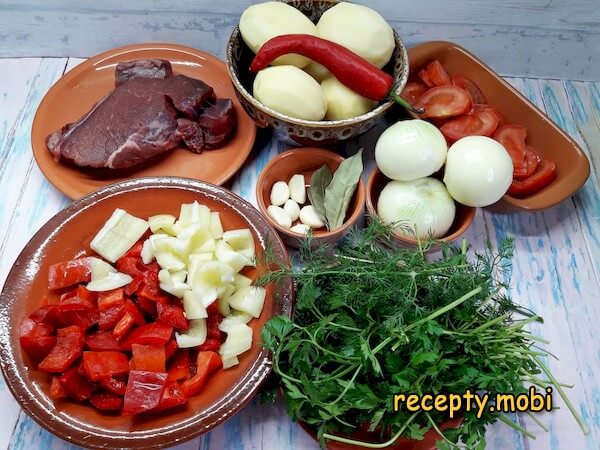
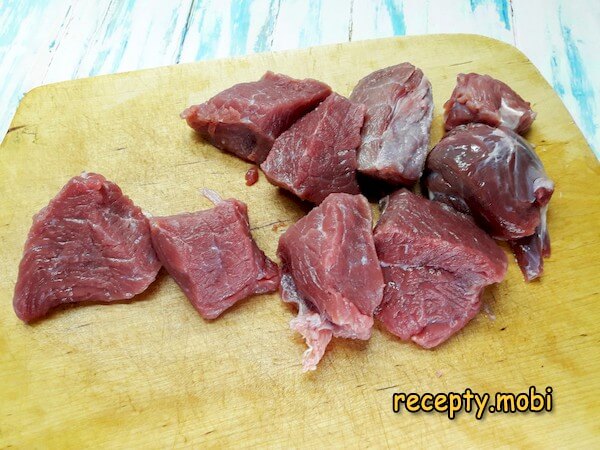
Cut the beef into fairly large pieces. The small membranes can be left on, as the meat softens well by the end and they practically dissolve into the mass, becoming tender.
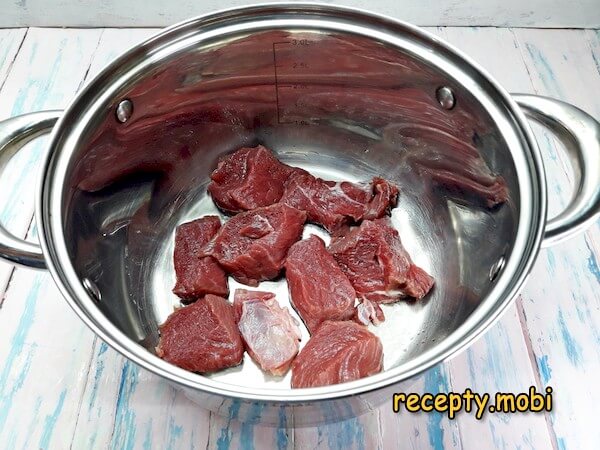
Lightly grease the bottom of the pot with oil — it doesn't matter which, butter or vegetable, as long as it has no pronounced odour. Lay down half the meat chunks.
Chop the onion into half-ring strips.
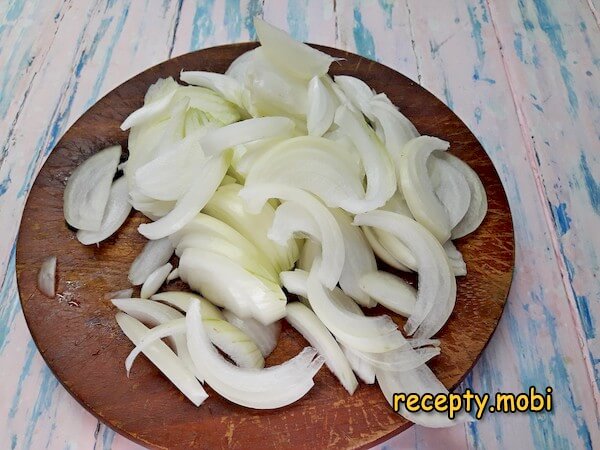
Scatter half the chopped onion over the beef.
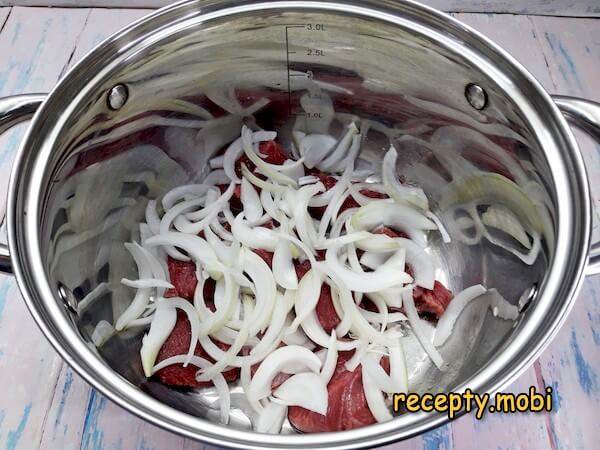
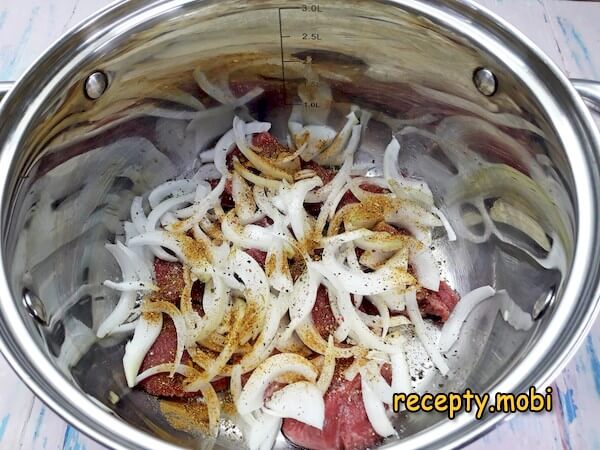
Sprinkle this layer with salt, pepper and khmeli-suneli.
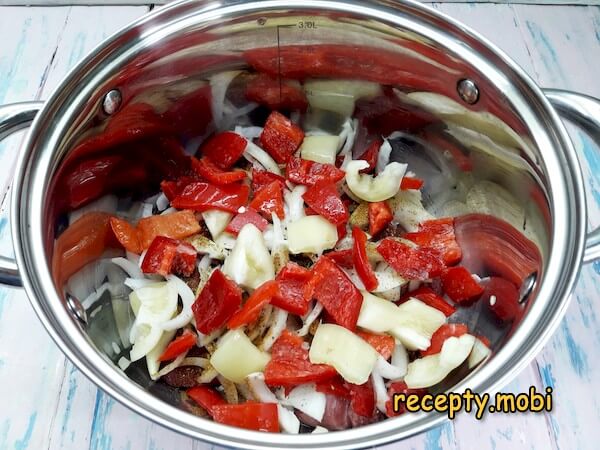
Place part of the coloured bell pepper on top.
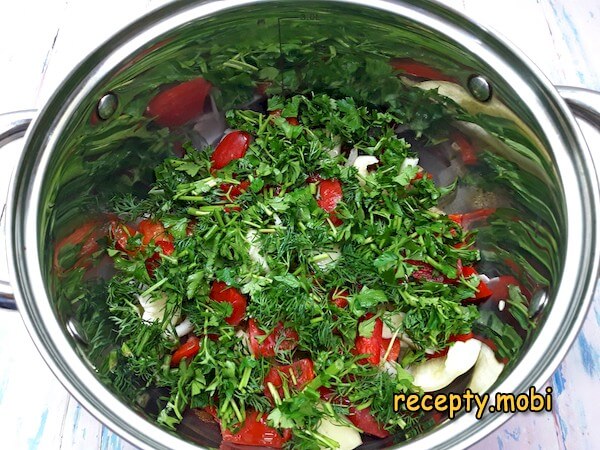
Chop the herbs, but not too finely.
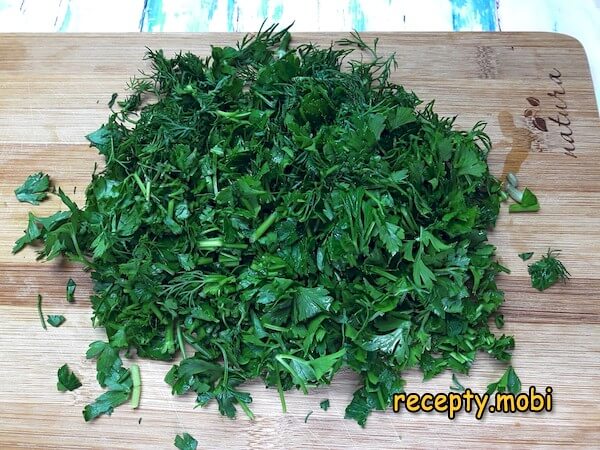
Add the herbs as the next layer in the pot.
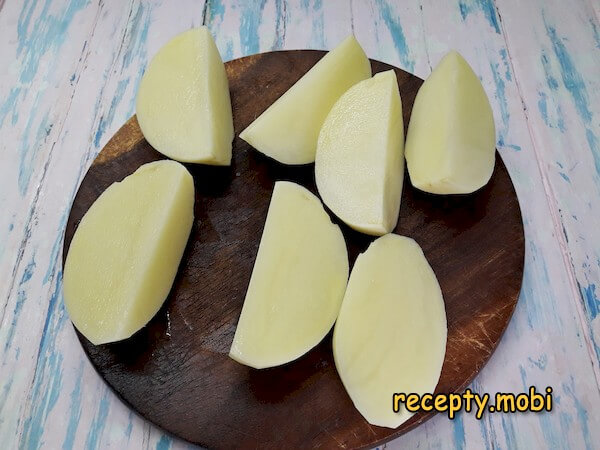
Cut the potatoes into large segments, since they will stew together with the meat until it is done, and in the finished dish this vegetable should stay whole and not fall apart.
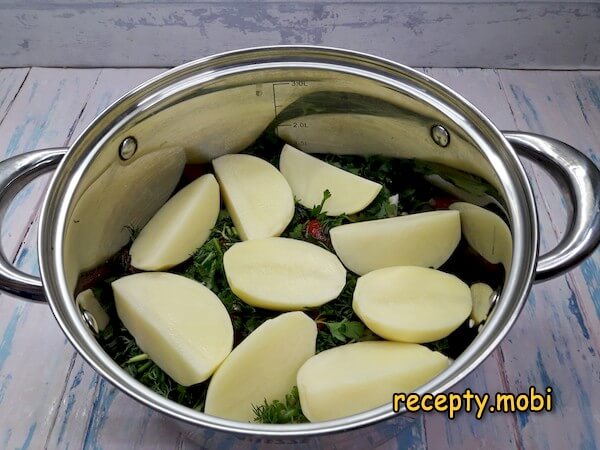
Lay half the chopped potatoes on top of the parsley-and-dill layer.
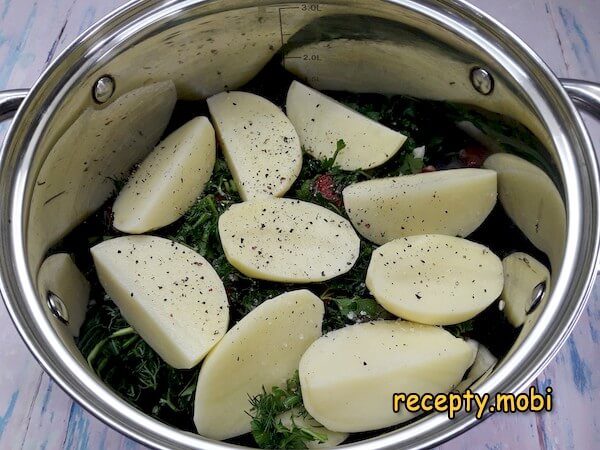
Sprinkle this layer with spices.
Next, add the tomatoes to the pot, but not all at once — only part of them.
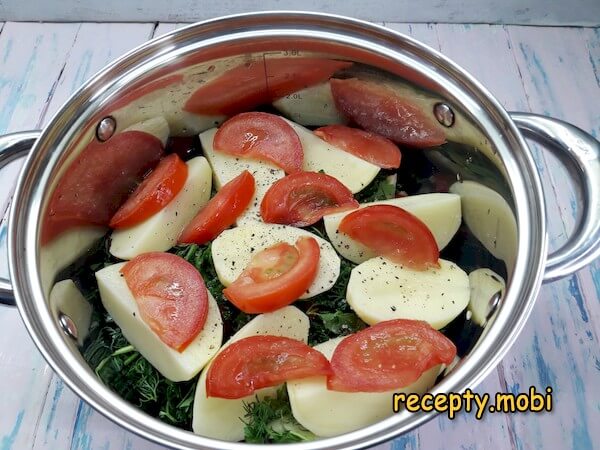
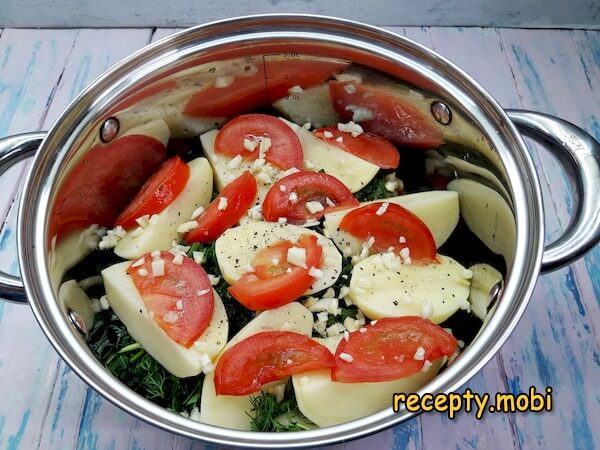
Sprinkle chopped garlic on top.
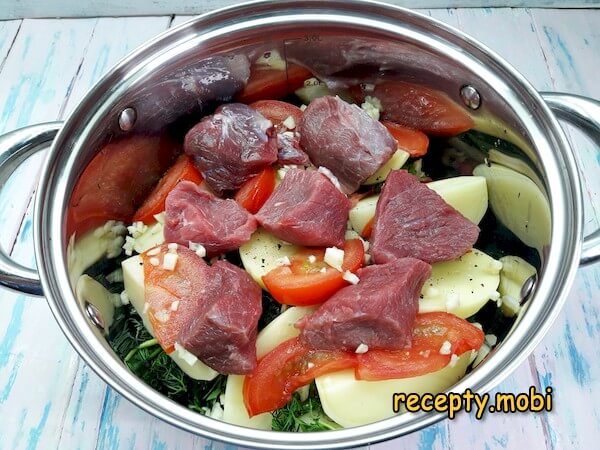
Add the meat again. After that, the layers repeat.
But only after the onion (which falls right in the middle of the filled pot) do I add the bay leaves and small pieces of chili pepper.
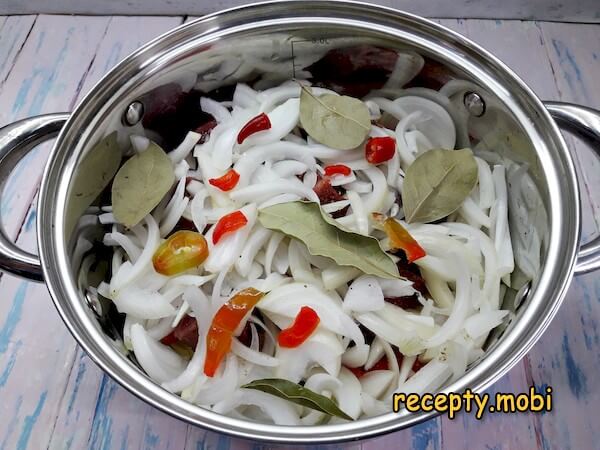
Once all the components are layered, pour in the water. It should come to about 2 cm below the top of the vegetables (that is 700 millilitres). If you want a more liquid hashlama, you can increase the amount of water.
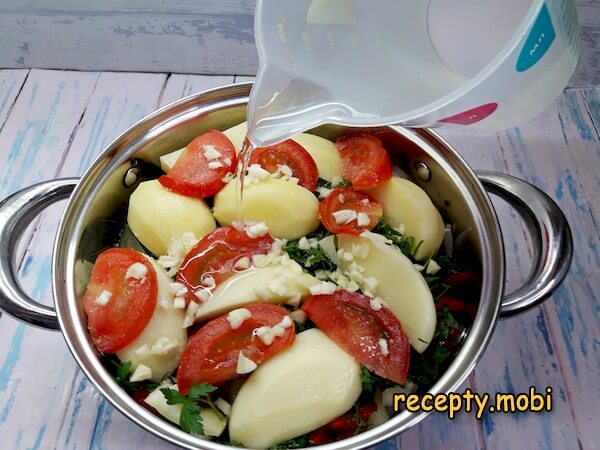
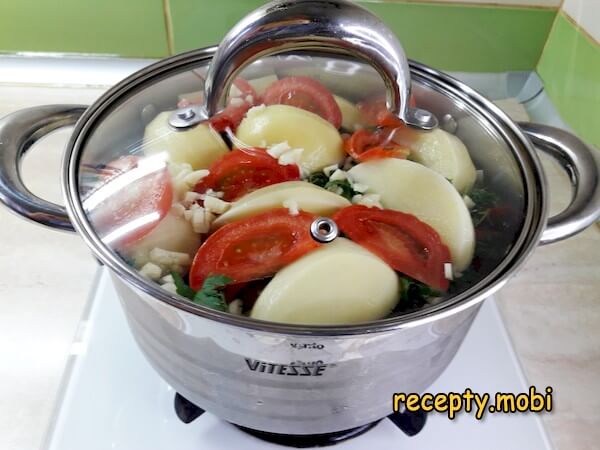
Simmer the dish covered on low heat for about three hours. If you use young veal, two hours will be enough.
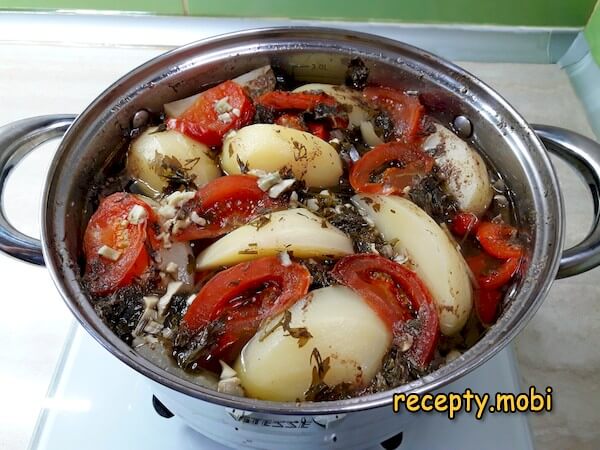
The beef hashlama with potatoes is ready. The meat should simply melt in the mouth, while the potatoes stay whole.Aromatic and savoury, hashlama must definitely be served hot. Fresh lavash and herbs make a wonderful addition to this hearty meal — do give it a try.


Tips
- 1
Layers without stirring are the "secret" of hashlama. Don't stir while it cooks — the vegetables and meat release their juices in the right order.
- 2
Three hours on low heat are the "secret" of tenderness. The long, slow simmer turns the meat meltingly tender. Young veal needs 2 hours.
- 3
Water 2 cm below the top is the "secret" of concentration. The broth isn't diluted; the meat doesn't boil in water but stews in its own juices.
- 4
Cut the potatoes large — that's the "secret" of keeping their shape. Small pieces cook down to mush, while large segments stay whole over the 3 hours.
FAQ
Which meat should I choose? +
The ideal choice is beef with some marbling (brisket or shoulder) — 500 g — which becomes tender after long stewing. Alternatives: young veal (500 g, faster, cooks in 2 hours), lamb (500 g, the Caucasian classic, more pronounced flavour), pork with a layer of fat (500 g, richer) or chicken thighs (700 g, lighter). Avoid shop-bought mince, which would spoil the idea, and skinless chicken breast, which turns out dry. For the classic version, beef or lamb is a must.
What can I use instead of khmeli-suneli? +
Alternatives: a mix of coriander, dried dill, basil and savory (1 g of each), an all-purpose Georgian seasoning (5 g), curry (5 g, for an Indian note) or Italian herbs (5 g, less authentic). Avoid salty seasonings and sweet blends. For the true Caucasian flavour, the blend should contain fenugreek.
How long does hashlama keep? +
In the refrigerator, in the covered pot, it keeps for 3 days. Any longer and the potatoes soften and the herbs lose their freshness. Before serving, reheat it gently on low heat for 10–15 minutes. Frozen in portions, it keeps for up to 1 month; thaw it in the refrigerator for 8–10 hours. Don't leave it at room temperature for longer than 4 hours, as the meat will spoil. On the second day the flavour is deeper and richer.
What goes well with hashlama? +
The Caucasian classic is fresh lavash or bread, with fresh herbs (parsley, cilantro, basil). It pairs well with a Georgian red wine (Saperavi, Khvanchkara), with suluguni or brynza cheese as a starter, and with adjika or tkemali for a spicier serving. A fresh vegetable salad also works well. It is a versatile hot dish for a large gathering.
- Comment
or post as a guest
Be the first to comment.