avg —
Georgian-style Beef in the Oven

Instructions
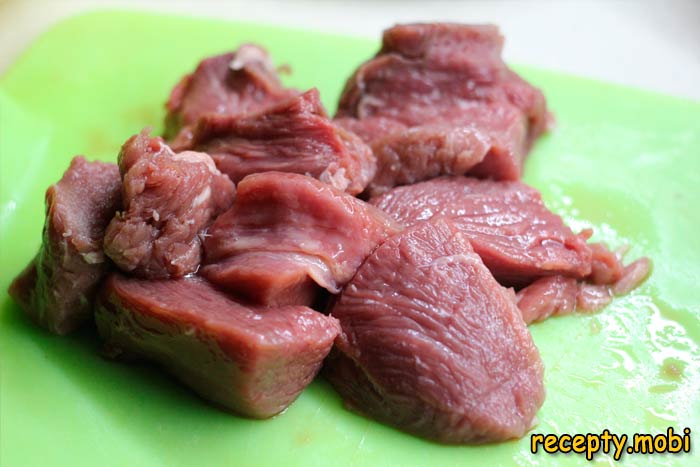
I cut the beef into large pieces of 3–4 cm – just as for classic shashlik. I pat them dry with paper towels to remove excess moisture. Dry meat absorbs the marinade better, whereas wet meat “dilutes” the spices. For tenderness, choose tenderloin or meat from the hind quarter – they marinate quickly.
I cut the onion into thin half-rings, about 3 mm. A large amount of onion (3 onions for 500 g of meat) is a Georgian feature: while marinating, the onion releases its juice into the meat, softening the fibres. During baking, some of the onion turns into a sweet, caramelised base.
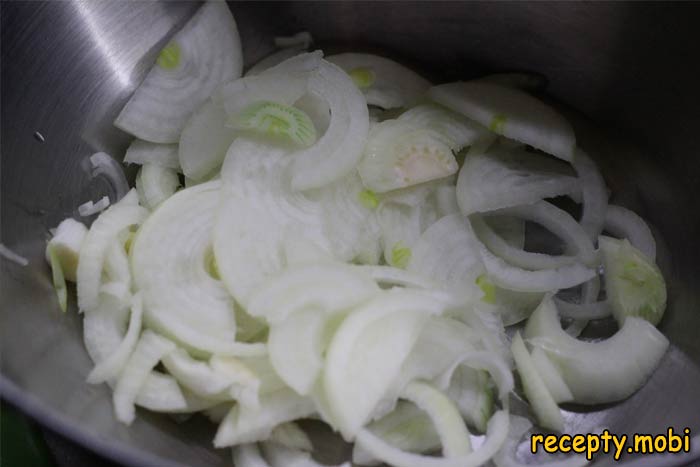
I combine the pieces of beef with the onion in a deep bowl. I add khmeli-suneli (the key Georgian spice!), salt, honey, dried garlic and freshly ground black pepper. I mix it thoroughly by hand for 2–3 minutes, rubbing the spices into the meat.
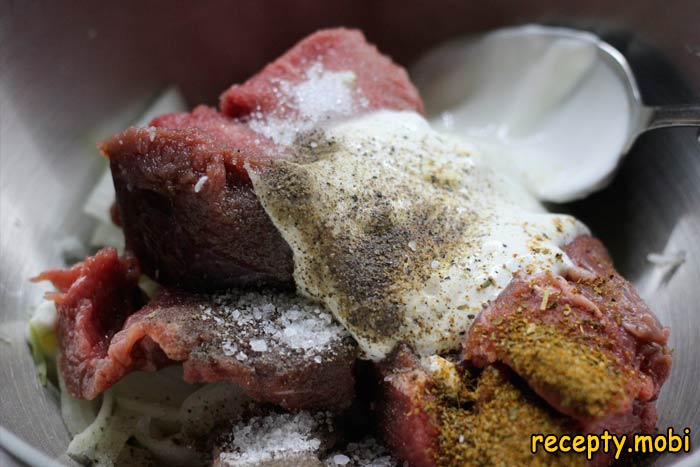
I add 20–25% sour cream to the marinade and mix thoroughly again. The sour cream gives the meat tenderness and creates the characteristic crust during baking. I put it in the refrigerator for at least 3 hours – ideally overnight. Half an hour before baking, I take the meat out so it can warm up to room temperature.
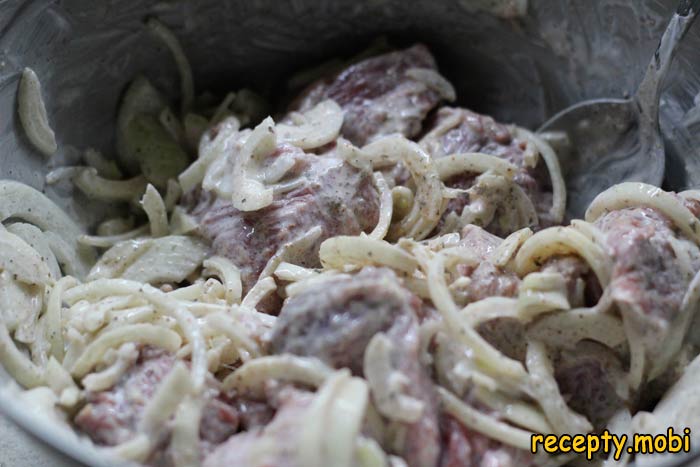
I transfer the marinated beef and onion into a baking dish (a clay or ceramic one is best). I spread it out in an even layer without pressing it down. I bake it for 30–35 minutes in an oven preheated to 170 °C – the lower temperature gives soft, tender meat.
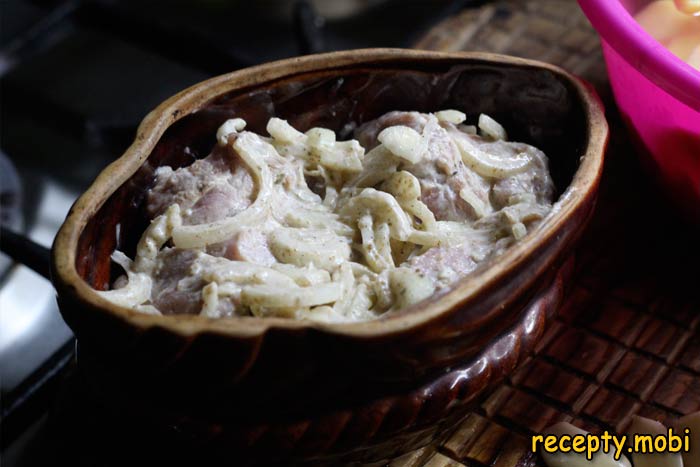
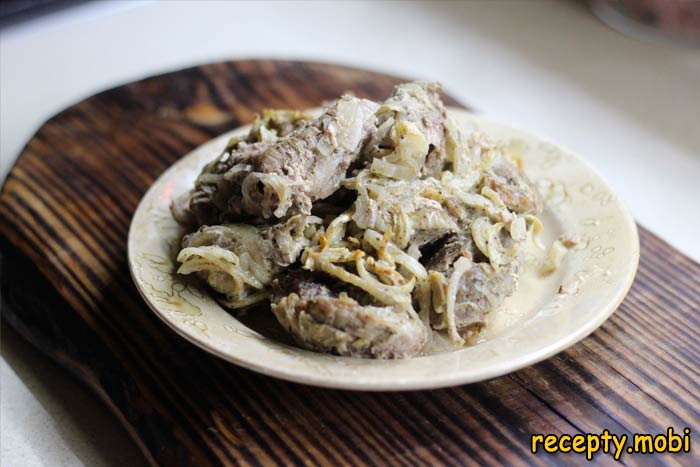
I check doneness with a knife: when pierced, the juices should run clear, with no pink. The Georgian-style beef is ready! I serve it hot with garlic croutons, fresh herbs (cilantro is a must!), adjika and lavash – the traditional set of Georgian accompaniments.


Tips
- 1
Marinate the meat for at least 3 hours, ideally overnight (8–12 hours). The longer the marinating, the more tender the finished dish will be.
- 2
Use a clay or ceramic baking dish – it heats evenly and keeps the meat juicy.
- 3
You can replace the beef with pork, lamb or turkey – the classic Georgian version with lamb is the most authentic. I cook shashlik in the oven on a similar principle.
- 4
Serve with garlic croutons, lavash, fresh cilantro and adjika – the set of traditional Georgian accompaniments for the right presentation.
FAQ
Can I make it without khmeli-suneli? +
Yes, replace it with a homemade blend: ground coriander (1 tsp), blue fenugreek (1/2 tsp), dried basil (1/2 tsp) and savory (1/2 tsp). These are the basic components of the shop-bought blend. If you do not have all the components, use a ready-made “for shashlik” blend from the supermarket – it will be similar. Without special Georgian spices you will get ordinary baked beef – tasty, but not “Georgian”. Khmeli-suneli is easy to buy even in ordinary shops.
How do I check the beef for doneness? +
I pierce the meat with a knife in the thickest part of the piece – the juices should be clear, with no pink tint. Pink juices mean the meat is undercooked (as for a medium-rare steak, not for braised beef). You can also use a cooking thermometer: the internal temperature of finished braised beef is 70–75 °C. When pierced, the knife should go in easily, without resistance – a sign of tender meat. Firm meat is a signal to keep baking.
How do I store the cooked beef? +
In the refrigerator in a tightly closed container – up to 3 days without loss of quality. On the second day the meat becomes even more tender, as the marinade and sauce fully soak into the fibres. Reheat it in the oven at 150 °C under foil for 15 minutes (this keeps it juicy) or in the microwave for 2–3 minutes. You can freeze it for up to 1 month in portion-sized containers – before serving, thaw it overnight in the refrigerator and reheat.
What do I serve Georgian-style beef with? +
Traditional Georgian accompaniments: lavash (thin Armenian flatbread), garlic croutons made from rye bread, fresh cilantro and parsley, adjika (red or green), onion pickled with wine vinegar, and pickled cucumbers. For side dishes – boiled rice or Georgian-style baked potatoes with herbs. For drinks – homemade Georgian red wine (Kindzmarauli, Khvanchkara) or Borjomi mineral water. For a feast – a proper Georgian spread.
- Comment
or post as a guest
Be the first to comment.