avg —
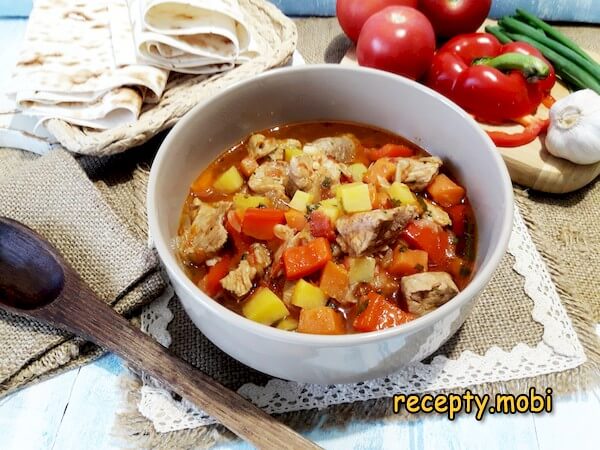
Georgian Solyanka

Instructions
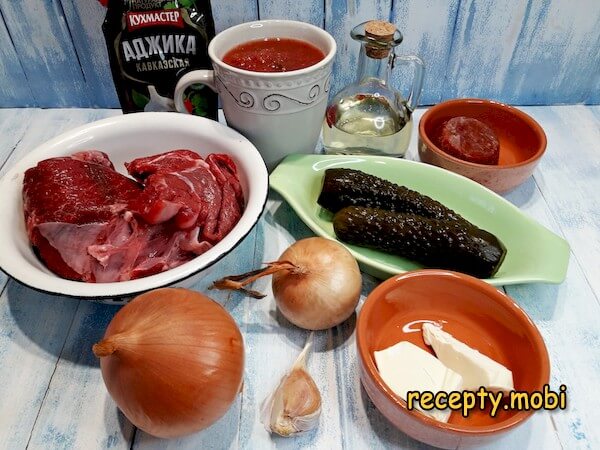
I prepare the ingredients. The beef can be swapped for young veal, in which case the cooking time is halved. The canned tomatoes can be replaced with fresh ones, but they should be a sour variety.
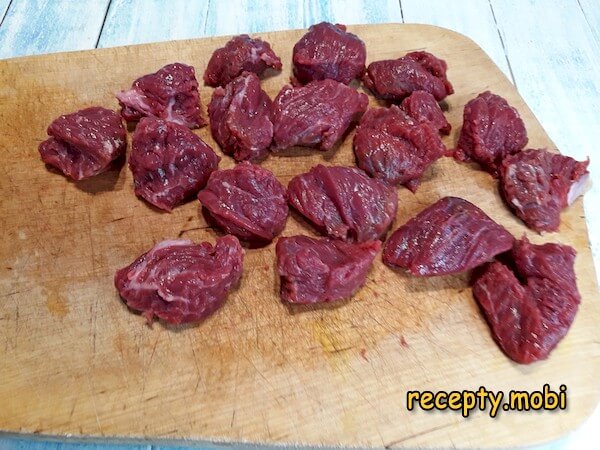
I cut the beef into small pieces that are convenient to eat without biting through. If there are membranes and tendons on the meat, they can be left on – after cooking they soften beautifully, become very tender and do not get in the way when chewing.
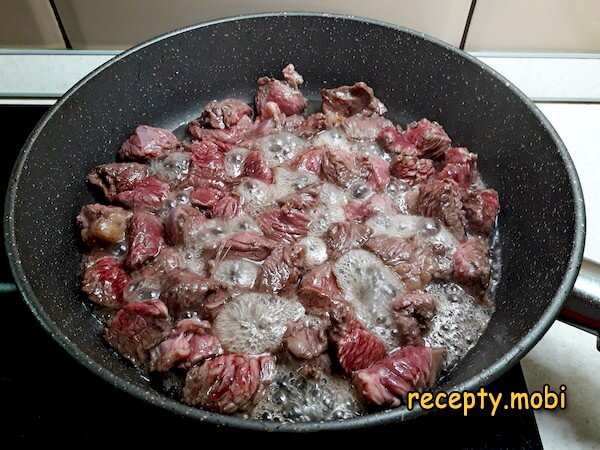
In hot vegetable oil over high heat, I sear the prepared pieces – high heat is needed to "seal" the meat juices inside.
After about 3–4 minutes I cover the pan with a lid, reduce the heat to its lowest setting and stew the beef for exactly one hour – that is precisely how long it takes to soften the beef to a "fibrous" texture.
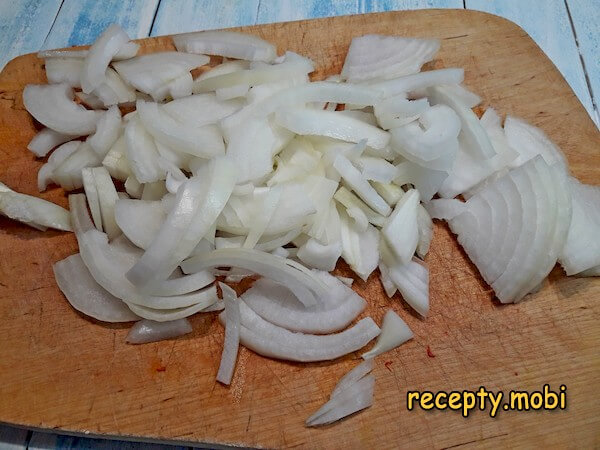
Meanwhile, I prepare the rest of the ingredients. I cut the onion into thin, short strips – this kind of cut gives the finished solyanka the right light texture.
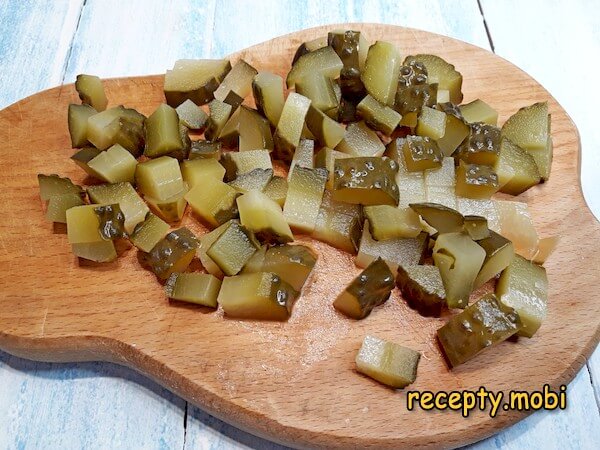
The pickles go into medium cubes. A size of 1×1 cm makes them convenient to eat and gives nice accents in the finished dish.
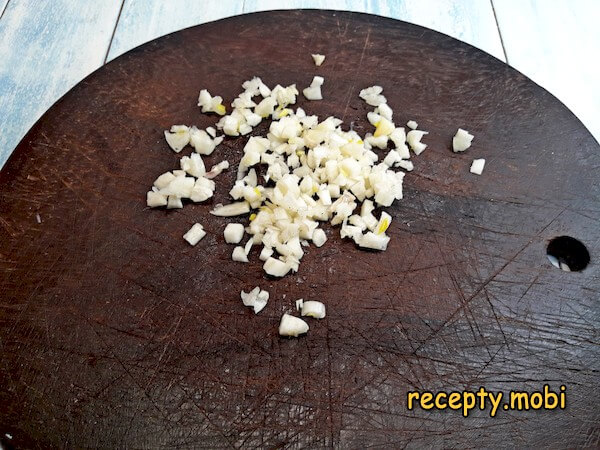
I finely chop the garlic with a knife – with a knife specifically, not through a press, to keep the recognisable accents in the finished solyanka.
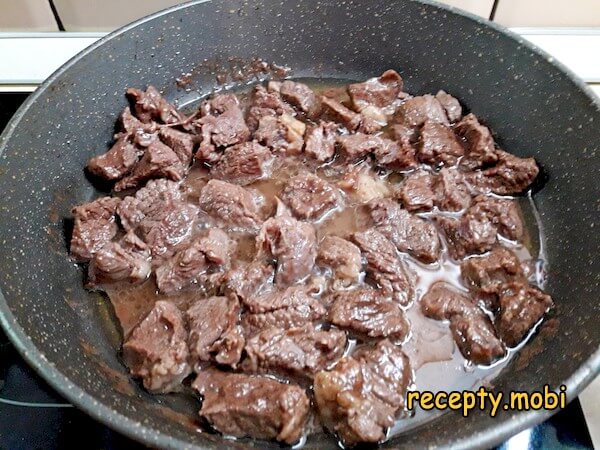
By the stated time the meat will have stewed enough, releasing a large amount of liquid – this is its own "broth" from the beef juices, the base for the future sauce.
Since beef is not a fatty meat and is a little dry, it is best to enrich it with butter, adding it to the pan – it is butter that gives a rich, "buttery" aroma.
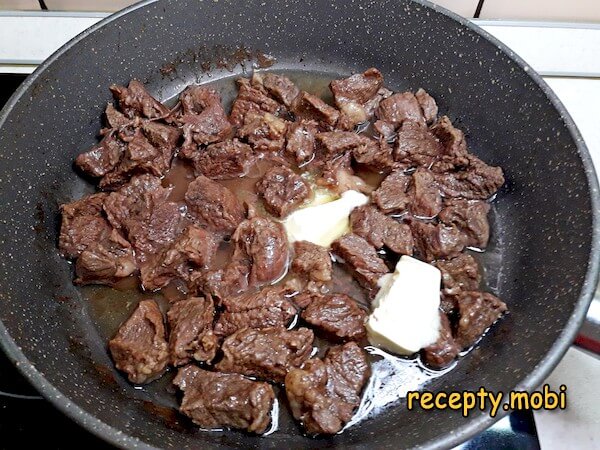
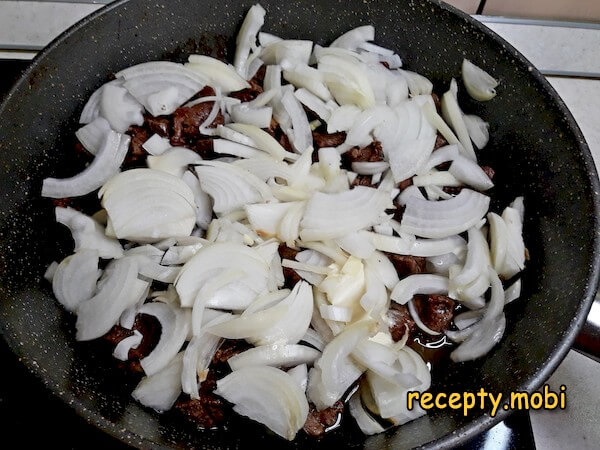
When the butter has melted, I add the onion to the mixture. I stir everything, cover with a lid and simmer over low heat for 5 minutes – so that the onion turns translucent and gives its aroma to the sauce.
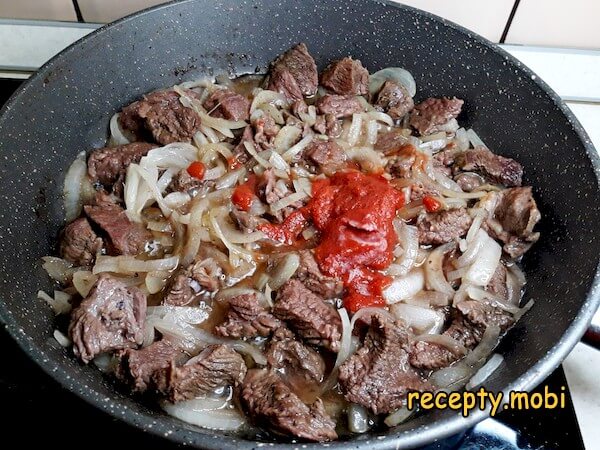
Then (mainly to give the dish a nice colour) I add the tomato paste – it gives the future sauce a characteristic "thick" tomato tint.
And after stirring – the spicy adjika, which contains, besides hot pepper, a whole bouquet of aromatic seasonings. This is the "secret" of the dish's Georgian character.
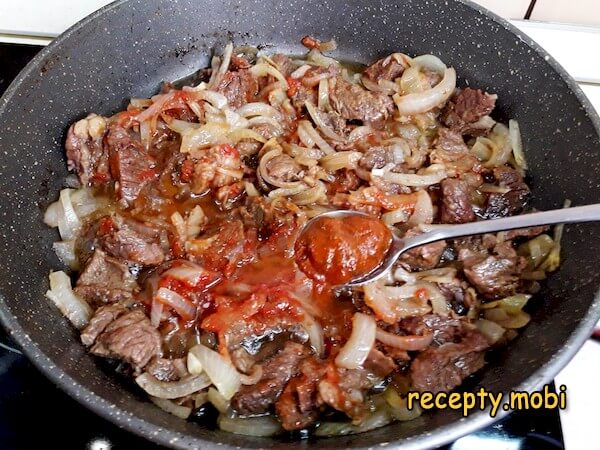
Straight away I pour the puréed tomato pulp over the meat pieces. I cover the mixture with a lid and stew for 5–7 minutes – the tomatoes add a tang and a bright colour.
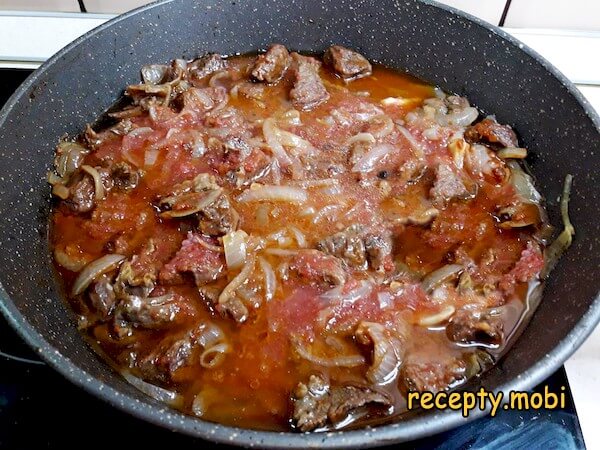
Next I can add the salted pickles – this is the "highlight" of solyanka, which gives it the characteristic light sourness and the recognisable "solyanka" character.
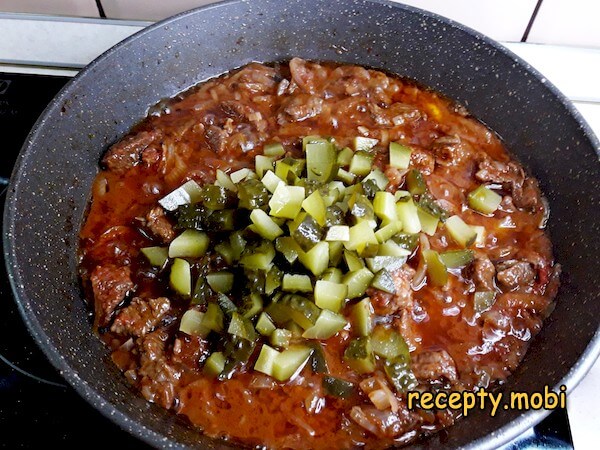
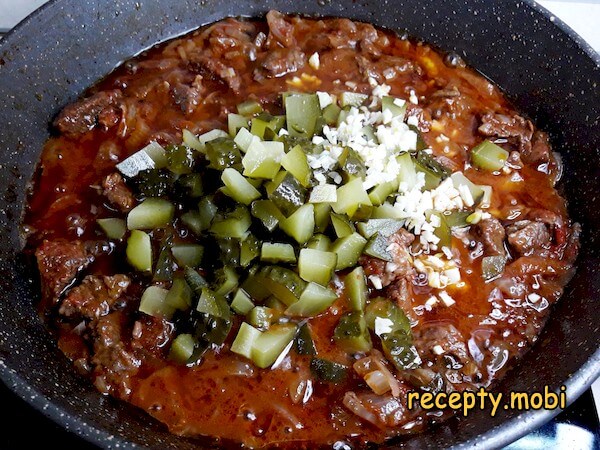
And the garlic goes in along with them. I stir the mixture and taste for salt (it may not be needed). I cover the pan with a lid and simmer over low heat for 10 minutes. Before serving, I season the dish with fresh herbs.Georgian solyanka is served hot. Fresh herbs, onion and vegetables are never out of place with this dish. The soft beef, mellowed in tomato, harmonises wonderfully with the pieces of salted pickle, creating the inimitable character of Caucasian cuisine.


Tips
- 1
AN HOUR OF STEWING is the "secret" to tender beef. Less than an hour and the meat stays tough and fibrous. More than two hours and it falls apart into mush. An hour of slow stewing in its own juices with a little butter gives the beef the perfect "melt-in-the-mouth" texture. This is the "secret" of a proper Georgian solyanka.
- 2
SALTED PICKLES AT THE END are the "secret" to balance. If you put the pickles in at the start of stewing, they boil down completely into mush and lose their character. Adding the pickles at the end (10 minutes before the finish) keeps their recognisable texture and their characteristic "pickle" flavour, which is what gives the dish its "solyanka" note. A similar principle is used in Chashushuli Georgian Style – a related dish of Georgian cuisine.
- 3
ADJIKA + FRESH GARLIC are the "secret" of the Georgian character. Adjika gives a "fiery" character, fresh garlic a "sharp" freshness. This pair of ingredients is what sets the "Georgian" solyanka apart from the "Russian" one. Without adjika you get an ordinary stewed meat with pickles; without fresh garlic at the end, a bland version. A similar combining principle is used in Chkmeruli Georgian Style.
- 4
SALT MAY NOT BE NEEDED – the "secret" against over-salting. Salted pickles and adjika already contain plenty of salt. Adding extra salt can lead to over-salting. I always taste the dish at the end and add salt only if it really needs it. For many cooks this tip has "saved" the dish from too much salt.
FAQ
How does Georgian solyanka differ from the Russian one? +
The main difference is the type of dish. Russian solyanka is a soup with a lot of broth, meat, pickles, olives and lemon. Georgian solyanka is stewed meat in a thick sauce with pickles, without broth. It is a "main" course, not a "first" course. There are other differences too: the Georgian version uses adjika, tomato paste and fresh garlic – components that are not in the Russian classic. Georgian solyanka is served as a main hot dish with a side, while the Russian one is served as a first course in a soup bowl.
Which cut of beef is best for solyanka? +
Cuts with connective tissue are ideal: shoulder, brisket, neck, shank, hock. During long stewing the sinews and membranes turn into gelatine – the meat becomes tender and "melting" in the mouth. Purely lean fillet is not suitable for stewing – it comes out dry and fibrous. Among modern cuts: deep brisket, onglet, flank steak. The stewing time depends on the cut: young veal – 30–45 minutes, ordinary beef – 1 hour, an old cow – up to 2–3 hours. The main rule is meat with sinews or a layer of fat.
How long does Georgian solyanka keep? +
In the fridge in an airtight container – up to 4 days without loss of quality. On the second day the flavour becomes richer – all the components "infuse" into one another. Before serving I reheat it in a pan or in the microwave for 3–5 minutes. It can be frozen for 2 months – thaw it in the fridge for 12 hours before reheating. The pickles may become watery after freezing – but in a stewed dish this is barely noticeable. An ideal "meal prep" dish: one pan = 2–3 lunches for the family.
What to serve with Georgian solyanka? +
It is a self-sufficient, hearty main course. Sides: boiled rice, buckwheat, mashed potatoes, pasta. From vegetables: fresh tomatoes, cucumbers, leaf salad, pickled onion. From flatbreads: Georgian "shoti", lavash, churek. From sauces: tkemali, adjika served separately to boost the heat. With drinks: Georgian dry red wine (Saperavi, Mukuzani, Kindzmarauli), chacha. For a big Georgian table – as part of an assortment of different Georgian dishes: khachapuri, kharcho, chakhokhbili. For a family dinner – with a glass of red wine and good Georgian bread.
- Comment
or post as a guest
Be the first to comment.