avg —
Dumlyama in Uzbek Style

Instructions
I prepare the ingredients. The beef can be replaced with lamb or with beef on the bone.
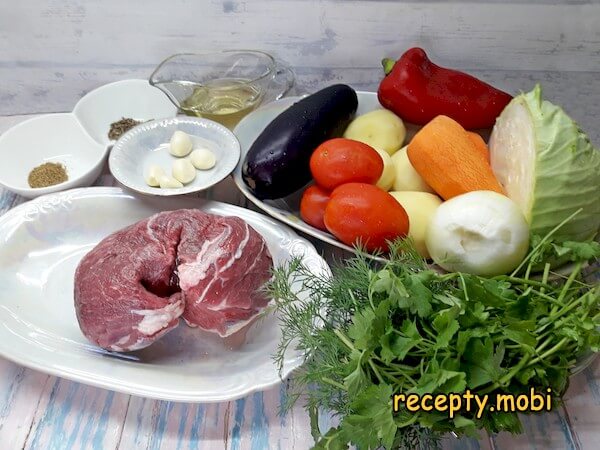
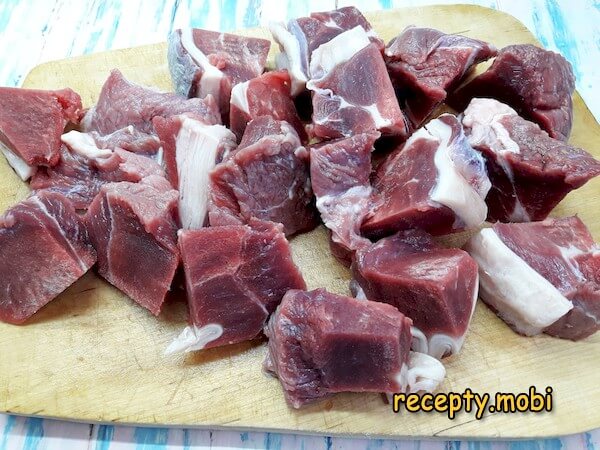
The amounts are calibrated for a three-litre pot. First of all, it is worth preparing everything so it is ready to be layered in for stewing. For this I cut the meat into fairly large pieces. There is no need to trim away the membrane and tendons – they soften beautifully and even make the flavour more interesting.
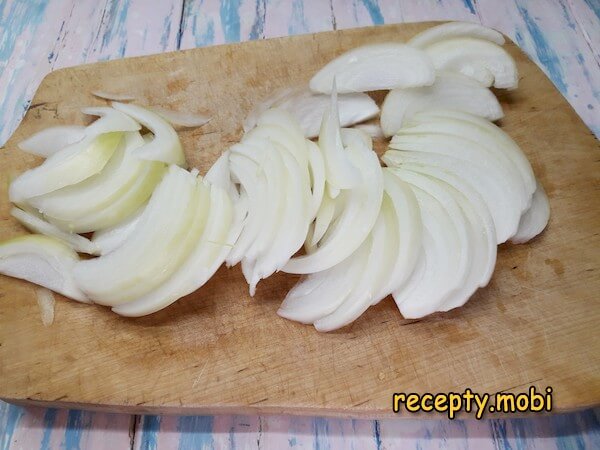
I shred the onion into half-rings.
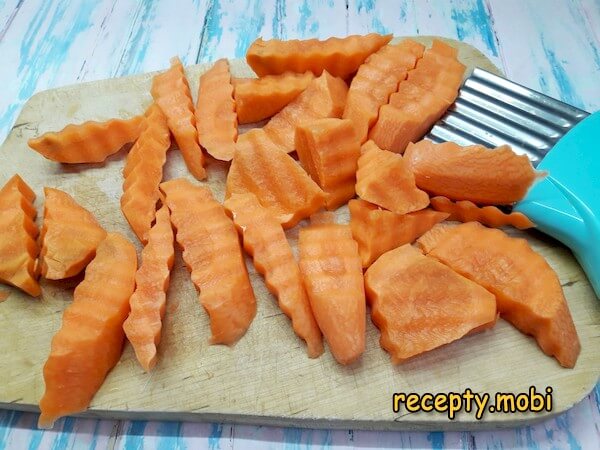
I cut the carrot into large pieces, to match the meat. You can use a decorative knife for this.
I do the same with the potatoes.
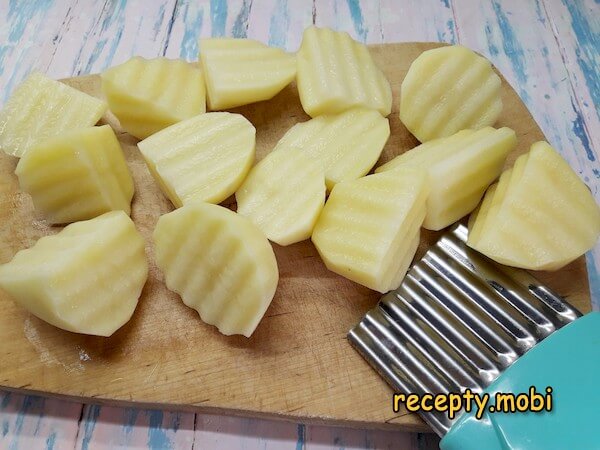
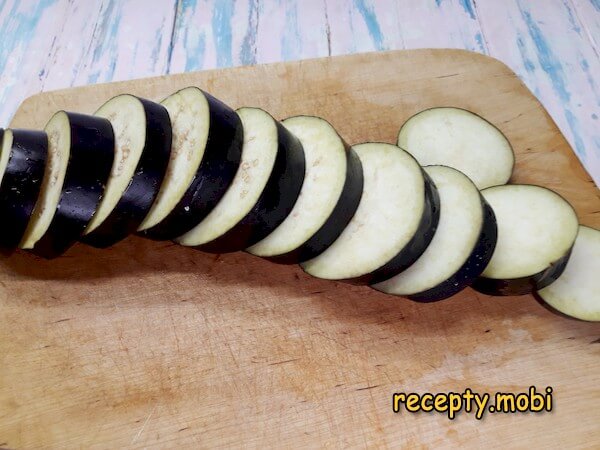
I cut the eggplants into thickish rounds, about 1.5 centimetres thick, so they keep their shape after stewing rather than turning to mush.
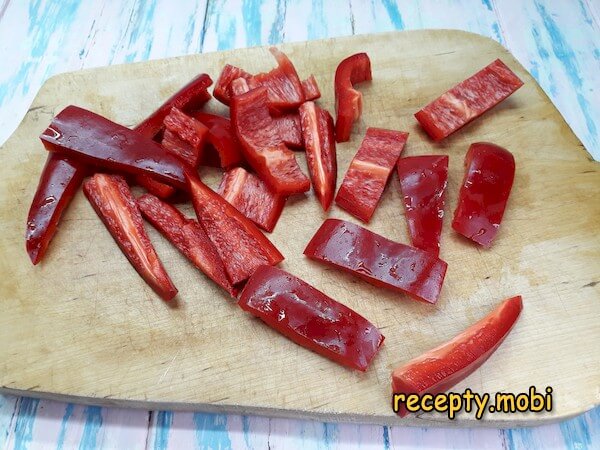
I remove the seeds from the pepper and cut it into wide strips.
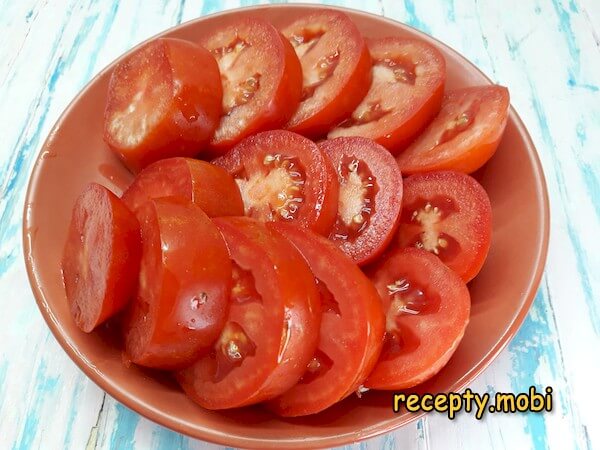
I cut the tomatoes into one-centimetre rounds.
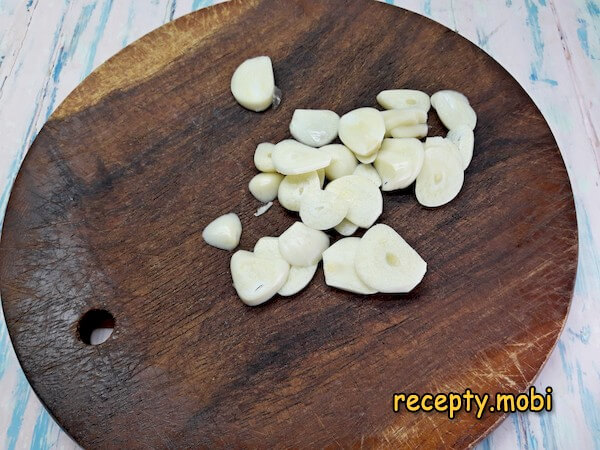
I cut the garlic into slices.
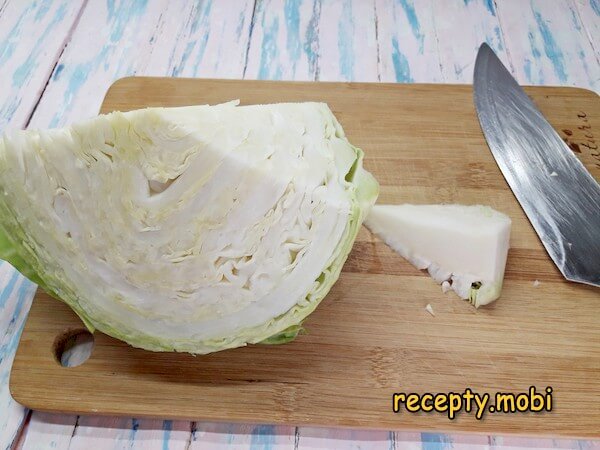
First I cut out the cabbage core.
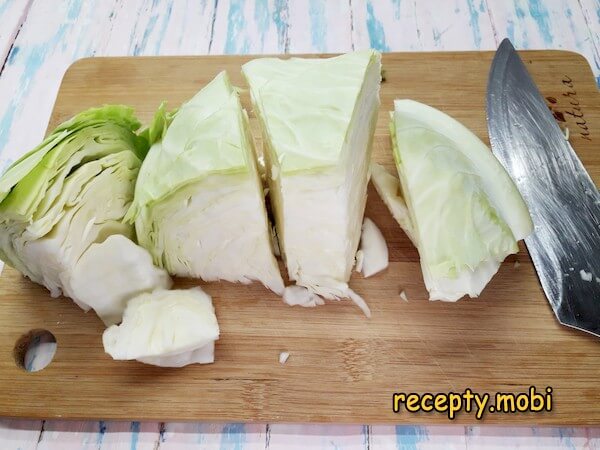
Then I divide it into several large segments. I cut off the thick veins and separate the leaves.
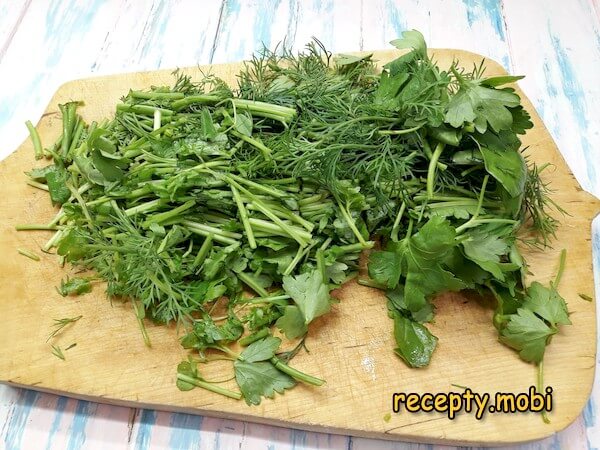
I do not shred the bunch of herbs but cut it into 5-6 pieces, using even the lower stems – they are very aromatic.
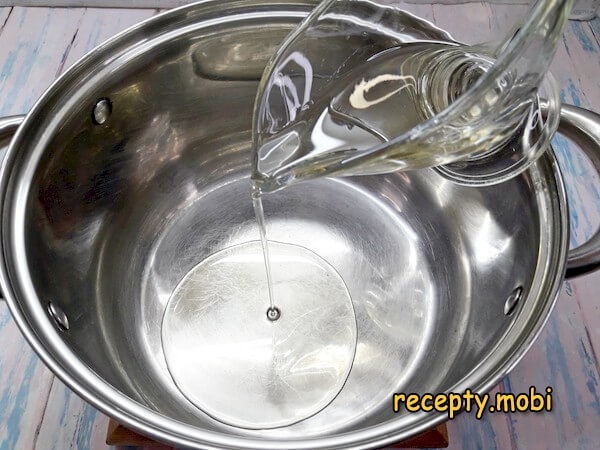
I pour the oil into the pot.
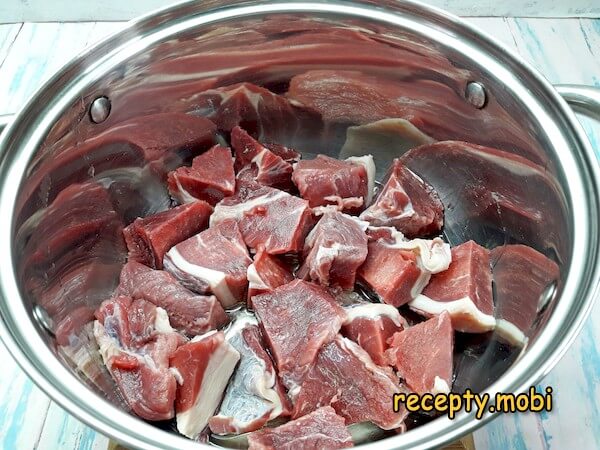
I spread the pieces of meat along the bottom.
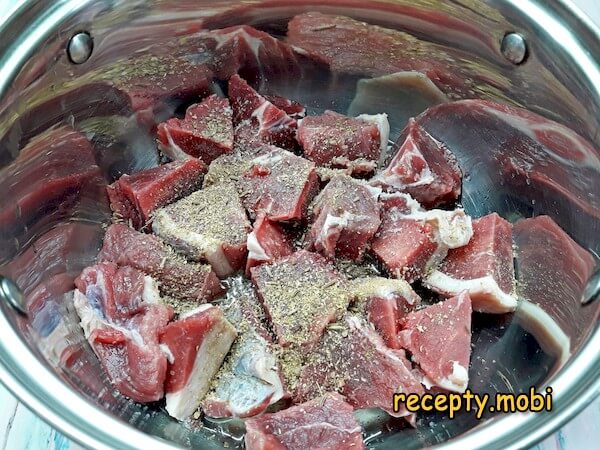
I salt them and season with dried coriander and cumin, whose seeds I rub between my palms or in a mortar.
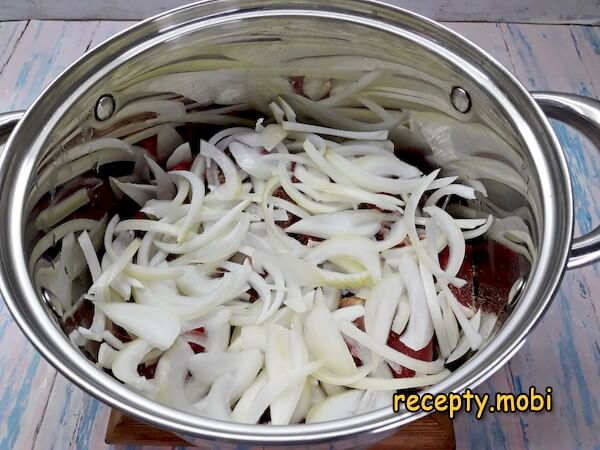
I cover the first layer with onion, pressing it slightly with my hands so it releases its juice.
Next I lay out the potatoes. I salt them.
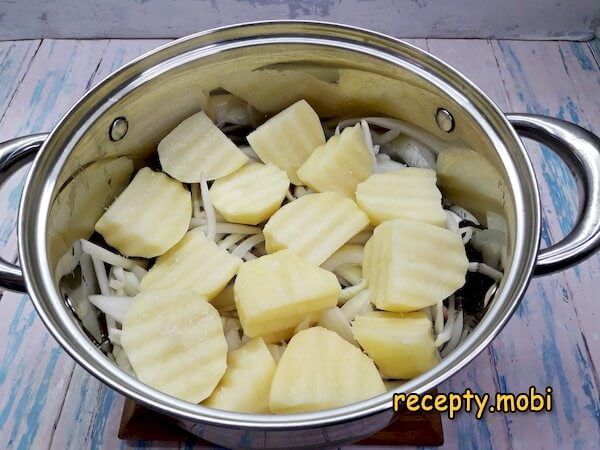
On top of them I place the carrots.
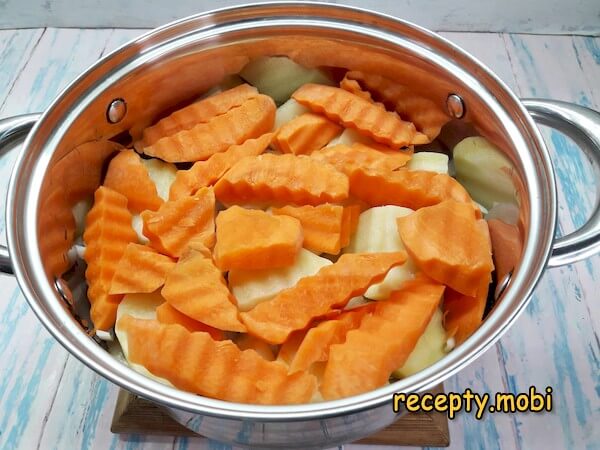
Then the eggplants, which I sprinkle with salt.
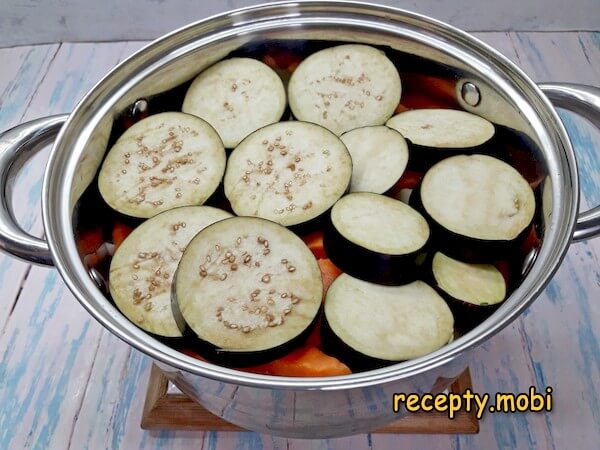
Next, the sweet pepper.
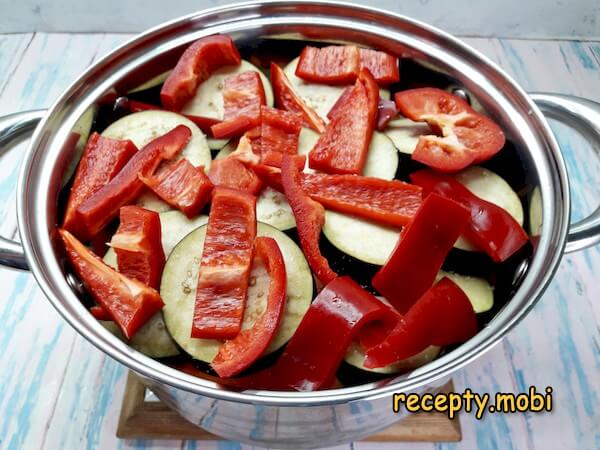
I cover it with tomato rounds and salt them.
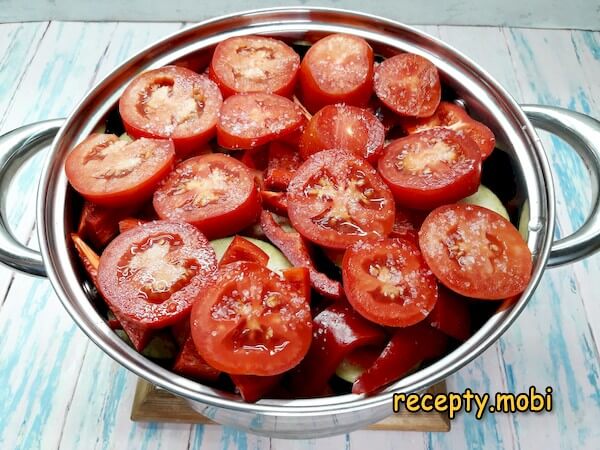
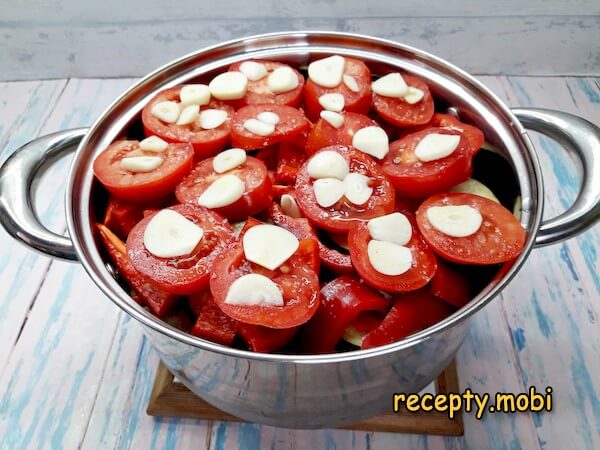
I spread the garlic on top.
I cover everything with the herbs. I add the bay leaf.
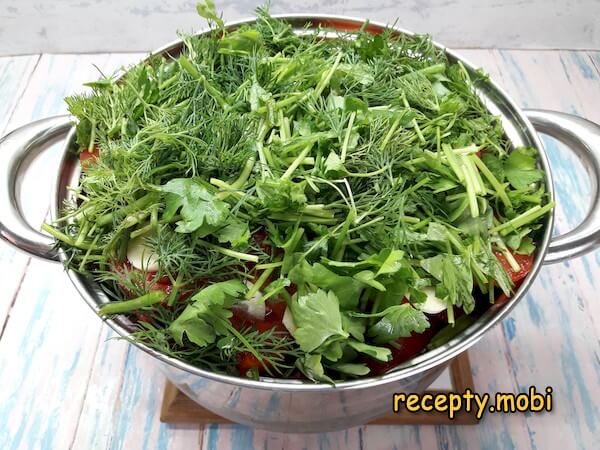
At this point it seems that the pot is already full and nothing more will fit. But you still need to arrange cabbage leaves around the edge, without even pressing down the vegetables below.
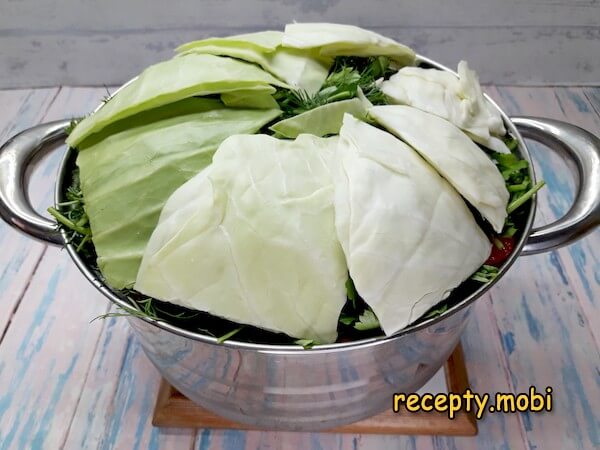
On this layer of cabbage I pile the remaining cabbage pieces in a mound. I salt them. I do not add a single drop of water – the stew will cook exclusively in its own juices.
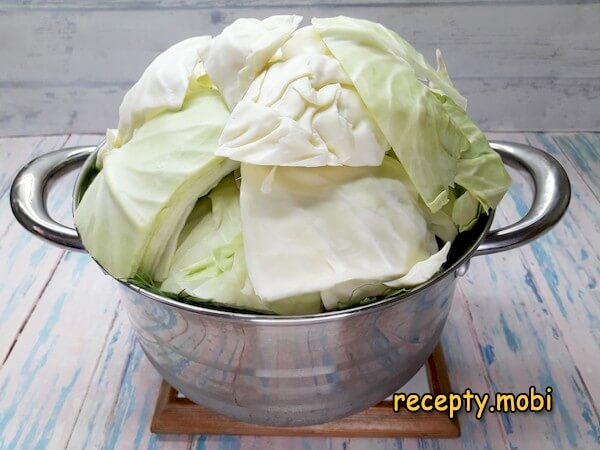
Now comes the most interesting part – the mound needs to be covered with a deep bowl of a suitable diameter, and the pot placed on medium heat.
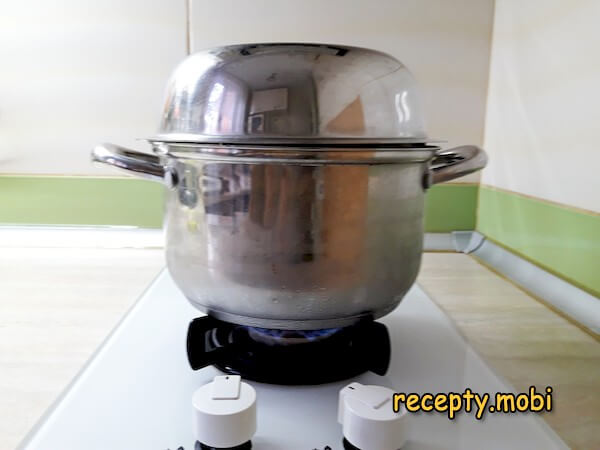
After 15 minutes the cabbage settles a little. I continue stewing, but now I turn the heat down to its lowest setting.
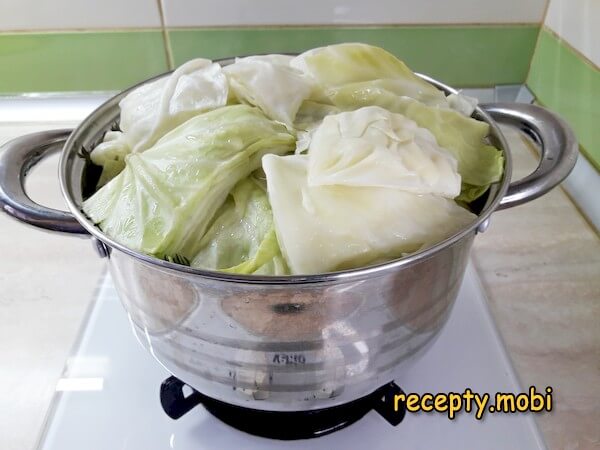
When the top layer settles down to the rim of the pot, the bowl can be replaced with an ordinary lid. I stew the dish for at least an hour and a half.
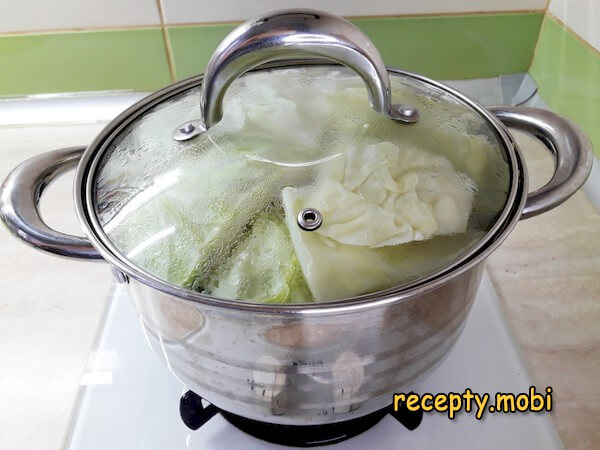
I check the dish for doneness by the cabbage – if the leaves are soft and no longer crunch, the heat can be turned off, after which I keep the stew under the lid for another 10 minutes.
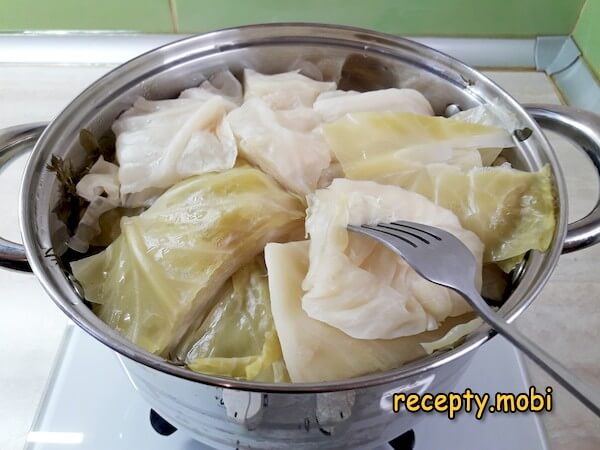
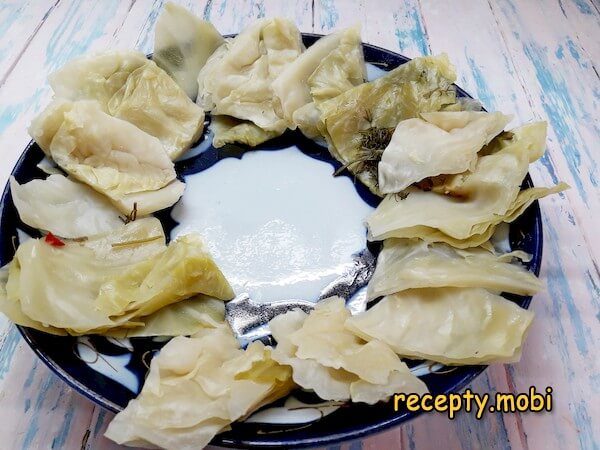
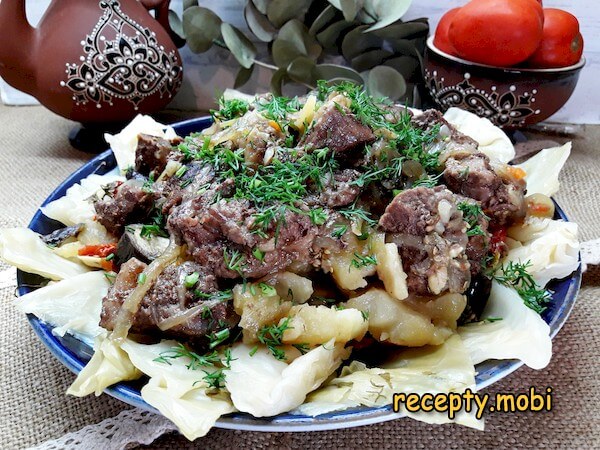
For a festive table I lay the dumlyama out on a wide dish in reverse order. First I arrange the cabbage leaves in a circle.
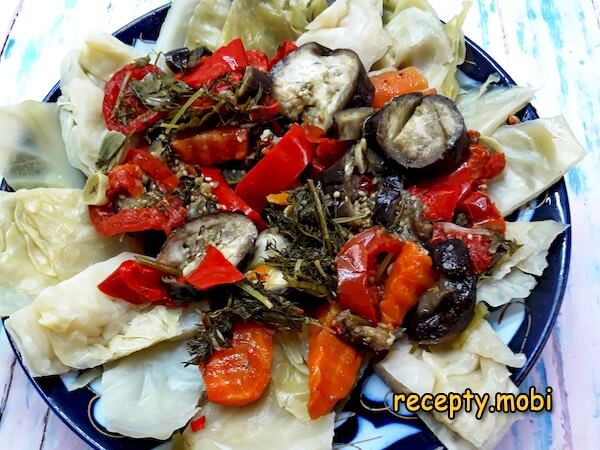
Next come the tomatoes, peppers, and eggplants.
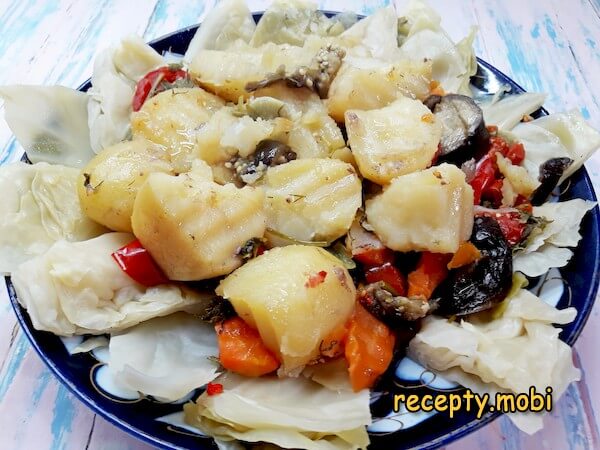
After them – the potatoes.
And right at the top – the meltingly tender meat. During the slow cooking some liquid forms, which you can pour over the layers.
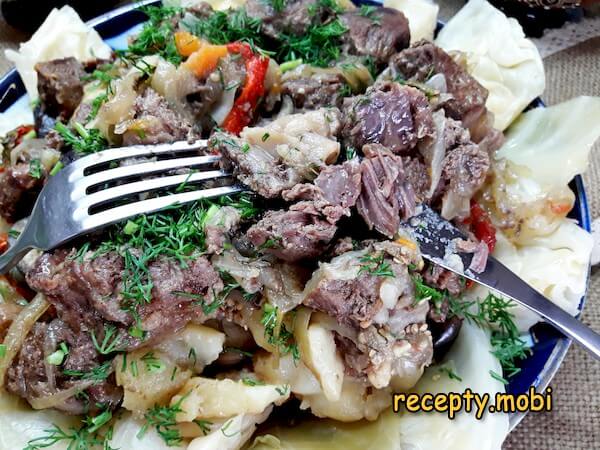
The meat has softened so much that you do not need to chew it – it simply dissolves in your mouth.On an ordinary day, for a family lunch, dumlyama in Uzbek style is stirred in the pot and served straight onto individual plates. Give it a try, and enjoy your meal!


Tips
- 1
NO WATER – the "secret" of dumlyama. The vegetables release enough juice on their own. A drop of water would dilute the concentration and the flavour.
- 2
LAYERS IN THE RIGHT ORDER – the "secret" of slow cooking. The meat goes at the bottom (closest to the heat), the delicate vegetables on top. The cabbage forms a dome.
- 3
A BOWL INSTEAD OF A LID – the "secret" of capacity. The dome lets you fit in a lot of cabbage. Later you can replace it with a lid.
- 4
1.5 HOURS ON LOW HEAT – the "secret" of tenderness. Long, slow cooking turns the meat meltingly tender. The same principle works in other kinds of Uzbek meat dishes.
FAQ
Which meat should I choose? +
Ideally, beef with some connective tissue, such as brisket or shoulder – 600 g. Alternatives are lamb, a 50/50 mix of beef and lamb, beef on the bone (which is more aromatic), or young veal (which softens more quickly). Avoid using shop-bought mince, which would spoil the idea of the dish, or chicken, which cooks too fast.
What can I use instead of cumin? +
You can use a pinch of ordinary caraway (less authentic), a mix of cumin and coriander, plain ground coriander, or a touch of curry for an "Indian" note. Avoid salted spice blends and sweet seasonings.
How long does dumlyama keep? +
In the refrigerator, in a covered pot, for 3 days; any longer and the vegetables lose their freshness. Before serving, reheat it gently over low heat for 10-15 minutes. It can be frozen in portions for up to 1 month; defrost it in the refrigerator for 8-10 hours. The dish tastes even better an hour or so after cooking, once it has had time to settle, and on the second day the flavour is deeper. Do not leave it at room temperature for longer than 4 hours, as the meat can spoil.
What do I serve dumlyama with? +
In the Uzbek tradition, with a bowl of Uzbek tea. It goes well with fresh herbs (parsley, coriander, basil), with adjika or tkemali sauce, and with lavash or warm flatbread. It is a versatile hot dish for a large gathering.
- Comment
or post as a guest
Be the first to comment.