avg —
Cabbage Rolls in the Oven with Tomato-Sour Cream Sauce

Instructions
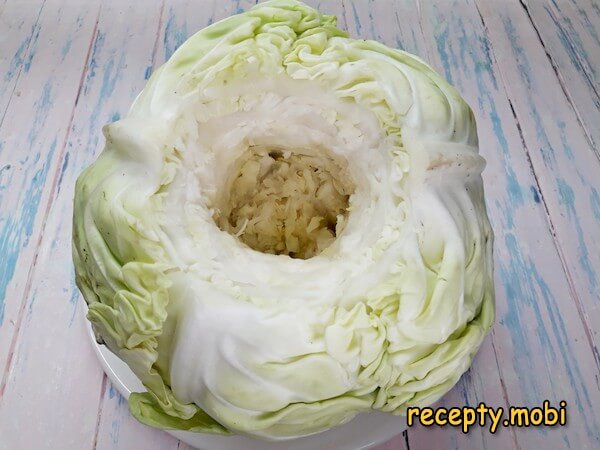
So that the cabbage leaves come off the head freely, I cut out the core, trimming around it.
I put the head base-down into boiling water.
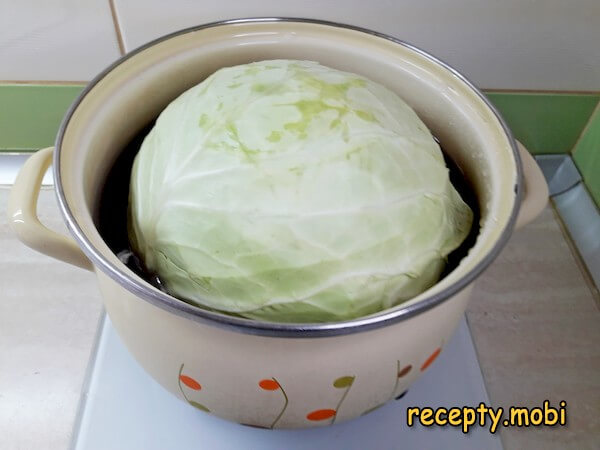
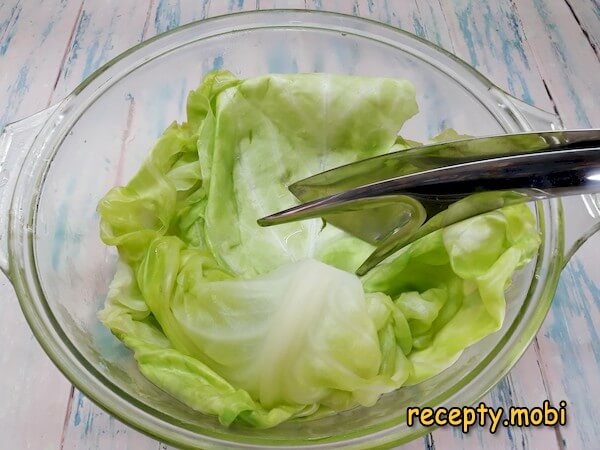
As the water boils, the outer leaves begin to curl and peel away from the centre. It is convenient to lift them off with tweezers or tongs without taking the cabbage out of the pot. This frees up access to the next leaves – so I gradually gather as many as I need, and the rest of the head can be used, for example, for stewing.
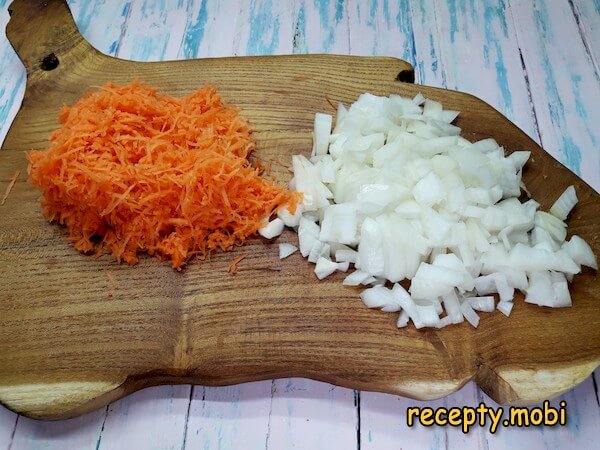
I dice the onion and grate the carrot finely.
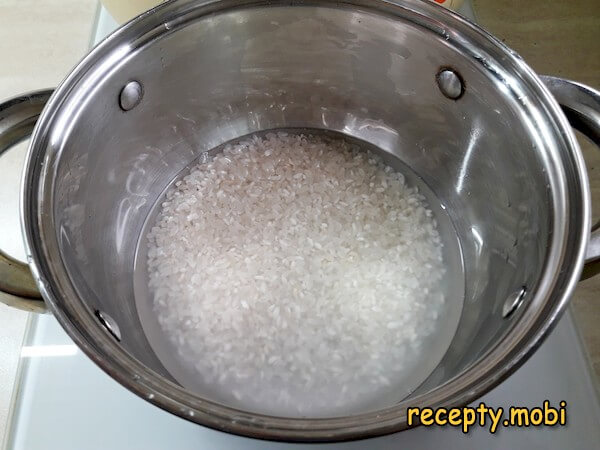
I rinse the rice and add just enough water to cover it. Once it boils, I give it a stir with a spoon so it doesn't stick to the bottom, then take it off the heat straight away and cover with a lid. This way the rice will be about 80% cooked.
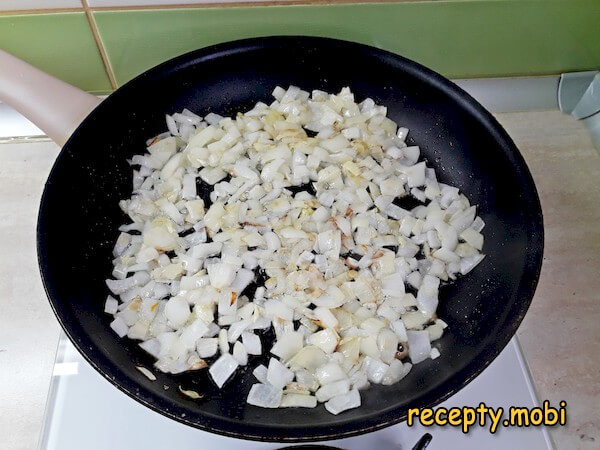
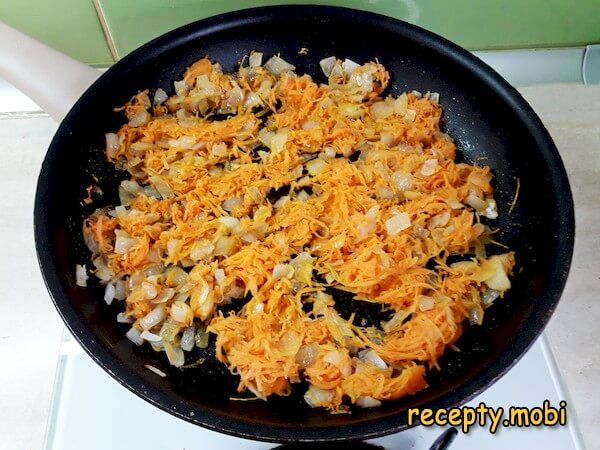
I lightly sauté the onion in oil.
I add the carrot and simply warm it through.
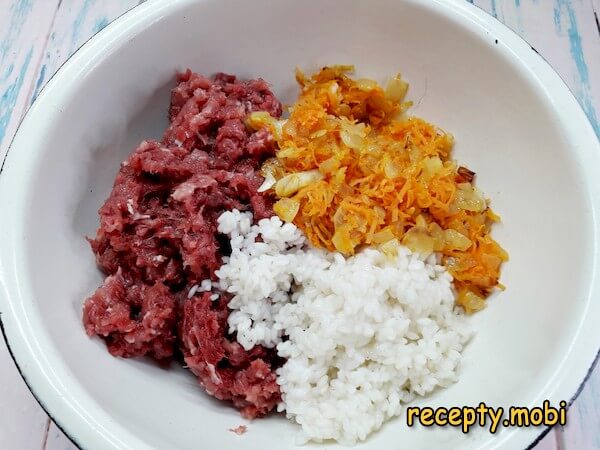
I put the beef through a meat grinder and combine it with the rice and half of the sauté. I mix it well, seasoning with salt and pepper as I go.
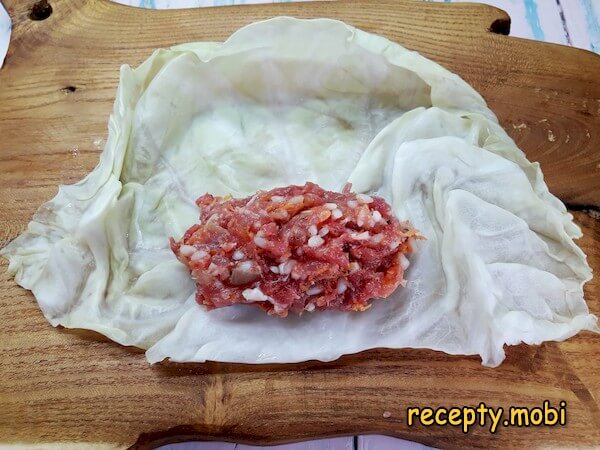
I cut off the lower part of a cabbage leaf. On the firmer side I place a full spoonful of filling.
One way to shape the rolls is to roll them up into a tube with open ends.
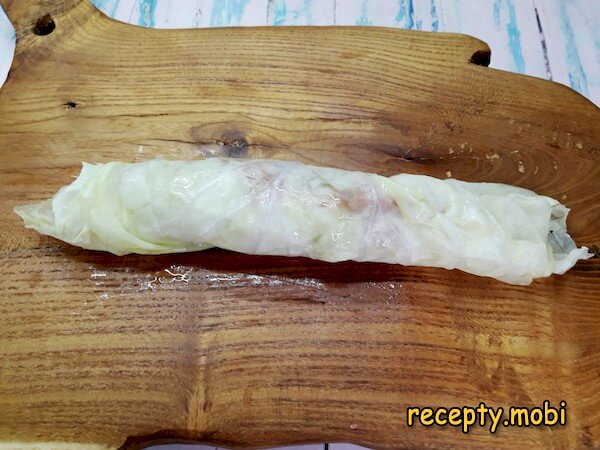
Then I tuck the ends inward.
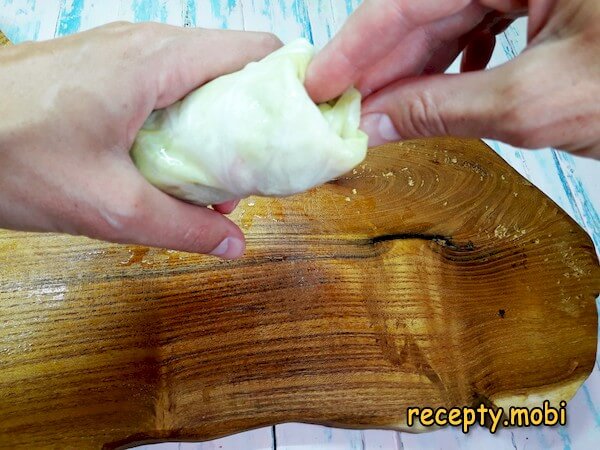
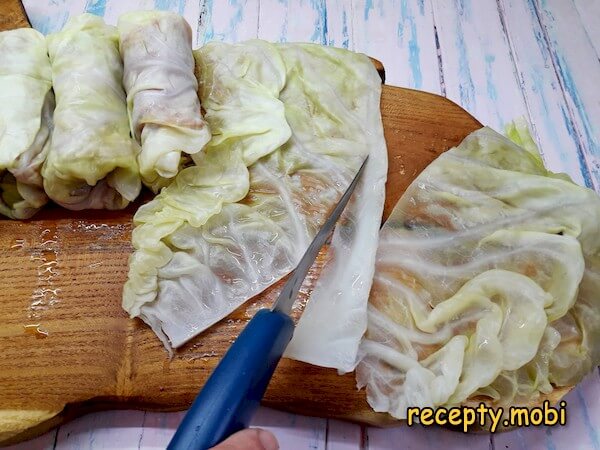
If the leaves are very large, you can cut them lengthways, working around the thick central vein.
After laying in the filling, I fold the roll like an envelope, tucking the ends in right away.

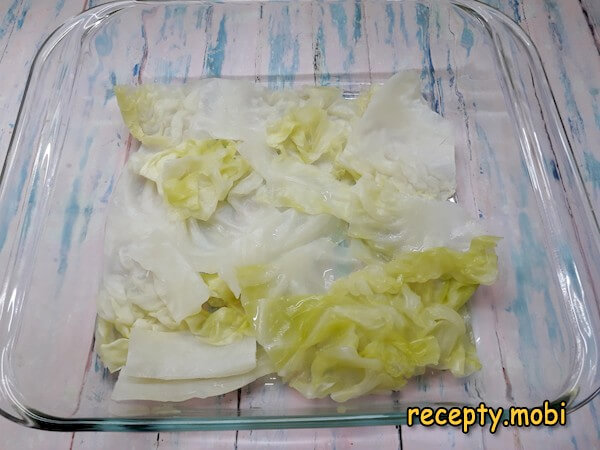
I don't throw away the cabbage leaf trimmings, but lay them on the bottom of the dish – they create a kind of vegetable cushion that protects the rolls from burning.
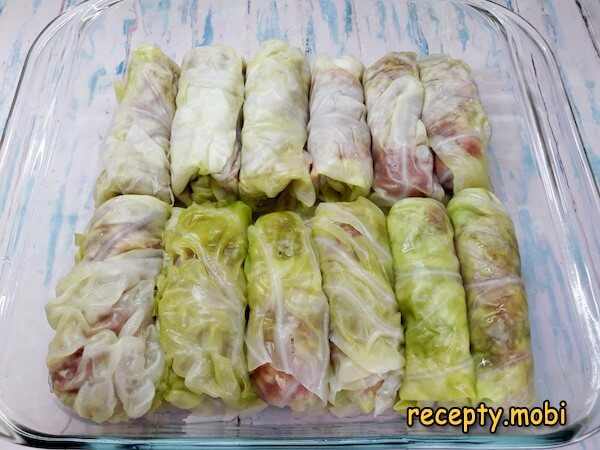
I pack the cabbage rolls tightly in a single layer.
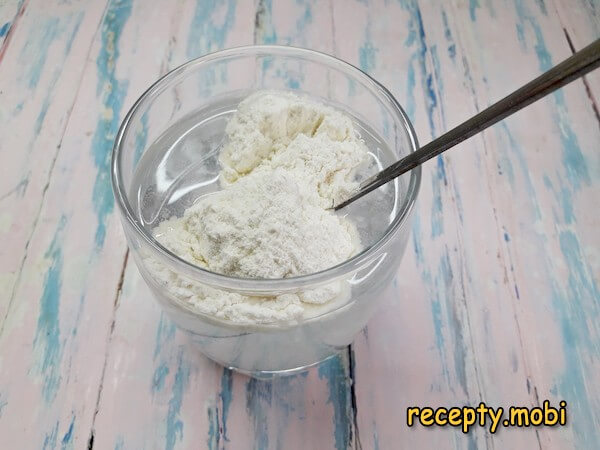
I finish making the sour cream and tomato sauce. To do this, I dissolve a teaspoon of salt and the flour in water. Because the water is salted, the flour blends in easily, without leaving lumps.
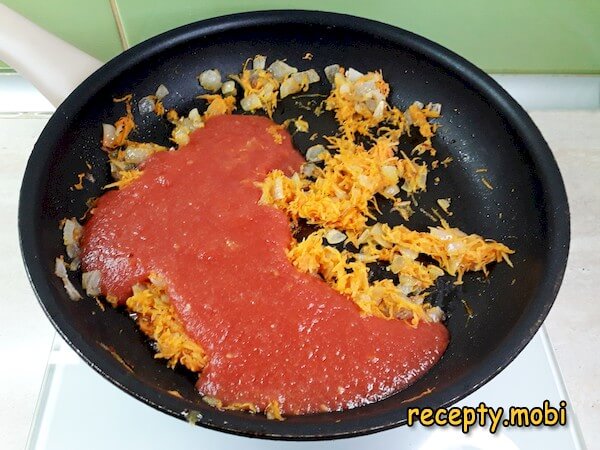
Into the remaining sauté I pour the tomato. I warm everything through.
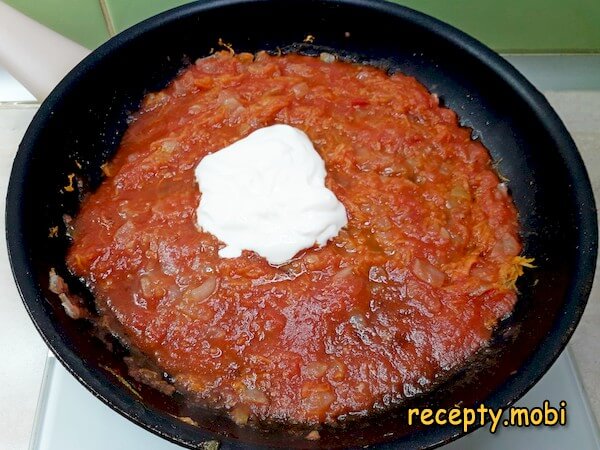
I add the sour cream.
I pour in another glass of water and bring the sauce to a boil.

I stir the flour and water once more and pour it into the pan. There is no need to add salt – there is already enough. I wait for the mixture to thicken, stirring it constantly (about 2–3 minutes).

I pour the sauce over the cabbage rolls. I cover the dish with foil, leaving small gaps for steam to escape, and put it in the oven.
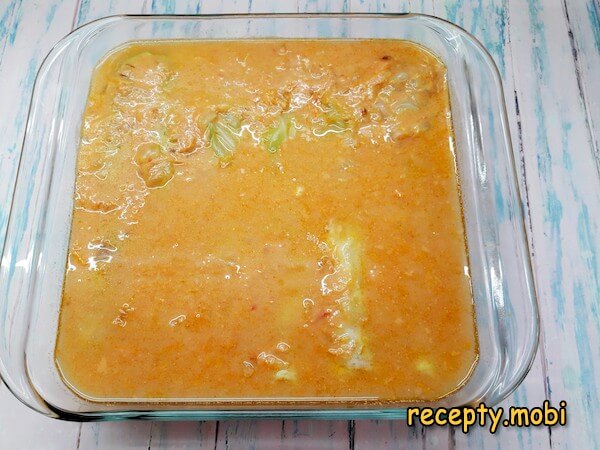
At 200 degrees without convection I let the cabbage rolls braise for 50 minutes. Then I remove the foil and brown the tops of the rolls and the sauce for another 10 minutes.So that you can quickly cook cabbage rolls in the oven with tomato-sour cream sauce at any time, the prepared rolls can be frozen and then simply baked together with the sauce.When serving, I generously top the hot cabbage rolls with sour cream.Bon appétit!



Tips
- 1
CUT OUT THE CORE – the "secret" to removing the leaves. Without removing it, the leaves cling tightly. Cut it out deeply, all the way around, and the leaves will come away on their own in the boiling water.
- 2
RICE AT 80% – the "secret" to the texture. Fully cooked rice will swell inside the filling and the roll will "burst". Half-cooked rice finishes in the oven.
- 3
TRIMMINGS ON THE BOTTOM – a "protective cushion". The rolls won't burn, and the trimmings absorb the juices and become tasty too.
- 4
FOIL WITH GAPS + 10 MIN UNCOVERED – the "secret" to proper baking. Under the foil it braises; without it, the top browns. The same principle works with other kinds of cabbage rolls in sauce.
FAQ
How do I choose the cabbage? +
Ideally, young cabbage with thin, tender leaves (as in the recipe). Alternatives: Chinese cabbage (for "Chinese" rolls) or savoy cabbage (a premium option, with tender lacy leaves); Brussels sprouts won't do. Seed brands such as Gavrish, Poisk and Aelita are good quality. Fresh cabbage is firm, with no limp edges. A head of 1–1.5 kg is best for 12 rolls. Thick veins can be trimmed off or flattened with a mallet so they are more pliable. Young cabbage should be boiled for 5–7 minutes, older cabbage for 10–15 minutes. For a "lenten" version, leave out the meat and use mushrooms and rice. For a vegetarian version, use buckwheat and vegetables.
What can replace the beef? +
Alternatives: pork (fattier, juicier), a 50/50 mix of pork and beef (the classic), chicken (lighter and more tender), turkey (for a "children's" version) or lamb (an Eastern note). The brands Miratorg, Velikoluksky and Zarechye are reliable. Fresh or chilled meat is better than frozen. Mince it with a coarse grinder plate. Don't use: offal-based products (they change the character) or sausage-meat mince (it upsets the balance). For "premium" rolls, use marbled beef. For a "diet" version, use chicken breast plus sour cream for juiciness. A filling-to-rice ratio of 6:1 is best.
How long do the cabbage rolls keep? +
In the fridge, in the dish under foil, for 3 days. Reheating in the oven for 10–15 minutes at 150°C brings back the aroma and juiciness. In the microwave, reheat portions for 2–3 minutes under a lid. On the second day the dish "matures" and the flavour becomes richer. Shaped raw rolls keep in the freezer for up to 3 months (on the author's advice). Freeze them spread out on a board, then transfer to a bag. Cook them straight from frozen – into the oven with the sauce, without thawing, adding 10–15 minutes to the time. Don't leave them at room temperature for longer than 2 hours. They are ideal as a "family stockpile" – make a double batch.
What to serve the cabbage rolls with? +
The Russian classic: with sour cream (thick, and on the author's advice, plenty of it). With fresh herbs (dill, parsley). With black or rye bread. With a glass of cold vodka for a "Russian" serving. With herbal tea for a warming meal. For a "family lunch", with a fresh vegetable salad or sauerkraut. For a picnic, cooled in foil. With a cup of tomato juice. With borscht or shchi as a main course. The sauce-gravy from the dish is a must (a "bonus" when serving). Also: mustard, horseradish, adjika. For a "children's" version, leave out anything spicy. A universal dish for a family lunch.
- Comment
or post as a guest
Be the first to comment.