avg —
Duck in the oven soft and juicy with oranges in foil

Instructions
I prepare the necessary ingredients. I choose a chilled duck, not a frozen one – it keeps the texture and flavour of the meat better. A size of 2 kg is ideal for a family festive dinner.
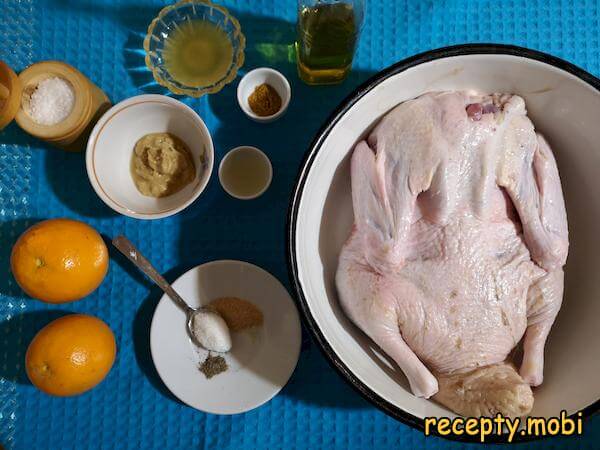
I prepare the marinade: in a separate bowl I combine the mustard, honey, lemon juice, olive oil, curry, dried garlic, pepper mix and salt to taste. I mix all the components into a smooth, thick mass.

I rub the duck thoroughly with the marinade – both inside and out. I cover it with cling film, place it in the refrigerator and leave it to marinate for 6–8 hours, or better overnight. During this time the spices penetrate deep into the meat and the duck takes on its characteristic aroma.
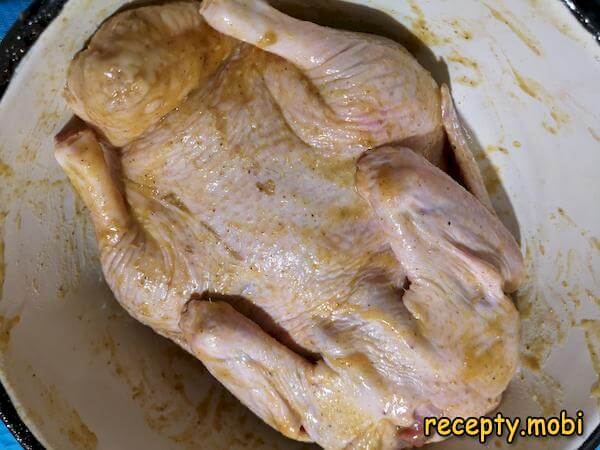
When the duck has marinated, I cut the oranges into wedges and turn on the oven to heat up. The oranges are the "secret" to juiciness and aroma: they release juice while roasting and soak into the meat from the inside.
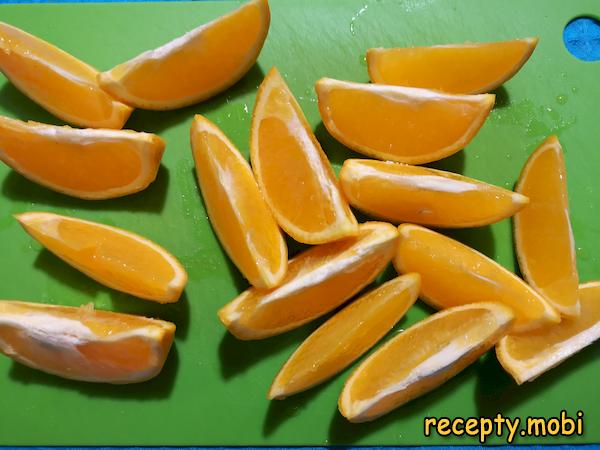
I stuff the duck with the oranges and transfer it to a baking tray. The oranges inside the bird create a "steam" environment – the meat roasts and braises at the same time, turning out especially juicy.
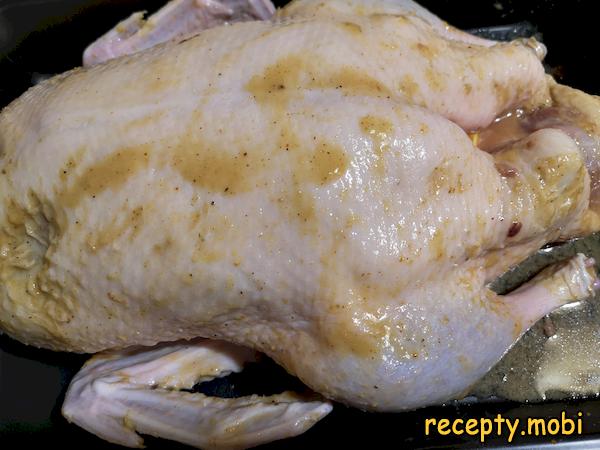
I cover it with a layer of foil. The foil prevents the duck from drying out during the long roasting – it is a "greenhouse" effect inside.
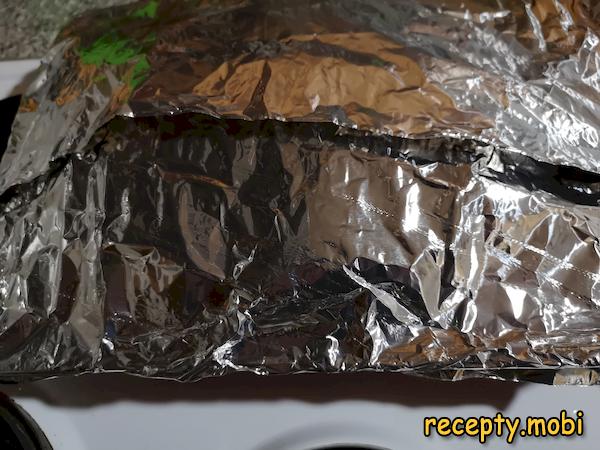
When the oven has heated up, I put the duck in and cook it for 80 minutes at 180 °C. This is a standard temperature for a large bird – not too high, so the outside does not burn while the centre is still raw.
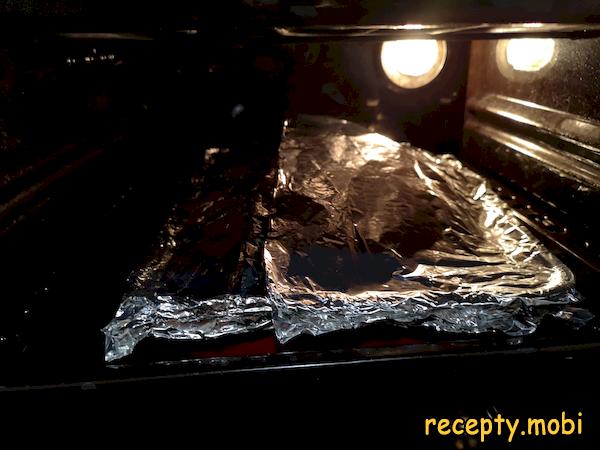
After 80 minutes I take the dish out and remove the foil. To give the duck a lovely roasted finish, I brush it with the fat that has formed during roasting. I wrap the wings in foil (they are thinner than the rest of the meat and can burn). I return it to the oven for 10 minutes – for a final golden crust.
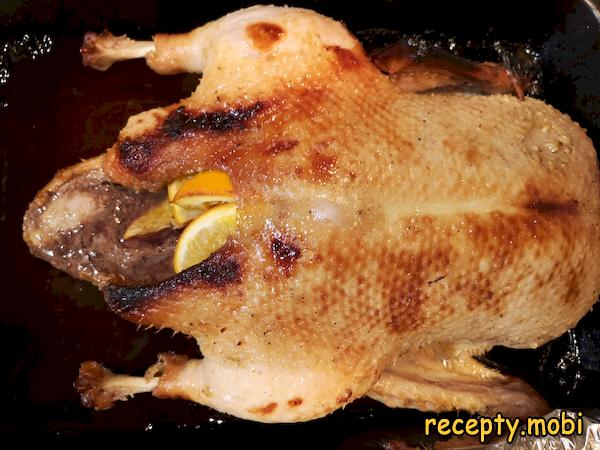
I check the bird for doneness by piercing it with a toothpick. If the juice runs clear with no traces of blood, the dish is ready. I take the duck out of the oven and remove the foil from the wings.
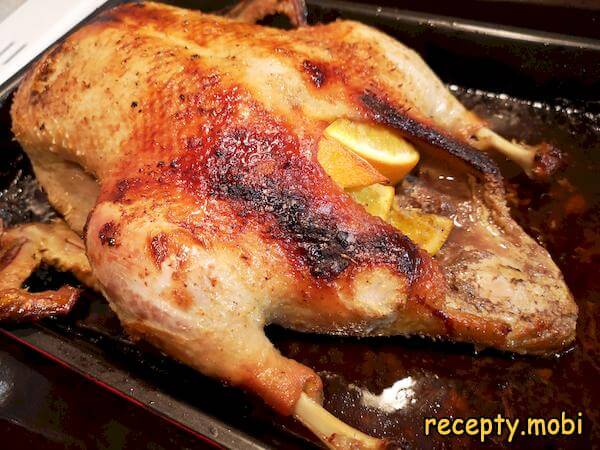
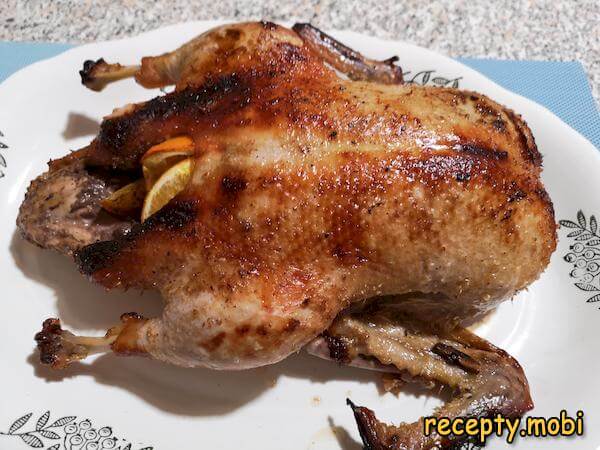
I transfer the duck to a nice dish and serve it at the table. I garnish it with fresh orange wedges and a sprig of rosemary for presentation. The soft and juicy duck is ready!


Tips
- 1
Marinate the duck for AT LEAST 8 hours, ideally overnight – this is the "secret" to tender, aromatic meat. A short marinating time (1–2 hours) will not give a deep flavour.
- 2
The oranges INSIDE the bird are the key to juiciness: they release juice as they heat and soak into the meat "from within".
- 3
Wrap the wings in foil at the final stage – they are thin and burn quickly at the overall temperature. I use a similar principle in other poultry dishes.
- 4
The fat released during roasting is the "gold" of this recipe. Baste the duck with it before the final browning – this gives a glossy brown crust.
Video
FAQ
How do I choose a good duck for roasting? +
A chilled young duck weighing 1.8–2.5 kg is ideal (as in the recipe). Signs of quality: firm skin without dents, dense meat (not "loose"), a pleasant "fresh" smell with no sour note, and cream-coloured or pale-yellow skin without bruises. A frozen duck will also do, but defrost it only in the refrigerator for 12–15 hours – quick thawing in water spoils the structure. A large old duck (3+ kg) takes a long time to cook and is less tender. A young one is best.
What can I use instead of oranges in the filling? +
Oranges are a classic for duck thanks to their characteristic tartness and aroma. Alternatives: mandarins (a gentler option), Antonovka apples (a classic Russian recipe), quince (a refined option), pears, pineapple (a tropical note), prunes + dried apricots (dried fruit for a "winter" version), or sauerkraut (a Russian-German tradition). Each filling gives its own character: oranges – a bright aroma, apples – a "grandma's" flavour, prunes – a spicy "New Year" note. The main thing is a sour or fruity base to "cut through" the richness of the duck.
How do I know when the duck is done? +
The main test is to pierce the meat with a toothpick or knife in the thickest part (the thigh). A cooked duck releases clear juice with no pink tinge. If the juice is pink, cook it for another 15–20 minutes in the oven. With a cooking thermometer: the temperature in the thigh should be 74–77 °C. The crust should be golden-brown all over. For a 2-kilogram duck the time is on average 80–90 minutes under foil + 10–15 minutes without it. Larger ducks take longer, smaller ones less.
How long does roasted duck keep? +
In the refrigerator – 3–4 days in a sealed container. Reheat it in the oven at 150 °C under foil for 10–15 minutes, adding 1–2 tbsp of water or broth to the bottom of the tray – this keeps the meat from drying out. In the microwave the duck turns "rubbery". You can freeze it in portions for 1–2 months – before serving, defrost in the refrigerator for 8–10 hours. The leftovers make an excellent salad with oranges, or a pâté for a hot sandwich. Save the duck fat – it is invaluable for frying potatoes.
- Comment
or post as a guest
Be the first to comment.