avg —
Shavlya Uzbek Style

Instructions
Gather the products for Uzbek-style shavlya.
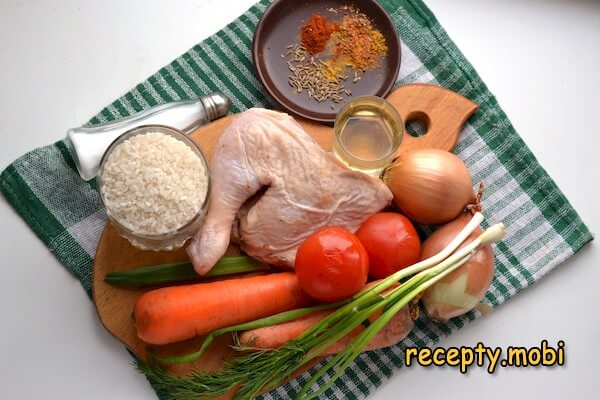
Soak the rice in a bowl of cool water so it cooks faster.
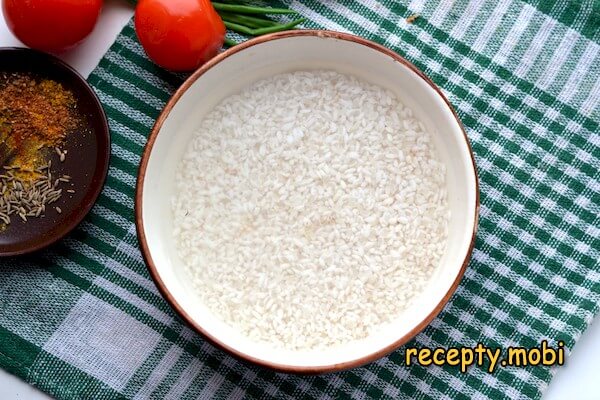
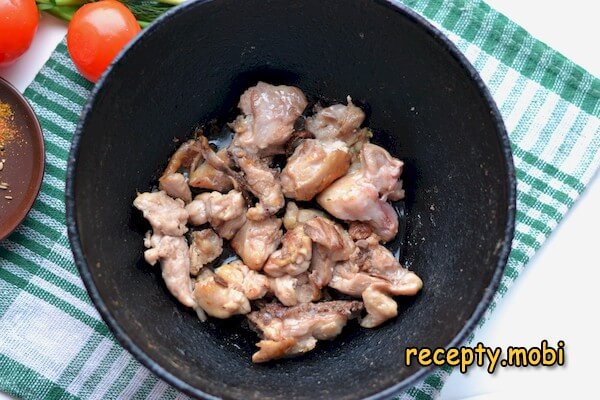
Take the meat off the bone and cut it into pieces. As the first ingredient, drop the meat into the cauldron with hot oil and fry, stirring, until it is browned on all sides.
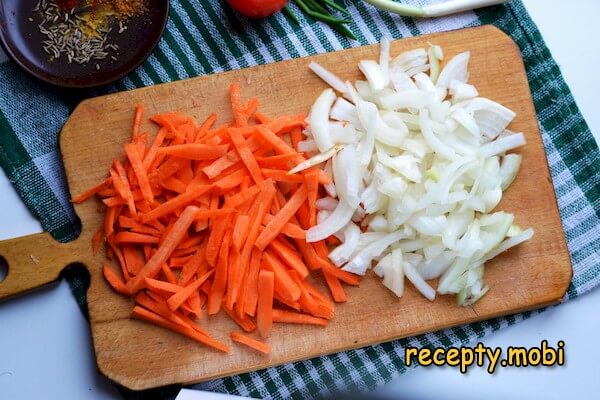
Peel the onions and cut them into thin half-rings. Peel the carrots and cut them into long strips.
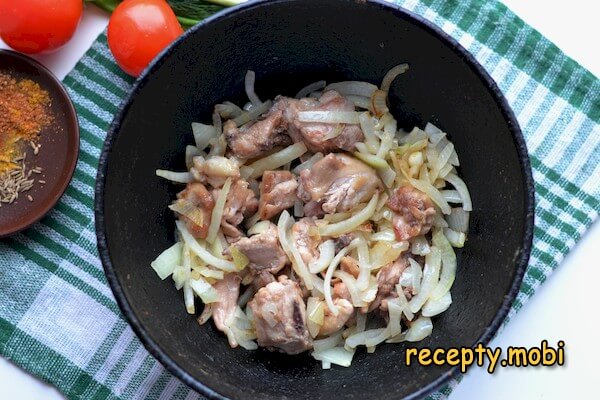
Add the sliced onion to the cauldron and fry until translucent.
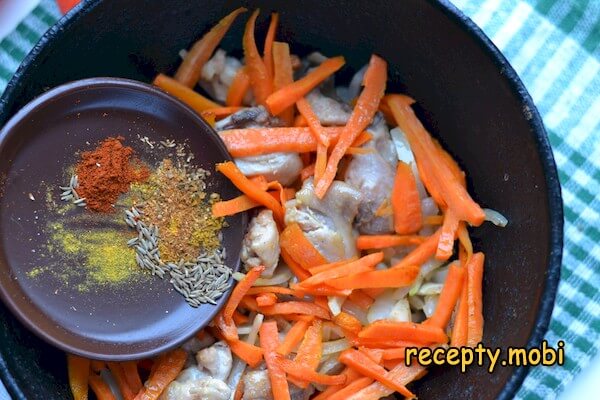
Add the carrot strips and all the spices to the cauldron.
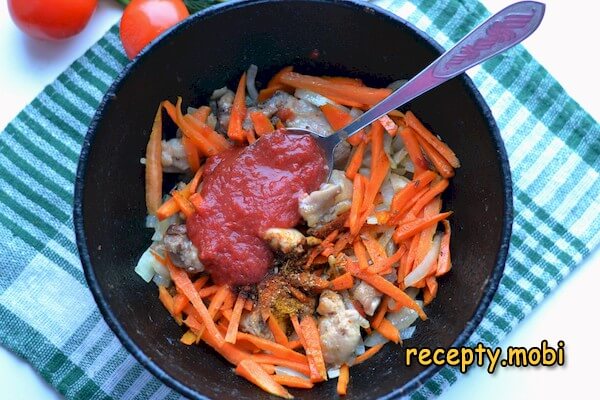
Press the tomatoes through a sieve, then add the tomato pulp to the vegetables and stir.
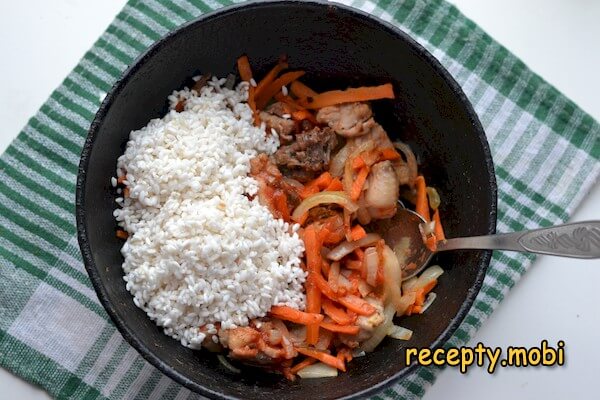
Rinse the rice and add it to the cauldron.
Keep it over the heat, stirring, until the rice turns translucent.

Carefully pour the water into the cauldron. Bring it to a boil, then reduce the heat to the minimum. Cover the cauldron with a lid and cook the shavlya for 20-30 minutes, until the rice has absorbed all the liquid.
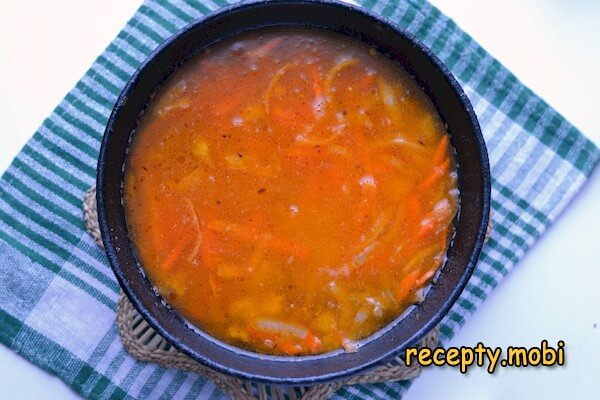
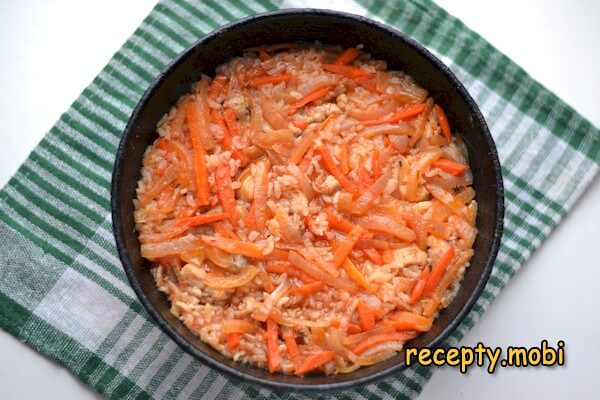
The Uzbek-style shavlya is ready.Spoon it onto a plate and serve.Bon appétit!


Tips
- 1
ROUND-GRAIN RICE is the base of shavlya. Long-grain rice (basmati) is more suited to pilaf. Round rice gives the porridge-like consistency.
- 2
SOAK THE RICE so it cooks faster and absorbs the aroma of the spices.
- 3
TOMATOES THROUGH A SIEVE for a smooth texture without the skins. This is an Uzbek technique.
- 4
2.5 CUPS OF WATER per 1 cup of rice is the right ratio for shavlya. For pilaf you use less. The same principle works in other Uzbek rice dishes.
FAQ
How is shavlya different from pilaf? +
The main difference is the amount of liquid. Pilaf: the rice absorbs all the liquid and stays crumbly, with each grain separate. Shavlya: more water, so the rice is more viscous and closer to a porridge. The cooking method is similar, but shavlya is simpler, since you do not have to follow the strict proportions and technique of pilaf. Shavlya is traditionally served as a morning or family meal, while pilaf is for holidays and celebrations. Shavlya is also quicker to cook (50 minutes against 1.5-2 hours for pilaf). Round rice suits shavlya, while pilaf uses long-grain "devzira" or basmati. In taste, shavlya is less fatty and lighter.
Which meat should I choose? +
The classic choice is lamb (authentic Uzbek cuisine). Alternatives are beef (more broth-like), chicken (light and quick), turkey (tender), or a 50/50 mix of lamb and beef. This recipe uses 350 g of chicken: chicken breast with thigh, or simply thigh (juicier). For a "premium" shavlya, use tail fat and lamb (authentic). Pork is not "by the book" (Uzbekistan is a Muslim country), but you can use it for a home experiment. The pieces should be medium, about 2-3 cm. Be sure to fry the meat until it has a crust – this seals in the juices and gives the dish its flavour.
How long does shavlya keep? +
In the fridge in a closed container, for 3 days. On the second day the flavour is brighter, as the rice has had time to settle. When reheated it may be a little dry – add 100 ml of water. In the microwave, 4-5 minutes. In the freezer, up to 1 month; thaw it in the fridge for 8-12 hours. After thawing the rice may become slightly grainier – this is normal. Cook it for 2-3 meals – a hearty lunch for several days. To freshen it up when reheating, sprinkle it with fresh greens (coriander, parsley). Do not leave it at room temperature for longer than 2 hours.
What to serve with shavlya? +
The Uzbek classics: marinated onion (thin rings + vinegar + sugar) and fermented milk drinks (matsoni, katyk, ayran). With Uzbek "patyr" flatbreads or lavash. With green tea, which balances the richness. With spicy adjika for those who like heat. With fresh vegetables (tomatoes, cucumbers, peppers) for a summer serving. With greens (coriander, parsley, spring onion) – a must. For a full "dastarkhan", with "achik-chuchuk" salad. In national ceramic dishware – authentic. With Russian kompot or pomegranate juice for a homely serving. Portions of 200-250 g – shavlya is filling.
- Comment
or post as a guest
Be the first to comment.