avg —
Jewish-style Chicken with Onions and Soda

Instructions
Prepare the ingredients from the list.
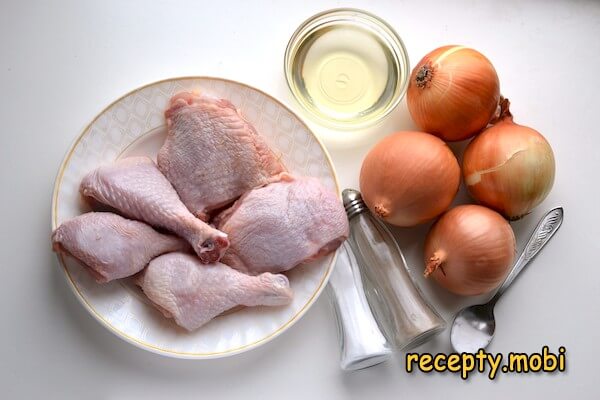
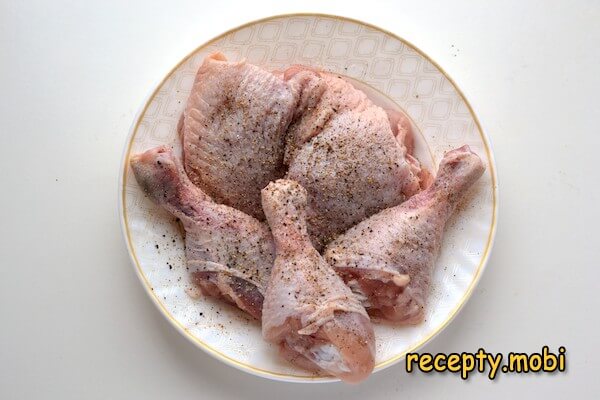
To make Jewish-style chicken in onion sauce, cut the chicken into large pieces. It is convenient to use chicken legs that are already cut at the joint into 2 parts. Sprinkle the chicken pieces with salt and ground black pepper.
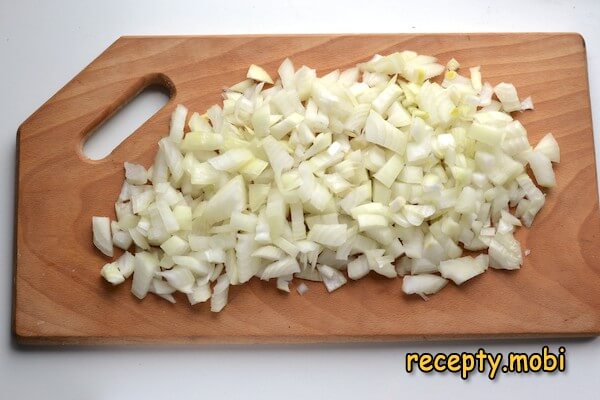
For the onion sauce it is better to use large onions – they are juicier than small ones. Peel the onions, rinse them and cut them into large cubes.
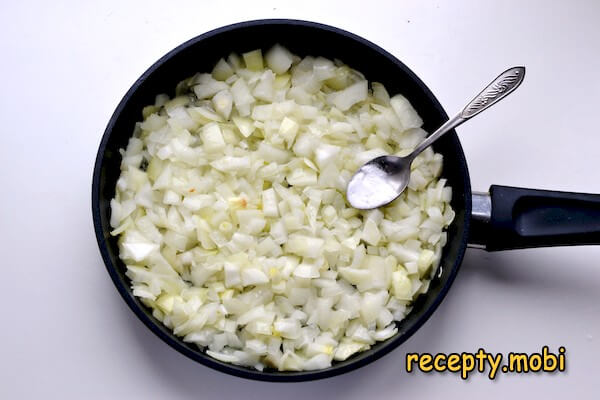
Pour the refined vegetable oil into a skillet, heat it and add the onions. Stir the onions, add the baking soda and stir again.
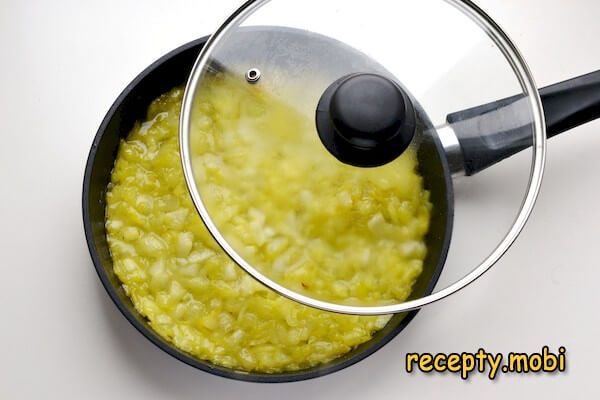
Lower the heat (to just below medium) and cover the skillet with a lid. Stirring occasionally, let the onions stew for about 7–10 minutes. The onions stewed with soda release plenty of juice and take on a yellow colour.
Add the chicken pieces to the onions in the skillet and stir. Cover with the lid and stew over the lowest heat for 20 minutes.
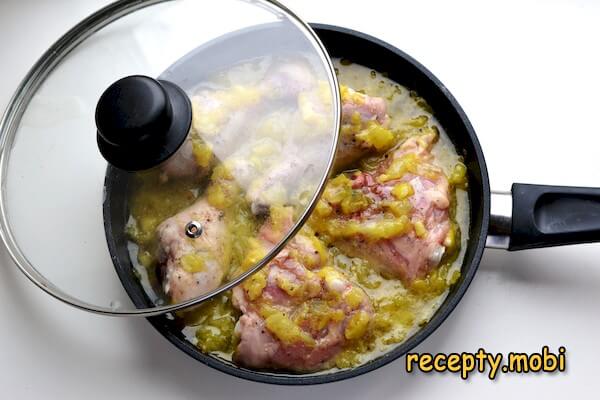
When the time is up, stir and turn the chicken pieces over to the other side. Stew the chicken in the onion sauce for another 20 minutes.
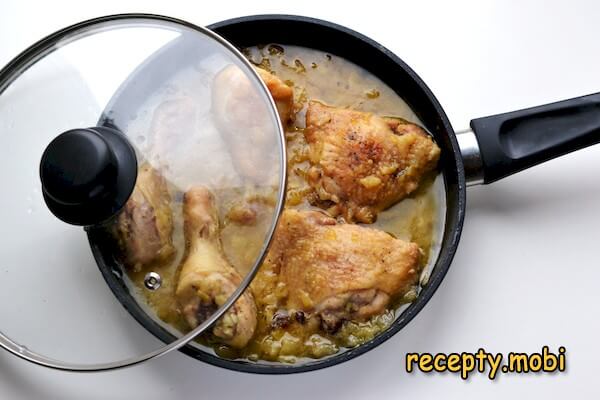
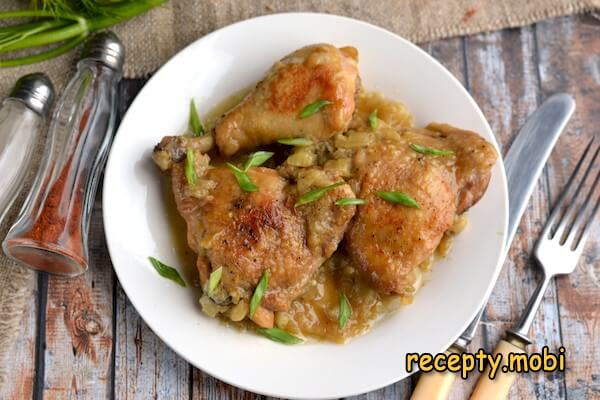
The Jewish-style chicken with onions and baking soda is ready. The result is tender, juicy chicken meat and plenty of appetising amber-coloured sauce-juice. You can spoon this sauce over any side dish served with the chicken.
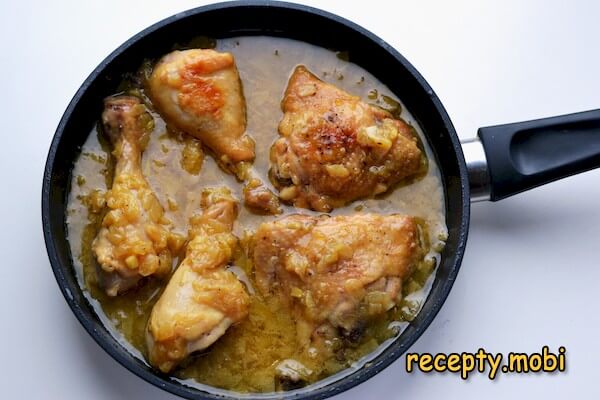
Serve hot. Bon appétit!


Tips
- 1
LEVEL BAKING SODA – strictly 0.5 tsp. More, and the taste turns "soapy"; less, and you won't get the "marmalade effect" of the onion.
- 2
TWICE AS MUCH ONION AS CHICKEN – this is the recipe's "secret". For 600 g of chicken, exactly 500 g of onion. Less, and you won't get a sauce.
- 3
LEGS AT THE JOINT are convenient. If cutting them yourself, do it neatly along the join between the drumstick and the thigh. You can use any bone-in pieces.
- 4
THE LOWEST HEAT AFTER THE ONION is the key to tenderness. On high heat the meat will "fry"; on the lowest heat it will "stew" in the sauce. The same principle works for other kinds of stewed chicken.
FAQ
Which parts of the chicken should I choose? +
Ideally, legs (drumstick + thigh, juicy). Alternatives: boneless chicken thighs (cook faster), drumsticks (tender), bone-in breast (lean, but drier). Boneless cooks faster (30 minutes instead of 40). Bone-in is richer (recommended). Fresh chicken is firm, with no grey film, and pink in colour. Defrost frozen chicken in the fridge for 12–24 hours. A whole chicken can be cut into 8–10 pieces. Less suitable: chicken fillet is dry (no fat), and chicken wings have little meat. Use breast only if you want a leaner version.
Why add baking soda? +
Soda is the "secret" of Jewish cuisine. It softens the proteins and fibres, so the meat becomes marmalade-tender. Under the action of the soda the onion breaks down into a purée more quickly, forming the sauce. In the finished dish the soda fully "breaks down" during stewing, so no "soapy" taste is noticeable. Alternatives: 1 tbsp lemon juice (adds a little tang, but not the same effect) or 1 tsp vinegar (a specific taste). Without soda the dish will still turn out, but the onion will be "firm" rather than "marmalade-like". Don't confuse it with baking powder – that won't work. Use food-grade baking soda, not caustic soda (the latter is toxic). Keep to the proportion strictly – 0.5 tsp per 500 g of onion. For a "children's" version, leave out the soda (with long stewing of 1.5–2 hours).
How long does the chicken keep? +
In the fridge, in a container with a lid – 3 days. Reheat in the microwave for 2–3 minutes, or in a skillet with 1 tbsp of water under a lid for 5 minutes. On the second day the dish "settles" and the flavour becomes richer. In the freezer, up to 1 month (in portions with sauce). Defrost in the fridge for 8–12 hours, or reheat straight away over low heat. Do not leave it at room temperature for longer than 2 hours – meat in sauce spoils. The sauce will thicken in the fridge – this is normal, and it becomes liquid again when heated. For a "packed lunch", pack it with a side dish in a container.
What to serve the chicken with? +
Side dishes: mashed potatoes (a classic – it soaks up the sauce), boiled rice, buckwheat, millet, couscous. Vegetables: steamed broccoli, cauliflower, stewed carrots. A fresh salad: cucumber + tomato + herbs for "freshness". With flatbreads or bread, to mop up the sauce. For a "family dinner", with mashed potatoes and pickled cucumbers. For a "Jewish feast", with matzo. With a glass of red semi-sweet or dry white wine. With a cup of herbal tea, for a warming supper. The sauce is especially good on the second day – marinate potatoes in it before roasting. A versatile dish for winter dinners.
- Comment
or post as a guest
Be the first to comment.