avg —
Chicken Legs in a Skillet with Gravy

Instructions
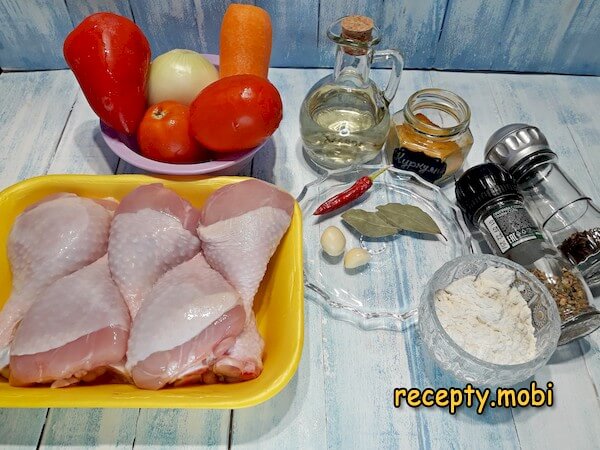
I prepare the ingredients for the chicken legs in a skillet with gravy. You can adjust the amount of hot pepper to taste: half a pod gives moderate heat, a whole pod a fierce, fiery gravy.
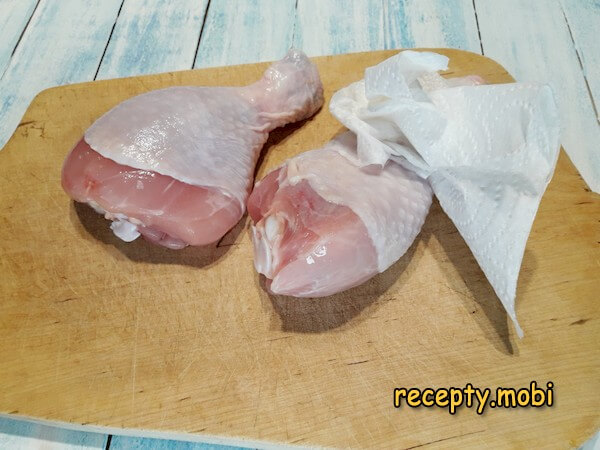
I wash the chicken drumsticks and pat them dry with paper towels – wet meat browns poorly and does not form a crust.
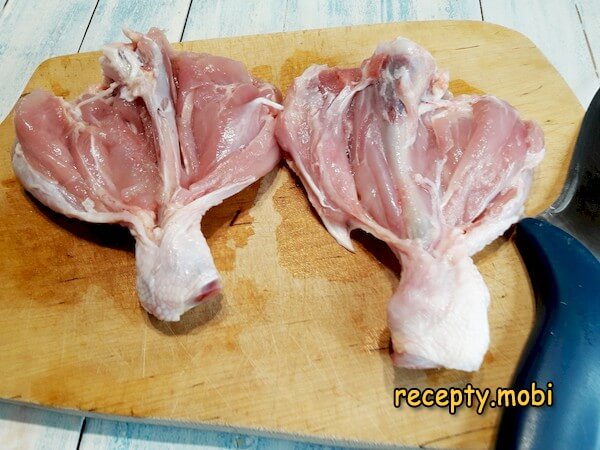
To make sure the drumsticks cook through and are not raw inside, I flatten them: with a sharp knife I cut the meat along the bone, then cut the tendons so the meat slides down easily. A flattened drumstick is thinner and cooks through evenly in the same amount of time.
I season the prepared drumsticks on both sides with pepper, salt, and turmeric – turmeric gives a characteristic yellow colour and a light, spicy aroma. I set them aside for now to marinate in the spices.

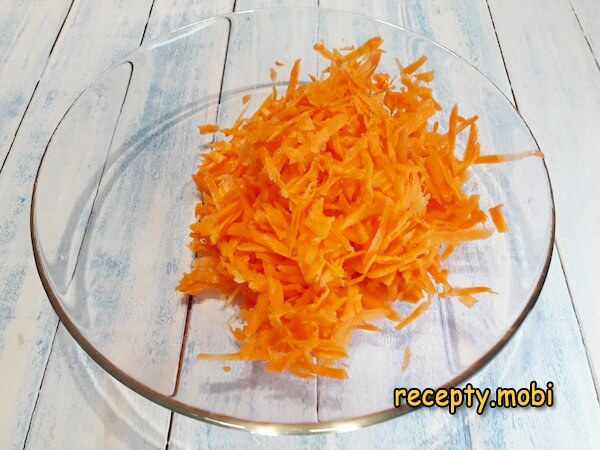
Now for the vegetable gravy. I coarsely grate the carrot – a fine shred would turn to mush during stewing.
I cut the onion into a medium dice – a fine cut caramelises and over-sweetens the sauce, while a coarse one stays firm.
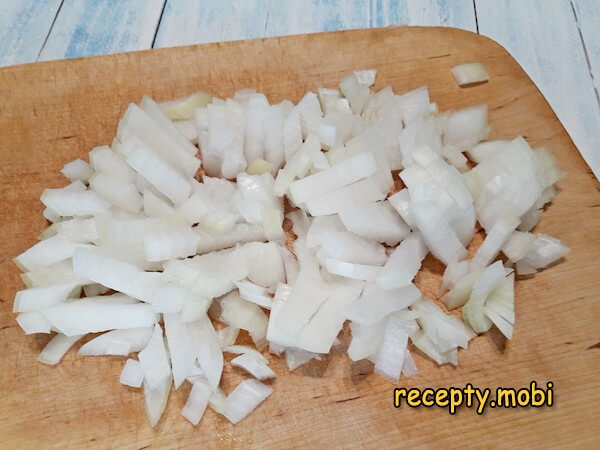
I free the bell pepper of its seed pod and cut it like the onion. I finely chop the hot pepper with the seeds removed – without the seeds the heat is moderate, with them it is sharp.
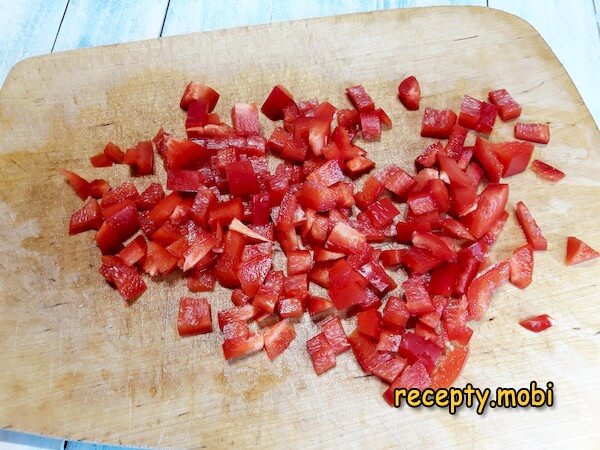
I chop the tomatoes with a knife – small dice dissolves into the gravy and gives the sauce its tomato base.
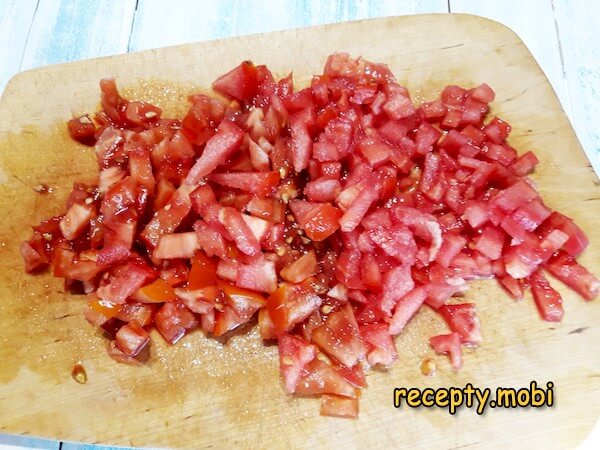
In heated oil, I fry the onion until it just begins to turn golden – deep frying brings bitterness, while gentle frying gives a slightly sweet base.
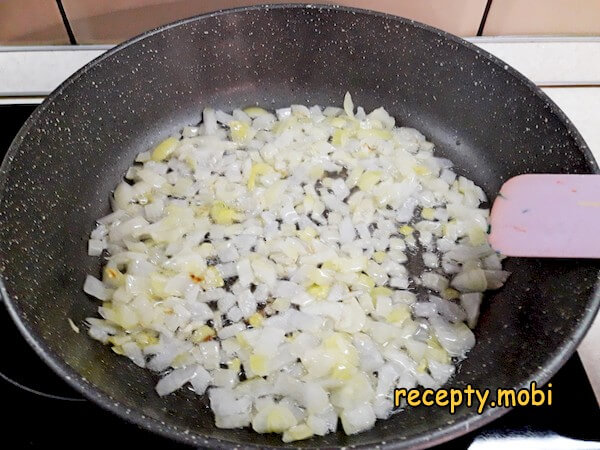
To it I add the carrot and both kinds of pepper – cooking the vegetables together brings them to softness faster and lets them share their flavours.
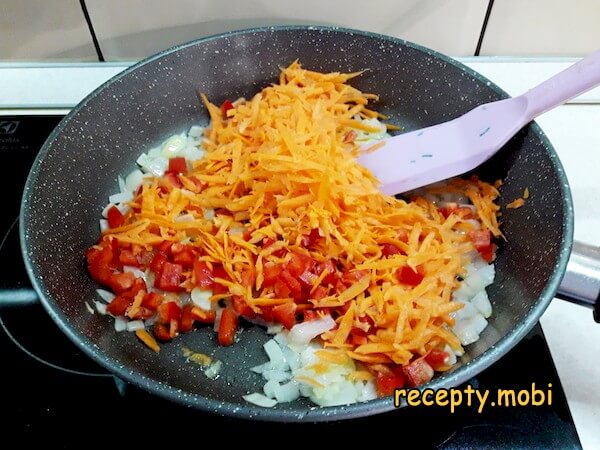
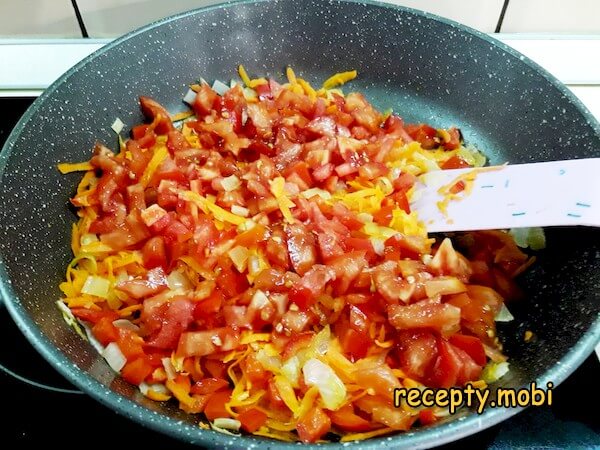
After 2 minutes, I add the diced tomatoes. I stew everything for another 2 minutes – the tomatoes release juice, and the vegetables begin to stew rather than fry.
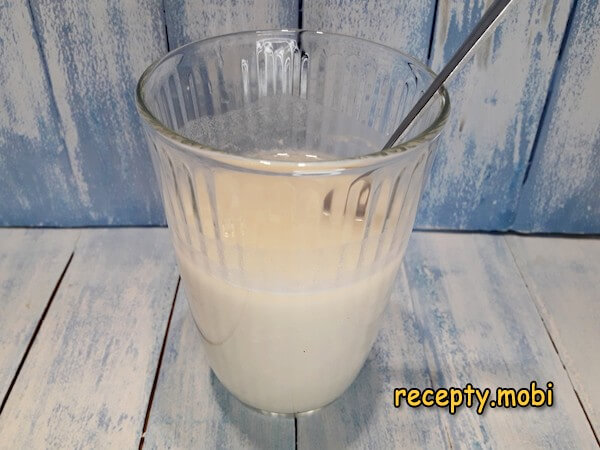
Meanwhile I make the thickener, mixing the flour first with a little water, and once all the lumps are broken up, adding the rest of the water. Add all the water at once and the flour clumps into lumps that cannot be broken up afterwards.
I pour the flour thickener into the gravy, season with salt, and stir. I simmer it for a couple of minutes over low heat – the flour needs to cook, or the gravy will have a raw, floury taste.
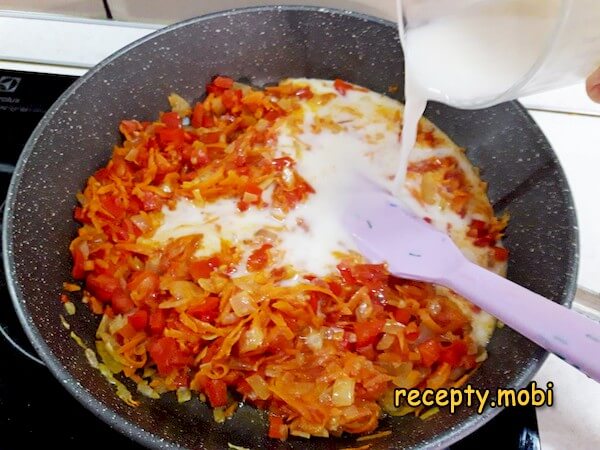
The gravy should be moderately thick – thick enough to coat the drumsticks while still forming a sauce for the side dish. If it is too thick, I add a little more water.
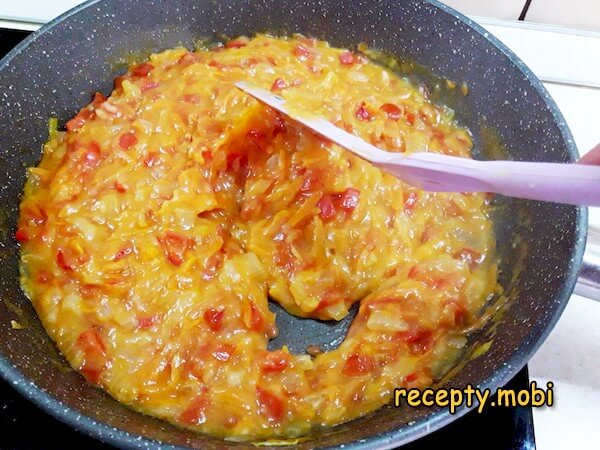
In a separate skillet I heat oil and lay in the drumsticks – a separate skillet is exactly what is needed so the crust forms from direct contact with the hot oil rather than with the vegetable sauce.
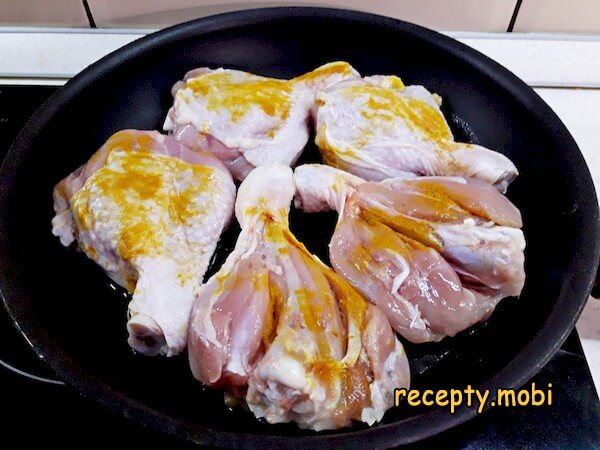
I fry them on both sides until golden, about 5-7 minutes a side. The crust seals the meat juices inside, so the drumsticks stay juicy during the later stewing.
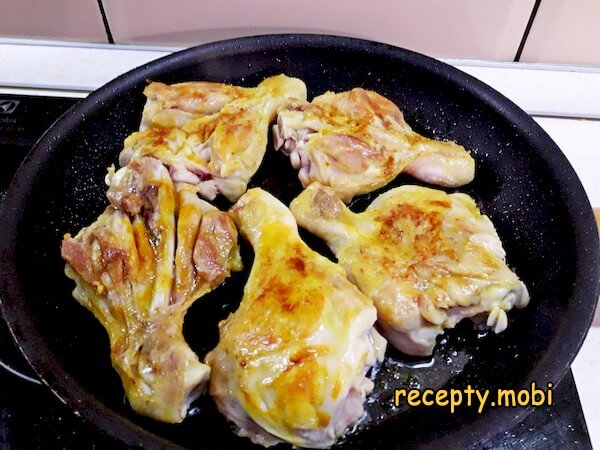
Then I spoon the prepared gravy over the drumsticks – the sauce coats the seared meat and starts to meld with it during the further stewing.
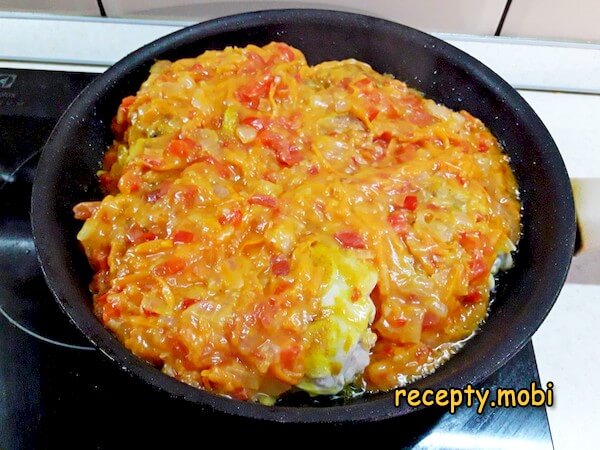
I add the bay leaves and press in the garlic through a press – the garlic goes in now, not earlier, so it does not burn in the gravy and turn bitter.
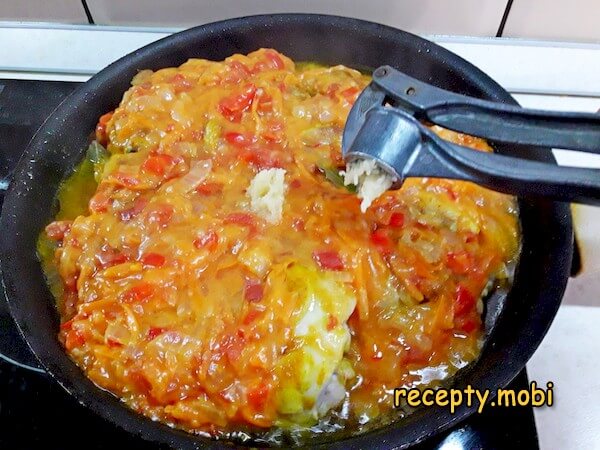
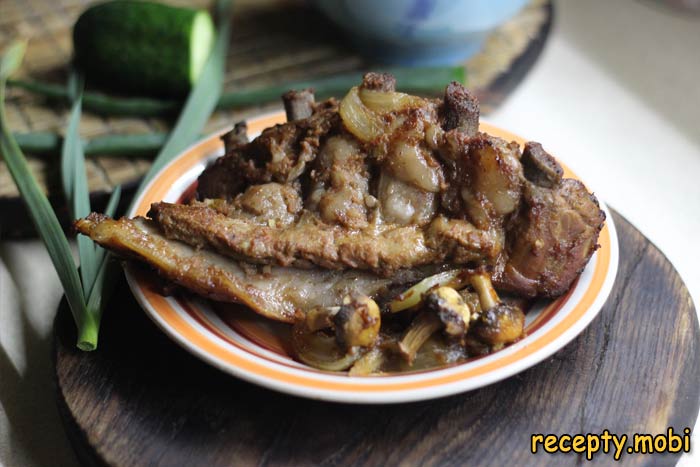
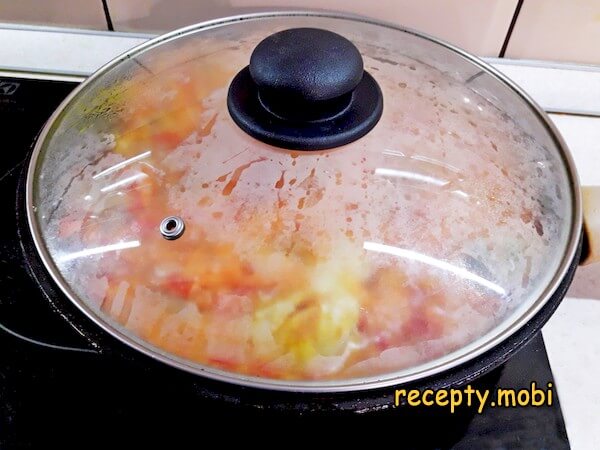
I cover the skillet with a lid and stew the drumsticks under the vegetable gravy for 20 minutes – the lid creates steam, the meat cooks through completely, and it soaks up the aroma of the gravy.This hearty, very tasty dish – chicken legs in a skillet with gravy – goes with any side. The vegetable gravy moistens and enriches porridge, country-style potatoes, or pasta beautifully. The meat is tender despite coming from the muscular leg, and it simply melts in the mouth.


Tips
- 1
Flattening the drumstick is the "secret" to even cooking. A whole drumstick stays raw next to the bone in the time it takes the surface to brown to a crust. Flattened – a cut along the bone plus a cut through the tendons – the meat lies flat and cooks through evenly in 5-7 minutes a side.
- 2
Adding flour to cold water in stages is the "secret" against lumps. Pour in all the water at once and the flour clumps into lumps that cannot be broken up afterwards. First a couple of tablespoons of water plus flour stirred smooth, then add the rest – and the thickener comes out perfectly smooth.
- 3
Two skillets are the "secret" to juiciness. Drumsticks fried straight in the vegetable sauce boil rather than fry – there is no crust, and the meat gives up all its juices to the gravy. A separate skillet for the drumsticks lets the crust seal the juices inside.
- 4
Garlic at the finish is the "secret" to a fresh aroma. Garlic stirred into the gravy from the start cooks for the full 30 minutes and loses its fragrance. Adding it 20 minutes before the end preserves that aroma and gives the dish its characteristic home-cooked note.
Video
FAQ
Can I swap the drumstick for other cuts of chicken? +
Yes, the recipe is versatile. The classic choice is skin-on drumsticks, which lend a characteristic richness to the gravy. Other options: boneless thighs (premium, more tender, reduce the stewing to 15 minutes), chicken wings (15-20 minutes), whole chicken fillet cut into pieces (10-12 minutes, faster but drier), or leg quarters (40 minutes of stewing, with 100 ml more water added). Avoid whole chicken breasts, which dry out, and ground chicken, which falls apart in the gravy. Freshness matters: meat that has been thawed more than once has a watery texture and loses flavour.
Can I stew the chicken in the oven instead of on the stove? +
Yes, and many people prefer the oven for convenience. First sear the drumsticks and make the gravy in the skillet as described. Then transfer everything to a baking dish or a heatproof braiser, cover with a lid or foil, and bake at 180 °C for 25-30 minutes. The advantages of the oven are even heating from all sides and no need to watch the simmer. The drawbacks are a longer cooking time and higher energy use. For a single meal the difference is minor; for regular cooking the stovetop is simpler. The presentation and flavour are identical.
How long does the finished dish keep? +
In the fridge, in a tightly closed container, up to 3 days with no loss of quality. On the second day the flavour deepens – the meat absorbs more sauce and the vegetables soften. Before serving, I reheat it in a covered skillet over low heat for 5-7 minutes, or in the oven for 10 minutes at 150 °C under foil, or in the microwave for 3-4 minutes under a lid. It is best not to freeze it – the vegetable gravy separates and loses its texture after thawing. Freshly made is the best version, so it is ideal to cook one or two meals' worth at a time.
What side dish goes with chicken legs in gravy? +
This is a versatile main that goes with almost anything. The classics are mashed potatoes, boiled rice, and fluffy buckwheat. Fancier options include roasted country-style potatoes, vegetable rice pilaf, couscous, and bulgur. Among grains, try pearl barley with butter or quinoa. For pasta, spaghetti with cheese or shells. On the table, a fresh cucumber-and-tomato salad, pickled cucumbers, or sauerkraut with cranberries. For bread, rye with fresh herbs or a white baguette for soaking up the sauce. For drinks, dark beer, a dry red, or homemade compote. For a family lunch, serve it straight from the skillet, ladling on plenty of gravy.
- Comment
or post as a guest
Be the first to comment.