avg —
Chicken Cutlets with Curd

Instructions
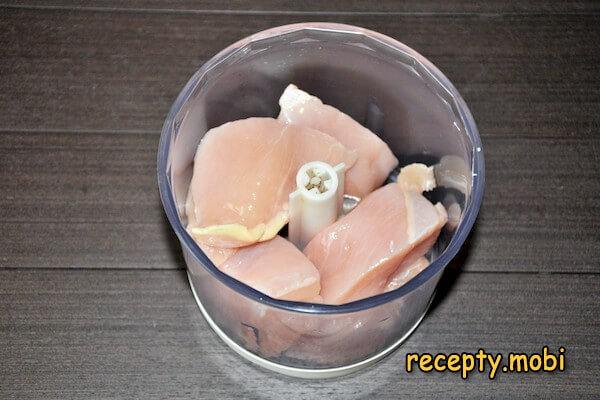
Rinse the chicken fillet under cold water and dry it a little. Then cut it into a few pieces and grind it into chicken mince (you can do this with a blender or a meat grinder).
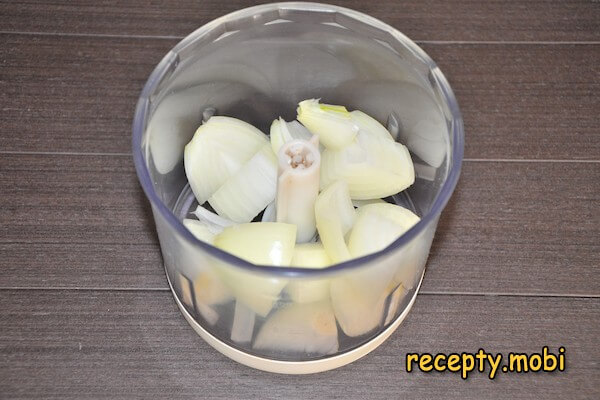
Peel a large onion, rinse it under water, cut it up (for convenience), and grind it too.
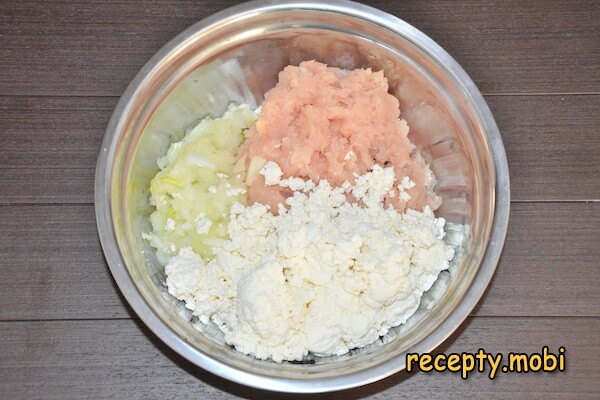
Put the chopped onion, chicken mince, and cottage cheese into a separate bowl.
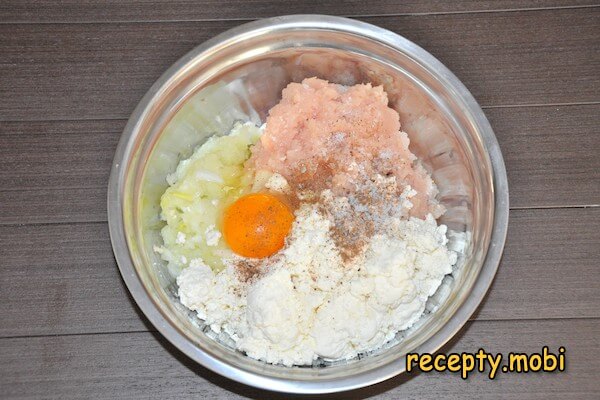
Add a fresh egg, salt, and ground pepper (you can use other spices if you like), then be sure to mix the mixture thoroughly until smooth, so there are no lumps of cottage cheese in the mince.
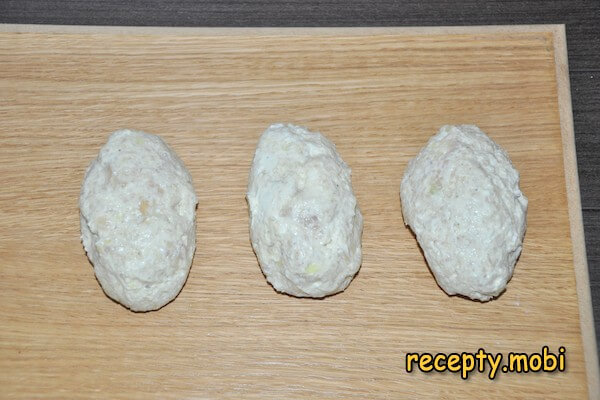
Shape the chicken cutlets with cottage cheese from the prepared mince (choose the shape as you wish). For convenience, dip your hands in water before forming each new cutlet – that way the mince won't stick to your hands and the cutlets will be easier to shape.
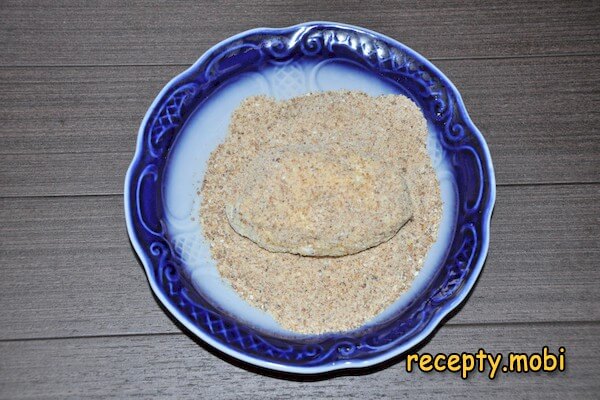
Roll the shaped cutlets in breadcrumbs on all sides.
Then place them straight onto a preheated frying pan with vegetable oil. Fry the cutlets over medium heat until golden brown on both sides.
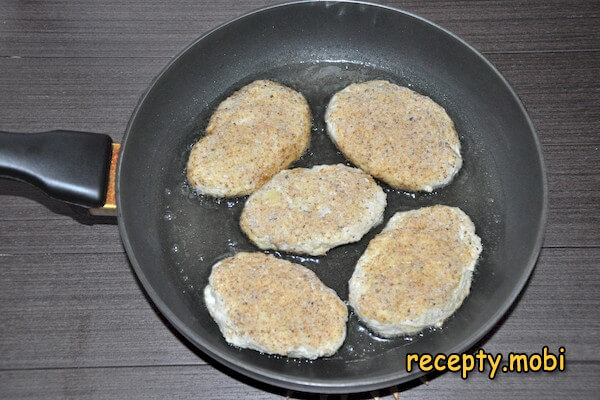
Remove the finished chicken cutlets with cottage cheese from the pan. If you like, you can stew them a little before serving.Bon appétit!



Tips
- 1
COTTAGE CHEESE – the "secret" to tenderness. You won't taste it in the finished dish, but it makes the cutlets especially soft. Mash it fully into the mince – don't leave any lumps.
- 2
WET HANDS – the mince won't stick. Dip them in water before each cutlet, and shaping will be easy.
- 3
BREADCRUMBS – they "seal" the cutlets. Without the coating, the mince will "run" on the pan and fall apart.
- 4
STEAMING – the dietary option. 15 minutes in a steamer instead of frying – no oil and fewer calories. The same principle works with other kinds of dietary cutlets.
FAQ
Which chicken fillet should you choose? +
The breast is ideal (dietary and tender). Alternatives: boneless thigh (juicier), or a 50/50 mix of breast and thigh (a balance). Trusted brands include "Petelinka", "Miratorg", and "Prioskolye". Fresh fillet is firm, pink in colour, and free of any grey film. Chilled is better than frozen. If frozen, thaw it in the fridge for 6–8 hours. Remove any sinews and membranes – they will be tough in the mince. Mince ground fresh at home tastes better than shop-bought (you control the quality). For a "premium" version, use farm chicken. For a "children's" version, use breast with cottage cheese (as in our recipe). Don't buy fillet from unknown "broiler" producers – it often contains water and phosphates.
Which cottage cheese should you choose? +
Cottage cheese with 5–9% fat is ideal (a balance of flavour and goodness). Alternatives: 0% fat-free (more dietary but drier), 18% (richer and more tender), or rustic homemade (premium). Trusted brands include "Prostokvashino", "Domik v Derevne", "Brest-Litovsk", and "Savushkin". Fresh cottage cheese is white or slightly creamy, with no yellow film. If it is grainy, rub it through a sieve or use a blender. Cottage cheese with fruit and sugar is not suitable. Check the use-by date – out-of-date cottage cheese will give a "sour" note. If the cottage cheese is wet, press it through cheesecloth for 30 minutes, otherwise the mince will "run". For a "children's" version, use a soft, grain-free cottage cheese.
How long do the cutlets keep? +
In the fridge in a container with a lid – 3 days. Reheat in the microwave for 1–2 minutes, or in a pan with 1 tbsp of water under a lid for 3–4 minutes. Cooked cutlets keep in the freezer for up to 2 months (in individual portions wrapped in foil). Thaw them in the fridge for 8–12 hours, or reheat them straight away in the oven for 10 minutes at 150 °C. Raw shaped cutlets keep in the freezer for up to 3 months. Don't leave raw mince with egg at room temperature for longer than 30 minutes. On the second day the dish "matures" and the flavour becomes richer. For a "packed lunch", let them cool in a container with a side dish. They are perfect as a "family batch" – make a double portion.
What do you serve the cutlets with? +
Side dishes: mashed potatoes (a classic), pasta, buckwheat, boiled rice, or couscous. Steamed vegetables: broccoli, cauliflower, or carrot. Fresh salads: cucumber + tomato + herbs, Greek salad, or vinaigrette. Sauces: sour cream with herbs, tomato, or garlic. With black or white bread. With a cup of herbal tea or fruit drink for a "dietary" lunch. With a glass of dry red wine or light beer for a "hearty" serving. For a "family lunch", with a sauerkraut salad. For a "children's" version, with mashed potatoes and stewed carrot. With a dried-fruit compote for a "grandmother's" version. A versatile dish for everyday meals.
- Comment
or post as a guest
Be the first to comment.