avg —
Classic Cottage Cheese Pancakes in a Skillet

Instructions
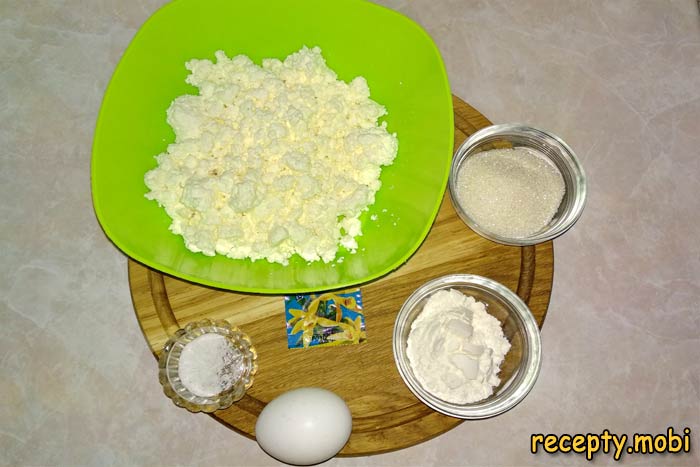
I prepare all the necessary ingredients: good-quality cottage cheese with 5–9% fat (400 g), 1 room-temperature egg, sugar, flour, vanillin, and salt. The cottage cheese should be fresh, with no signs of souring – check the use-by date. The ideal cottage cheese is farm-made or homemade, without whey and without large grains.
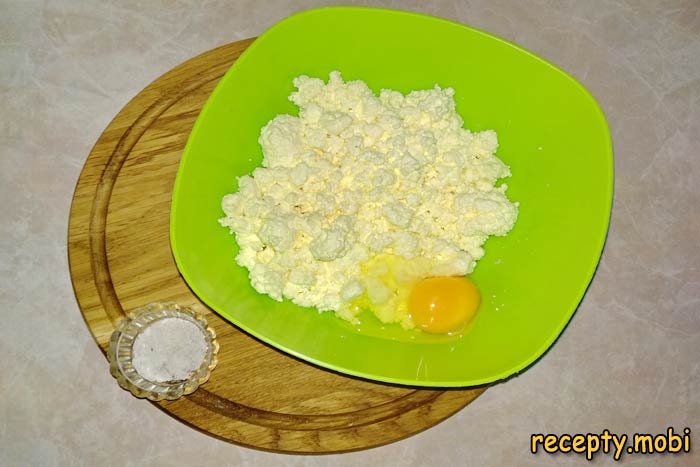
I put all the cottage cheese (400 g) into a large bowl, add 1 room-temperature egg and a pinch of salt. The salt balances the sweetness and brings out the cottage-cheese flavour of the finished syrniki. A warm egg combines better with the cottage cheese into a uniform mass – a cold one will leave lumps when mixed.
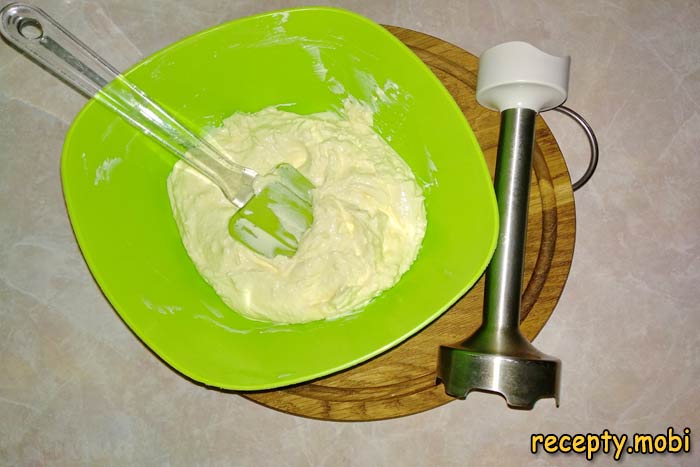
I blend the cottage-cheese-and-egg mass with an immersion blender or food processor for 1–2 minutes until it is a smooth, creamy consistency with no grains. This is the secret to tender syrniki – a smooth mass needs the minimum of flour and gives a velvety texture inside. Without a blender, rub the cottage cheese thoroughly through a fine sieve.
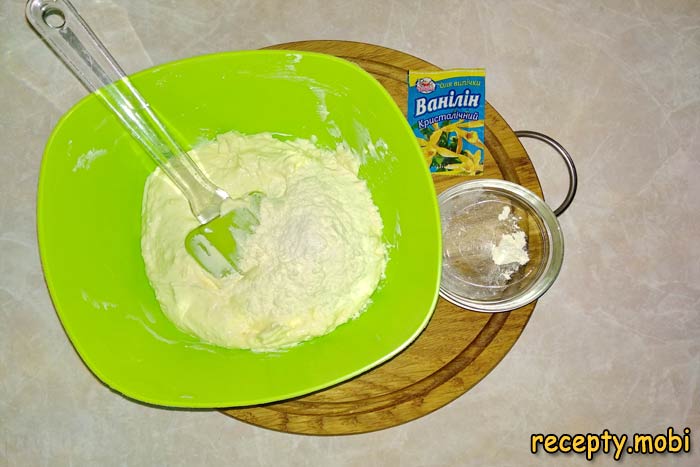
I add the sachet of vanillin to the flour (1 tbsp) and mix the dry ingredients thoroughly. Then I add the flour mixture to the cottage-cheese mass and stir with a spatula until uniform. With wet hands, I shape the mass into a ball – at this stage it should already hold its shape. If the cottage cheese falls apart, add flour 1 tablespoon at a time, no more, otherwise the syrniki will be heavy and dense.
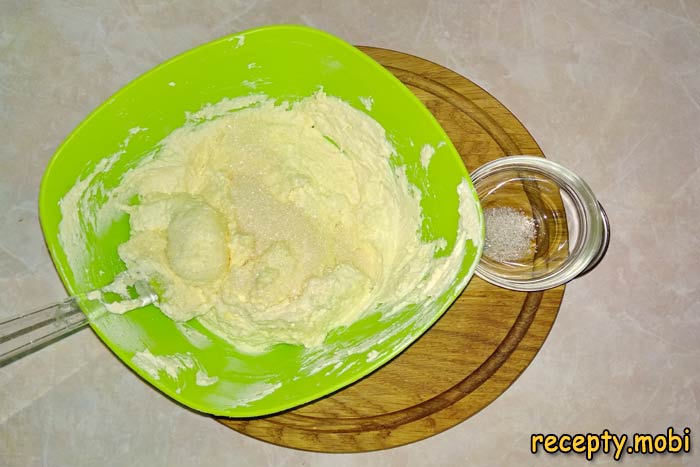
At the very last moment before shaping, I add the sugar (2 tbsp) – it can slightly moisten the cottage-cheese mass, so we start shaping the syrniki straight away. If you add the sugar at the start, the mass becomes runny and needs more flour, which spoils the texture.
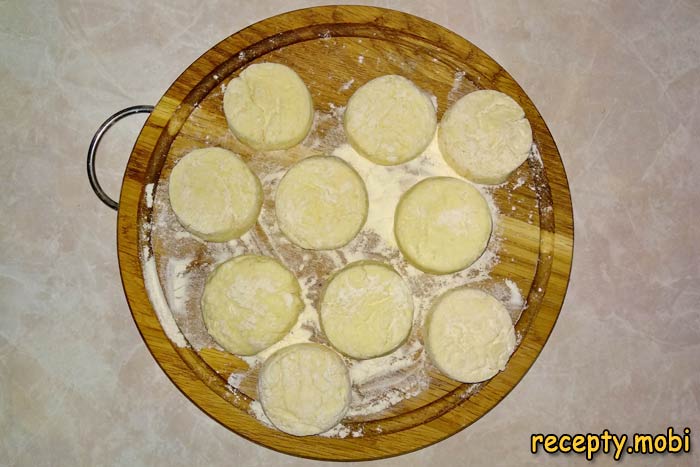
I dust the work surface with flour so the dough does not stick to my hands. Using a spoon, I form equal balls of dough and, with a wide knife or spatula, shape round syrniki about 2 cm thick and 5–6 cm in diameter. I also dust the board for the formed pieces with flour – that way they will not stick when transferred to the pan.
I pour vegetable oil (2 tbsp) into the heated pan and add a knob of butter (20 g) – a little trick for a tasty, golden crust and a creamy aroma. Pure butter burns during frying, while pure vegetable oil gives a pale crust. The mixture is the best of both for syrniki.
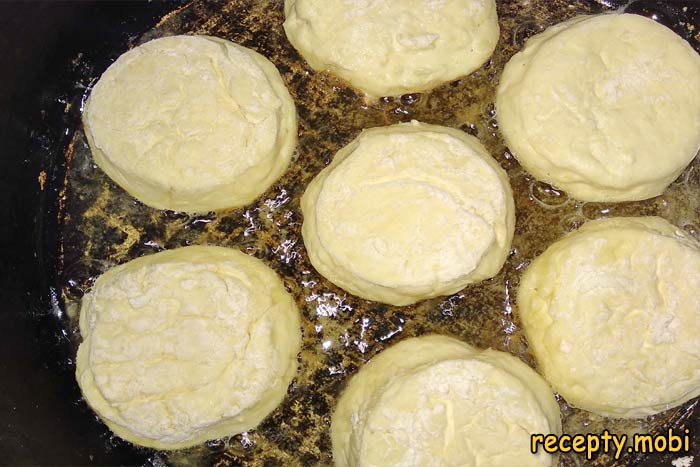
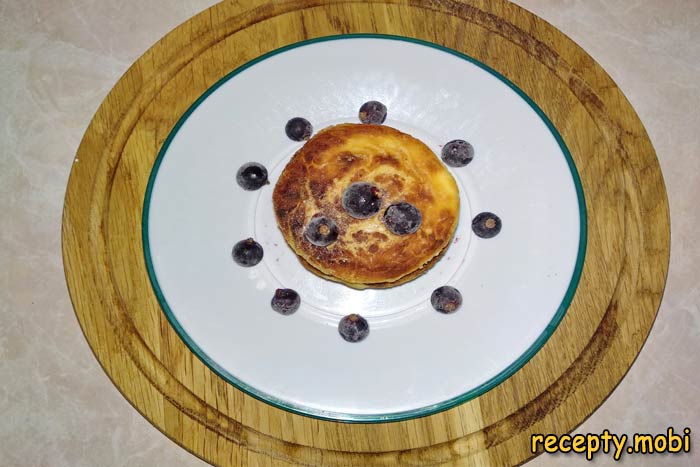
I fry the syrniki for 3–4 minutes on each side over heat just BELOW medium – so they cook through evenly inside without burning on the outside. High heat gives a charred crust and raw dough inside. Heat that is too low gives boiled-tasting syrniki without an appetising crust. The finished syrniki are softly golden on both sides. I serve them hot with sour cream and seasonal berries. The classic cottage cheese pancakes in a pan are ready!
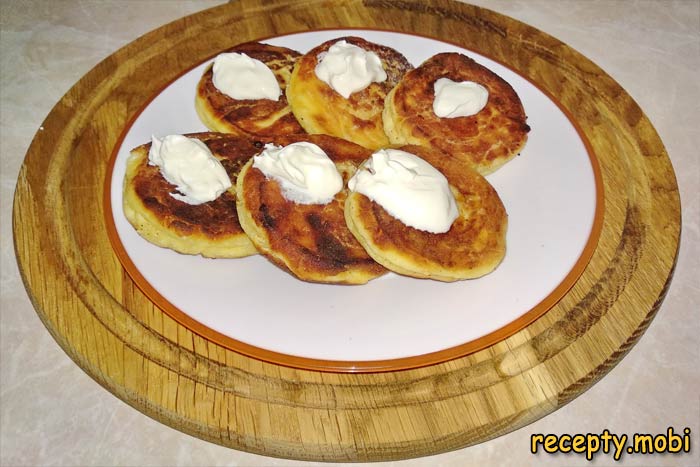
Seasonal fruits make a great addition to the syrniki: strawberries, raspberries, blueberries, pears, bananas. If you have freshly frozen berries, you can serve them next to the hot syrniki – they will thaw quickly and give a berry sauce. Drizzle the syrniki with runny honey, maple syrup, or jam for variety.


Tips
- 1
Cottage cheese with 5–9% fat is best for syrniki – fat-free 0% curd gives dry, rubbery results that need a lot of flour.
- 2
Do not pack in the flour – a maximum of 1–2 tbsp per 400 g of cottage cheese. Excess flour turns the syrniki into dense flatcakes.
- 3
Fry on a mixture of vegetable oil and butter over heat just below medium – grandmother’s secret to a golden crust. I make lazy cottage cheese vareniki on a similar principle.
- 4
Add the sugar right at the end, just before shaping – it moistens the mass, so you need to shape the syrniki straight away before they spread.
FAQ
Why do the syrniki spread out in the pan? +
The main causes are: 1) the cottage-cheese mass is too runny (too little flour or the cottage cheese is wet) – add 1–2 tbsp of flour and shape them more firmly; 2) the pan is not hot enough (the oil does not seal the surface of the syrnik) – heat it more strongly before adding them; 3) you are turning them too early (the bottom side is still soft) – wait 3–4 minutes until browned; 4) the cottage cheese is too watery – squeeze it out through cheesecloth beforehand. Also check that the cottage cheese is fresh – soured curd runs more than fresh and needs more flour.
Can syrniki be baked in the oven? +
Yes, for a lighter version without frying in oil – bake at 180 °C for 20–25 minutes on parchment until golden. The calorie content drops from 190 to 130 kcal per 100 g. For an attractive crust, brush the tops with beaten yolk before baking. Baked syrniki turn out less greasy in taste, but also less homemade – without that golden crust from frying. For a child’s breakfast, baking is ideal (no oil); for grandmother-style syrniki, classic frying in a pan is better.
How long do the finished syrniki keep? +
Finished fried syrniki keep in the fridge for up to 2 days in a tightly closed container. Before serving, reheat them in a pan with oil for 1–2 minutes on each side, or in the oven for 5 minutes at 100 °C to restore the crispness of the crust. Do not reheat them in the microwave – the syrniki will turn rubbery. You can shape the raw dough in advance and freeze it on a board in a single layer, then tip it into a bag – it keeps in the freezer for up to 1 month. Fry the frozen syrniki like ordinary ones, adding 2 minutes to the frying time. A handy make-ahead option for a quick breakfast.
What to serve syrniki with? +
The classics are homemade sour cream with 20% fat, berry jam, honey, and condensed milk. For berries – fresh or frozen strawberries, raspberries, blueberries, blackcurrants for a contrast to the sweetness. For sauces – vanilla, chocolate, maple syrup, fruit purée (banana, apple). For a grown-up version – with lemon curd, mascarpone with berries, or Baileys liqueur. For drinks – tea, coffee with milk, cocoa, drinking yoghurt. For a child’s breakfast – with milk and fruit. The perfect Sunday homemade breakfast for the whole family.
- Comment
or post as a guest
Be the first to comment.