avg —
Pollock Fish Cakes in the Oven

Instructions
Take the whole pollock carcasses. Wash the fish, trim off the fins and gut it. Fresh pollock has firm flesh and a pleasant "sea" aroma without any "fishy" smell.
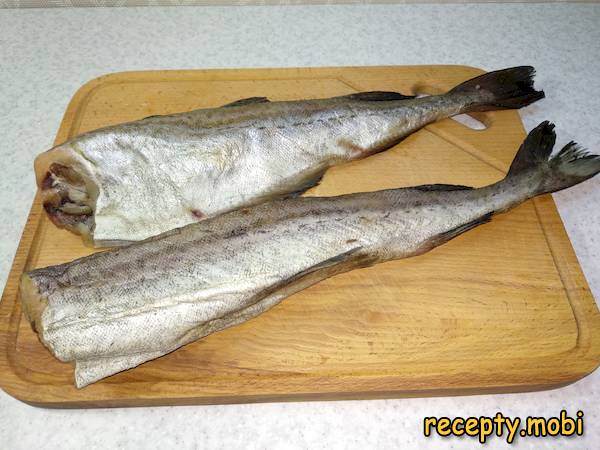
Separate the meat from the bones to obtain boneless fish fillet. You can buy ready-made fillet to save time.
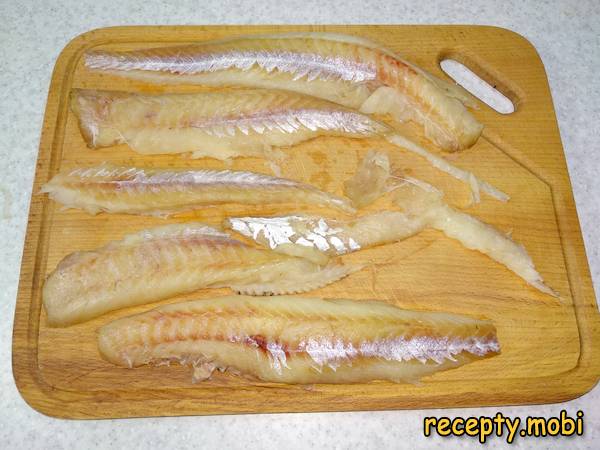
Cut the fish fillet into pieces. Make them a size that is convenient to put through the meat grinder.
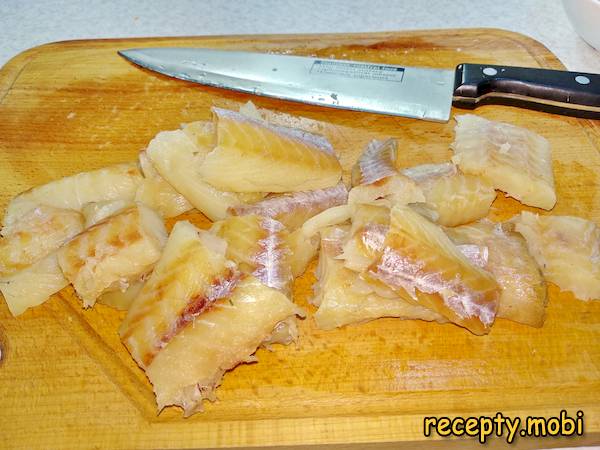
The fish is ready, so now I prepare the rest of the ingredients for the filling. With everything to hand, the process is quick and simple.
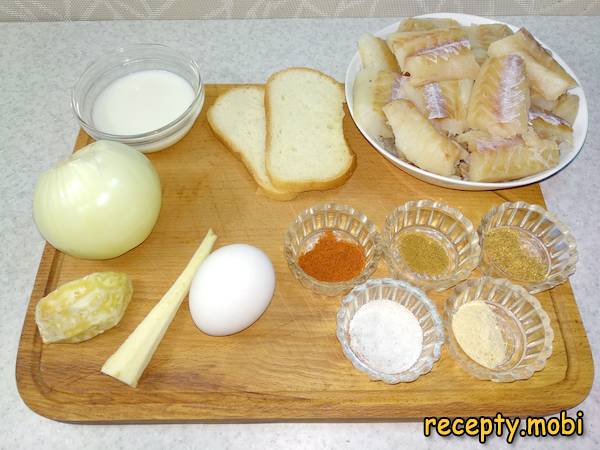
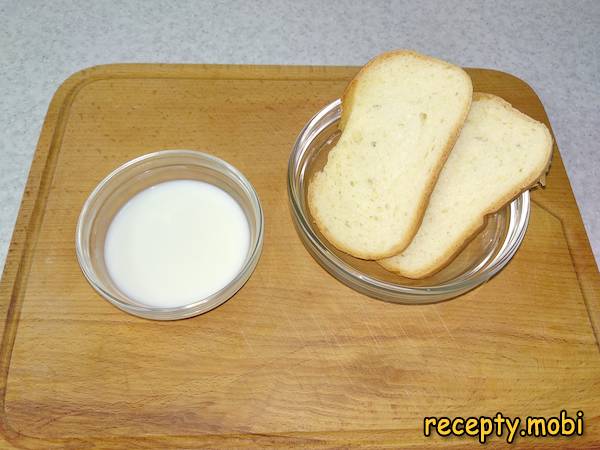
Soak the bread in the milk. Set it aside for 5 minutes to soften – the softened bread will make the cakes tender.
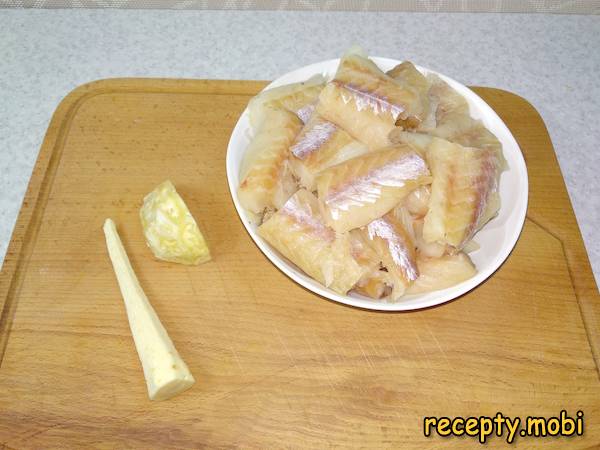
Put the fish fillet, the celery root and the parsnip root through the meat grinder, along with the softened bread and half of the onion. The root vegetables add "depth" of flavour – the "secret" of authentic fish cakes.
Prepare the spices from the list, or to your own taste. Have all the spices ready at once so you do not get distracted.

Finely chop the remaining half of the onion and, with the paprika added, sauté it until soft. Fried onion in the filling gives a distinctive "restaurant" aroma.

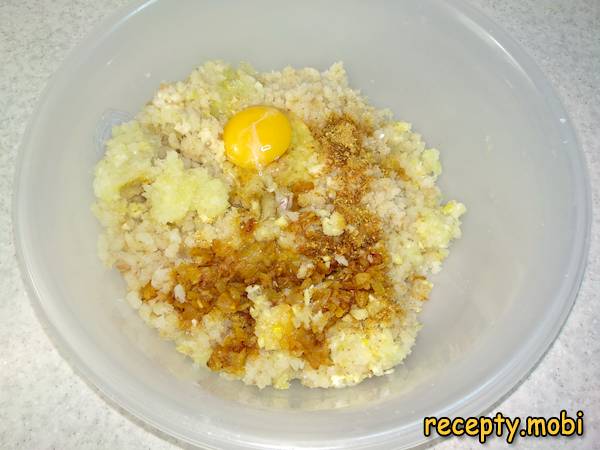
Add the spices, salt, fried onion and egg to the prepared filling. Mix the mass until uniform. The egg is the "binder" of the filling – without it the cakes will fall apart.
Divide the finished fish filling into equal parts and shape the cakes. Make them about the size of a chicken egg for easy serving.

Roll the cakes in breadcrumbs. Grease a baking sheet with sunflower oil and fill it with the cakes. Leave 2–3 cm between them for even baking.

Preheat the oven to 190 °C, top-and-bottom heat. Cook the cakes until golden brown.

Cook the cakes for 45 minutes. In that time they will bake through evenly inside and develop an appetising crust on the outside.

Put the cakes on a plate while still hot and bring them to the table. Rustic country-style potatoes, rice or vegetables make an excellent side. Pollock fish cakes in the oven are perfect for a healthy, light diet.



Tips
- 1
Celery root and parsnip root are the "secret" of authentic fish cakes: they add a "depth" of flavour you cannot achieve with spices alone.
- 2
Always SOAK the bread in milk – dry bread will not give the filling the tenderness it needs. The milk adds a "creamy" note.
- 3
Baking in the oven is considerably healthier than frying in a pan. I use the same principle in other fish cakes.
- 4
Half the onion fried, half raw in the filling. This is the "secret" of combining the aromas of "fried" and "fresh" onion in a single cake.
Video
FAQ
What can I use instead of pollock in this recipe? +
Alternatives include cod (more tender), hake (similar in texture), haddock (firmer), saithe (a budget option) and basa (soft and lean). All of these are white sea fish with tender flesh and are suitable for fish cakes. Not suitable: oily varieties (salmon and trout will make the cakes "oily") and small river fish (full of tiny bones). For an authentic "budget" version, pollock is the one – it is consistently good quality and inexpensive.
Can I replace the celery root and parsnip root? +
These roots are the "highlight" of the recipe; they add depth of flavour. Substitutes: carrot (a more "budget" option and a classic for fish cakes), root parsley (similar in aroma) and turnip (a Russian tradition). Without the roots you get "ordinary" fish cakes, lacking that "gastronomic" note. At the very least, add carrot, which gives sweetness and colour. Celery root and parsnip are sold in larger supermarkets – look in the vegetable section.
How long do the cooked cakes keep? +
In the refrigerator – 2–3 days in a closed container. Reheat in the oven at 150 °C under foil for 10 minutes (with 1–2 tbsp of water in the bottom) so they do not dry out. In the microwave they turn "rubbery". You can freeze them for 1–2 months, both cooked and as raw shaped cakes. Bake the frozen ones without thawing at 180 °C for 50–55 minutes. It is handy to make "ready-to-cook" batches for later.
What sauce should I serve fish cakes with? +
Classic sauces: sour cream with dill, tartar (mayonnaise + pickled cucumbers + capers), white béchamel sauce, yoghurt with garlic and herbs, and a spicy tomato sauce. For the "diet" version – 10% sour cream with lemon juice and herbs. Ready-made options: tzatziki (Greek yoghurt sauce), rémoulade (French) and horseradish with sour cream. The simplest option is fresh lemon wedges to squeeze over the cake.
- Comment
or post as a guest
Be the first to comment.