avg —
Pasta with Canned Tuna and Onion

Instructions
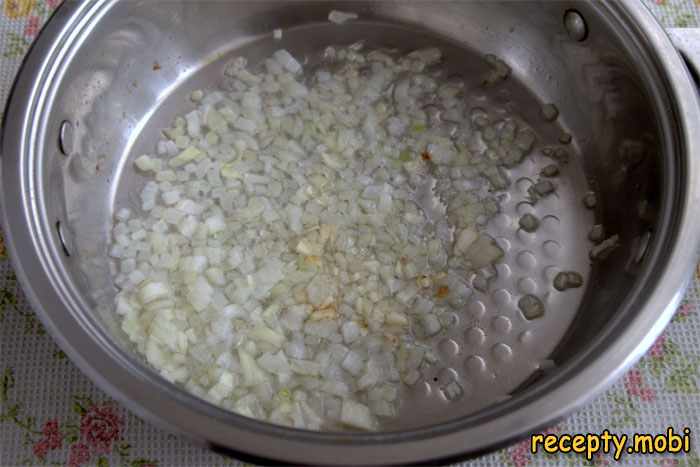
I peel the onion and cut it into small cubes about 5 mm in size – that size lets the onion fry quickly and evenly. I fry it in vegetable oil over medium heat for 4–5 minutes until a creamy golden colour. This means the onion has caramelised and turned soft and sweet but has not burned. Properly fried onion is the basis of the whole dish, so don't rush and keep an eye on the temperature.
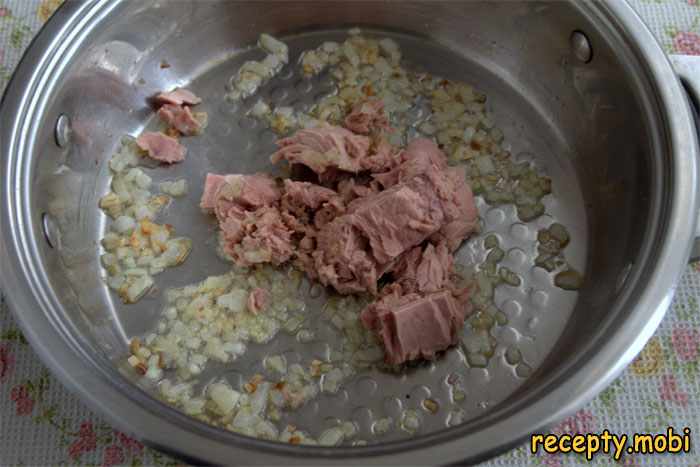
I open the can of tuna and add all of its contents to the fried onion along with the liquid – it gives the dish extra juiciness. I use tuna only from a trusted manufacturer – the taste of the finished dish depends directly on the quality of the fish. It is better to choose tuna in its own juice rather than in oil – that way the dish is less fatty and has a cleaner fish flavour. The pieces of tuna should be firm, with no smell of ammonia.
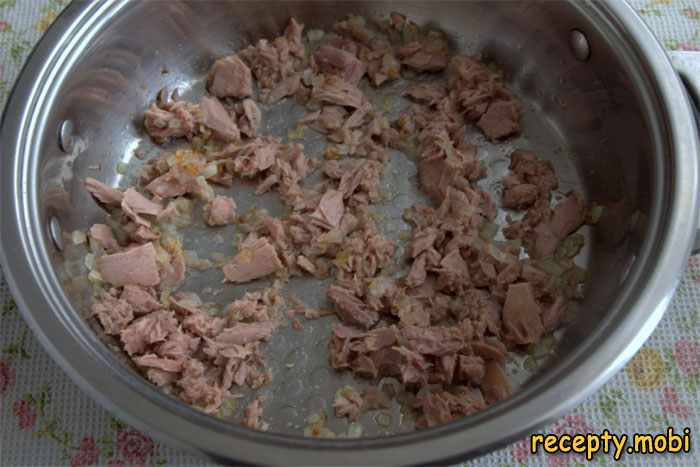
I mash the tuna with a wooden or silicone spatula, breaking the larger pieces into smaller flakes. I mix the fish with the caramelised onion until smooth. I warm the mixture for 2–3 minutes over medium heat, stirring now and then – that is long enough for the tuna to take on the aroma of the onion. Don't overcook it, or the fish will become dry and tough.
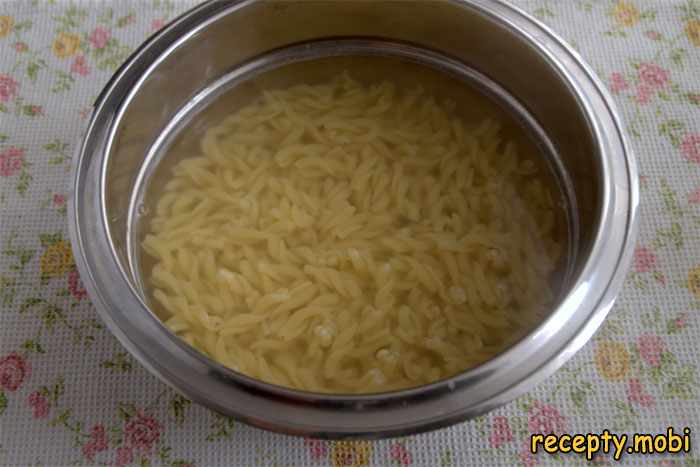
While the onion is frying, I put a pan with 2–2.5 litres of water on high heat. When the water boils, I add 1 tablespoon of salt – this is the standard ratio for pasta. I add the pasta and cook it strictly for the time given on the packet, minus 1 minute – it will reach the perfect al dente stage in the pan with the tuna. I drain the pasta in a colander, saving 100 ml of the cooking water – the starchy water will help bind the sauce.
I add the hot pasta straight into the pan with the tuna and onion – it is important that the pasta is hot, so it absorbs the flavours better. If the mixture turns out a little dry, I pour in 2–3 tablespoons of the reserved cooking water – the starch in the water creates a light creamy texture. I mix gently with two spatulas to distribute the tuna evenly through the pasta. I do this carefully so as not to break the pasta.
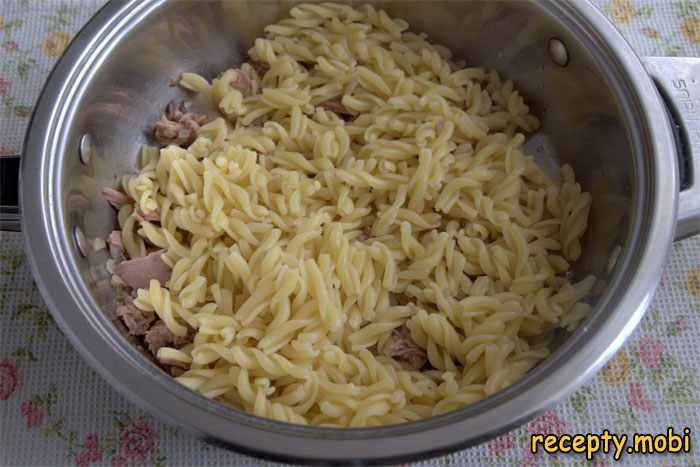
I add salt to taste (bearing in mind that the tuna is already salted) and a pinch of cayenne or ordinary red pepper for a little heat. I stir and cook for another 3–5 minutes over medium heat, stirring occasionally. During this time the pasta soaks up the juices of the tuna and the aroma of the onion, and reaches the perfect al dente stage. I taste for salt and pepper and adjust if needed.
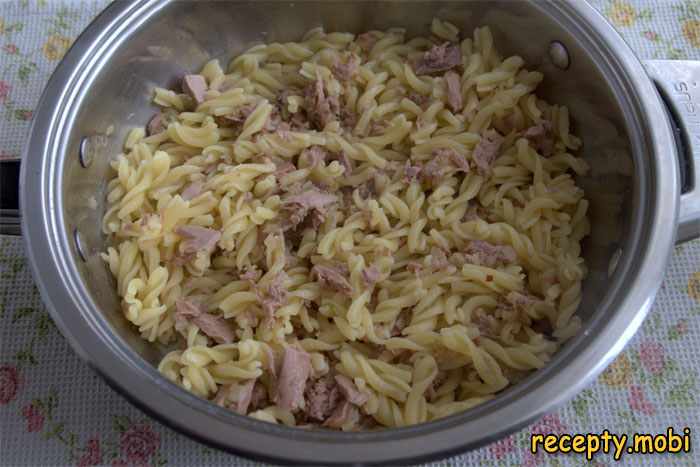
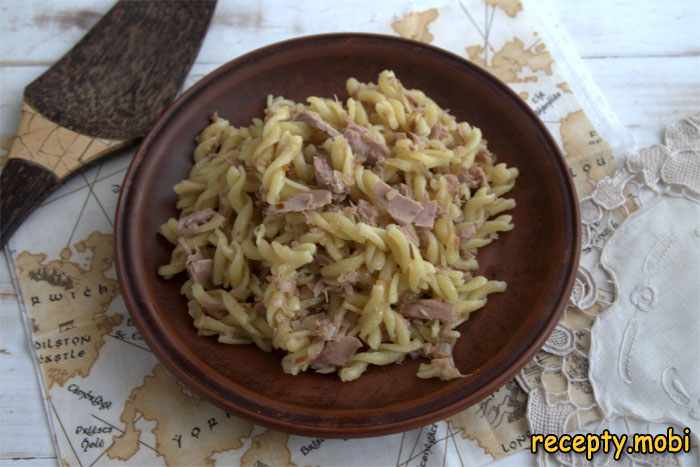
I serve the pasta with tuna straight away, while it is hot – this dish doesn't like waiting and loses its texture as it cools. I divide it between warm plates and, if I like, sprinkle over freshly chopped parsley, basil or grated Parmesan. A wedge of lemon on the edge of the plate lets everyone add a little acidity to taste. I serve it with a glass of dry white wine – a classic Italian pairing.


FAQ
Can I replace canned tuna with fresh? +
Yes, cut the fresh tuna into 2 cm cubes and sear over high heat for 2–3 minutes until browned, leaving the middle pink. But canned tuna is more convenient and quicker to cook, and in this dish the difference in taste is minimal.
Which pasta is best to use? +
Spaghetti, penne, fusilli or rigatoni are ideal – any made from durum wheat. They don't go soft, hold their shape well and absorb the sauce. Avoid egg noodles – they are too soft for this recipe.
Can I add cheese? +
Yes, sprinkle the finished dish with 2–3 tablespoons of grated Parmesan or Pecorino Romano – this adds creaminess and a pleasant saltiness. Add the cheese after taking the pan off the heat so that it doesn't curdle.
How do I make the dish spicier? +
Add fresh chopped chilli together with the onion, or increase the amount of ground red pepper. You can also add garlic oil – fry 2 cloves of garlic in the oil before the onion, then remove them.
Can I make the dish in advance? +
I don't recommend it – pasta loses its texture during storage and reheating. But you can prepare all the ingredients in advance and fry the onion – the final assembly will take only 5 minutes.
- Comment
or post as a guest
Be the first to comment.