avg —
Hake Fish Cakes – a Delicious and Simple Appetizer

Instructions
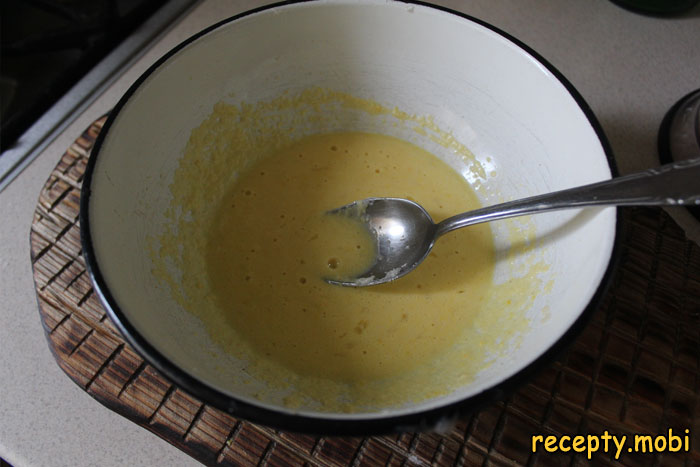
Fillet the hake. Defrost it at room temperature for 1–2 hours (never in water or the microwave – the mince will turn out watery), cut the meat from the backbone with a sharp, flexible knife, and remove the skin and fins. Pick out every small bone carefully by hand or with tweezers – even a single bone will spoil the finished dish.
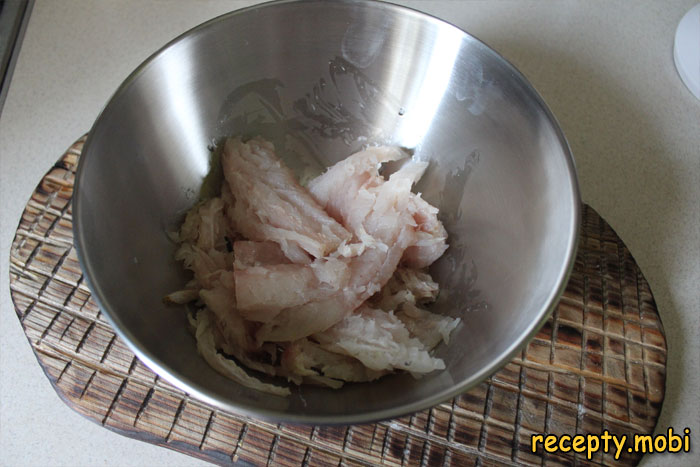
Whisk the egg with the milk until smooth, add the semolina and leave it to swell for 15 minutes at room temperature. The semolina should absorb the liquid completely and turn soft – without this step the finished cakes will have crunchy grains. Milk makes the mince more tender than water would.
Put the hake fillet, the onion and the butter (cut into cubes beforehand) through a meat grinder fitted with a fine plate. The butter is the key to keeping lean fish juicy: as it fries it melts and soaks the mince from the inside. Mix it into the swollen semolina, then season with salt and pepper. Put the mince in the fridge for 30 minutes – this makes it firmer and easier to shape.
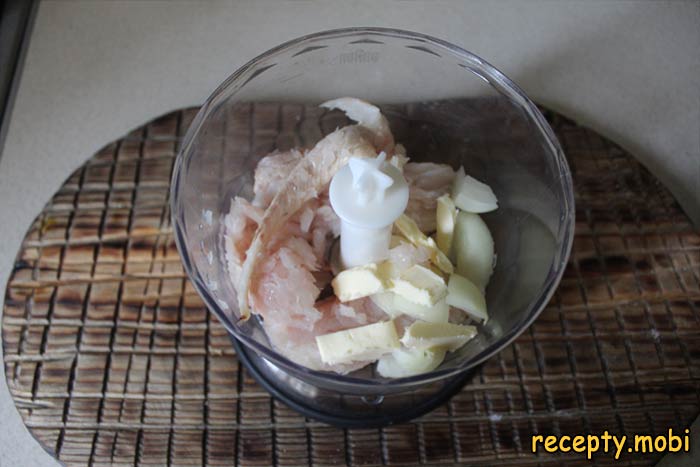
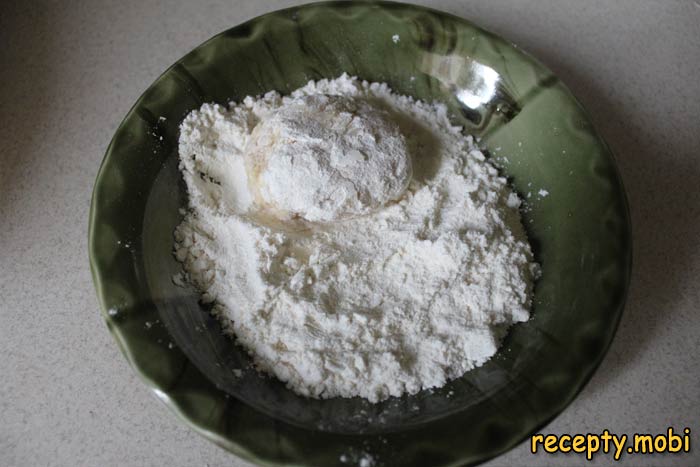
With wet hands, shape oval cakes the size of your palm and about 2 cm thick. Wet hands keep the mince from sticking. Coat each cake in flour on both sides – this gives a delicate golden crust as they fry and keeps the mince from falling apart in the pan.
Fry the cakes in hot vegetable oil for 4–5 minutes on each side until golden. Keep the heat just above medium: too high and the crust burns while the inside stays raw; too low and the cakes "boil" and lose their shape. Do not cover the pan while frying – the cakes will steam and lose their crust.
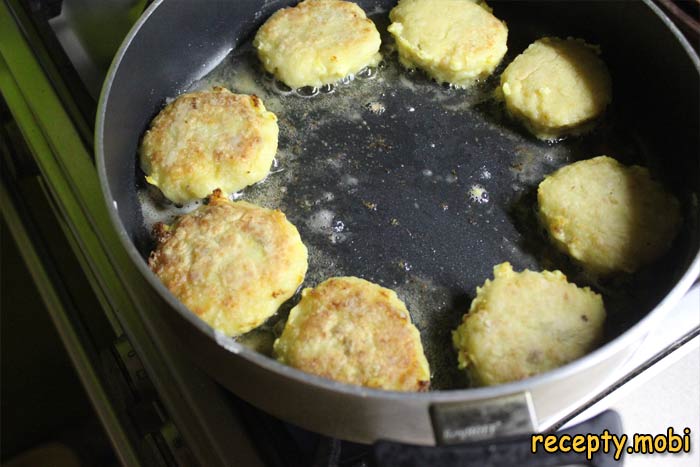
Transfer the cooked fish cakes to paper towels to drain off the excess fat. Serve them hot with your favourite sauce – tartare, sour cream with dill, a classic white wine sauce, or simply with fresh lemon. The cakes are good both hot and cold the next day.



Tips
- 1
Butter in the mince is essential for juiciness. Hake is a lean fish, and without butter the cakes will turn out dry and bland.
- 2
The semolina can be replaced with rolled oats soaked in milk or with breadcrumbs – these give a coarser texture.
- 3
Chilled mince is much easier to shape, so the 30 minutes in the fridge are a must. I use a similar principle for pike cutlets.
- 4
The shaped cakes can be frozen before frying – keep them in the freezer for up to 3 months and fry them straight from frozen, without thawing.
FAQ
What fish can I use instead of hake? +
Any lean white fish will work: pollock (more watery), cod (firmer and juicier), pike-perch (a premium option with a deep flavour), pangasius (budget-friendly but with a distinctive smell), or pink salmon or chum salmon (fattier and brighter in colour). The fattier the fish, the less butter you need to add – for salmon or pink salmon, reduce it to 30 g. Sea fish is usually better than river fish for cakes because it has no muddy aftertaste.
Can I bake the fish cakes in the oven? +
Yes – place the shaped cakes on a greased baking tray or parchment and bake at 180 °C for 25–30 minutes until golden. Sprinkle them with olive oil for a browner colour. This version is less fatty and more diet-friendly. You can also fry the cakes for 2 minutes on each side to set a crust first, then finish them in the oven for 15 minutes – this way the crust stays crisp and the inside stays juicy. The cakes are done at an internal temperature of 65 °C.
How long do the fish cakes keep? +
Cooked, fried cakes keep in the fridge in a tightly sealed container for up to 2 days. On the second day, reheat them in the microwave for 1–2 minutes, or in a pan with a couple of spoonfuls of water under a lid. Raw mince keeps in the fridge for up to 12 hours – keeping it longer is risky because it is fish. Shaped raw cakes are better frozen – up to 3 months in the freezer in an airtight bag. Fry them straight from frozen, adding 2–3 minutes per side.
What should I serve fish cakes with? +
Classic sides: mashed potato with dill, boiled basmati rice, buckwheat, pasta, stewed vegetables, or a vegetable salad. For sauces, tartare, sour cream with herbs, a classic white wine sauce, or a creamy lemon sauce are ideal. For a light summer dinner, serve them with a salad of fresh cucumbers and tomatoes. For a festive table, garnish with lemon wedges and a sprig of parsley – restaurant-style plating without the effort.
- Comment
or post as a guest
Be the first to comment.