avg —
Baked White Fish in the Oven

Instructions
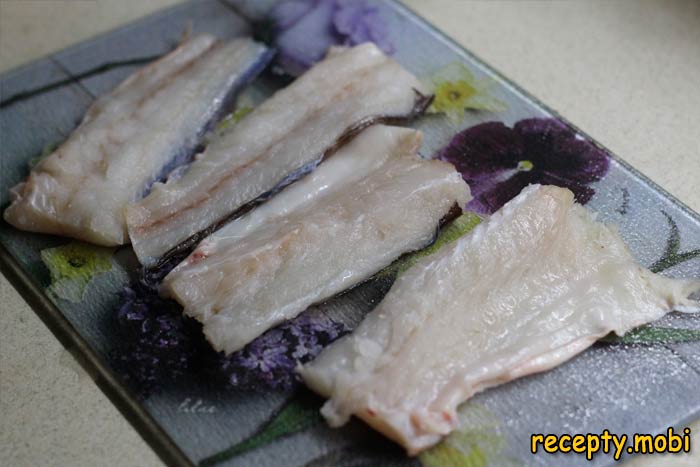
I cut the white fish into fillets, removing the large bones and fins. I pick out the small bones with kitchen tweezers. Then I pat the fillets dry thoroughly on both sides with paper towels – wet fish will not form a crust and ends up "boiled" in the oven. A dry fillet is the key to the right texture.
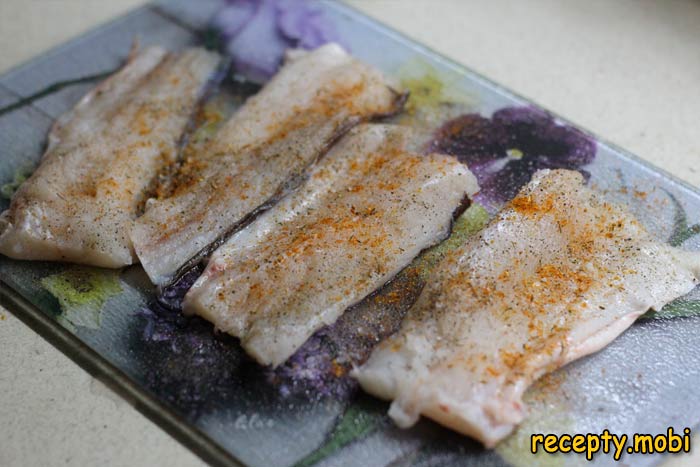
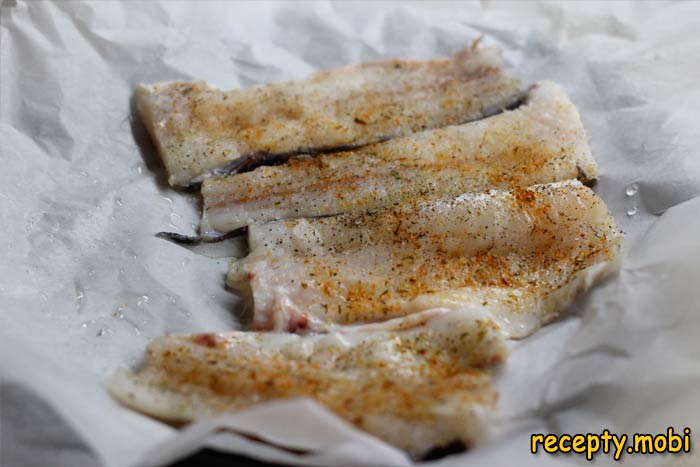
I sprinkle the prepared fillet with salt, freshly ground black pepper and fish spices. I rub the spices in by hand so they penetrate deep into the flesh. Paprika, dried parsley, dill and thyme – the classic "fish" seasonings – are ideal for white fish.
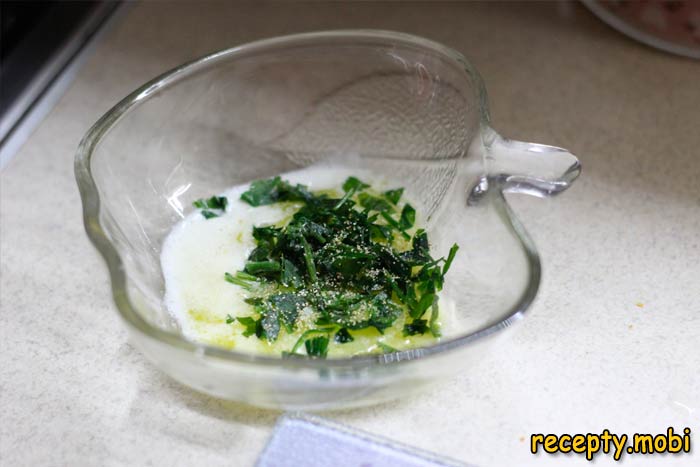
I make the butter dressing: I melt 20 g of butter in a small bowl (30 seconds in the microwave or over a water bath). I add a pinch of salt, 1 teaspoon of finely chopped fresh parsley and a pinch of dried garlic. I mix it thoroughly until smooth.
I lay the seasoned fillet on a baking tray lined with parchment and lightly greased with vegetable oil. The parchment stops the fish sticking, while the oil adds flavour to the underside of the fillet. You can use a non-stick dish without parchment instead.
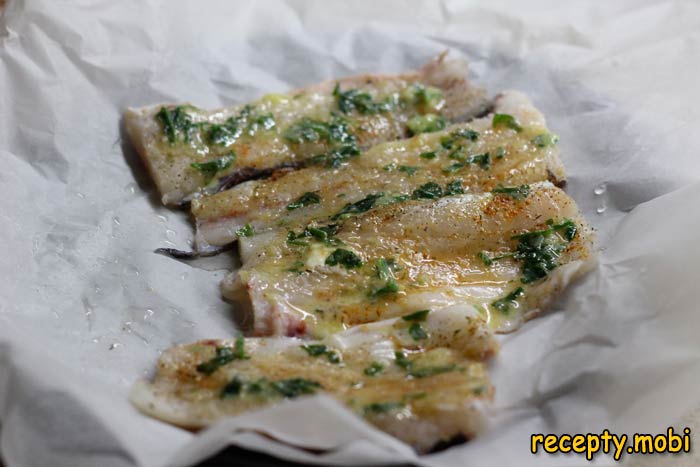
I drizzle the fish with the prepared butter dressing, spreading it carefully over the whole surface. I let it soak for 10–15 minutes at room temperature – this quick "marinating" boosts the flavour. Then I bake it in an oven preheated to 170 °C for about 10 minutes – the exact time depends on the thickness of the fillet.
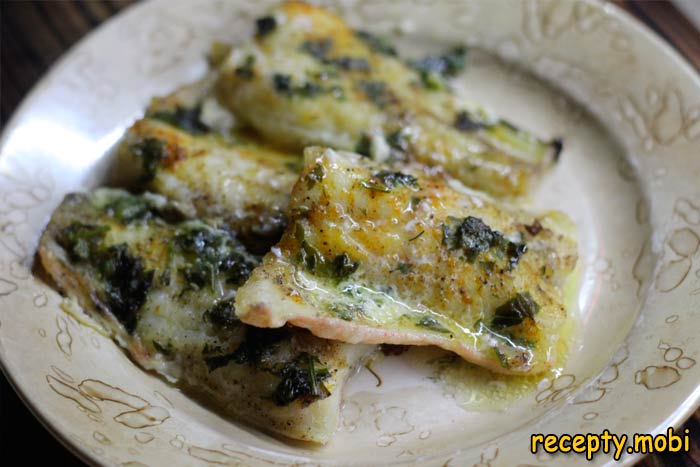
The baked white fish is ready! I check it for doneness: the flesh should turn opaque white and flake easily into layers with a fork. If it is still slightly translucent, I give it another 2–3 minutes. I drizzle it with the sauce that has formed on the tray and serve it hot with a side dish.


Tips
- 1
Use any white fish: cod, pollock, pike-perch, tilapia, sea bass or hake – each gives the dish its own character.
- 2
The butter dressing is the key element of the recipe. It makes even the leanest fish juicy and aromatic.
- 3
Do not overcook the fish – white fish cooks very quickly (8–12 minutes). I bake cod in the oven on a similar principle.
- 4
You can add rosemary, thyme or smoked paprika to vary the aromas – each spice lends its own character.
FAQ
Can I make it without butter? +
Yes, replace it with olive oil and lemon juice (2 tbsp oil + 1 tsp juice) for a more "Mediterranean" accent. Coconut oil (neutral flavour), ghee (nutty aroma) or a mix of yoghurt and garlic for a vegan version also work. Butter gives the classic "restaurant" flavour thanks to the milk fat, but the alternatives work well too. The main thing is to use some kind of "fatty" component for juiciness.
How do I know when the white fish is done? +
A cooked fillet is completely opaque white with no pink areas and flakes easily into layers when pierced with a fork. Translucent or "glassy" flesh is a sign it is undercooked. The baking time depends on the thickness: 1.5 cm – 8–10 minutes, 2 cm – 10–12 minutes, 3 cm – 12–15 minutes. A cooking thermometer shows it is done at 63 °C inside. Do not overcook it – overdone fish becomes tough and "stringy".
What is best to serve with white fish? +
Classic side dishes: boiled basmati rice, mashed potatoes, pasta, steamed vegetables (broccoli, cauliflower, asparagus). For fresh salads – Greek, Caesar (without chicken) or a cucumber and dill salad. Suitable sauces include tartare, hollandaise and lemon-butter. For a diet-friendly meal – with boiled green beans or spinach. White fish pairs wonderfully with a dry white wine (Chardonnay, Sauvignon Blanc).
What temperature is best for baking white fish? +
170 °C is the gentlest temperature, preserving maximum juiciness and tenderness for white fish. At 180–200 °C the baking time drops to 7–8 minutes, but the risk of drying it out is higher. At 220 °C the fish browns to a crust in 5–6 minutes – good for fillets with the skin on. For very lean fish (pollock, pangasius) – 160 °C and 15 minutes for maximum juiciness. Every temperature has its own nuances.
- Comment
or post as a guest
Be the first to comment.