avg —
Pork Liver Cutlets – Step-by-Step Recipe with Photos (Without Bitterness)

Instructions
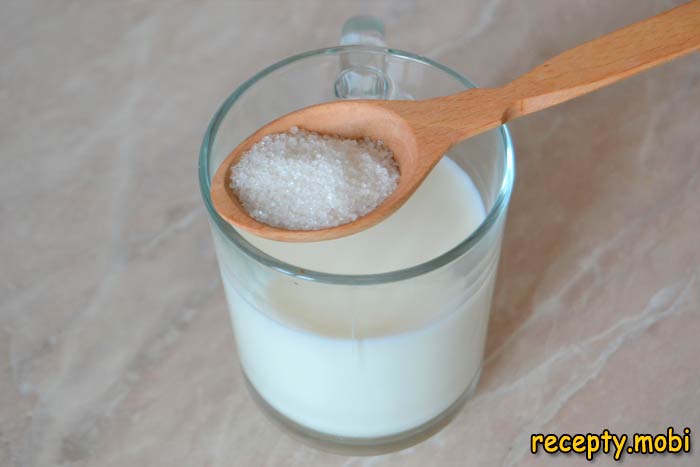
I dissolve 1 teaspoon of sugar in 150–200 ml of milk – this is the "magic" mixture for neutralising the bitterness of pork liver. The sugar does not make the cutlets sweet; it chemically binds the bitter compounds, and its taste is not noticeable in the finished dish. Without this step, the liver will taste bitter even after an hour of cooking.
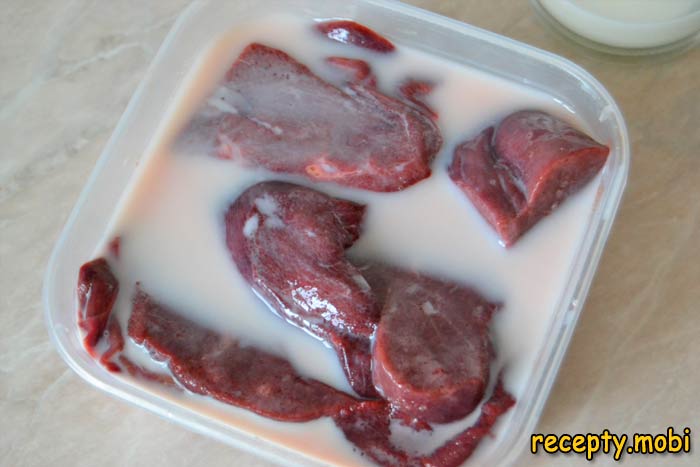
I remove all the membranes and large veins from the liver with a sharp knife – they would make the finished cutlets tough. I cut the liver into large pieces of 3–4 cm and pour the prepared milk with sugar over it for 20 minutes. During this time the bitterness passes into the milk. After soaking, I drain the milk – it is no longer needed – and pat the liver dry with paper towels.
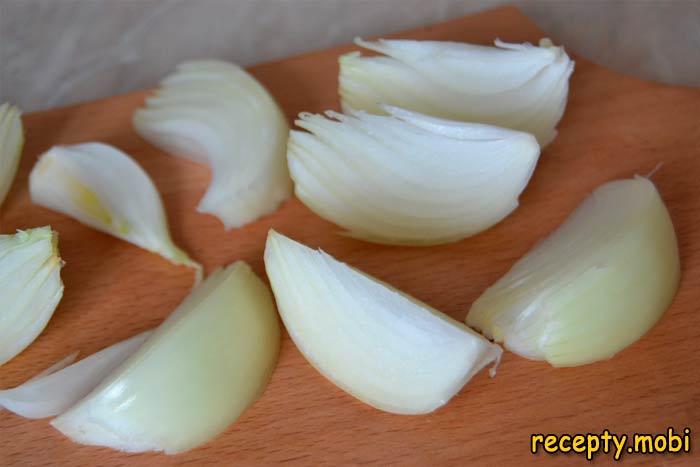
I cut the peeled onion into large wedges. The onion will give the finished cutlets sweetness and aroma, as well as moisture for juiciness. There is no need to chop it finely – the meat grinder will do its job and mince everything evenly.
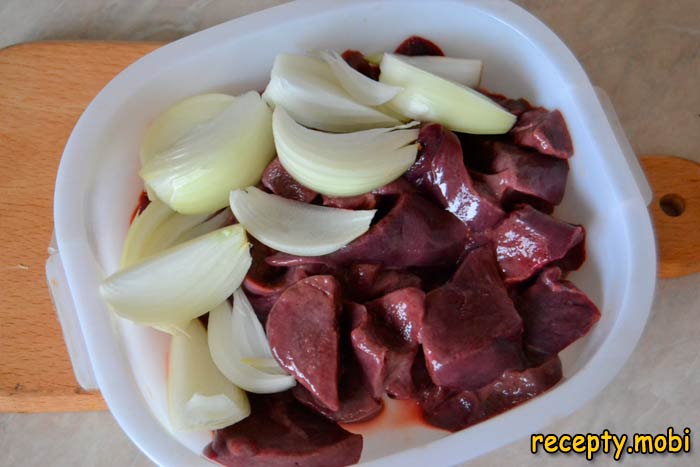
I pass the soaked liver and onion through a meat grinder with a fine plate (2–3 mm). For extra tenderness you can put it through twice – the liver is ground into a smooth "paste", so there will be no coarse bits in the finished cutlets.
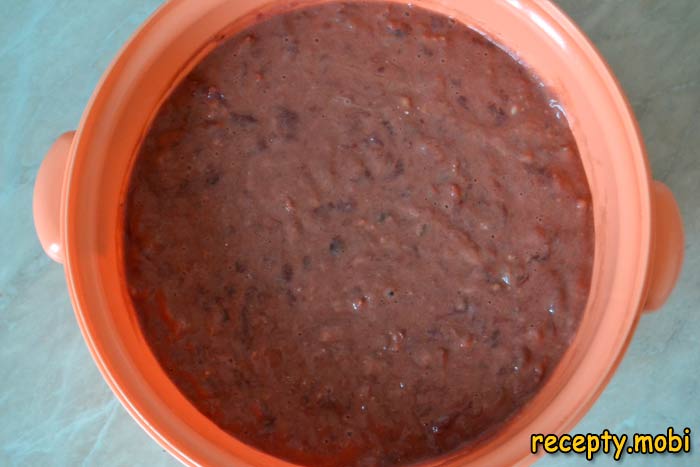
The liver mince turns out homogeneous but quite loose and runny – this is normal for liver. Unlike meat mince, liver mince needs to be thickened with flour or breadcrumbs.
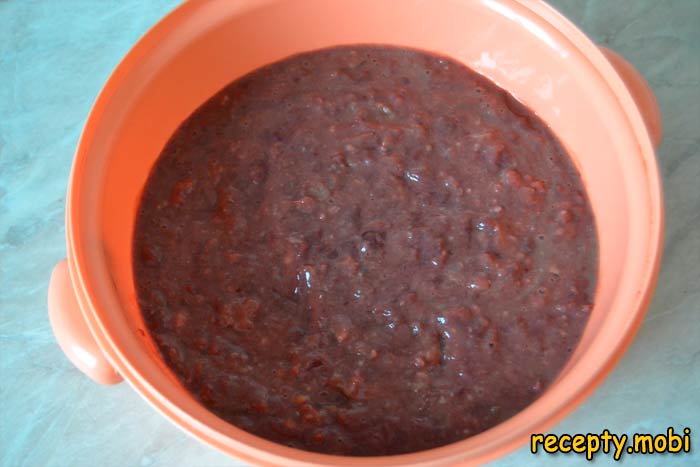
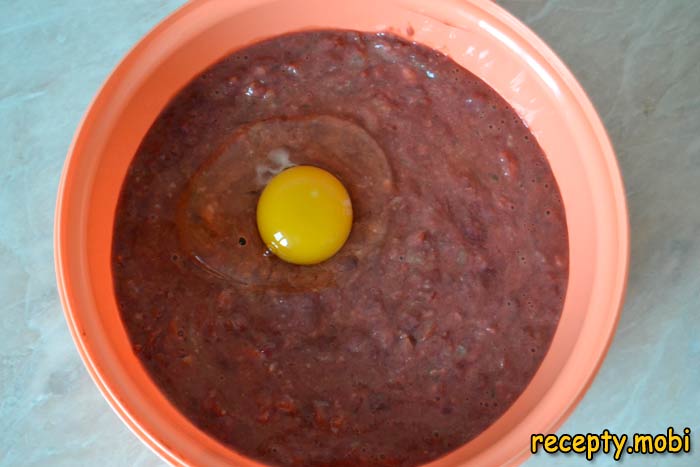
I beat one room-temperature egg into the mince. The egg binds the ingredients and keeps the cutlets from falling apart during frying. A cold egg straight from the fridge will not distribute well in the warm mince – take it out in advance.
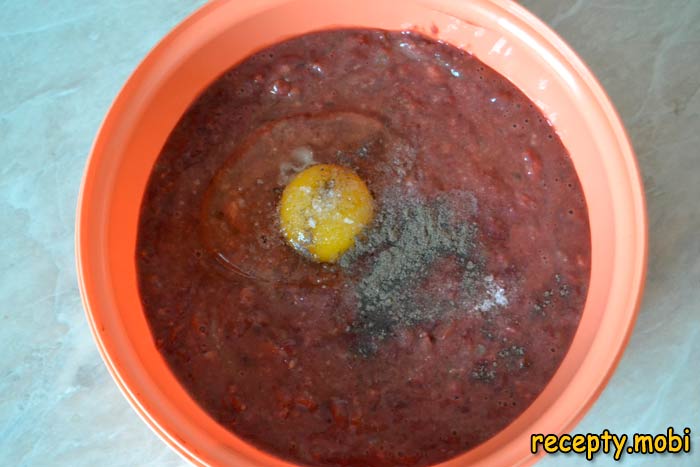
I add salt (3 g) and freshly ground black pepper (2 g) to the mince and mix thoroughly. For aroma you can add a pinch of nutmeg or dried garlic – they go wonderfully with liver and give the flavour a more "restaurant" feel.
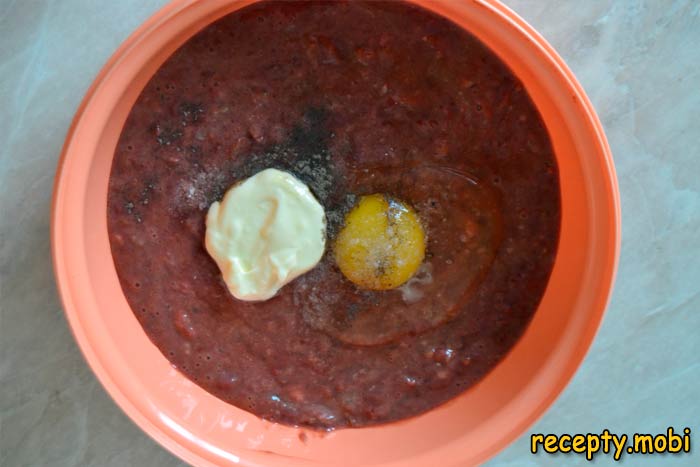
I add 1 tablespoon of sour cream (20–25%) – it makes the finished cutlets noticeably softer and juicier. The sour cream also gives a characteristic "creamy" accent that balances the rich liver flavour.
I sift in 2 tablespoons of flour to thicken the runny liver mince. Flour is the classic "binding" component in liver cutlets – without it they would spread into a "puddle" in the pan.
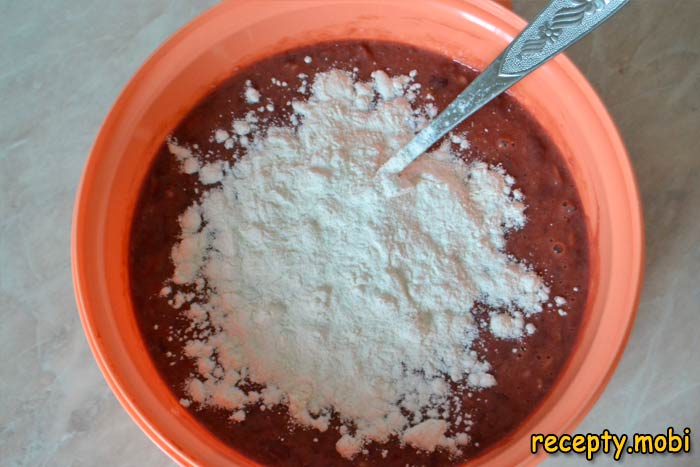
I mix the mince thoroughly until smooth and leave it to stand for 20 minutes at room temperature. During this time the flour swells, the mince becomes firmer and holds its shape better during frying. This stage is crucial – do not skip it.
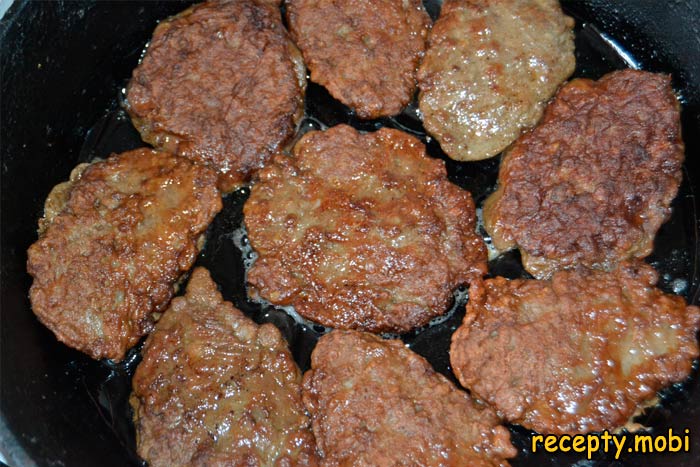
I spoon the mince onto a preheated skillet with vegetable oil, forming small patties 5–6 cm in diameter. I fry them for 2 minutes on each side over medium heat until golden brown. Do not turn them too early – the mince is loose and may fall apart.
I transfer the fried cutlets to a deep skillet or saucepan, add 1–2 tablespoons of water and simmer them under a lid for 5–10 minutes over low heat. Steaming makes the cutlets as tender as possible and finishes cooking them inside.
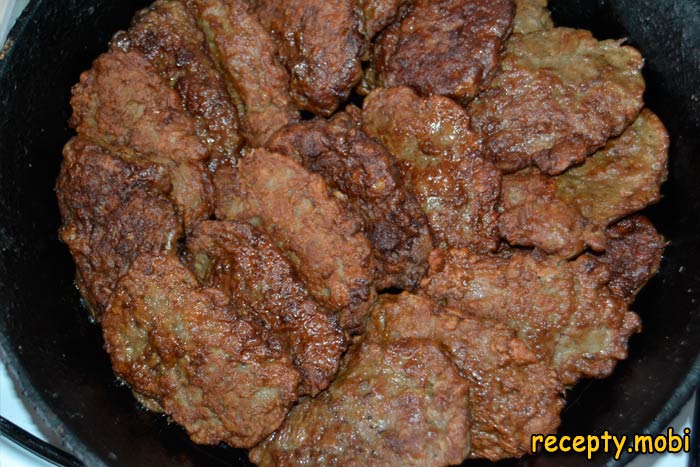
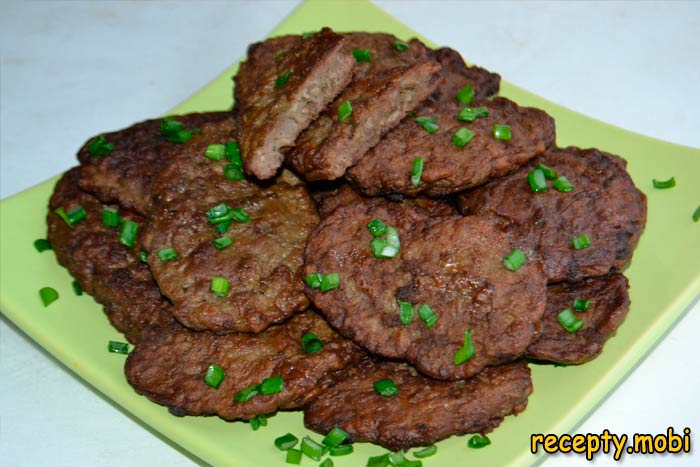
The pork liver cutlets are ready! They are delicious both hot with a side dish and cold in sandwiches. I serve them with mashed potatoes, buckwheat, boiled rice or a vegetable salad. Children are usually delighted – the softness and absence of bitterness do their job.


Tips
- 1
If the liver is tough and old, increase the soaking time to 40 minutes and add a teaspoon of baking soda – it will soften the fibres further.
- 2
For extra aroma, add a clove of garlic or a pinch of nutmeg – they go wonderfully with liver.
- 3
Do not make the cutlets too thin (less than 1 cm) – they will lose their juiciness during frying. I make chicken pâté on a similar principle.
- 4
Serve with mashed potatoes, buckwheat or a vegetable salad – the traditional Russian side dishes for liver cutlets.
FAQ
How do I remove the bitterness from pork liver? +
Soak the cut liver in milk with 1 teaspoon of sugar for 20–30 minutes. The sugar chemically binds the bitter compounds and the milk "washes" them out – the finished cutlets come out without the characteristic bitterness. Alternatives: soaking simply in milk (40 minutes), in sparkling mineral water (30 minutes), or in acidulated water with lemon juice. For very old liver, add a pinch of baking soda to the milk – it will further soften and neutralise the bitterness.
What can I use instead of flour in liver cutlets? +
Breadcrumbs (2–3 tablespoons), semolina (2 tablespoons, but you need to let it swell for 30 minutes), crushed rolled oats, oat flakes, or potato starch (1 tablespoon) all work. Each substitute gives its own character: breadcrumbs add density, semolina adds tenderness, oats give a "rustic" taste. Without a thickener the mince will be too runny and the cutlets will spread into a "blob" in the pan.
How should I store the finished cutlets? +
In the refrigerator in a tightly closed container – up to 3 days without loss of quality. Reheat them in a pan with a couple of tablespoons of water under a lid for 3–5 minutes, or in the microwave for 1–2 minutes. In the freezer, raw shaped cutlets keep on parchment for up to 1 month – fry them straight from frozen, adding 3–4 minutes to the cooking time. On the second day the cutlets taste even better – the spices and sour cream soak fully into the mince.
Which liver is best to use? +
Pork is more tender and cheaper than beef, suitable for cutlets, pâtés and fritters. Beef is firmer and richer in flavour, but requires longer soaking because of its greater bitterness. Chicken is the most tender and sweet, needs no soaking and cooks quickly. Veal is the premium option, the most tender of all, but expensive. For home-made cutlets, pork liver is the golden mean in price and quality – and it is exactly what this recipe is for.
- Comment
or post as a guest
Be the first to comment.