avg —
Liver patties made from pork liver with buckwheat

Instructions
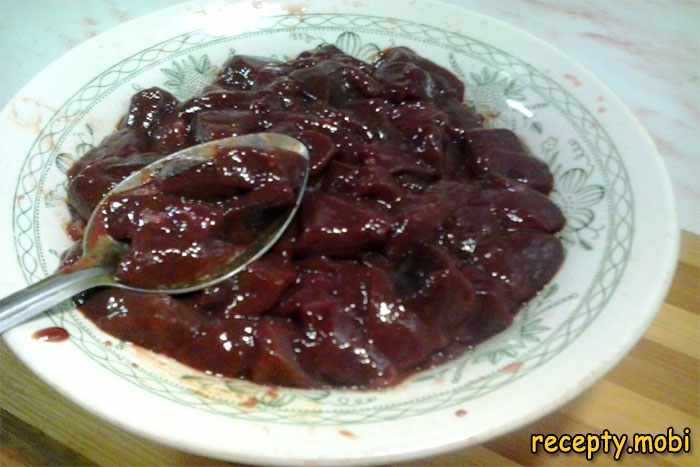
I don't defrost the pork liver (500–550 g) all the way – that way it is easier to cut, it doesn't fall apart under the knife and doesn't smear the board with blood. I remove all the large veins and membranes – they are exactly what gives the main bitter taste to the finished dish. I cut it into small cubes of 2–3 cm – such pieces blend faster.
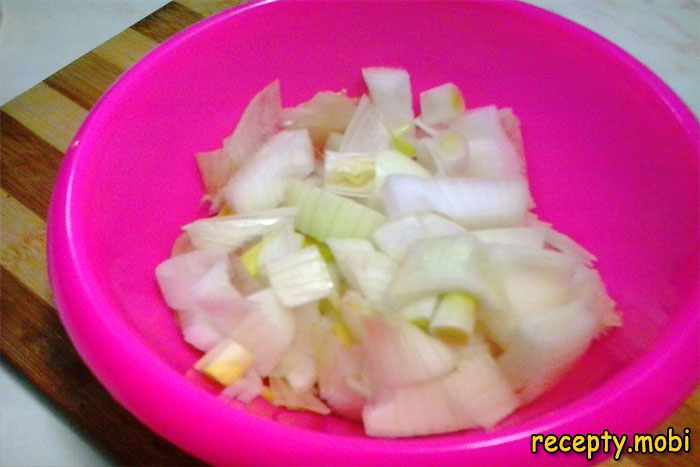
I peel the onion (100–120 g) and chop it into random pieces – the size doesn't matter, as it all goes into the blender anyway. The onion adds juiciness and offsets any possible bitterness of the liver.
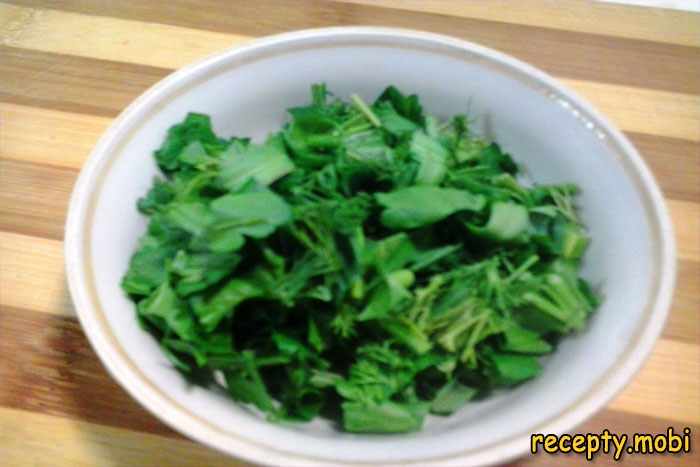
I finely chop the washed and dried herbs (½ bunch of parsley, dill and spring onion) – fresh herbs give aroma and green flecks in the cut of the patties. In winter you can use frozen or dried herbs – 1 tbsp of dried will replace half a bunch of fresh.
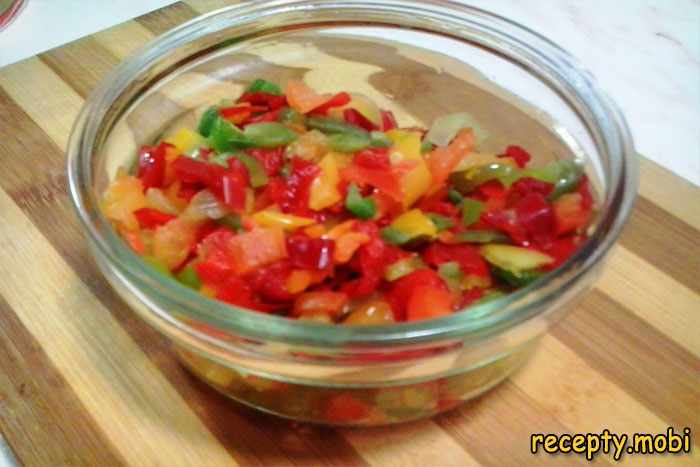
From the bell peppers (2–3 pcs) I remove the stalk and all the seeds – they cause bitterness. I cut them into cubes of 1–2 cm. It is better to take peppers of bright colours – red, yellow or orange – they contain more vitamin C and sweetness. Green bell pepper will give a more grassy flavour.
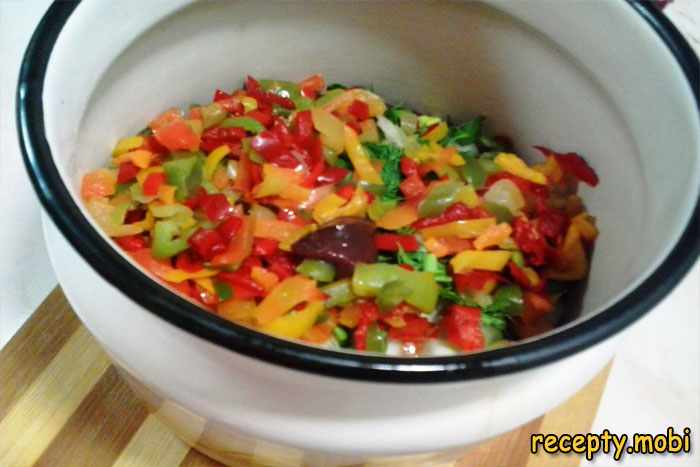
I place the liver, onion, herbs and bell pepper into a deep, tall blender container – this shape stops the mixture from splashing everywhere while blending. If the volume is large, work in batches.
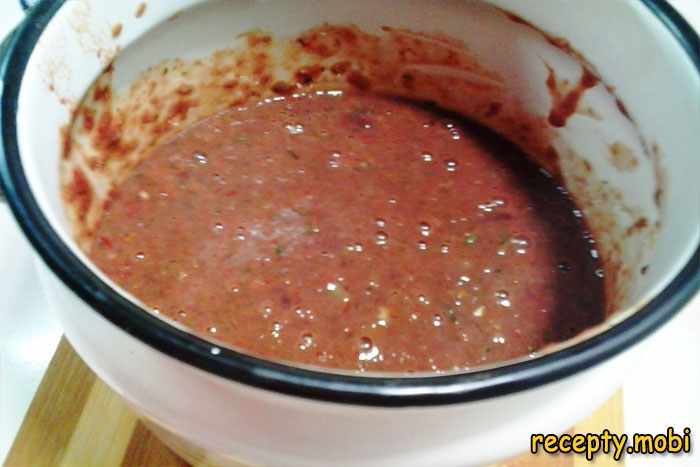
I blend with an immersion blender until it reaches a smooth paste – it takes no more than 2 minutes. I work in pulses: 10 seconds – pause – 10 seconds. If you don't have a blender, you can put it through a mincer twice – the texture will be a little coarser, but the flavour won't suffer.
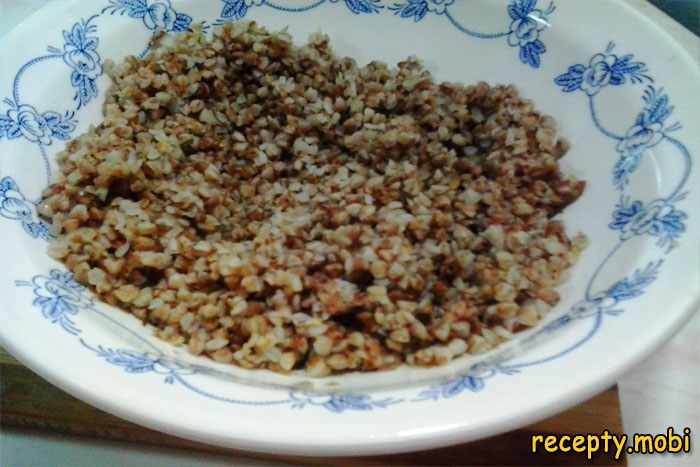
I cook the buckwheat in advance – you will need 1 cup of ready crumbly porridge. For this I take ½ cup of dry grain and 1 cup of water, and cook for 15 minutes under a lid without stirring. I cool it to room temperature so as not to cook the eggs (if added) or steam the liver too early.
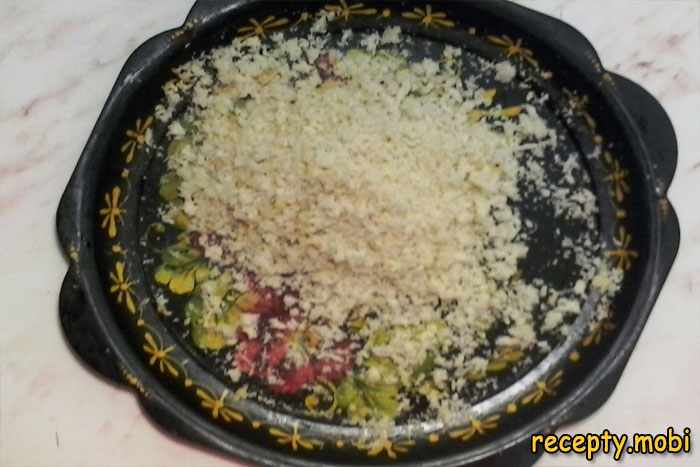
I grate the wheat bread (200–250 g) on a coarse grater – this gives aromatic dry crumbs that will absorb the liquid from the liver and bind the mince. Fresh bread works worse – it is better slightly dried in a pan or in the oven at 100 °C for 10 minutes.
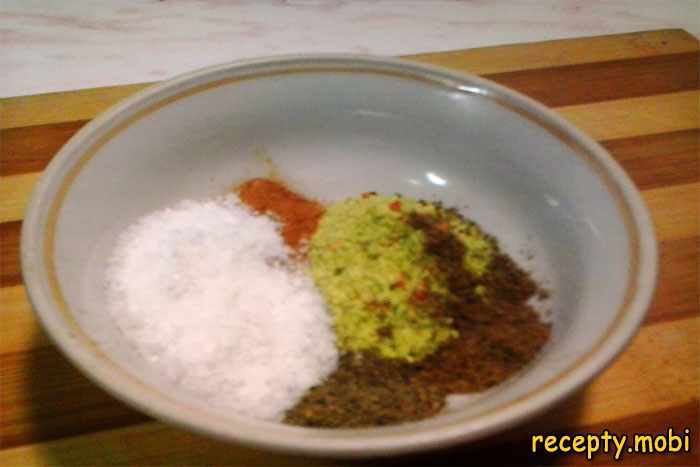
I prepare the spices: salt (5–7 g), "10 vegetables" seasoning (1 tsp), ground black pepper, ground coriander and paprika, ½ tsp of each. It is exactly this combination that masks any off-taste and gives a deep, eastern aroma. Coriander especially brings out the flavour of the liver well.
In a large bowl I combine the liver paste, bread crumbs, cooled buckwheat and spices. I mix thoroughly with a spoon or by hand until smooth. I leave the mince for 15–20 minutes so the bread absorbs the moisture from the liver – without this step the patties will be runny and spread out in the pan.
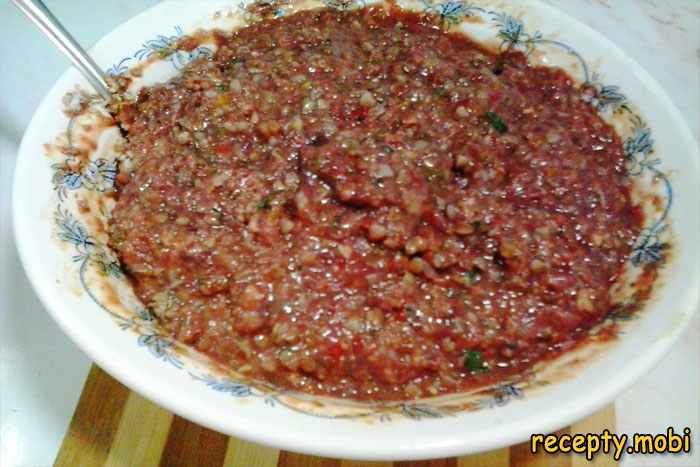
Into a heated pan with 75 ml of vegetable oil I spoon out the patties with a tablespoon (about 65 g each), flattening them slightly with a spatula to a thickness of 1.5 cm. I fry over medium heat for 3–4 minutes until the underside is browned, then carefully turn them over with two spatulas.
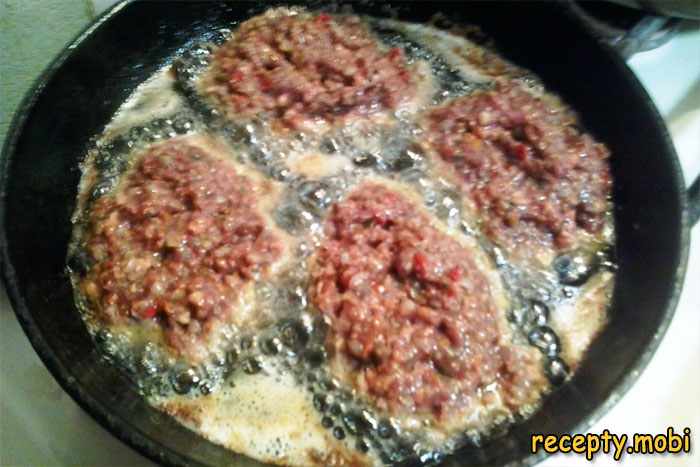
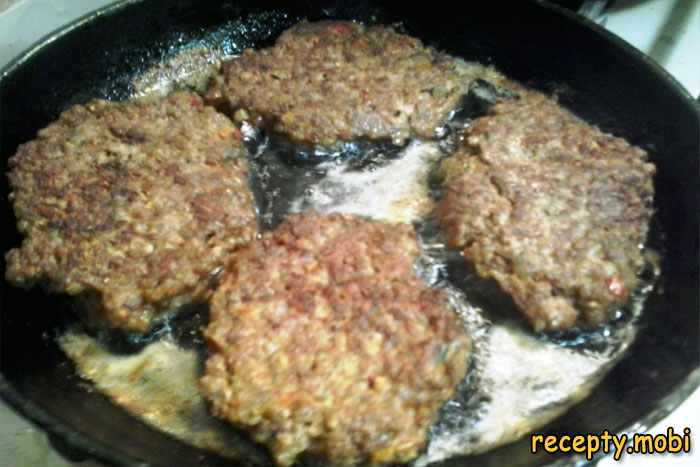
I fry on the other side for 3–4 minutes until golden brown and lift them off the pan onto a plate lined with paper towel – it will soak up the excess fat. I don't pack the patties too tightly in the pan, otherwise they won't brown but will stew in their own juices.
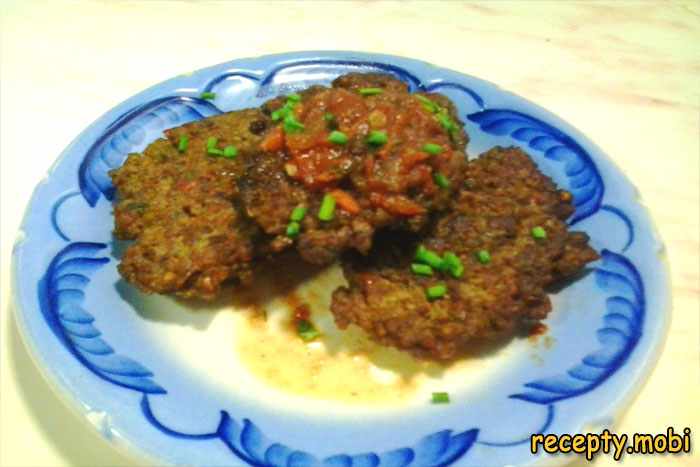
I sprinkle the homemade liver patties with fresh chopped herbs for aroma and serve them hot with any sauce and side dish. A classic choice is a tomato gravy of onion and carrot, or a sour cream and garlic sauce. For sides, mashed potatoes, rice, pasta or fresh vegetables go perfectly.


Tips
- 1
Buckwheat porridge makes the patties juicier and more filling – don't skip it and don't replace it with semolina. It is exactly the buckwheat that gives this dish its characteristic balance of flavour and texture.
- 2
In winter you can use frozen bell pepper – thaw it beforehand in a sieve and drain off all the water, otherwise the mince will be runny. Fresh sweet pepper gives a brighter flavour, but frozen is no worse.
- 3
For a more tender texture, put the liver through the blender twice or use a mincer with a fine grid. A smooth mixture gives velvety patties without large pieces.
- 4
They go excellently with tomato gravy: fry onion and carrot, add 2 tbsp of tomato paste, 200 ml of water and spices, bring to the boil and pour the gravy over the already cooked patties, then simmer for 5 minutes.
FAQ
Which liver is best to use instead of pork? +
Chicken or beef liver work very well. Chicken is the most tender in texture and mild in flavour, cooks faster and has no bitterness even without soaking. Beef is denser, with a pronounced meaty flavour, and requires careful removal of the membranes. Turkey liver sits somewhere in between. When substituting, use the same amount (500–550 g). The frying time for chicken liver is reduced to 2–3 minutes per side.
Why did my liver patties turn out bitter? +
The main reason is poorly cleaned liver: large veins, membranes and bile ducts were left in, and these give the characteristic bitterness. The solution: soak the cut liver for 30–60 minutes in cold milk or in water with 1 tsp of baking soda – this draws out the bitterness. Pork liver is more bitter than chicken, so soaking is essential. The spices and bell pepper in this recipe also mask any possible bitterness well.
How can I make the liver patties more diet-friendly? +
Bake them in the oven at 180 °C for 20–25 minutes on parchment greased with 1 tbsp of oil – the calorie content will drop from 185 to 140 kcal per 100 g. Replace the white bread with wholegrain bread or bran for more fibre. Use chicken liver instead of pork (its fat content is twice as low). Fry in a non-stick pan with no added oil, or with the minimum amount (1–2 tbsp for the whole batch).
Can I freeze the liver patties? +
Yes, you can freeze them both as raw preparations (patties already shaped but not fried) and as cooked fried ones. Lay the raw ones out on a board so they don't touch, freeze for 2 hours, then transfer to a bag – they can be kept for up to 2 months. Fry them straight from the freezer, adding 2 minutes to the time. Store cooked fried patties in an airtight container for up to 1 month, and reheat them in the microwave for 1–2 minutes or in a pan under a lid.
- Comment
or post as a guest
Be the first to comment.