avg —
Liver Cake with Pork Liver – Simple and Delicious Recipe

Instructions
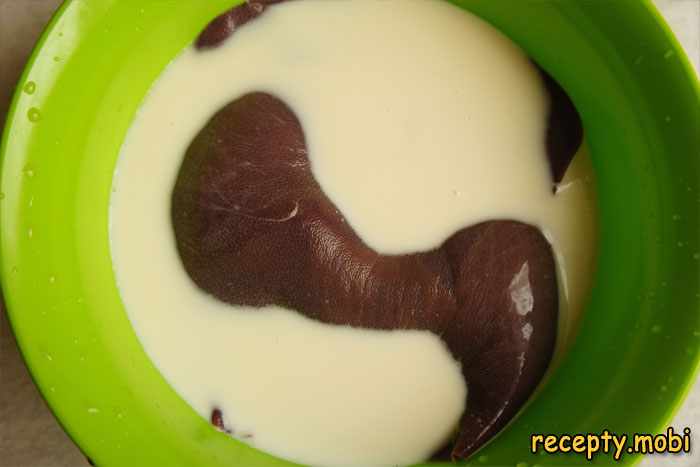
I inspect the pork liver (500 g) carefully and clean it: with a sharp knife I remove all the vessels, bile ducts and membranes – they make the finished dish tough and bitter. I rinse the liver under cold running water, cut it into large pieces and cover it with milk in a deep bowl. The milk should completely cover the liver – you will need about 300–400 ml.
I leave the liver to soak in the milk for at least 1–2 hours at room temperature, or overnight in the fridge. The milk completely removes the specific bitterness of pork liver and makes it more tender. This is a critically important step – without soaking, the cake will have an unpleasant aftertaste. After soaking, I pour the milk away – it is no longer fit for use.
While the liver soaks, I prepare the filling: I peel 3 medium onions (about 300 g) and cut them into small cubes about 5 mm in size. I heat a frying pan with 2 tablespoons of vegetable oil over medium heat and fry the onion for 7–10 minutes, stirring constantly, until translucent and lightly golden. Do not over-fry the onion until brown – it will turn bitter.
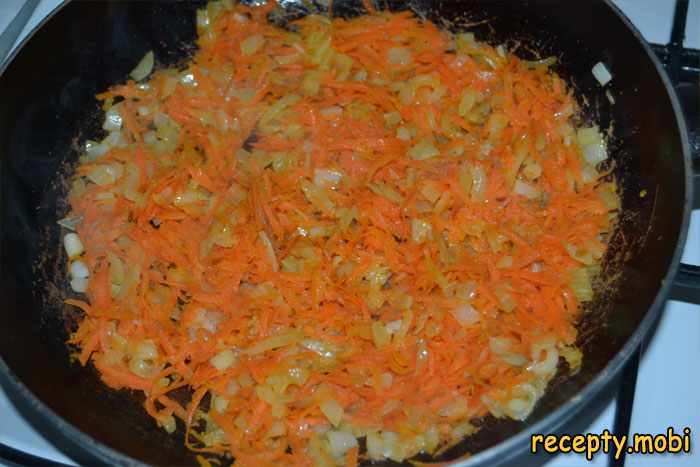
I peel the carrot (1–2 pieces, about 200 g) and grate it on a coarse grater. I add the carrot to the fried onion and cook them together for another 7–10 minutes until the carrot is soft. I season with salt and pepper to taste. I take the finished filling off the heat and let it cool – hot filling must not be put on the layers, as it would steam them and make the cake wet.
I take the soaked liver out of the milk, pat it dry lightly with paper towels and cut it into small pieces for mincing. I pass the liver through a meat grinder twice, using the fine grid – this gives a uniform, smooth batter with no large pieces. You can also use a blender at maximum speed for 2–3 minutes.
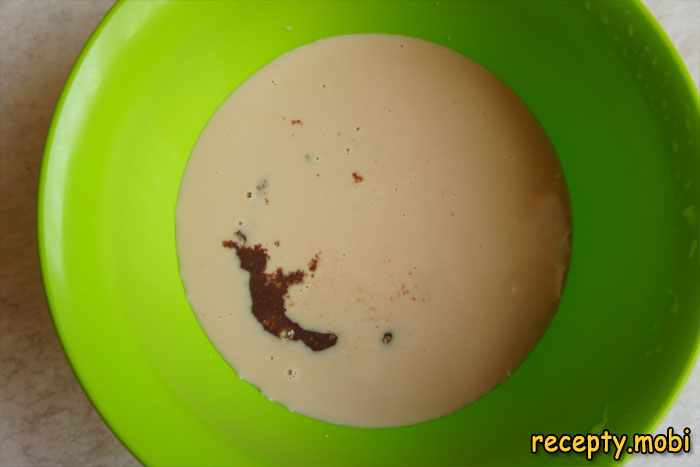
I crack 2 chicken eggs into the liver mass and mix thoroughly with a fork or whisk until smooth. The eggs bind the batter and give the layers a tender texture, and also help them hold their shape during frying.
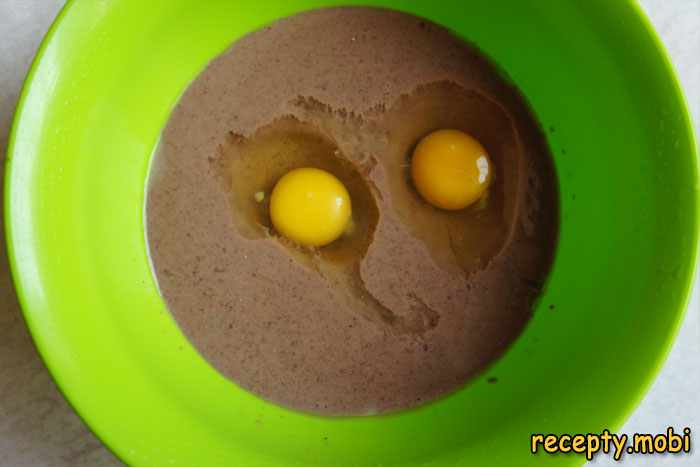
I salt the batter to taste (about ½ teaspoon) and add a pinch of ground black pepper. Remember that the filling and the sauce also contain salt, so do not over-salt the batter – it is better to under-salt and add salt to the sauce.
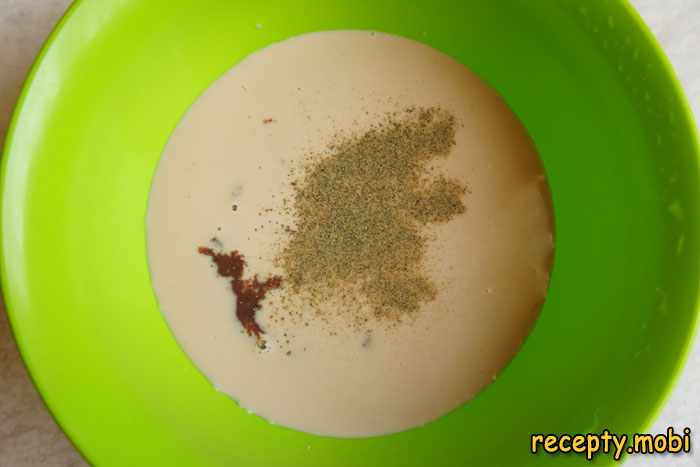
I add 1–2 tablespoons of vegetable oil straight into the batter – it makes the layers fluffier and more elastic, stops them drying out during frying and makes them easier to turn. I mix thoroughly.
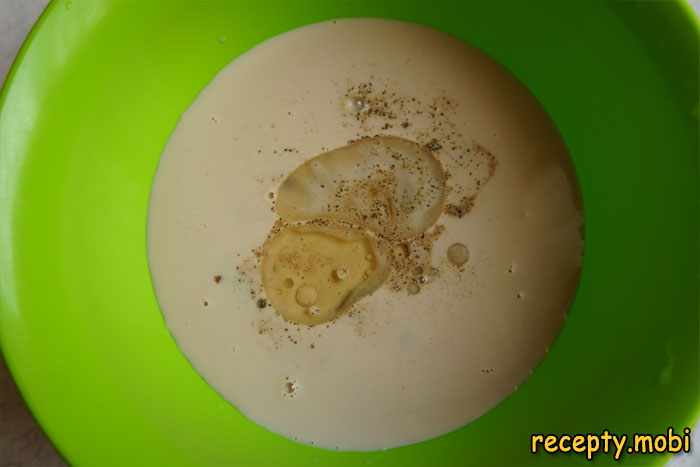
I gradually add 100 g of sifted wheat flour, whisking continuously so that no lumps form. I add the flour in batches of 2–3 tablespoons, mixing thoroughly until smooth each time.
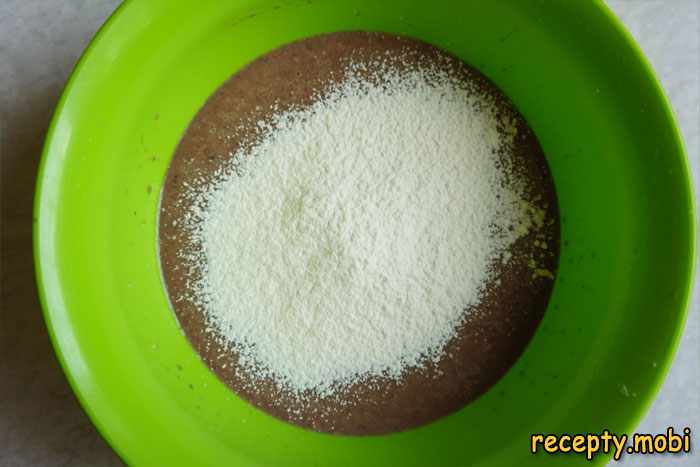
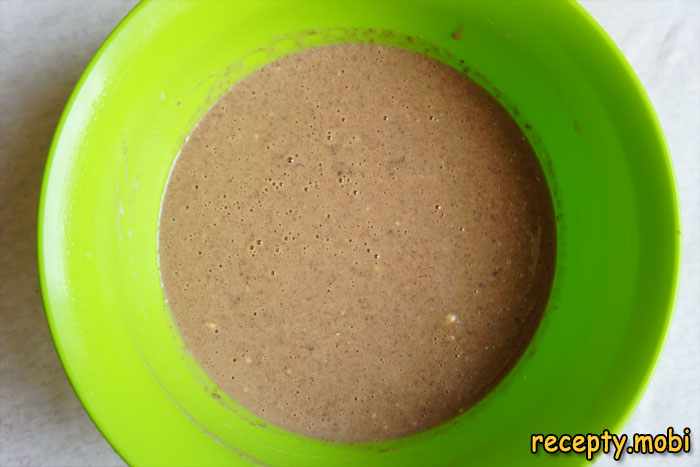
The finished liver batter should have the consistency of thin sour cream or pancake batter – it flows freely off the spoon, but is still thick enough not to spread across the pan in too thin a layer. If needed, I adjust the thickness: if it is too thick I add a little milk, if it is too runny I add flour.
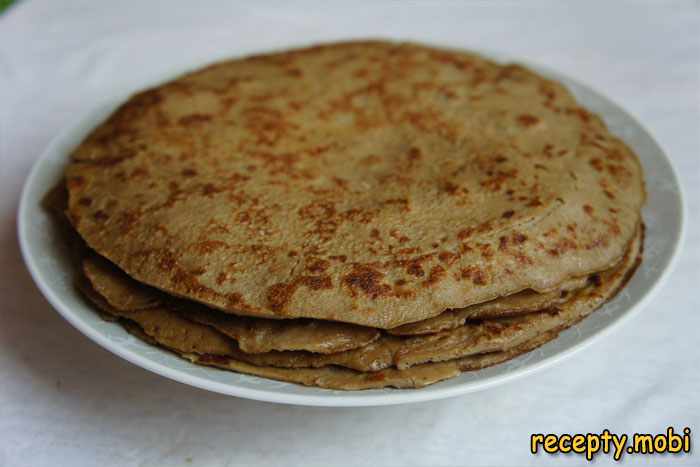
I heat a non-stick frying pan 20–22 cm in diameter over medium heat and grease it lightly with vegetable oil. I pour in a small ladle of batter (about 3–4 tablespoons) and spread it over the pan by swirling, as for ordinary pancakes. The layer should be about 3–4 mm thick. I fry over medium heat until the redness on the surface disappears (about 2–3 minutes).
I carefully flip the layer with a wide spatula and fry the second side for another 1–2 minutes. It is important not to over-dry the layers – they should stay soft and slightly moist inside, not dry and brittle. Lightly browned layers soak up the sauce better. The given amount of batter makes 6–8 layers.
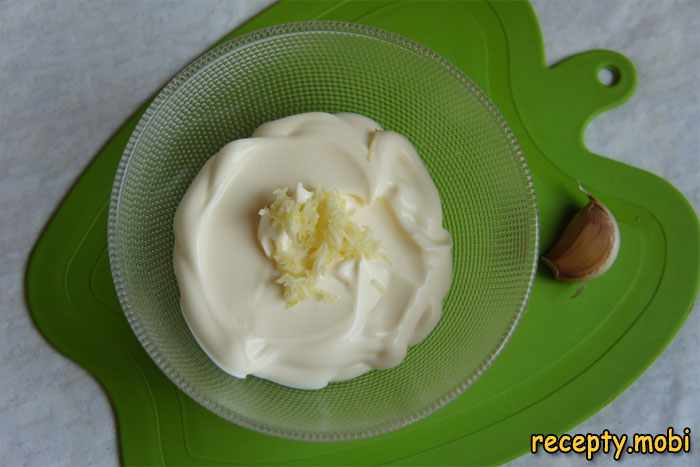
I make the garlic sauce: I put 200 ml of mayonnaise into a bowl and add 1–2 cloves of garlic passed through a press. I mix thoroughly until the garlic is evenly distributed. If you like, you can add finely chopped dill or a pinch of dried herbs.
I start assembling the cake: I place the first cooled layer on a flat dish or board. I spread a thin layer of garlic sauce over it with a spoon or silicone brush, right to the edges – this is important for even soaking.
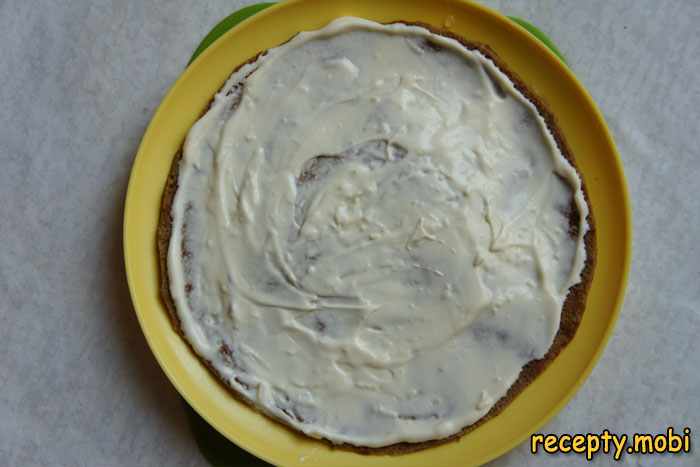
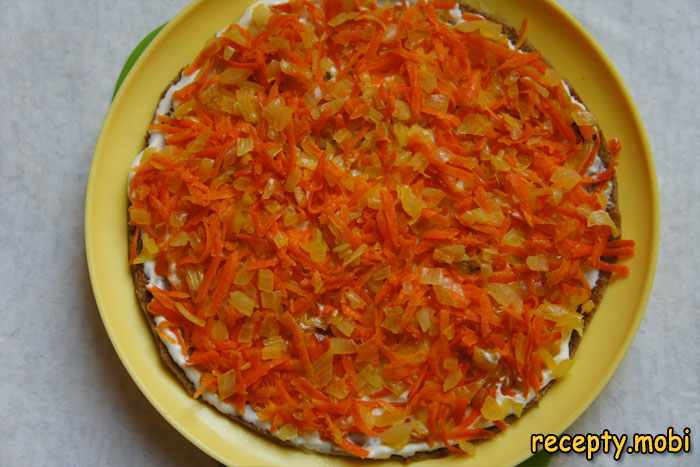
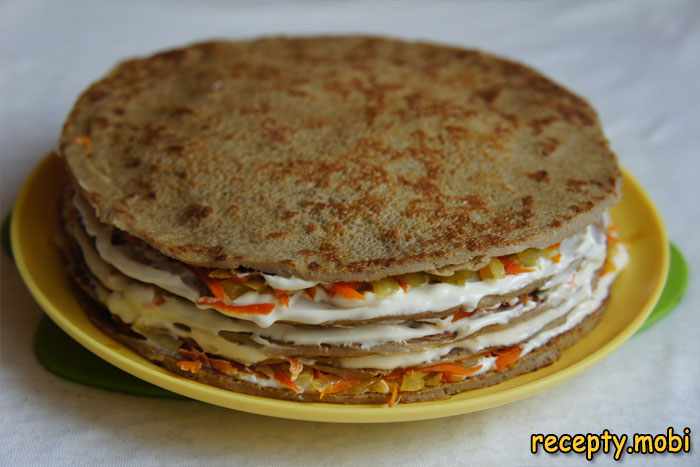
Over the layer of sauce I spread some of the fried onion and carrot evenly. The filling should cover the layer in a thin layer, not in a mound in the centre. I cover with a second layer and repeat the procedure: sauce – filling – layer. I continue until all the layers are used up.
I press the last top layer lightly with my palm to compact the cake. I wrap the cake in cling film on all sides and put it in the fridge for at least 2–3 hours to soak. Ideally, leave it overnight: in that time the layers become soft and tender, like a real cake, and all the flavours come together.
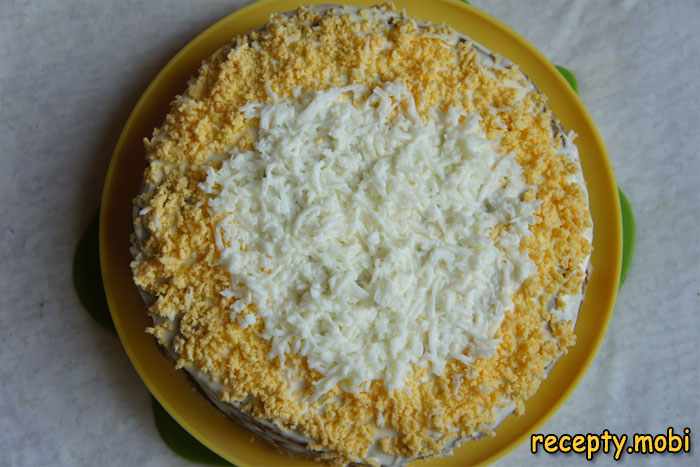
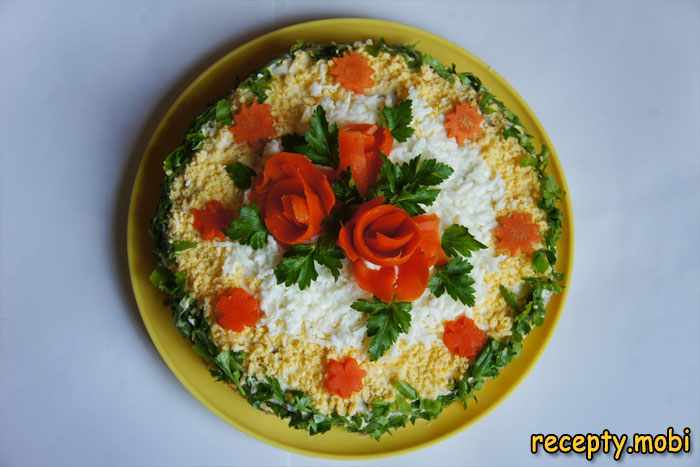
Before serving I take the cake out of the fridge and decorate it. I spread the remaining mayonnaise sauce over the top and sides. I peel 2 boiled eggs and grate them on a fine grater, then sprinkle the grated egg generously over the top of the cake – it gives a pretty «snowy» coating.
I sprinkle the sides of the cake with finely chopped fresh parsley – it creates a pretty green contrast. In the centre I form decorative rosettes from slices of boiled carrot and frame them with parsley leaves. The pork liver cake is ready! I cut it into portions with a sharp knife and serve it as a cold starter.


Tips
- 1
Soaking in milk is essential – without this step pork liver will be bitter. The milk removes the bitterness completely in 1–2 hours at room temperature or overnight in the fridge. You can also use kefir or whey.
- 2
Do not over-dry the layers during frying – lightly browned, soft layers soak up the sauce much better and become tender. Over-dried layers will stay tough even after a long soak.
- 3
Soak for at least 2–3 hours, and preferably overnight – this is fundamentally important. In that time the layers absorb the sauce, the filling gives up its moisture, and the cake becomes a single whole, like a real sponge cake with cream.
- 4
For a more diet-friendly version, replace the mayonnaise with thick sour cream of 20–25% fat with added garlic and salt. The calorie content goes down, and the flavour becomes lighter and fresher.
FAQ
Can I use chicken or beef liver? +
Yes, and the result will be excellent! Chicken liver is the most tender, does not need soaking and gives the softest layers. Beef liver is denser, so soak it for 2–3 hours. Pork is the most economical option with a rich flavour.
How long does the liver cake keep? +
In the fridge, in a closed container, the cake keeps for 3–4 days and becomes only tastier with each day – the layers soak even more. I do not recommend freezing it – after thawing the texture suffers and the cake becomes watery.
What can I use instead of mayonnaise in the sauce? +
Sour cream with 20–25% fat with garlic passed through a press and salt to taste. You can also mix sour cream and mayonnaise in a 1:1 ratio – the flavour will be more balanced and the calorie content lower.
Why do the layers turn out tough? +
There are two main reasons: too much flour in the batter, or over-drying during frying. The batter should be runny, like for pancakes, and you need to fry over medium heat until lightly browned, no longer.
- Comment
or post as a guest
Be the first to comment.