avg —
Light Meat Patties – Simple and Budget-Friendly Recipe

Instructions
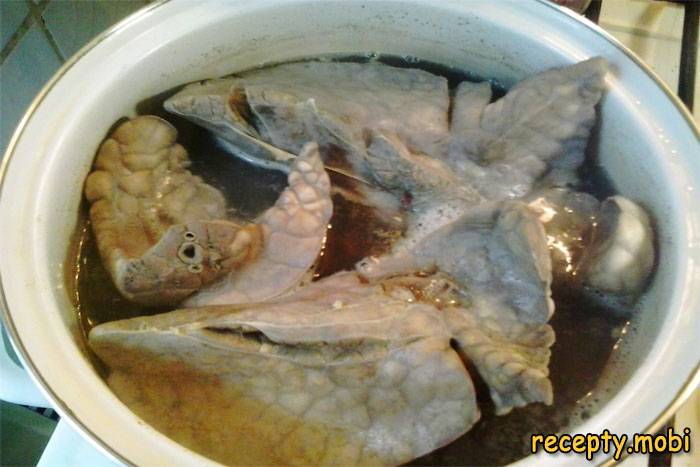
I wash the lung, cover it with cold water and leave it to soak for 30 minutes, then rinse it well once more. Soaking removes the blood and the characteristic smell of the offal – without this step the patties will have an off odour. I boil the prepared lung for 30–40 minutes in lightly salted water with a bay leaf, drain it in a colander and let it cool until just warm.
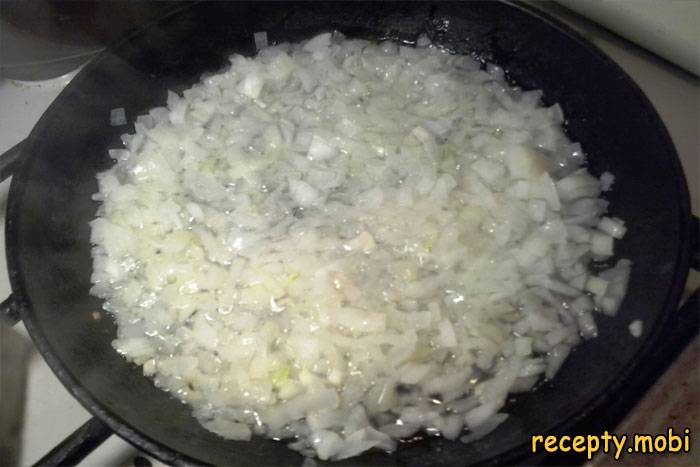
I gently fry the chopped onion in a little vegetable oil for 5–7 minutes over medium heat until translucent. Raw onion in the mixture would give a sharp smell, whereas softened onion gives a mild sweetness that goes perfectly with lung.
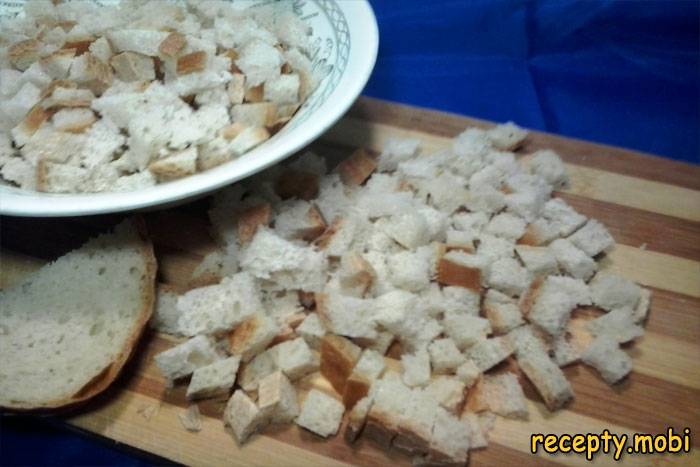
Without removing the crust, I cut the day-old bread into 2–3 cm cubes, place them in a deep bowl and pour over warm water or milk. I stir and let the bread soak up all the liquid for 5–7 minutes. Fresh bread is no good – it swells poorly and makes the mixture gluey. Milk instead of water makes the patties more tender.
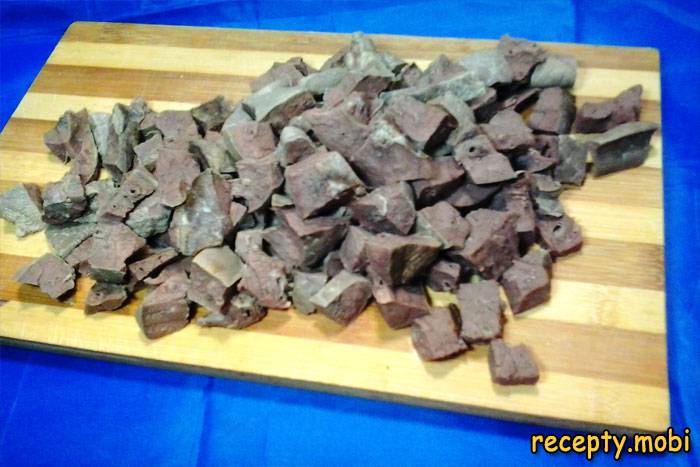
From the boiled lung I remove the large trachea and membranes – they must not be left in, as they will be gritty between the teeth. I cut the flesh into 3–4 cm pieces so that it is easy to pass through the mincer.
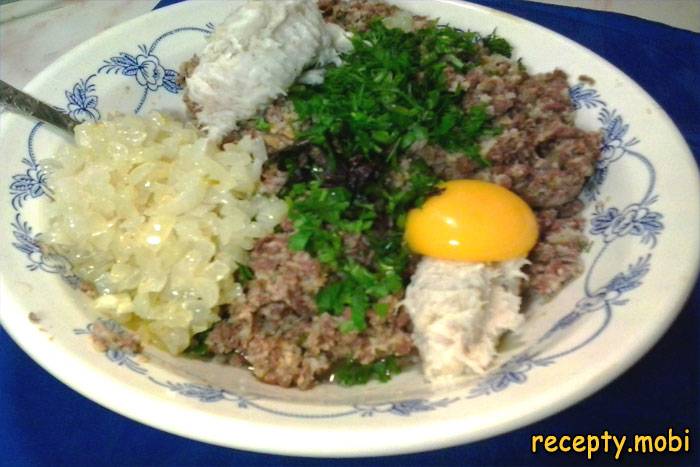
Using the fine plate of the mincer, I grind the lung together with the soaked bread and a small piece of lard or back fat – it will add juiciness. To the mixture I add the egg, the fried onion and the finely chopped herbs. I season with salt and spices and knead thoroughly by hand for 3–5 minutes until smooth and elastic.
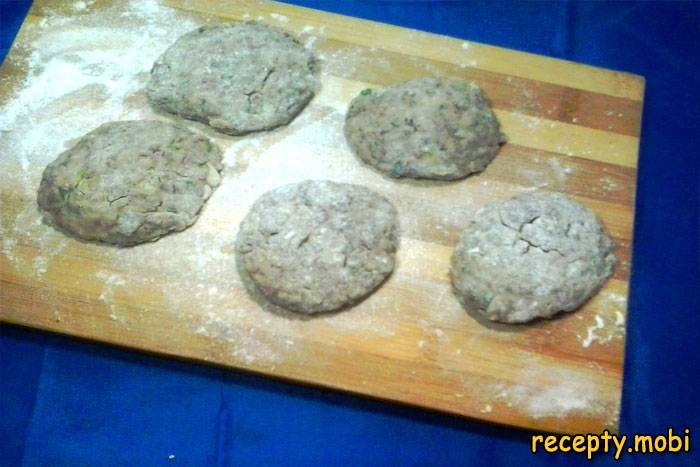
Taking a walnut-sized portion of the mixture with a tablespoon, I shape small patties with damp hands. I roll them in flour and flatten them slightly on both sides – a thickness of 1.5–2 cm is ideal for even frying. Patties that are too thick stay raw inside, while ones that are too thin dry out.
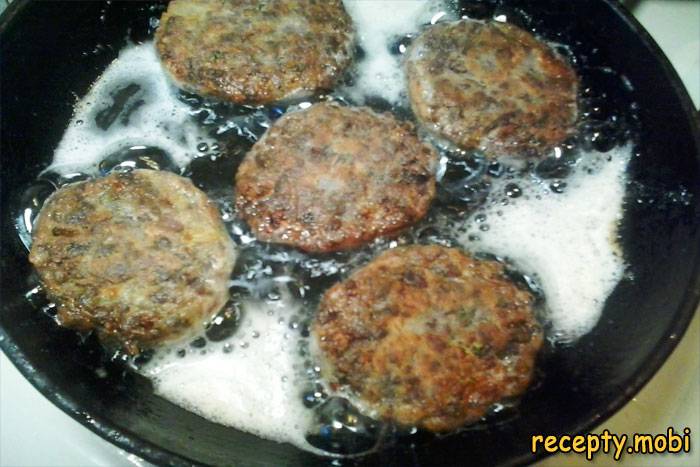
I pour 50–75 ml of oil into a dry frying pan and let it heat up well. I carefully lay out the patties, spaced apart, and fry them until golden, 4–5 minutes on each side over medium heat. Do not cover with a lid – the patties would "steam" in their own vapour and lose their crisp crust.The finished lung patties are golden, tender and very appetising. I serve them with a side dish and a sour-cream sauce.


Tips
- 1
Soaking for 30 minutes in cold water is essential – it removes the excess blood and the specific smell of the offal.
- 2
If the mixture turns out a little too wet, add a bit more bread or 1–2 spoonfuls of flour – it should hold its shape well when you form the patties.
- 3
You can bake the patties in the oven at 180 °C for about 20–25 minutes – this way they come out less greasy. Liver patties are made on a similar principle.
- 4
Serve with mashed potatoes, buckwheat porridge, fresh vegetables or a sour-cream sauce with dill – the classic accompaniments to offal patties.
FAQ
Can lung be mixed with other offal? +
Yes, it is a great idea – the patties come out richer and more layered in flavour. The ideal ratio is 2 parts lung to 1 part heart or liver. With liver the patties take on a deep flavour but become denser in texture. With heart they become juicier and firmer. You can also add 30% pork mince – the patties will be juicier thanks to the fat. The main rule: boil all the offal beforehand.
How long do the cooked lung patties keep? +
In the refrigerator in a closed container – up to 3 days. Reheat them in a covered pan with a couple of spoonfuls of water for 5 minutes, or in the microwave for 1–2 minutes. Raw shaped patties can be frozen – roll them in flour, lay them out on a board, freeze them individually and then transfer to a bag. They keep in the freezer for up to 3 months. Fry them straight from frozen, increasing the frying time by 3–4 minutes on each side.
Is it essential to boil the lung beforehand? +
Yes, it is essential. Raw lung is very porous (filled with air), grinds poorly even in a mincer and gives an uneven texture when fried. After boiling, the structure becomes firmer, it cuts more easily, and the flavour is more pronounced. The boiling time is 30–40 minutes until fully done (soft when pierced with a knife). The cooking liquid can be used as a stock for soup – it turns out rich and aromatic.
- Comment
or post as a guest
Be the first to comment.