avg —
Chicken Liver Pâté with Carrots and Onions

Instructions
I prepare all the products from the list. Chicken liver is a source of protein and iron, and it also cooks quickly.
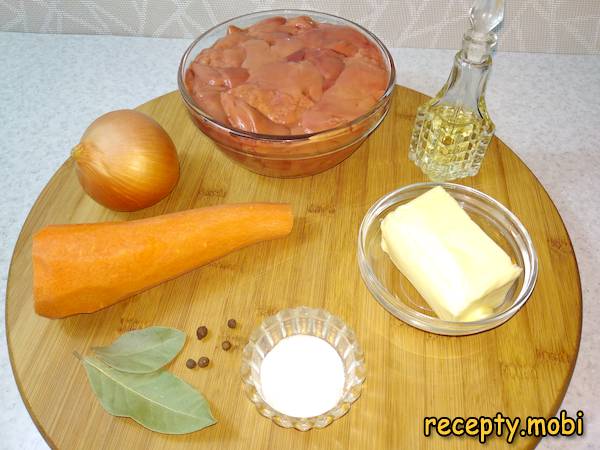
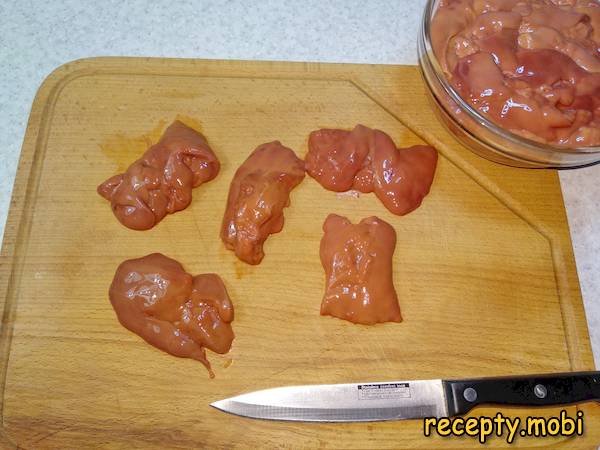
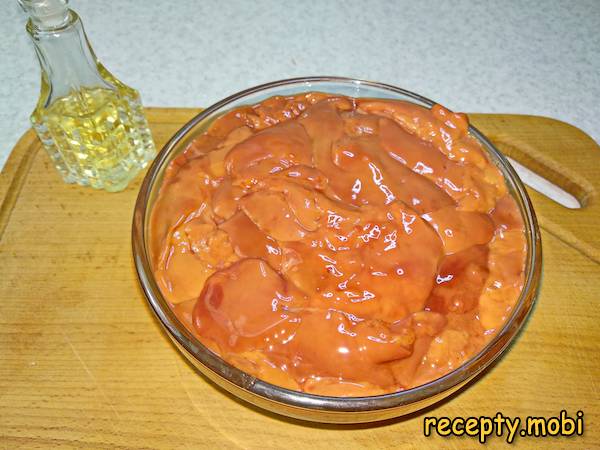
I wash the chicken liver. I drain it in a colander and let the water run off. I cut out the ducts and remove the thin film. I check carefully for any bile and trim it away neatly, otherwise the pâté will taste bitter.
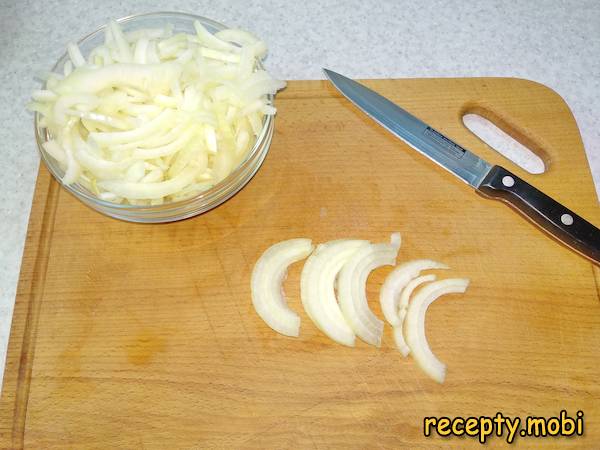
I shred the onion into medium-sized half-rings. Half-rings are more convenient to fry than cubes – they do not dry out.
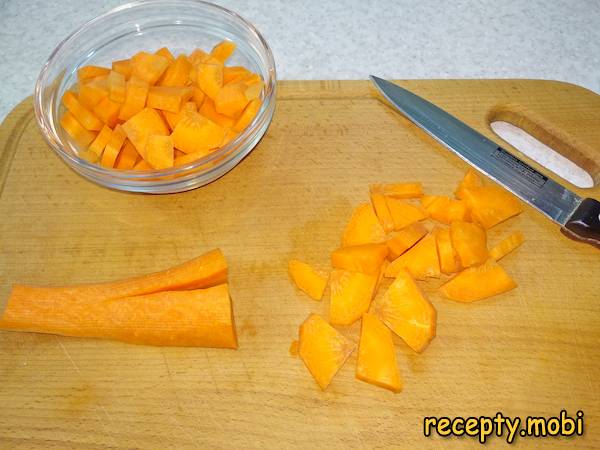
I cut the large carrot lengthwise into 4 pieces, then chop it into large chunks. The size is not critical – the carrot will be blended at the end.
I fry the prepared vegetables in a pan with vegetable oil. This gives them softness and sweetness.
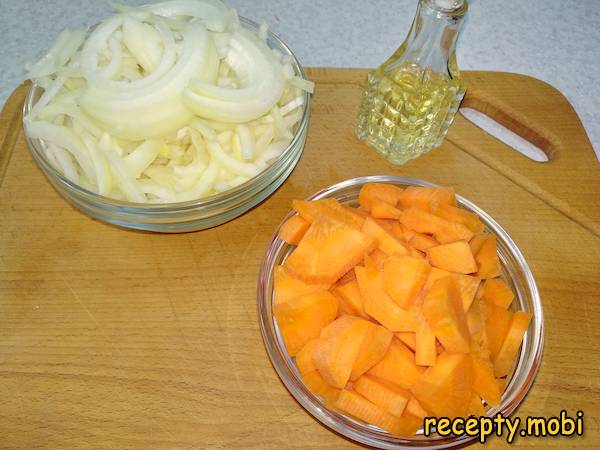
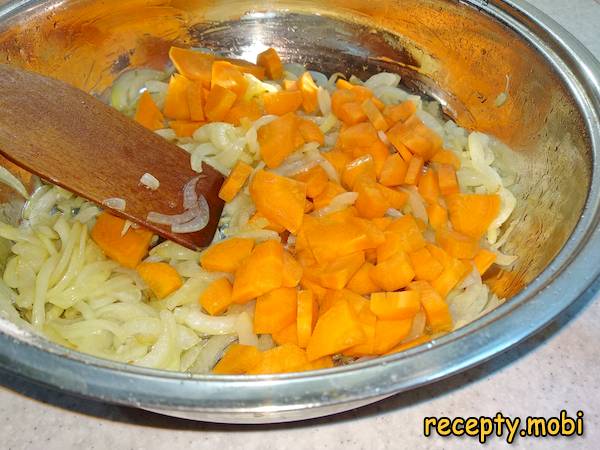
I heat the pan with oil over medium heat and add the onion. I fry the onion until translucent. Then I add the carrot to the onion and keep frying until it becomes soft.
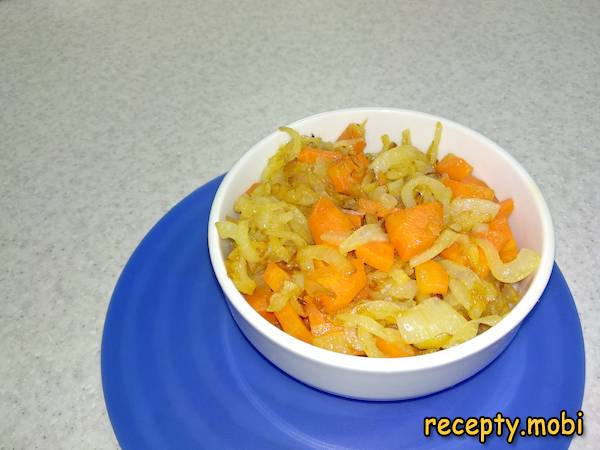
The vegetables are ready – I transfer them to a separate plate. They will "rest" while the liver is being fried.
I fry the prepared liver in a pan with vegetable oil. Chicken liver cooks quickly – do not overcook it.
I fry the liver for 2 minutes on each side. Then I add the prepared sautéed vegetables to the pan. I add 50 g of butter and stir. I simmer it under a closed lid for 25–30 minutes over medium heat. During this time I add salt, allspice and the bay leaf.
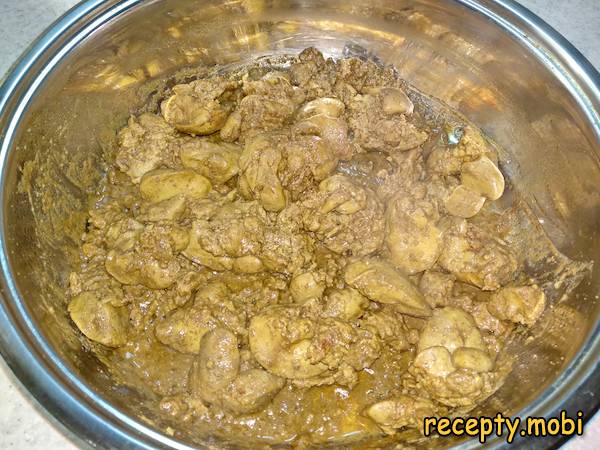
I transfer the cooked products into a separate bowl. I remove the bay leaf and the peppercorns – they have already given up their aromas. I add the remaining butter to the products.
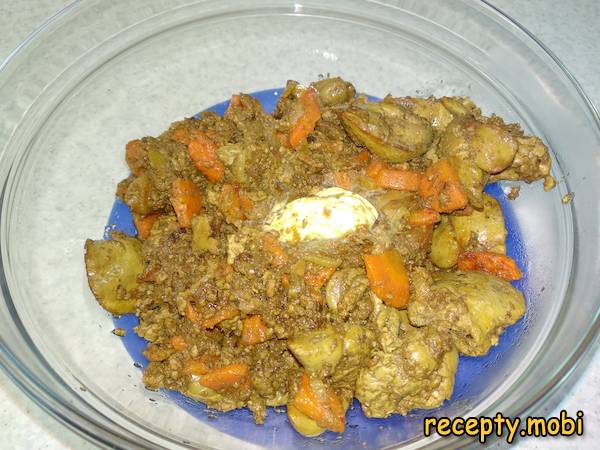
Using an immersion blender, I grind the still-hot products into a uniform, elastic mass. I taste the pâté and add salt if needed.
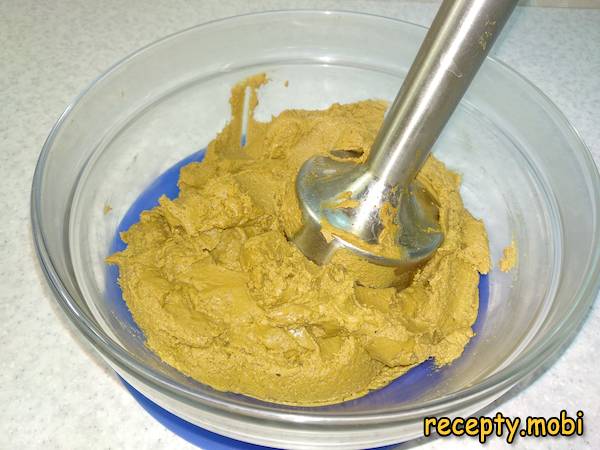
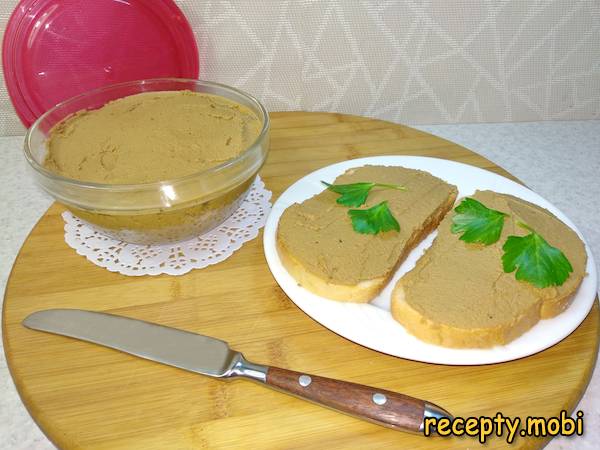
The chicken liver pâté with carrots and onions is ready. I transfer it to a glass container and let it cool. Then I close it tightly with a lid and put it in the refrigerator for storage. This is the best solution for breakfast and a snack.


Tips
- 1
ALWAYS remove the bile from the liver – even a single drop will make the finished pâté strongly bitter. Check every piece of liver carefully.
- 2
Fry the liver for 2 minutes on each side – do not overcook it. The further simmering will "bring" it to readiness without drying it out.
- 3
Add the butter in 2 stages: 50 g into the pan + 50 g while blending. This is the "secret" to a tender, silky texture. I use a similar principle in other meat pâtés.
- 4
Blend the pâté while hot – this way all the ingredients bind together better into a uniform mass. A cold pâté is harder to blend.
Video
FAQ
Can I substitute the chicken liver? +
Alternatives: turkey liver (a more delicate option, cooked the same way), beef liver (a richer, meatier flavour, cook it longer – 40 minutes), pork liver (with a slightly bitter note – be sure to soak it in milk for 30 minutes before cooking). Chicken liver is the most tender and the quickest to cook, the best choice for a family pâté. Goose and duck liver are premium options – more expensive and requiring some experience to work with.
How long does the finished pâté keep? +
In the refrigerator – up to 4–5 days in a hermetically sealed glass container. On the second day the flavour is even better – the ingredients have "made friends". You can freeze it in portions for 1–2 months in small containers – defrost it in the refrigerator for 6–8 hours. Before serving, let the pâté "thaw" at room temperature for 10–15 minutes – it will become more spreadable. Do not leave it at room temperature for more than 2 hours.
What can I serve the pâté with? +
Classic ways to serve it: on toasted bread or toasts, on rye bread with butter, in vol-au-vents (mini tartlets), on crackers for a cocktail party, in a lavash roll with herbs, or as a filling for pancakes. Additions – fresh cucumbers, pickled cornichons, herbs, cranberries or lingonberries for contrast. With drinks – tea, coffee, white wine. For a festive presentation – garnish with a sprig of rosemary or with berries.
What can I use instead of butter? +
Alternatives: good-quality margarine (a more "budget-friendly" option), a mix of butter and 33% cream (a more tender texture), ghee (a more "caramel" flavour), olive oil (for a "diet" version, but the texture will be less "buttery"). Without a fatty component the pâté will turn out "dry" and will not "spread". Butter is best for the classic flavour. It cannot be fully replaced – only partly.
- Comment
or post as a guest
Be the first to comment.